
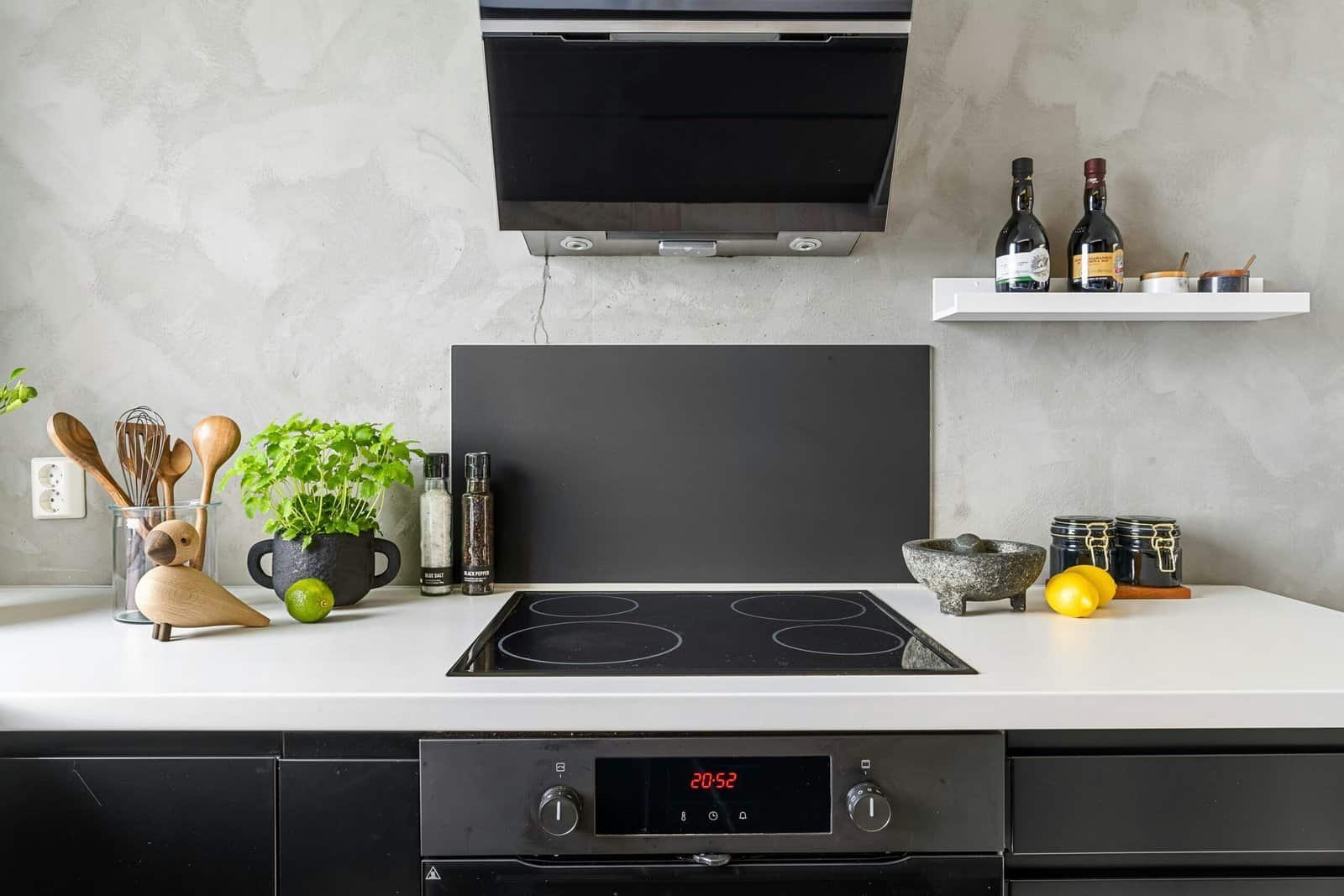
A glass top stove looks great until a rough or warped pan leaves a scratch or heats unevenly across the smooth surface. The best cookware for glass top stoves has a flat, smooth base that sits flush for even contact, stays light enough to lift rather than drag, and holds its shape over years of heating cycles. Below are six picks built for smooth-top and ceramic ranges, plus how to choose without risking the glass. If you are rebuilding a whole set, our guide to value cookware sets is a useful companion.
Quick Verdict
For most glass top stoves, the Cuisinart MultiClad Pro stainless set is the smart all-rounder: a flat tri-ply base grips heat evenly and the smooth underside is kind to the glass. Nonstick fans should look at the T-fal hard-anodized set, ceramic-coating fans at GreenLife, and value shoppers at Tramontina tri-ply. Flat, smooth, and moderate weight are the traits that matter.
Key Takeaways
- A perfectly flat base is the single most important trait for even heat on glass.
- Smooth, unribbed undersides slide less and are gentler on the surface.
- Moderate weight lets you lift pans instead of dragging them across the glass.
- Stainless, hard-anodized, and quality nonstick all suit smooth-top ranges.
- Rough, raw cast iron and warped pans are the usual causes of scratches and hot spots.
How We Picked Cookware for Glass Top Stoves
We prioritized the traits that protect a smooth top and cook well on it: a flat base for full contact, a smooth underside that will not grind against the glass, and even heat conduction so food does not scorch in the center. We favored moderate-weight pans you can lift cleanly, since dragging is what causes most scratches.
We included stainless, hard-anodized, and ceramic nonstick options to suit different cooking styles, and noted where a set works on induction as well. Every pick is a familiar, widely available line so you can compare prices easily.
Cuisinart MultiClad Pro Stainless Set
Why It Stands Out
The Cuisinart MultiClad Pro uses a tri-ply build with a flat, smooth base that makes full contact with a glass top for even heating. Stainless will not shed coating over time, and the polished underside glides without grabbing the surface. It suits cooks who want durable, all-purpose pans.
Worth Knowing
Stainless needs a little preheat and some fat to keep food from sticking, unlike nonstick. The set works on induction too. For stainless technique and care, our roundup of stainless cookware sets goes deeper.
Best for cooks who want durable, even-heating pans. Skip it if you want a nonstick surface out of the box.
T-fal Ultimate Hard Anodized Set
Why It Stands Out
The T-fal Ultimate pairs a flat hard-anodized base with a nonstick interior, so eggs and delicate foods release easily while the smooth bottom stays gentle on glass. Hard-anodized aluminum spreads heat evenly and resists warping, which keeps the base flat over time. It is a practical everyday set.
Worth Knowing
Nonstick coatings wear eventually and need low-to-medium heat and soft utensils to last. Confirm the line suits your heat habits. For nonstick options across price points, see our nonstick cookware guide.
Best for cooks who want easy release and simple cleanup. Skip it if you cook at very high heat or want lifetime durability.
GreenLife Ceramic Nonstick Set
Why It Stands Out
The GreenLife set uses a ceramic nonstick coating over a flat base, appealing to cooks who want a coating free of traditional nonstick chemistry. The smooth bottom suits a glass top, and the light weight makes lifting easy. Bright colors and low cost make it a popular starter set.
Worth Knowing
Ceramic coatings tend to lose their slickness sooner than hard-anodized nonstick, so treat them gently. Keep heat moderate to extend the coating. It is best as an affordable, lighter-duty option.
Best for budget shoppers who want a ceramic coating. Skip it if you want the longest-lasting nonstick surface.
Tramontina Tri-Ply Clad Set
Why It Stands Out
The Tramontina Tri-Ply Clad delivers stainless tri-ply construction and a flat, smooth base at a friendlier price than premium lines. It heats evenly on a glass top and stands up to daily use without shedding any coating. It is a strong value for cooks who want stainless without the top-tier cost.
Worth Knowing
Like all stainless, it rewards a preheat and a little fat to prevent sticking. It works on induction as well. It is an easy recommendation when you want durable pans on a budget.
Best for value-minded cooks who want stainless durability. Skip it if you prefer a nonstick surface.
Circulon Hard Anodized Set
Why It Stands Out
The Circulon set combines a flat hard-anodized base with a durable nonstick system, balancing easy release with sturdier construction than basic nonstick. The heavy-gauge base resists warping so it stays flat on the glass, and the smooth underside is surface-friendly. It suits cooks who want nonstick that lasts a bit longer.
Worth Knowing
Even durable nonstick benefits from moderate heat and soft utensils. The heftier build is still light enough to lift. It sits between budget ceramic and premium hard-anodized lines.
Best for cooks who want longer-lasting nonstick. Skip it if you want the absolute lowest price.
Calphalon Premier Hard Anodized Set
Why It Stands Out
The Calphalon Premier is the premium pick, with a heavy flat base, a durable nonstick interior, and a smooth underside designed to protect a smooth top. The thick hard-anodized body heats evenly and holds its shape, and the pans are built to stack and store neatly. It suits cooks investing in a set to keep.
Worth Knowing
The premium price buys durability and even heating rather than a different cooking result. It is heavier than budget sets, though still liftable. It is the pick when you want a lasting, well-built nonstick set.
Best for cooks who want a durable premium set. Skip it if you are on a tight budget.
Glass Top Cookware at a Glance
| Cookware | Material | Surface | Best for | Induction |
|---|---|---|---|---|
| Cuisinart MultiClad Pro | Tri-ply stainless | Uncoated | All-purpose durability | Yes |
| T-fal Ultimate | Hard-anodized | Nonstick | Easy release | Varies |
| GreenLife | Aluminum | Ceramic nonstick | Budget starter | No |
| Tramontina Tri-Ply Clad | Tri-ply stainless | Uncoated | Value stainless | Yes |
| Circulon | Hard-anodized | Nonstick | Longer-lasting nonstick | Varies |
| Calphalon Premier | Hard-anodized | Nonstick | Premium durability | Varies |
How to Choose Cookware for a Glass Top Stove
Start With a Flat Base
A base that is flat and makes full contact heats evenly and transfers heat efficiently on a radiant glass top. Warped or slightly domed bottoms leave gaps that create hot spots. Flatness matters more than material.
Favor a Smooth Underside
A polished or smooth bottom slides gently and is far less likely to scratch than a rough, sandy cast surface. If you love cast iron, an enameled version with a smooth base is kinder to the glass. Always lift rather than slide.
Keep the Weight Manageable
Very heavy pans are hard to lift and more likely to be dragged, which is where scratches come from. Moderate-weight stainless or hard-anodized pans are easy to place and remove cleanly. Match pan size to the burner element for the best heat.
Match Material to Your Cooking
Stainless is durable and sears well; hard-anodized nonstick is easy for eggs and cleanup; ceramic is a budget nonstick option. Any of these suits a glass top if the base is flat and smooth. Our guide to induction-ready cookware helps if your smooth top is actually induction.
Stainless vs Nonstick on Glass Tops
When Stainless Wins
Stainless is the durable choice that sears and browns well and never sheds a coating, ideal if you want pans to last for years. It needs a preheat and some fat to stay nonstick-like. It also works on induction.
When Nonstick Is Easier
Hard-anodized or ceramic nonstick makes eggs and delicate foods effortless and cleanup quick, at the cost of a coating that wears over time. Keep the heat moderate and use soft utensils. It is the low-fuss everyday choice.
Common Glass Top Cookware Mistakes
Dragging Pans Across the Glass
Sliding a pan, especially a heavy one, is the top cause of scratches. Lift pans on and off the surface every time.
Using Warped or Rough-Bottom Pans
A warped base rocks and heats unevenly, and a rough cast surface can grind the glass. Check that bottoms are flat and smooth before cooking.
Letting Sugary Spills Sit
Sugary boilovers can pit a hot glass surface if left, so wipe spills once the top cools. A dedicated cooktop cleaner keeps the surface clear and scratch-free.
Caring for Cookware on a Glass Top
Clean Pan Bottoms Before Cooking
Grit or dried residue trapped under a pan is a common scratch source, so wipe the base before setting it down. A clean, smooth bottom slides gently and heats evenly. This habit protects the glass more than any pan choice.
Size the Pan to the Element
A pan much smaller than the burner wastes heat and can scorch food in the center, while an oversized one heats unevenly at the edges. Matching pan diameter to the element gives the most even results. A flat, well-sized base is the goal, whether stainless or a carbon steel pan.
Handle Heavier Pans With Care
Enameled cast iron works on glass if you lift rather than drag it, since its weight can crack the surface if dropped. A smooth enameled base is far kinder than raw cast iron. For those, see our enameled cast iron guide, and our dishwasher-safe cookware picks for easier cleanup.
Recommended Reading
- Cookware suited to open gas flames
- A closer look at stainless sets
- Dutch ovens for braises and soups
- Saucepans for everyday cooking
Frequently Asked Questions
What cookware is best for a glass top stove?
Flat-bottomed stainless or hard-anodized pans are the safest and best-performing choice, since they make full contact and have smooth undersides. Quality nonstick works too. The key traits are a flat base, a smooth bottom, and moderate weight you can lift easily.
Can you use cast iron on a glass top stove?
You can, but carefully. Raw cast iron has a rough base that can scratch, so an enameled version with a smooth bottom is safer, and you should always lift rather than slide it. Its weight also means placing it gently to avoid cracking the glass.
Does cookware need to be flat for a glass top?
Yes. A flat base makes full contact with the radiant surface, which heats evenly and efficiently. Warped or domed bottoms leave gaps that cause hot spots and slower cooking, so flatness is the most important trait.
Will stainless steel scratch a glass top stove?
Quality stainless with a smooth, flat base is gentle on glass as long as you lift it on and off. Scratches usually come from dragging or from grit trapped under the pan, so keep the surface and pan bottoms clean. Avoid sliding heavy pans.
Is nonstick or stainless better for a glass top?
Both work if the base is flat and smooth. Stainless is more durable and sears better, while nonstick is easier for eggs and cleanup. Choose based on your cooking style rather than the stove type.
What cookware should I avoid on a glass top stove?
Avoid warped pans, rough raw cast iron, and stoneware or ceramic dishes with gritty bases, since these can scratch or heat unevenly. Also skip pans much smaller or larger than the burner element, which waste heat. Flat, smooth, well-sized pans are the goal.
Can you use a wok on a glass top stove?
A traditional round-bottomed wok will not sit flush on a flat glass surface, so it heats poorly and can be unstable. A flat-bottomed wok made for smooth tops works far better, making full contact with the element. Lift it rather than sliding it, as with any pan on glass.
This guide is part of the full guide to choosing the right cookware for your kitchen.
