
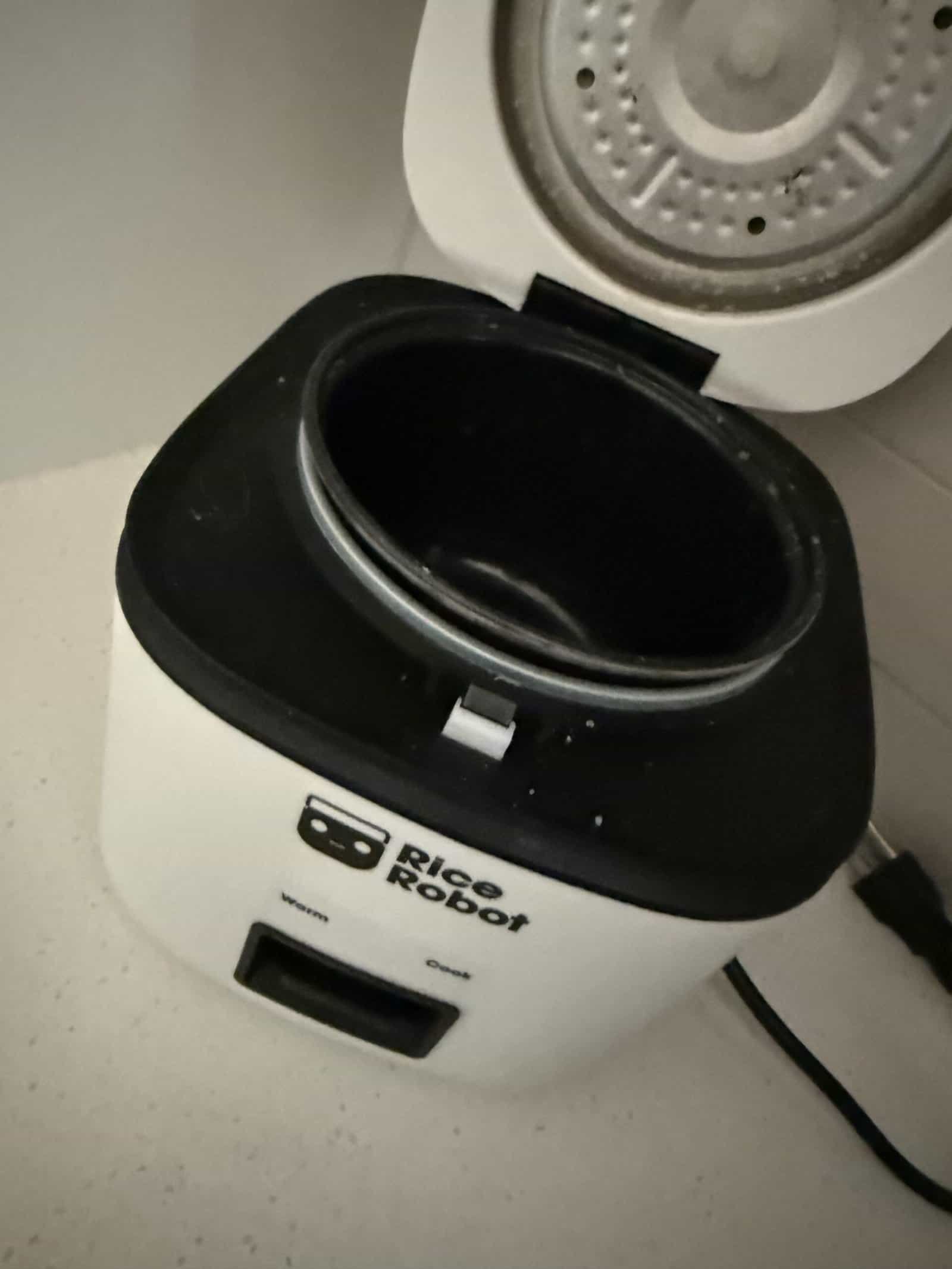
Beyond plain white rice, a rice cooker handles brown rice and other grains, seasoned rice dishes like Spanish rice, and steamed vegetables using a basket above the rice, with simple one-button models best suited to straightforward cooking rather than elaborate recipes. Knowing what to cook in a rice cooker helps you get far more from it. Here are the things that work, drawn from what I actually make, with usage tips in our guide on how to use a rice cooker.
Quick Answer
A rice cooker does far more than white rice. It cooks brown rice and other grains, seasoned rice dishes like Spanish rice, and steams vegetables in a basket above the cooking rice. Simple one-button cookers are best for straightforward rice and grain dishes rather than complex recipes. Add salt, butter, or broth to build flavor, and use the steaming function for easy sides.
Key Takeaways
- Cooks white rice, brown rice, and other grains.
- Great for seasoned dishes like Spanish rice.
- Steams vegetables in a basket above the rice.
- Add salt, butter, or broth for more flavor.
- Simple cookers suit straightforward dishes best.
White and Brown Rice
The foundation, of course, is rice, and a cooker handles both white and brown beautifully. White rice is the everyday staple, coming out fluffy and consistent with almost no effort. Brown rice works too, though it needs more water and a longer cook, which is why some cookers have a dedicated brown-rice setting, while on a simple cooker you just add more water and let it run longer. I make both regularly. Getting perfect rice of either type is the core job a rice cooker does better and more reliably than the stovetop, and it is reason enough to own one even if you never cook anything else in it.
Seasoned Rice Dishes
This is where a rice cooker gets genuinely fun, and it is my favorite use. Rather than plain rice, you can make seasoned rice dishes by adding ingredients before cooking. My go-to is Spanish rice, which I make in the cooker and love having with burritos, and it comes out great with the flavors cooked right into the rice. Cooking rice in broth instead of water, or adding salt, butter, spices, or aromatics, transforms plain rice into a proper side or base for a meal. The cooker handles seasoned dishes as easily as plain rice, so it is well worth branching out beyond the basics.
Other Grains
A rice cooker is not limited to rice. Many other grains cook well in it, including options like quinoa and other grains that cook by absorption, since the cooker’s method suits anything that simmers in a measured amount of liquid. You may need to adjust the liquid ratio and timing for each grain, but the principle is the same as rice. This makes the cooker more versatile than its name suggests, letting it handle a range of grain sides. On a simple one-button cooker, stick to grains with straightforward absorption cooking for the most reliable results.
Steamed Vegetables
Many rice cookers come with a steaming basket, which adds a whole cooking method. You place vegetables in the basket above the cooking rice, and the steam cooks them while the rice cooks below, giving you a side and a base at once. I have steamed vegetables this way a few times and found it handy for a simple, healthy addition to a meal. It is efficient, using the steam that would otherwise be wasted, and it means one appliance produces both your grain and your vegetables. If your cooker includes a steaming tray, it is worth using.
What Works Less Well
A simple rice cooker has limits worth knowing. Elaborate recipes, anything needing precise temperature control, sautéing, or browning are not what a basic one-button cooker is built for, since it essentially does one thing, cook by absorption and steam, very well. Dishes requiring you to brown ingredients first or control heat through stages are better suited to a multi-cooker or the stovetop. Sticking to rice, grains, seasoned rice dishes, and steaming plays to the cooker’s strengths. Trying to force complex cooking into a simple cooker usually disappoints, so match your ambitions to what the appliance does best.
My Go-To Cooks
In my kitchen, the rice cooker earns its place with a handful of regulars. I make white and brown rice often, Spanish rice to go with burritos as my favorite, and I have steamed vegetables in it a few times. I keep it simple, adding salt and butter to the rice, and let the one-button operation do the rest. That range, everyday rice, a flavorful seasoned dish, and the occasional steamed side, covers a lot of meals from one easy appliance, which is exactly why it stays in regular use rather than tucked away in a cabinet.
Building Flavor Into Your Rice
The easiest upgrade is seasoning the rice as it cooks rather than after. Cooking in broth instead of water, or adding salt, butter, and spices before you press start, builds flavor right into the grains, which is how seasoned dishes like Spanish rice come together so easily. From there, the steaming basket adds vegetables to the same cook, and other grains expand the repertoire further. The buying and usage basics are in our guides on choosing a rice cooker and using a rice cooker. A little seasoning turns a plain-rice machine into something that produces genuinely craveable sides with no extra effort.
Recommended Reading
- using a rice cooker, the how-to.
- choosing a rice cooker, buyer guide.
- cleaning a rice cooker, after cooking.
- rice cookers under fifty dollars, for picks.
- a rice cooker versus an Instant Pot, versatility compared.
- machines that handle sushi rice
What to Cook in a Rice Cooker FAQ
Can you cook more than rice in a rice cooker?
Yes, plenty. Beyond white rice, a rice cooker makes brown rice and other grains, seasoned rice dishes like Spanish rice, and steams vegetables in a basket above the rice. Simple cookers suit straightforward absorption cooking rather than complex recipes, but they are more versatile than the name suggests.
Can you make Spanish rice in a rice cooker?
Absolutely, it is one of my favorites. Add your seasonings and ingredients before cooking so the flavors cook into the rice. Cooking in broth and adding spices works well. The cooker handles seasoned rice dishes as easily as plain rice, producing a flavorful side with no stovetop attention.
Can you steam vegetables in a rice cooker?
Yes, if your cooker has a steaming basket. Place vegetables in the basket above the cooking rice, and the steam cooks them while the rice cooks below. It gives you a side and base at once, efficiently using the steam. It is a handy way to make a simple, healthy meal.
Can you cook quinoa and other grains in a rice cooker?
Yes, many grains that cook by absorption, like quinoa, work in a rice cooker. Adjust the liquid ratio and timing for each grain, since they differ from rice. The cooker’s simmer-and-absorb method suits a range of grains, making it more versatile than its name implies.
Can you cook brown rice in a rice cooker?
Yes. Brown rice needs more water and a longer cook than white rice. Some cookers have a dedicated brown-rice setting, while on a simple cooker you add more water and let it run longer. It comes out well, just with a slightly different water ratio and time.
What can you not cook in a simple rice cooker?
Elaborate recipes needing sautéing, browning, or precise temperature control are not suited to a basic one-button cooker, which cooks by absorption and steam. Dishes requiring staged heat or browning are better on the stovetop or in a multi-cooker. Stick to rice, grains, seasoned rice, and steaming.
Can you cook pasta or soup in a rice cooker?
Simple cookers are built for absorption cooking like rice and grains, so pasta and soup are hit or miss and not their strength. Some people improvise, but results vary and it is easy to boil over. For pasta and soup, the stovetop or a multi-cooker is more reliable.
Do you season rice before or after cooking in a rice cooker?
Before, ideally. Adding salt, butter, spices, or cooking in broth before you press start builds flavor into the grains as they cook, which beats seasoning only afterward. I add salt and butter with the rice and water. You can still adjust seasoning at the end to taste.
See the complete guide: the comprehensive choosing a stand mixer guide.
