
Brown rice is where rice cookers get found out. The bran layer left on the grain resists water, which means brown rice needs more liquid and a longer cook than white, and a basic thermostat that simply waits for the water to boil off has no way to give it either. The best rice cookers for brown rice solve that with a dedicated menu that extends the soak and cook, or with pressure that drives moisture through the bran directly. The picks below run from the budget answer up to the machine that genuinely fixes the problem, and the wider category view is in our guide on how to choose a rice cooker.
Quick Verdict
A fuzzy logic cooker with a dedicated brown rice setting is the right answer for most people, since it handles the longer soak and cook automatically. Households where brown rice is a daily staple should step up to pressure induction, which pushes water through the bran faster and produces softer, more even grains. A basic one-button cooker can make decent brown rice if you adjust the water yourself and accept some inconsistency, which is a real option rather than a consolation prize.
Key Takeaways
- Brown rice needs more water and a longer cook than white.
- A dedicated brown rice menu automates both.
- Pressure induction handles the bran best of any tier.
- Basic cookers work if you manage the ratio yourself.
- Soaking beforehand helps on any machine.
How We Picked
We judged this category on one question: how well does the machine deal with a grain that fights water? That meant looking for dedicated brown rice or whole grain menus rather than a generic setting, soak phases built into the cycle, heating methods that hold a long cook without scorching the bottom, and capacity across household sizes. We also included the honest budget option, because plenty of people make perfectly good brown rice in a simple cooker by adjusting the water, and pretending otherwise would sell you a machine you may not need.
Fuzzy Logic with Brown Rice Menu (Best Overall)
A microprocessor-controlled cooker with a dedicated brown rice setting that runs a longer, sensor-adjusted cycle than the white rice program.
Why It Stands Out
This is the tier where brown rice stops being a project. The menu extends the soak and the cook and adjusts as it goes, so you press one button and get properly softened grains instead of the chewy, unevenly cooked result a thermostat produces. For most households it is the whole solution at a sane price.
Worth Knowing
It heats from the base, so very dense grains still take real time. Best for anyone who eats brown rice regularly but not exclusively.
Pressure Induction Cooker (Best Performance)
The top tier combines induction heating with pressure, raising the boiling point so water penetrates the bran faster and more completely.
Why It Stands Out
Pressure is the only approach that attacks the actual problem rather than working around it. Instead of giving the bran more time, it gives the water more force, which produces noticeably softer and more even brown rice in less time. If brown rice is the grain you cook most, this is where the money stops being a luxury and starts being the right tool.
Worth Knowing
Most expensive tier, with a pressure lid and gasket to maintain. Best for households where brown rice is a daily staple.
Multigrain Cooker (Best for Mixed Grains)
Cookers with separate programs for brown rice, mixed grains, and often germinated or GABA rice, each running its own heating curve.
Why It Stands Out
Brown rice is rarely the only whole grain in a kitchen that eats it. If your rotation includes wild rice blends, mixed grains, or other dense options, having a program per grain means the machine holds the recipe instead of you, and our guide on what to cook in a rice cooker covers how far that range extends.
Worth Knowing
Menus you never use are wasted money. Best for households cooking several whole grains regularly.
Simple One-Button Cooker (Best Budget)
The basic thermostat cooker, with no brown rice setting, where you handle the water ratio and accept the machine’s simplicity.
Why It Stands Out
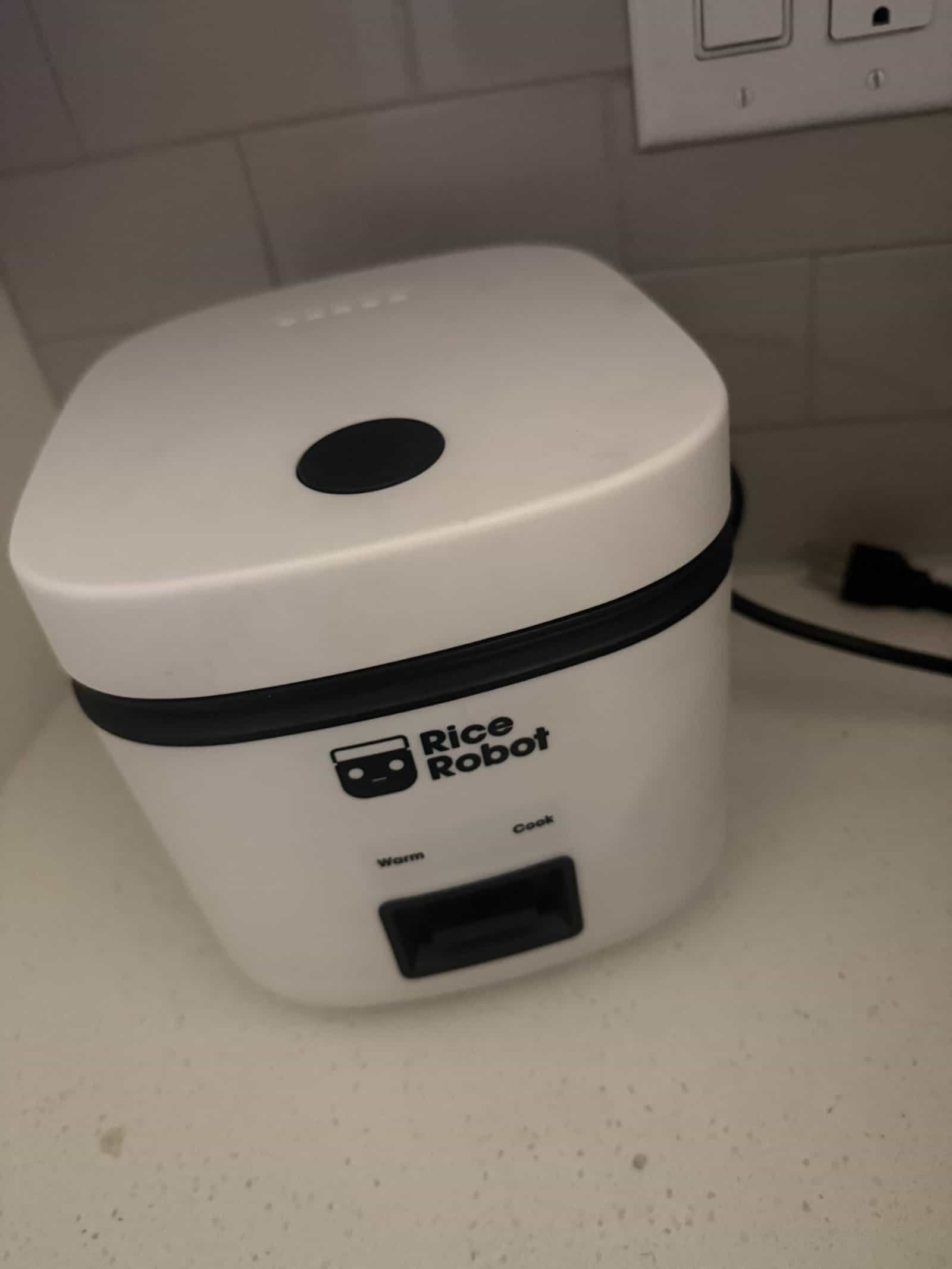
It genuinely works, and it is the honest budget answer. I make brown rice in a simple one-button cooker, using the same ratio I use for white rice, and it comes out well for me. You lose the automation and some consistency, but you spend a fraction of the price, and for occasional brown rice that trade is easy. Most of these live in our roundup of rice cookers under fifty dollars.
Worth Knowing
Results vary more, and you may need to experiment with the ratio. Best for occasional brown rice eaters on a budget.
Large-Capacity Brown Rice Cooker (Best for Batch Cooking)
Bigger machines with brown rice programs, sized for families or for cooking several days of grains at once.
Why It Stands Out
Brown rice takes long enough that batch cooking makes obvious sense, and a large cooker with a proper brown rice menu turns a Sunday into a week of grains. Combined with extended keep-warm, it suits households that eat whole grains as a default rather than an occasion, and our roundup of large rice cookers covers the capacity question in full.
Worth Knowing
Large cookers handle small batches poorly, so size to your real volume. Best for families and dedicated meal preppers.
You can see how much more water brown rice takes before deciding.
Stainless-Interior Brown Rice Cooker (Best Coating-Free)
Machines pairing a brown rice program with a stainless steel inner pot instead of a nonstick coating.
Why It Stands Out
The long cooks that brown rice demands are exactly the conditions that age a nonstick coating, so buyers who cook whole grains often and want the pot to outlive the habit have a real reason to go stainless. It removes the coating wear question from a cooker you plan to work hard.
Worth Knowing
Brown rice sticks readily to stainless, so soaking becomes routine. Best for coating-averse cooks who accept extra cleanup.
Brown Rice Cookers at a Glance
| Type | Best for | Trade-off |
|---|---|---|
| Fuzzy logic with menu | Most brown rice eaters | Base heating only |
| Pressure induction | Daily staple | Priciest, more parts |
| Multigrain | Varied whole grains | Unused menus |
| Simple one-button | Occasional, budget | Manual ratio, less consistent |
| Large capacity | Batch cooking | Poor at small batches |
| Stainless interior | Coating-averse | More sticking |
Why Brown Rice Is Harder
Understanding the problem makes the buying decision obvious. White rice has had its bran and germ milled away, leaving a starchy grain that absorbs water quickly and cooks fast. Brown rice keeps the bran, an oily outer layer that water has to work through before it can reach and soften the starch inside, which is why brown rice takes substantially longer and needs more liquid. A basic cooker cannot see any of that; it is watching for the temperature to climb past boiling, which happens once the water is gone regardless of whether the grain is done. Fuzzy logic solves it with time and sensing, and pressure solves it with force. That is the entire category in one paragraph.
Choosing a Brown Rice Cooker
Match the tier to your frequency
Occasional brown rice needs nothing more than a basic cooker and a willingness to adjust. Regular brown rice justifies a fuzzy logic model with a dedicated menu. Daily brown rice justifies pressure induction, and our roundup of fuzzy logic rice cookers covers where those tiers separate.
Look for a real menu, not a label
A dedicated brown rice program should run a genuinely longer cycle with a soak phase, not simply add minutes to the white rice curve. Machines that treat brown rice as an afterthought produce the same chewy result you were trying to escape.
Soak regardless of what you buy
Soaking brown rice before cooking softens the bran and improves the result on any machine, from the cheapest thermostat to the most expensive pressure cooker. It costs nothing but planning, and it is the single most effective free upgrade available to you.
Get the ratio right
Brown rice wants more water than white, and most cookers mark separate fill lines for it. If your results are consistently wrong, our guide on why rice turns out mushy covers the diagnosis, and the basics are in our guide on how to use a rice cooker.
The Verdict
Buy the fuzzy logic cooker with a dedicated brown rice menu, because it turns the hardest common grain into a one-button job and costs far less than the top tier. Go to pressure induction only if brown rice is what you cook most days, since that is the household where the price difference buys a genuinely better result rather than a slightly better one. And if brown rice is occasional, do not let anyone talk you out of a simple cooker: I make brown rice in a basic one-button machine with the same ratio I use for white, and it works. The upgrade solves consistency and convenience, not edibility.
Getting More From the Machine You Buy
Whatever tier you land on, a few habits improve brown rice more than another hundred dollars of hardware would. Rinse the grain before cooking to clear surface starch, soak it if you have the foresight, and let the finished rice rest on keep-warm for several minutes before fluffing, which lets moisture even out through grains that absorbed it unevenly. Resist opening the lid mid-cycle, since a long cook depends on trapped steam more than a short one does. And give the machine a fair test across a few batches before deciding your ratio is wrong, because brown rice varies by variety and age in ways white rice mostly does not. A cheap cooker used carefully beats an expensive one used carelessly, which is the least marketable fact in this category and one of the truest.
Brown Rice Beyond Plain
Once brown rice works reliably, it stops being a side and starts being a base. It holds up to bowls, absorbs sauces without collapsing, and reheats better than white, which makes it the natural grain for batch cooking a week of lunches, as our roundup of meal prep containers covers on the storage side. Seasoned versions work too: cooking brown rice in broth rather than water builds flavor into the grain the same way it does with white, and a cooker with a steamer basket can put vegetables above the long cycle, covered in our roundup of rice cookers with steamers. The grain that most needs the right machine also rewards it the most.
Best Rice Cookers for Brown Rice FAQ
Do you need a special rice cooker for brown rice?
No, but a dedicated brown rice menu makes it dramatically easier and more consistent. Basic cookers can make good brown rice if you adjust the water and accept some variability. The special machine buys automation and reliability rather than the ability to cook it at all.
What water ratio does brown rice need?
More than white rice, since the bran resists absorption, and most cookers mark separate brown rice fill lines to follow. Ratios vary by rice and by preference, so start with the fill lines and adjust across a few batches until the texture is what you want.
Why does my brown rice come out chewy?
Usually not enough water or not enough time, both symptoms of a machine that cannot manage the bran. Try soaking the rice beforehand, adding water, or using a dedicated brown rice setting. Chewy brown rice is almost always undercooked rather than a property of the grain.
Should you soak brown rice before cooking?
It genuinely helps on any cooker, softening the bran so water reaches the starch faster and the grains finish more evenly. Soaking is the cheapest improvement available and matters most on basic machines without a built-in soak phase.
Is pressure cooking better for brown rice?
Meaningfully, yes. Pressure raises the boiling point so water penetrates the bran faster and more completely, producing softer, more even grains in less time. It is the one approach that addresses the underlying problem rather than compensating for it with duration.
Can you cook brown rice in a basic rice cooker?
Yes. You handle the water ratio yourself and accept more variation, but the result is perfectly good. I do exactly this, using the same ratio as white rice in a simple one-button cooker, and it comes out well for me. Consistency is what you trade away, not quality.
How long does brown rice take in a rice cooker?
Considerably longer than white, since the bran has to be worked through before the starch softens. Dedicated brown rice cycles run notably longer than white programs for exactly that reason, and pressure induction models cut the time by attacking the bran directly.
Recommended Reading
- fuzzy logic rice cookers, the tier that automates it.
- mini rice cookers, for smaller batches.
- cleaning a rice cooker, after the long cooks.
- a rice cooker versus an Instant Pot, the pressure question.
- induction models for tougher grains
For the full rundown, see the comprehensive choosing a stand mixer guide.
