
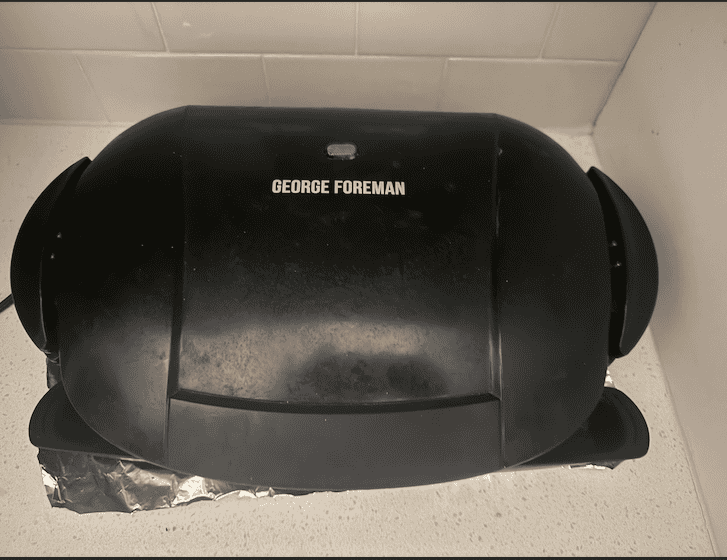
An indoor grill gives you grill marks and rendered fat without a backyard, a propane tank, or a clear-sky forecast. The best indoor grills hold a steady high heat, drain grease away from the food, and wipe clean fast enough that you use them on a weeknight. I have pressed everything from thin chicken cutlets to thick pork chops on a contact grill, and the fold-over plates cook both sides at once so the cut’s thickness stops being a problem. If you want open grates and a sear over a flat plate, a budget electric grill covers the basics, but this guide ranks the indoor styles that handle real cuts of meat. For deeper dives, see our guides on how to choose an indoor grill, cleaning an indoor grill, what to cook on one, whether an indoor grill is worth it, and how they compare with air fryers.
Quick Verdict
A fold-over contact grill is the pick for most kitchens, since it cooks both sides at once and handles thick or thin cuts without flipping. Cooking for a crowd or want true grill marks on one open surface? A smokeless open-grate grill gives you more room and a closer feel to outdoor grilling. For grilling outdoors, our roundup of grill mats covers the sheets that stop small food falling through the grates.
Key Takeaways
- silicone basting brushes
- Contact grills press both sides at once, which cooks thick chops fast and evenly.
- Smokeless and open-grate grills give true grill marks and more surface for a crowd.
- A grease channel or drip tray keeps fat off the food and cuts the smoke.
- Removable, dishwasher-safe plates decide whether you actually clean it after dinner.
- Use a meat thermometer and cook to a safe internal temperature, not by clock or color.
Disclosure: SmartLifeItems is reader-supported. As an Amazon Associate, we earn from qualifying purchases made through links on this page, at no extra cost to you.
How We Picked the Best Indoor Grills
The point of an indoor grill is meat cooked to a safe internal temperature with a good sear, so a thick pork chop should reach 145°F and chicken 165°F without drying out. We weighed how evenly each grill holds heat, how it drains grease, and how quickly it comes apart for cleanup.
We covered contact grills, smokeless open-grate grills, and grill-griddle combos so you can match the machine to how you cook. Picks draw on product design and common kitchen use, not lab testing. More on contact grills and panini presses in the guide we wrote for it.
Contact Grill
Why It Stands Out
A contact grill folds shut over the food and heats both plates, so a chop cooks from the top and bottom at the same time and the thickness stops mattering. The angled plates drain fat into a tray, which keeps the meat out of its own grease and cuts the smoke. This is the style I cook on most, and the fold-over design is what lets me move from a thin cutlet to a thick chop without changing my timing much.
Worth Knowing
The lid presses the food flat, so you trade some height and those deep single-side grill marks for speed and even cooking. A fixed-plate model is harder to clean than one with removable plates.
The everyday pick for fast weeknight chicken, steak, and chops. Cooks who want tall, marked cuts or a large batch will prefer an open grill.
Smokeless Electric Indoor Grill
Why It Stands Out
A smokeless grill uses an open grate over a heat source with a tray of water or a fan below to cut the smoke that thick cuts throw off. You get real grill marks on one flat surface and the look of outdoor grilling at the table. For outdoor cooking with real smoke, pellet grills cover the set-and-forget end of the category.
Worth Knowing
Smokeless means less smoke, not none, so a well-marbled steak still needs a vent or open window. The open design loses more heat than a closed contact grill, which can slow a thick cut.
A strong choice for grill marks, tabletop cooking, and feeding a few people at once. Anyone after the fastest cook on a thick chop gets more from a contact grill.
Indoor Grill and Griddle Combo
Why It Stands Out
A combo unit gives you a ridged grill plate on one side and a flat griddle on the other, so you sear chops on the ridges and cook eggs or pancakes on the smooth half. Reversible or side-by-side plates turn one appliance into two cooking surfaces.
Worth Knowing
Splitting the surface means less room for any single job, so a big batch of chops fills the grill side fast. The plates add weight and take up more cabinet space than a single-purpose grill.
Best for small kitchens that want one machine for grilling and breakfast. A dedicated grill serves you better if you only ever cook meat.
Open-Grate Electric Indoor Grill
Why It Stands Out
An open-grate electric grill sits flat on the counter with raised ridges and a drip channel, giving you tall, marked cuts that a contact grill flattens. It cooks the way an outdoor grill does, one side at a time, with room to spread food out.
Worth Knowing
You flip the food and watch the heat, so it asks more attention than a fold-over grill that cooks both sides at once. Single-side cooking takes longer on a thick chop.
The pick for cooks who want classic grill marks and hands-on control. Busy weeknight cooks who want speed and less watching should stay with a contact grill.
Indoor Grill Press
Why It Stands Out
A grill press works like a contact grill with a heavier hinged top, which crisps paninis and smashes thinner cuts while still searing chicken and chops. The weight of the lid drives more contact for darker marks and faster cooking on flat foods.
Worth Knowing
A press favors flatter foods, so a tall, bone-in cut may not sit evenly under the lid. Many run a single temperature rather than a dial.
Good for sandwiches, smash patties, and quick flat cuts. Thick bone-in chops cook more evenly on a contact grill with adjustable height.
Indoor Grill With Removable Plates
Why It Stands Out
A grill with removable, dishwasher-safe plates solves the cleanup problem that keeps people from using an indoor grill on a busy night. You pop the plates out, drop them in the dishwasher, and the grease tray rinses in the sink.
Worth Knowing
Removable plates cost a little more and the release latches add parts that can wear. Confirm the plates handle dishwasher heat before you load them.
The pick if cleanup is what stops you from grilling indoors. Anyone on a tight budget can scrub a fixed-plate grill by hand instead.
Indoor Grill Comparison at a Glance
| Pick | Type | Best for | Trade-off |
|---|---|---|---|
| Contact grill | Fold-over, both sides | Fast chops, thick or thin | Flattens food, fewer marks |
| Smokeless grill | Open grate, low smoke | Grill marks, tabletop | Some smoke, loses heat |
| Grill and griddle combo | Two surfaces | Small kitchens, breakfast | Less room per job |
| Open-grate grill | Single-side ridges | Tall marked cuts | Needs flipping, slower |
| Grill press | Heavy hinged top | Paninis, flat cuts | Poor fit for tall cuts |
| Removable-plate grill | Dishwasher plates | Easy cleanup | Costs more, more parts |
How to Choose an Indoor Grill
Pick the Type for How You Cook
Choose a contact grill if you want speed and even cooking on chops and chicken without flipping. Pick an open-grate or smokeless grill if grill marks and a closer feel to outdoor cooking matter more than raw speed.
Look at the Plate Surface and Drainage
Ridged plates give you sear lines and let fat run off, while a grease channel or tray keeps that fat away from the food and lowers the smoke. A sloped surface that drains into a removable tray beats a flat plate that pools grease.
You can find out what causes the smoke before you buy before deciding.
You can see which plates are dishwasher safe before buying before deciding.
Check the Heat and Temperature Control
A grill that holds a high, steady heat sears better and recovers faster when cold meat hits the plate. A dial or preset lets you drop to a gentler heat for chicken and push hotter for a steak crust. A ridged grill pan on the stove can stand in for one cut, but an electric grill holds its setting hands-free.
Plan for Cleanup Before You Buy
The grill you clean easily is the grill you keep using, so removable dishwasher-safe plates earn their cost for most cooks. If you buy a fixed-plate model, wipe it while it is still warm so the grease lifts instead of baking on.
Contact Grill vs Open-Grate Indoor Grill
Contact Grill: Speed and Even Cooking
A contact grill closes over the food and heats both sides at once, so a thick chop reaches a safe temperature fast and you skip the flip. It presses the food flatter and trades deep single-side marks for a quicker, hands-off cook.
Open-Grate Grill: Marks and Control
An open-grate grill keeps the height and gives you the classic ridged marks, but you flip the cut and manage the heat yourself. It rewards cooks who want to watch the sear over those who want dinner off the grill in a hurry.
What to Cook on an Indoor Grill
Chicken, Steak, and Chops
Meat is where an indoor grill earns its place, and thickness drives the approach. Thin cutlets cook fast and dry out if you walk away, so a contact grill that closes over them finishes the job before they toughen. Thick chops and steaks need the heat to reach the center without burning the crust, which is why I lean on a fold-over grill that works both sides at once and check the middle with a thermometer rather than guessing. Let a thick cut rest a few moments off the heat so the juices settle.
Vegetables, Seafood, and Sandwiches
Sturdy vegetables like peppers, zucchini, and onions char well on ridged plates and pick up the same marks as meat. Fish fillets and shrimp cook quickly and can stick, so oil the plates and give seafood a clean, hot surface. A grill press or contact grill doubles as a panini maker, which turns leftover bread and cheese into a fast lunch.
Get a Better Sear Indoors
Preheat Until It Is Actually Hot
A sear happens when meat meets a surface that is already hot, so the wait for the grill to come up to heat is not optional. Food added to a warm-but-not-hot plate sticks and steams, then releases gray instead of browned. Give the grill the full preheat, even when you are hungry.
Dry the Surface and Give It Room
Pat the meat dry before it hits the plate, since surface moisture turns to steam and blocks browning. Crowding does the same thing by dropping the plate temperature and trapping moisture between pieces, so cook in batches if your grill runs small. A dry cut on a hot, uncrowded surface is what gives you marks and a crust.
Indoor Grill Accessories Worth Having
An Instant-Read Thermometer
The single tool that changes indoor grilling is a fast thermometer, because it ends the guesswork on a thick cut. You pull chicken and pork at a safe internal temperature instead of slicing in to check, which keeps the cut juicy. It pays for itself the first time it saves a pork chop from going dry.
Cleaning and Plate Tools
A nylon scraper made for grill grooves lifts stuck bits without scratching the nonstick, and a set of heat-safe tongs keeps your hands clear of the plates. A grease cup liner or a spare drip tray makes cleanup faster on the nights you least feel like scrubbing. None of these cost much, and each one removes a reason to skip the grill.
Recommended Reading
Common Indoor Grill Mistakes to Avoid
A few habits turn a good indoor grill into a smoky mess.
Skipping the Thermometer
Color and time fool you on a thick cut, and an indoor grill cooks fast. Check the internal temperature so chicken hits 165°F and pork reaches 145°F before you plate it.
Grilling on a Cold Plate
Food laid on a grill that has not finished heating sticks and steams instead of searing. Let the grill reach its set heat, then add the meat for marks and release.
Ignoring the Grease Tray
A full or missing drip tray sends fat onto the element and feeds the smoke. Empty the tray between batches and set it before you start.
Letting It Cool Before Cleaning
Grease that cools on the plates bakes into a film that fights the sponge. Wipe a warm grill or pull the plates for the dishwasher while the residue is still soft.
Frequently Asked Questions
What is the best indoor grill?
A fold-over contact grill works for most kitchens, since it cooks both sides at once and handles thick or thin cuts without flipping. If grill marks and tabletop cooking for a few people matter more, a smokeless open-grate grill is the better fit.
Do indoor grills really cook thick pork chops and steak?
Yes, and a contact grill is the fastest at it because both plates heat the cut at the same time. Use a thermometer and pull pork at 145°F and chicken at 165°F so a thick cut finishes safely without overcooking the outside.
Are smokeless indoor grills actually smokeless?
They cut smoke with a water tray or fan, but a fatty steak still puts off some smoke, so run a vent or crack a window. The trade keeps most of the grilling feel with far less haze than an open pan.
Contact grill or open-grate grill for a small kitchen?
A contact grill saves time and counter watching and cleans up small, which suits a tight kitchen and weeknight cooking. An open-grate grill earns its space if you care most about tall cuts and classic marks.
How do I clean an indoor grill?
Pull removable plates and run them in the dishwasher, then rinse the grease tray in the sink. For a fixed-plate grill, wipe it while it is still warm so the grease lifts before it bakes on.
What temperature should I cook meat on an indoor grill?
Cook to a safe internal temperature rather than by time: 165°F for chicken, 145°F for pork and whole cuts of beef, with a short rest. A meat thermometer is the only reliable way to check a thick cut.
Can you use an indoor grill in an apartment?
Yes, and a contact grill or a smokeless open-grate grill suits apartments best because both cut the smoke a thick cut throws off. Run the range hood or crack a window for fatty cuts, empty the grease tray between batches, and the haze stays manageable.
What can you cook on an indoor grill besides meat?
Sturdy vegetables like peppers, zucchini, and onions char well, and shrimp or fish fillets cook fast on an oiled plate. A contact grill or press also makes paninis, so the same machine handles lunch and dinner.
Related Reading
Explore more: steam mops, and tea kettles.
- If steak is why you are here, how a grill compares for steak.
- how to organize your kitchen
- slow cookers under 50
- cold brew coffee makers under 50
