
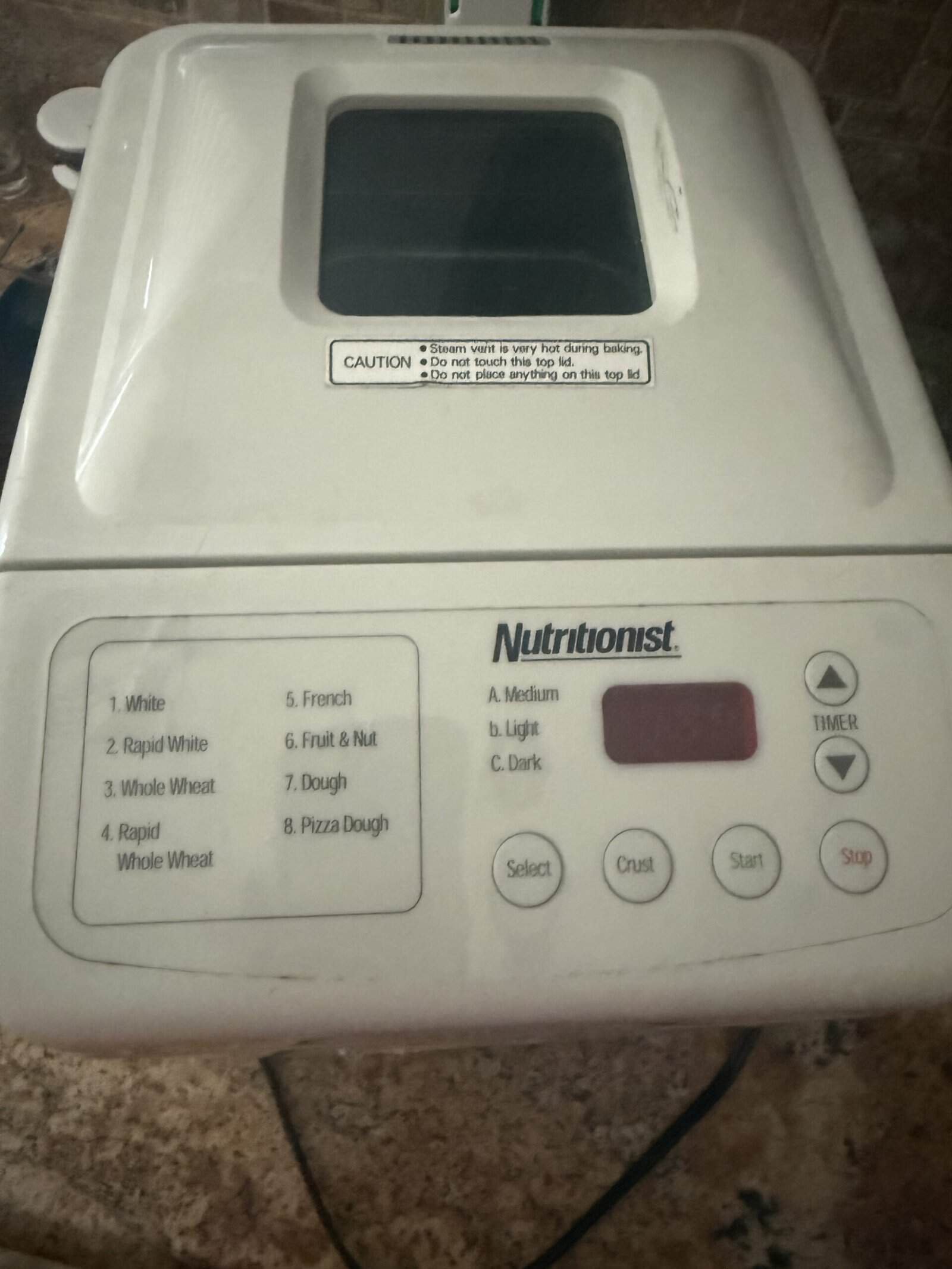
One of the most useful things a bread machine does is not baking at all: its dough cycle handles the mixing, kneading, and first rise, then you take the dough out, shape it by hand, and bake it in the oven. This gives you the hands-off convenience of the machine with the crust, shape, and oven-baked results you cannot get from the machine’s own bake. I do this regularly with my own bread machine, and this guide walks through how it works and why it is worth doing. For the basics first, see our guides on how to use a bread machine and how to make white bread in a bread machine.
Quick Answer
Using a bread machine’s dough cycle, then baking in the oven, lets the machine handle the mixing, kneading, and first rise while you shape the dough by hand and bake it in the oven for a better crust and shape. Run the dough cycle, turn the dough out and shape it, let it rise a second time, then bake until golden. It combines the machine’s convenience with oven-baked results.
Key Takeaways
- The dough cycle mixes, kneads, and rises the dough once, then stops so you can shape and oven-bake it.
- Baking in the oven gives you control over shape and a crisp, golden crust the machine cannot.
- The machine still handles the messy mixing and kneading, keeping it hands-off.
- Watch the dough through the window and add mix-ins at the beep.
- Always give the shaped dough a second rise before baking, or the loaf comes out dense.
Why Use the Dough Cycle Instead of Baking in the Machine
The machine’s own bake is convenient, but taking the dough out to finish in the oven gives you results a bread machine simply cannot. This is the main reason I do it.
You control the shape
Baked in the machine, bread comes out in the tall, square shape of the pan, often with a hole from the paddle. When I take the dough out to bake in the oven, I can shape it into a proper round, a batard, rolls, or a loaf pan, which looks and slices far better. Shaping is the biggest reason to use the dough cycle.
You get a better crust
A bread machine bakes in an enclosed, steamy environment, so the crust stays soft and pale. The oven gives a proper crisp, golden crust all around, which for me is worth the extra step. It is the difference between machine bread and something closer to bakery bread.
The machine still does the hard part
The dough cycle handles the messy, time-consuming mixing, kneading, and first rise, which is the part most people want to skip. You get that hands-off convenience and still finish with a hand-shaped, oven-baked loaf. It is the best of both approaches.
How the Dough-Then-Oven Method Works
The process is straightforward once you have done it once, and it is how I use my machine much of the time. Here is the general flow.
Run the dough cycle
Add your ingredients as your machine directs and select the dough cycle, which mixes, kneads, and lets the dough rise once, then stops without baking. On my machine I can watch the mixing and kneading through the viewing window, which makes it easy to see when the dough has come together into a smooth ball. Follow your machine’s manual for ingredient order and quantities.
Turn out and shape
When the cycle finishes, turn the dough out onto a lightly floured surface, gently deflate it, and shape it into whatever you want: a round, an oval, rolls, or a loaf-pan shape. This is the hands-on, satisfying part, and it is where you decide what the finished bread looks like. A light touch keeps the crumb airy.
Second rise, then bake
Let the shaped dough rise again until puffy, then bake in a preheated oven until golden and hollow-sounding when tapped. Baking on a sheet, in a loaf pan, or in a covered pot each gives a slightly different result. A {L(‘best-cooling-racks-for-baking’,’cooling rack’)} lets it cool without going soggy underneath.
Tips From Using the Dough Cycle
A few things I have learned make the dough-then-oven method easier and more reliable.
Watch the dough, not just the timer
Through the viewing window you can see whether the dough is too wet or too dry during kneading, and add a little flour or water if needed. Learning what a good dough ball looks like matters more than following the timing exactly. The window makes this easy to judge.
Add mix-ins at the beep
If you are adding things like cheese, herbs, or jalapeños, wait for the machine’s mix-in beep so they get folded in without being pulverized during the main knead. My machine beeps partway through, and adding mix-ins then keeps them in recognizable pieces. Check when your machine signals for add-ins.
Do not skip the second rise
After shaping, the dough needs to rise again before baking, or the loaf comes out dense. Giving it time to puff up is what makes an oven-baked loaf light. If your kitchen is cold, our guide on {L(‘why-is-my-dough-not-rising-in-a-cold-kitchen’,’dough not rising in a cold kitchen’)} can help.
Once you get comfortable with it, the dough cycle becomes one of the most useful settings on the machine, giving you hand-shaped, oven-baked bread with almost none of the manual work.
Recommended Reading
- How to Use a Bread Machine
- How to Make White Bread in a Bread Machine
- Why Dough Does Not Rise in a Cold Kitchen
- Best Cooling Racks for Baking
- setting up a home baking station
Frequently Asked Questions About the Dough Cycle
What does the dough cycle on a bread machine do?
The dough cycle mixes, kneads, and lets the dough rise once, then stops without baking, so you can take the dough out to shape and bake yourself. It handles the labor-intensive part while leaving the shaping and baking to you.
Why bake bread machine dough in the oven?
Baking in the oven lets you shape the dough properly and get a crisp, golden crust that a bread machine’s enclosed bake cannot produce. You keep the machine’s hands-off mixing and kneading while getting oven-baked results.
How do I use the dough cycle then bake in the oven?
Run the dough cycle, turn the dough out and shape it, let it rise a second time until puffy, then bake in a preheated oven until golden and hollow-sounding. It combines the machine’s convenience with hand-shaped, oven-baked bread.
Do I need to let bread machine dough rise again after shaping?
Yes, after shaping the dough needs a second rise until puffy before baking, or the loaf will be dense. This second rise is what gives an oven-baked loaf its light texture.
Can I shape bread machine dough into rolls?
Yes, once the dough cycle finishes you can shape the dough into rolls, a round, a loaf, or other shapes, then bake them in the oven. Shaping freedom is one of the main advantages of using the dough cycle.
What can I make with the bread machine dough cycle?
You can make almost any shaped bread: dinner rolls, round loaves, sandwich loaves, pizza dough, and enriched doughs like cinnamon rolls. The machine does the mixing and first rise, and you shape and bake the rest.
Why does my machine have a viewing window?
A viewing window lets you watch the dough mix and knead so you can judge whether it is too wet or dry and see when it forms a smooth ball. It is genuinely useful for learning what good dough looks like during the cycle.
Sources
- General home-baking guidance from established baking and food information sources.
Appliance choices sit inside a wider kitchen plan. choosing cookware and equipment covers what earns space.
