
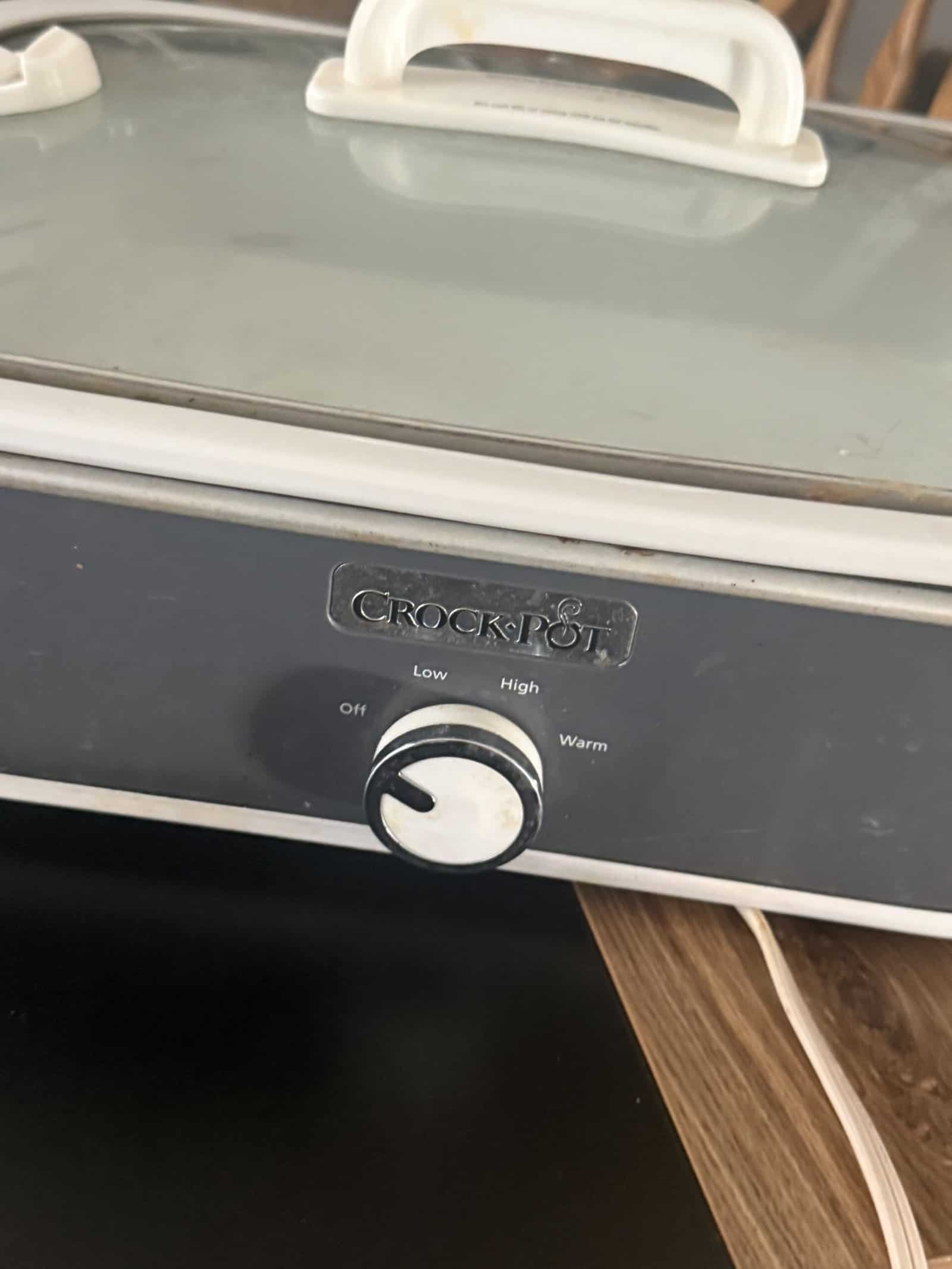
Cleaning a slow cooker is close to a non-event, and that is worth saying plainly because the internet has built an industry of hacks around a problem most people do not have. The insert goes in the dishwasher. The base gets wiped. The lid gets washed. There is no step four, and if something has genuinely welded itself to your insert, you cooked the wrong thing rather than owning the wrong appliance. For more on this, see our guide to slow cooker liners.
Quick Verdict
Let the insert cool, then run it through the dishwasher. Wipe the base with a damp cloth and never submerge it. Wash the lid by hand if it is glass with a metal rim. Liners are a convenience, not a rescue. Soaking handles anything stubborn without scrubbing.
Key Takeaways
- Most inserts are dishwasher safe. Check yours once, then stop thinking about it.
- Never submerge the base. It holds the element and the wiring.
- Let it cool first. Thermal shock cracks ceramic inserts.
- Soaking beats scrubbing on every count, including your time.
- Liners are for convenience. They do not fix a cleaning problem you do not have.
The Whole Job
| Part | How | Never |
|---|---|---|
| Insert (ceramic or stoneware) | Cool it, then dishwasher | Cold water into a hot insert |
| Lid (glass) | Dishwasher, or hand wash if metal-rimmed | Nothing to worry about |
| Base (the electric part) | Damp cloth, dry cloth | Submerging it. Ever. |
| Stuck-on ring | Warm water, soak, wipe | Metal scourers on ceramic glaze |
Mine Does Not Get Dirty in Any Interesting Way
Let me be honest about my own experience here, because it sets expectations.
Nothing sticks or stains in my Crock-Pot. The insert is dishwasher safe and it is easy to clean, and after a couple of years of use it does not look meaningfully different than it did. I use liners usually, which means the insert often barely touches food at all.
That is not a testimonial for a brand. It is what happens when you cook the right things in one. Soups, riblets, au jus, and other liquid dishes do not bake onto anything, because there is water in there the entire time. The slow cooker horror stories tend to come from low-liquid recipes cooked hot, which is not what the appliance is for anyway.
So my honest position: if your slow cooker is hard to clean, look at what you are cooking in it before you look for a better cleaning method. The dishes that suit it are also, not coincidentally, the ones that rinse out.
Let It Cool First
This is the one real rule and it is about the insert rather than about you.
Ceramic and stoneware do not like sudden temperature changes. Taking a hot insert to a cold tap is how you crack one, and a cracked insert is the end of that slow cooker as a unit, since replacements often cost more than the appliance did.
So it sits until it is comfortable to handle. That is not a chore, it is just waiting, and dinner is happening anyway. The same principle applies going the other way: a cold insert straight from the fridge into a preheated base is the same shock in reverse.
The Insert Goes in the Dishwasher
Almost every modern slow cooker insert is dishwasher safe, and mine is. Check the manual once so you know, and then never think about it again.
That single fact is what makes this appliance genuinely low-effort. The pot you cooked in goes in the machine that cleans pots, and you are done. There is no seasoning to protect, no coating to baby, and no reason to hand wash it out of caution.
Where hand washing earns its place: an insert so full that it will crowd the dishwasher, or a household that runs the dishwasher rarely. Warm water and a normal sponge handles it in a minute either way.
The Base Never Gets Submerged
The base is the electrical half of the appliance. It contains the heating element and the wiring, and there is nothing in there that benefits from being underwater.
A damp cloth on the inside and outside, then a dry one. If something spilled between the insert and the base, which happens, the same cloth handles it once it has cooled. Do not fill the base with water to soak a spill. Do not run it under the tap.
This is the one mistake in the category that ends the appliance rather than inconveniencing you.
The Ring, and Why Soaking Wins
The one thing that does show up is a ring where the liquid line sat during a long cook. It is mineral and food residue, it is cosmetic, and it comes off with almost no effort.
Warm water and time. Fill the insert, leave it while you eat, come back and wipe. That is the entire method and it outperforms scrubbing on every measure including how long you spend standing at a sink.
What not to reach for: metal scourers and abrasive powders. Ceramic inserts have a glaze, and the glaze is what makes them easy to clean. Scratch it and you have manufactured the sticking problem you did not previously have. It is the same logic as not taking steel wool to a nonstick pan: the surface is the feature.
Liners: Convenience, Not Rescue
I usually use liners, and I want to be clear about why, because it is not what you would assume.
It is not because cleaning is hard. Nothing sticks or stains in mine and the insert is dishwasher safe. The liner is pure convenience: lift, bin, done, and the insert barely needs a rinse.
So liners are worth it if you value that, and they are entirely optional. If you are buying them because you have heard slow cookers are a nightmare to clean, you are solving a problem that does not exist. And they only work in a slow cooker, so they are not a general kitchen purchase.
Smell, Storage, and the Long Game
Two small things that come up over years rather than after dinners.
Ceramic does not hold odors the way plastic does, so a slow cooker that smells is a slow cooker that was put away damp. Dry it fully before it goes in a cupboard, and store the lid off or ajar rather than sealed on, which lets air move.
Staining is largely a non-issue on a glazed insert. Tomato-heavy dishes can leave a faint tint on some surfaces, and it fades. It is cosmetic and it does not affect anything. Mine does not stain at all, which I attribute to the glaze rather than to any care I take.
Compare that to cast iron, where the maintenance is genuinely a routine, and the slow cooker looks like the least demanding thing in the kitchen. It probably is. That is worth knowing when you decide how much you will actually use it, since ease of cleanup is what determines whether an appliance stays on the counter or migrates to a cupboard.
Recommended Reading
See what to cook in one and running it all day. Compare a Dutch oven. For picks, see slow cookers under fifty, programmable models, and Instant Pots.
Cleaning a Slow Cooker FAQ
Is a slow cooker insert dishwasher safe?
Almost always, and mine is. Check your manual once so you know for certain, then stop thinking about it. That single fact is what makes this appliance genuinely low-effort: the pot you cooked in goes into the machine that cleans pots. It is worth confirming when you shop, since even the timer-equipped models vary on it. There is no coating to protect and no seasoning to preserve.
Can I put the slow cooker base in water?
Never. The base holds the heating element and the wiring, and submerging it is the one mistake in this category that ends the appliance rather than just annoying you. A damp cloth inside and out, then a dry one. That covers every spill it will ever see.
Why does my slow cooker insert have a ring around it?
That is where the liquid line sat during a long cook, and it is mineral and food residue. It is cosmetic and it comes off with warm water and time. Fill the insert, leave it while you eat, wipe it when you come back. Soaking beats scrubbing on every measure, including how long you spend at the sink.
Do slow cooker liners actually help?
They are convenient rather than necessary. I use them usually, and not because cleaning is hard: nothing sticks or stains in mine and the insert goes in the dishwasher. The liner just means lift, bin, done. If you are buying them because you heard slow cookers are hard to clean, you are solving a problem you do not have.
Can I put a hot slow cooker insert in cold water?
No, and this is the one real rule. Ceramic and stoneware crack under sudden temperature changes, and a cracked insert usually costs more to replace than the whole appliance did. Let it cool until it is comfortable to handle. The same applies in reverse: no cold insert into a preheated base.
What should I never use to clean a slow cooker?
Metal scourers and abrasive powders on the insert. The glaze is what makes ceramic easy to clean, so scratching it manufactures the sticking problem you did not previously have. It is the same logic as keeping steel wool away from a nonstick pan: the surface is the feature.
Why does my slow cooker smell?
It went into the cupboard damp. Ceramic does not hold odors the way plastic does, so a smell almost always means moisture got trapped. Dry it fully and store the lid off or ajar rather than sealed on, so air can move through it.
Do slow cookers stain?
Barely, on a glazed insert. Tomato-heavy dishes can leave a faint tint on some surfaces and it fades. It is cosmetic and affects nothing. Mine does not stain at all, which is the glaze doing its job rather than anything careful on my part.
See the complete guide: the comprehensive choosing a stand mixer guide.
