
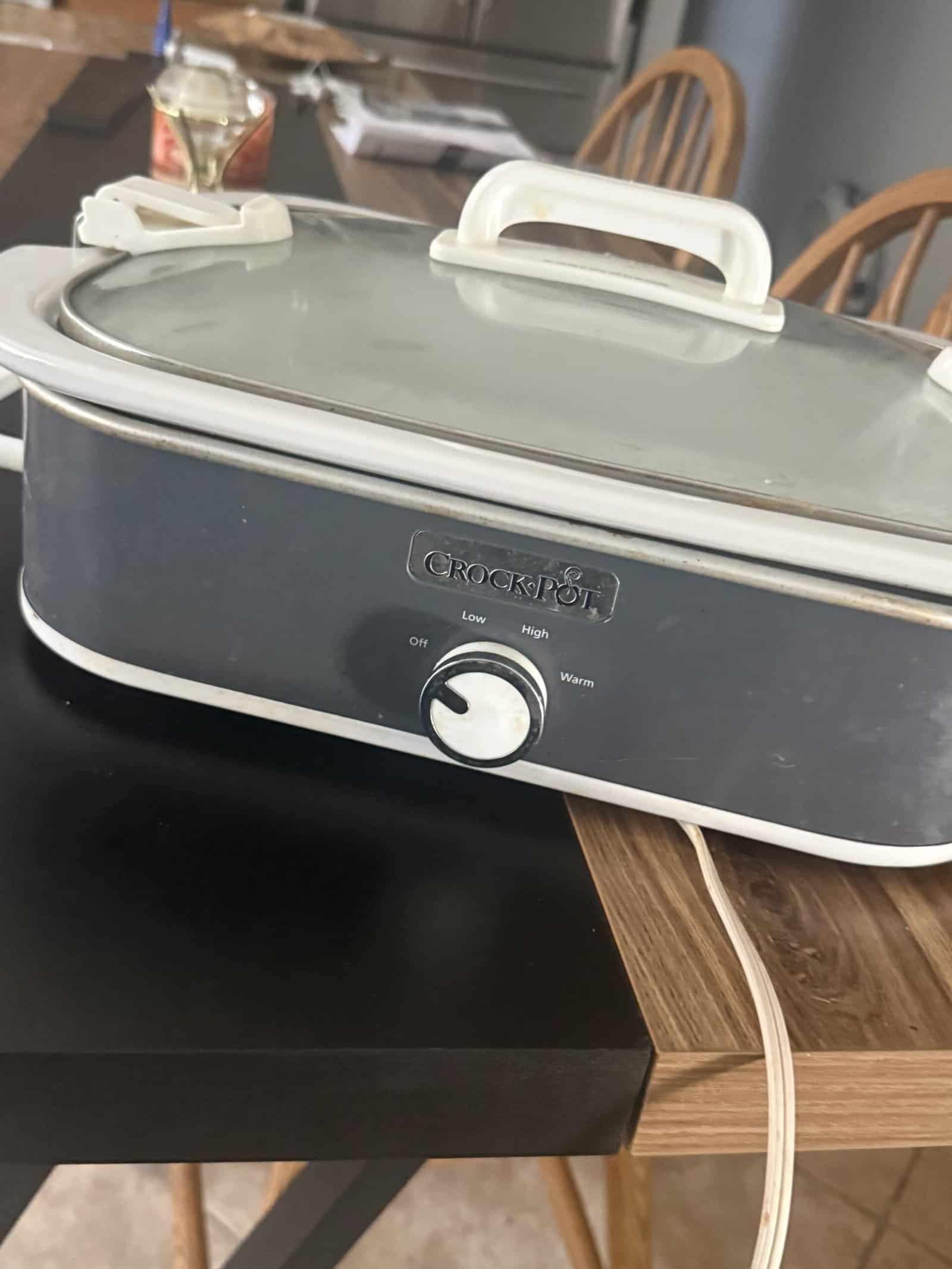
A slow cooker earns its counter space on a narrow set of dishes and wastes it on everything else. The test is simple: does the food get better with eight hours, or does it merely survive them? Soups, tough cuts, and anything built on liquid pass. Most other things fail, and no amount of enthusiasm changes that. See also our guide to whether the programmable version is worth it.
Quick Verdict
Cook soups, stews, tough cuts of meat, beans, and anything where liquid and time do the work. Skip anything that needs browning, crisping, or precise timing. If a dish is good after eight hours, it belongs here. If it is merely edible, cook it another way.
Key Takeaways
- Liquid plus time is the whole brief. Dry heat belongs elsewhere.
- Tough cuts are the point. Expensive tender ones are wasted in it.
- No browning happens in a slow cooker. Do that in a pan first if you care.
- Soups are the most reliable category by a wide margin.
- An appliance used twice a month for the right dish beats one used weekly for the wrong ones.
Related: is my slow cooker food watery.
What Works and What Does Not
| Category | Verdict | Why |
|---|---|---|
| Soups and stews | Ideal | Liquid, time, forgiving. The core use. |
| Tough cuts: shoulder, ribs, chuck | Ideal | Connective tissue needs hours to break down |
| Beans and legumes | Good | Long, wet, unattended |
| Stocks and jus | Good | Low simmer for hours is exactly right |
| Chicken breast | Poor | Lean and tender already. It just dries out. |
| Anything crisp or browned | No | A sealed wet box cannot brown |
| Pasta, rice, delicate fish | No | Timing matters and the slow cooker has none |
The Rule Underneath All of It
A slow cooker is a sealed box that holds a low temperature in a wet environment for a long time. Everything it is good at and everything it is bad at follows from that sentence.
Wet means no browning, no crisping, no crust. The Maillard reaction that makes seared meat taste like seared meat needs dry heat above what a slow cooker will ever reach. If a dish depends on that, the slow cooker cannot deliver it and no setting will change that.
Long means the food has to want hours. Collagen in tough cuts turns to gelatin over a long wet cook, which is why a cheap shoulder becomes better than an expensive loin would in the same pot. Something already tender has nothing to gain and hours to lose.
What Actually Comes Out of Mine
My Crock-Pot gets used about once every couple of weeks, which is pretty often for a crockpot, and the rotation is narrow on purpose.
Chicken tortilla soup is the one that shows up most. Riblets go in it. I do other soups, and I have done au jus in it as well. That list is not short because I lack imagination; it is short because it is the list of things that are genuinely better for having spent the day in there.
Notice what those have in common. Every one is liquid-based, every one is forgiving about timing, and every one rewards a long low simmer that would need babysitting on a stove. The au jus is a good example: a low simmer for hours is exactly the thing a slow cooker does effortlessly and a stovetop makes you supervise.
Twice a month for the right dishes is a better return than weekly for the wrong ones. An appliance does not have to be busy to be worth owning.
Soups Are the Safest Bet
If you own a slow cooker and use it for nothing else, use it for soup.
Soup is forgiving in the exact ways a slow cooker demands. It does not care about a precise finish time. It has enough liquid that nothing catches. It improves with a long low simmer, and the flavors have time to do something rather than merely combine. And nobody has ever wanted a crisp soup.
Chicken tortilla soup works particularly well because the chicken goes in raw and shreds at the end, which is the slow cooker doing the one piece of knife work you would otherwise do yourself. Any of these can move to another appliance, and the same dish under pressure or in the oven comes with times for each one.
Tough Cuts Are the Point
The economic argument for a slow cooker lives here.
Shoulder, chuck, shanks, ribs, and riblets are cheap because they are full of connective tissue, and connective tissue is a problem for fast cooking and an asset for slow. Eight hours turns it into gelatin, which is the difference between chewy and unctuous.
The inverse holds and people learn it the hard way: a lean, tender, expensive cut in a slow cooker comes out worse than it went in. Chicken breast is the classic mistake. It is already tender, it has nothing to break down, and eight hours only gives it time to dry out. Save the money and buy thighs.
Brown It First, If You Care
The honest caveat on everything above: a slow cooker cannot brown, and browning is where a lot of flavor lives.
You can ignore this and the food is still good. Or you can sear the meat in a pan first and then transfer it, which takes ten minutes and noticeably improves the result. I would not call it optional for a stew and I would call it optional for a soup.
This is where my cast iron and the Crock-Pot end up working together rather than competing, since the skillet does the browning the slow cooker cannot. If having to dirty a second pan bothers you, that is a real argument for a Dutch oven instead, where searing and braising happen in the same vessel.
Things That Do Not Belong In It
A short list, and every item is something people try anyway.
Pasta turns to paste, because it needs a precise window and the slow cooker does not have one. Rice is a similar problem, and there is an appliance built for that which does it better for less money. Delicate fish overcooks before you have left the room. Dairy splits over a long cook, so cream goes in at the end or not at all. And anything you want crisp is a category error rather than a technique problem.
Timing, and the Lid
Low for eight hours is the setting the appliance was built around, and a unit that can end the cook itself is worth it if your day runs longer than your recipe. High for four exists for the days you started late, and it trades some texture for speed.
The lid stays on. Every time you lift it you dump the heat the machine spent an hour accumulating, and a slow cooker has no power to spare for recovery. This is the instinct worth suppressing, because a sealed box left alone is the entire mechanism. If you want to stir things and check on them, you want a pot on a stove.
Liners are worth mentioning here since they interact with cleanup rather than cooking. I usually use them, though nothing sticks or stains in mine anyway. Cleaning is easy either way, and the long unattended cook is what all of this is in service of.
Recommended Reading
See running one all day and cleaning it. Compare a Dutch oven or an Instant Pot. For picks, see slow cookers under fifty and timer-equipped models.
What to Cook in a Slow Cooker FAQ
What is the best thing to cook in a slow cooker?
Soup, and it is not close. Soup is forgiving about timing, has enough liquid that nothing catches, and genuinely improves over a long low simmer. Chicken tortilla soup is the one that comes out of mine most often. If you use your slow cooker for exactly one category, make it this one.
What should you not cook in a slow cooker?
Anything that needs browning, crisping, or precise timing. Pasta turns to paste. Rice belongs in a rice cooker. Delicate fish overcooks before you leave the room. Dairy splits, so cream goes in at the end. And lean tender cuts like chicken breast just dry out, since they have nothing to break down.
Why do tough cuts work so well in a slow cooker?
Because connective tissue turns to gelatin over a long wet cook, which is exactly what a slow cooker provides and exactly what fast cooking cannot. That is why a cheap shoulder beats an expensive loin in the same pot. Riblets are a good example: cheap, tough, and transformed by hours.
Do I need to brown meat before slow cooking?
Not strictly, and the food is still good without it. But a slow cooker cannot brown anything, since browning needs dry heat it will never reach, so searing in a pan first adds flavor that is otherwise unavailable. Ten minutes of work for a noticeable improvement. I would do it for a stew and skip it for a soup.
How often should I expect to use a slow cooker?
Less than you think, and that is fine. Mine gets used about once every couple of weeks, which is pretty often for a crockpot. It is not a daily appliance. It is for the dishes that genuinely want eight hours, and those do not come along every day. An appliance does not need to be busy to earn its space.
Can I make stock or au jus in a slow cooker?
Yes, and it is one of the better uses. A low simmer for hours is precisely what stock wants, and it is the thing a stovetop makes you supervise. I have done au jus in mine. The slow cooker does effortlessly what a pot on the stove needs you to watch.
Should I use low or high?
Low for anything long, which is most of what belongs in there. Low holds a simmer and gives connective tissue the hours it needs. High is the setting for when you started late, and it trades texture for speed. If your day is eight hours, use low even when the recipe offers a four-hour high option.
Can I lift the lid to check on it?
Try not to. Every lift dumps the heat the machine spent an hour building, and a slow cooker has no spare power to recover quickly. It is a sealed box and being left alone is the whole mechanism. If you want to stir and taste as you go, you want a pot on a stove instead.
If soup is the main reason you use it, the rest of the kit for making soup.
See the complete guide: the comprehensive choosing a stand mixer guide.
