
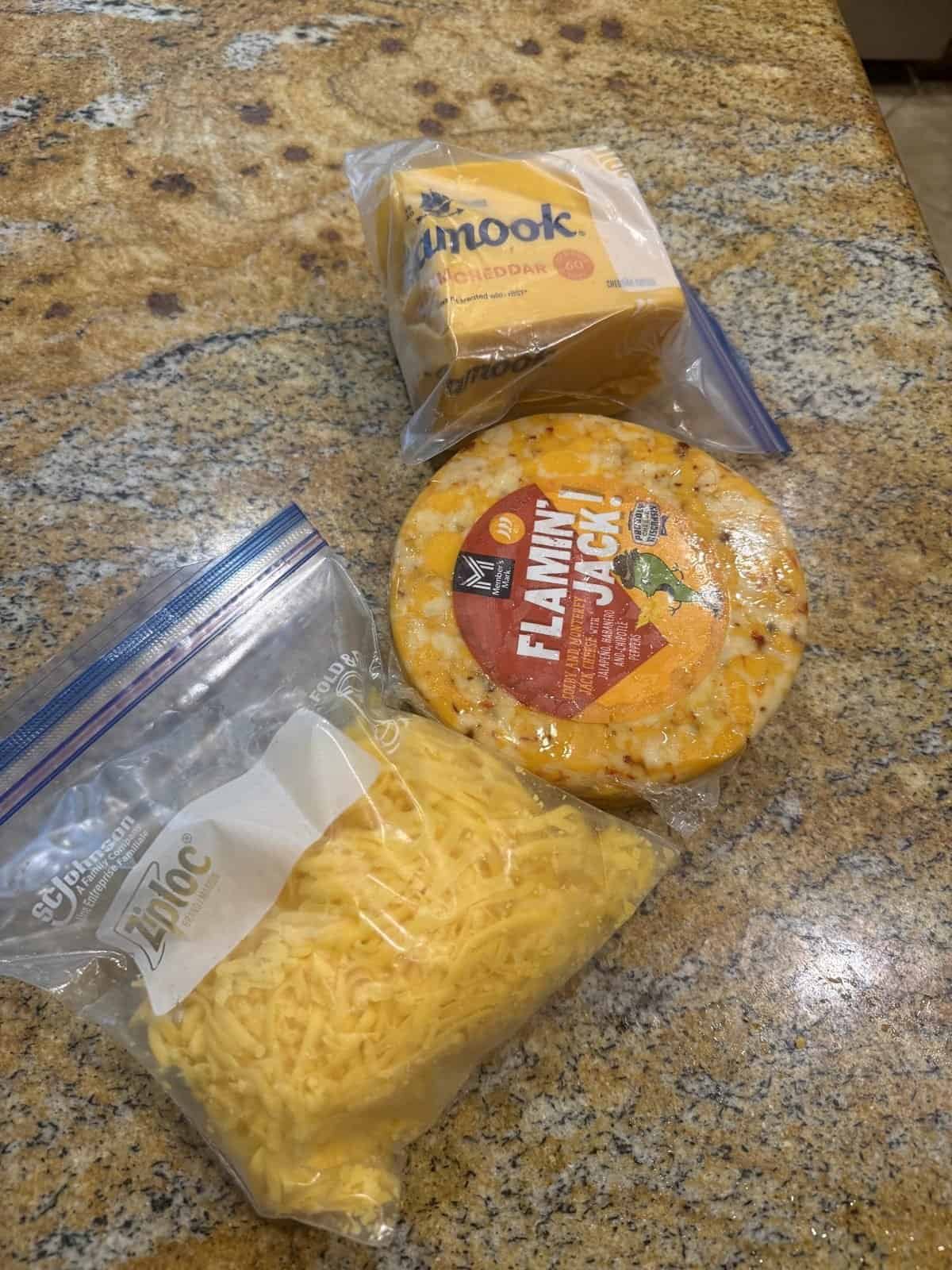
The best way to store cheese is to wrap it so it can breathe without drying out, then keep it in the humid, temperature-stable cheese or deli drawer of your fridge rather than the door. How you store cheese depends on the type: hard cheeses do fine wrapped snugly or sealed in a bag, while fine soft and aged cheeses prefer breathable cheese paper. Getting it right keeps flavor and texture intact and cuts down on waste, and it pairs naturally with keeping the rest of your fridge organized. This is a practical kitchen guide from real experience, including how I store mine in a deli drawer.
Quick Verdict
Wrap cheese to protect it from drying air and off-flavors while letting it breathe: parchment or cheese paper for fine and soft cheeses, and a snug wrap or airtight bag for everyday hard cheese. Store it in the cheese or deli drawer, the most humid and stable spot, and keep strong cheeses like blue separated. Bring cheese to room temperature before serving.
Key Takeaways
- Cheese is a living food, so it needs a little airflow, not a total seal.
- Cheese paper or parchment suits fine and soft cheeses; airtight bags suit hard cheese.
- The cheese or deli drawer is the best spot: humid and temperature-stable.
- Store cheese away from strong-smelling foods, and blue cheese separately.
- On hard cheese, cut mold off with a margin; discard moldy soft cheese.
How to Store Cheese by Type
| Cheese type | How to store | Keeps for |
|---|---|---|
| Hard (parmesan, pecorino) | Wrap snug or seal in a bag, deli drawer | Weeks to months |
| Semi-hard (cheddar, gouda) | Parchment then a loose bag | Several weeks |
| Soft (brie, camembert) | Cheese paper, deli drawer | 1–2 weeks |
| Fresh (mozzarella, ricotta) | In its liquid, sealed container | Days to a week |
| Blue | Cheese paper, separate container | 1–2 weeks |
What Is the Best Way to Store Cheese?
The goal is to protect cheese from drying air, excess moisture, and the odors of other foods, while still letting it breathe a little. For most cheeses, that means wrapping in cheese paper or parchment, which wicks away extra moisture without suffocating the cheese, then keeping it in a humid, stable part of the fridge. Cheese is often described as a living food because its cultures keep working, so a method that lets it breathe preserves flavor and texture better than sealing it in cling wrap.
Should You Store Cheese in Plastic or Cheese Paper?
It depends on the cheese. Cling plastic wrap is the one to avoid for fine cheeses, since it traps moisture and can give cheese a sweaty, off taste. Cheese paper, or parchment tucked into a loosely closed bag, is ideal for soft and aged cheeses that need to breathe. For everyday hard and semi-hard cheeses, a snug wrap or an airtight bag with the air pressed out works well and mainly guards against drying, which hard cheeses are prone to. Shredded cheese does fine in its resealable bag with the air squeezed out.
Where Should You Store Cheese in the Fridge?
The cheese or deli drawer is the best spot, and a produce crisper is the next best. These drawers stay more humid and hold a steadier temperature than the open shelves, which creates the microclimate cheese likes. Avoid the fridge door, which runs warmer and swings in temperature every time you open it, and keep cheese away from the coldest air intake so it does not partly freeze. Wherever it goes, keep cheese separated from strong-smelling foods, since it readily absorbs odors.
How I Store My Cheese
Once I open a cheese, I seal it in a Ziploc bag and press out the air to keep it from drying out, and I keep everything in a dedicated deli drawer in my fridge that holds a set temperature. The deli drawer is genuinely one of the best places for cheese, since it stays humid and temperature-stable, so that part I would recommend to anyone. My airtight-bag habit works well for the everyday hard and semi-hard cheeses I usually buy. The one tweak worth knowing, which I would pass along, is that fine soft or aged cheeses do a little better in breathable cheese paper than sealed in plastic, since those cheeses like to breathe.
How Do You Store Different Types of Cheese?
Match the method to the cheese. Hard cheeses like parmesan have little moisture and mainly need protection from drying, so a snug wrap or sealed bag in the deli drawer keeps them for weeks or longer. Soft, high-moisture cheeses like brie need breathable wrapping and a shorter shelf life, ideally eaten within a week or two. Fresh cheeses like mozzarella and ricotta keep best in their own liquid or brine in a sealed container. Blue cheese is aromatic and moisture-heavy, so wrap it in cheese paper and keep it in a separate container so its smell does not travel to other cheeses.
Can You Freeze Cheese?
You can, but with limits. Freezing forms ice crystals that break down cheese’s texture, leaving most varieties dry and crumbly once thawed. The exception is hard, low-moisture cheese you plan to cook with or grate, like a block of parmesan, which freezes acceptably if wrapped tightly and used within a couple of months. For eating fresh on a board, cheese is far better bought in amounts you will finish rather than frozen.
How Do You Handle Mold on Cheese?
It depends on the cheese. On hard and semi-hard cheeses, surface mold can be trimmed away with a margin of about an inch around and below the spot, and the rest is safe to eat, since mold does not penetrate deeply. Soft cheeses, fresh cheeses, and shredded cheese should be discarded entirely if they mold, because mold spreads through their higher moisture more easily. Blue cheese is a special case, since its veining is intentional mold, but discard it if it develops unfamiliar fuzzy growth or smells off.
Common Cheese Storage Mistakes to Avoid
Sealing fine cheese in cling wrap
Plastic wrap suffocates delicate cheese and traps moisture, leading to a sweaty texture and off-flavors. Use cheese paper or parchment for soft and aged cheeses instead.
Storing cheese in the fridge door
The door is the warmest, most temperature-variable spot. Keep cheese in the deli drawer or crisper, where humidity and temperature stay steadier.
Not separating strong cheeses
Cheese absorbs odors, and pungent blue cheese can flavor everything nearby. Wrap and box strong cheeses separately from milder ones.
Treating every cheese the same
A hard parmesan and a soft brie have opposite needs. Match the wrapping and shelf life to the type rather than using one method for all.
Recommended Reading
- storing bread, to keep loaves fresh longer.
- organizing your fridge, so the deli drawer works its best.
- cheese slicers, for serving what you have stored.
- food storage containers, useful for fresh and blue cheeses.
- storing fresh herbs, another fridge-storage technique.
How to Store Cheese FAQ
What is the best way to wrap cheese?
Wrap it in cheese paper or parchment, which lets the cheese breathe while wicking away extra moisture, then loosely enclose it in a bag or container. For everyday hard cheese, a snug wrap or an airtight bag with the air pressed out also works well to prevent drying.
Why is plastic wrap bad for cheese?
Cling plastic wrap seals cheese too tightly, trapping moisture and blocking airflow, which can make it sweaty and give it an off taste. Fine cheeses in particular do better in breathable cheese paper, though a plastic bag with air pressed out is fine for hard cheese.
Where is the best place to store cheese in the fridge?
The cheese or deli drawer is best, with the produce crisper a close second. These drawers hold humidity and a steadier temperature than the open shelves or the door, creating the microclimate cheese keeps best in.
How long does cheese last in the fridge?
It depends on the type. Properly stored hard cheeses can last weeks to months, semi-hard cheeses several weeks, and soft or fresh cheeses only a week or two. Storing each type correctly is what stretches its life.
Can you eat cheese with mold on it?
On hard cheese, yes, once you cut away about an inch around and below the mold, since it does not spread deep. Soft, fresh, and shredded cheeses should be thrown out if they mold, because the mold spreads through their moisture.
Should you store cheese airtight?
Airtight is fine for hard and shredded cheeses, where pressing out air prevents drying, but fine soft and aged cheeses do better with a breathable wrap that lets them breathe. Match the seal to the cheese type.
Do you need a special cheese drawer?
Not strictly, but a dedicated cheese or deli drawer that holds humidity and a set temperature is ideal. If you do not have one, use a produce crisper drawer, which offers similar humidity and stability.
Should cheese be served cold or at room temperature?
For the best flavor, take cheese out of the fridge about 30 to 60 minutes before serving so it warms up and its aromas open. The exception is cheese you are about to melt or cook, which can go straight from the fridge.
Part of our full guide: the comprehensive kitchen organization methodology.
