
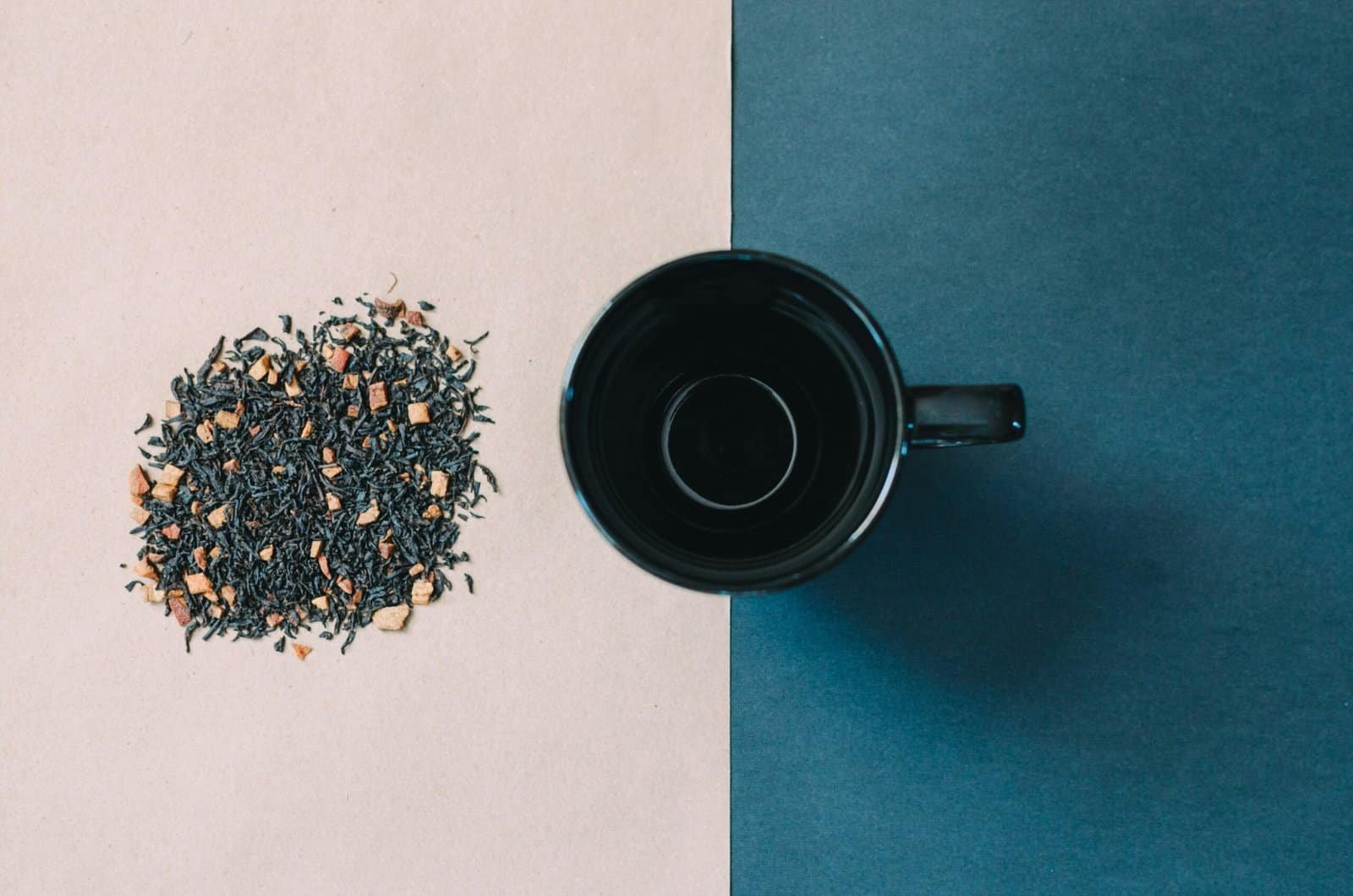
The choice between loose leaf tea and tea bags comes down to what you value most: flavor and quality on one side, speed and convenience on the other. Loose leaf generally delivers a fuller cup with room to re-steep, while tea bags win for grab-and-go ease. Neither is simply better, and many tea drinkers keep both. This guide breaks down how they compare on flavor, convenience, cost, and more, so you can decide which fits your routine, or when to reach for each.
Quick Verdict
Choose loose leaf tea if flavor and quality matter most, since it uses whole leaves with room to expand and can often be re-steeped. Choose tea bags for convenience, speed, and portability when you want a quick, no-fuss cup. Many people use loose leaf at home and keep tea bags for work or travel, getting the best of both.
Key Takeaways
- Loose leaf uses whole, higher-quality leaves with space to unfurl, generally giving fuller flavor.
- Tea bags are faster, tidier, and more portable, ideal for quick or on-the-go brewing.
- Loose leaf can often be re-steeped, stretching quality leaves across multiple cups.
- Loose leaf needs an infuser or teapot, while tea bags need nothing extra.
How We Compared Them
We weighed the factors that shape daily use: flavor from the leaves, convenience and speed, the ability to re-steep, portability, cleanup, and cost per cup. We also considered environmental impact and how easily you can switch between the two. The goal is a practical decision for your routine, so each section names which option wins for that factor and where either will do.
Loose Leaf Tea vs Tea Bags at a Glance
| Factor | Loose Leaf Tea | Tea Bags |
|---|---|---|
| Flavor | Fuller, from whole leaves | Good, often from smaller pieces |
| Convenience | Needs an infuser or teapot | Grab, steep, done |
| Re-steeping | Often two or more cups | Usually one cup |
| Portability | Less travel-friendly | Very portable |
| Cleanup | Strain and empty leaves | Toss the bag |
| Cost per cup | Can be lower, especially re-steeped | Simple, predictable |
Loose Leaf Tea
Loose leaf tea uses whole or large leaf pieces that have room to expand as they steep, which lets them release fuller flavor and aroma than the smaller broken leaves often found in standard tea bags. Quality tends to be higher, and many loose teas can be re-steeped for a second or third cup, stretching the value of good leaves. The trade-off is that you need a tea infuser or a teapot with a strainer, and a little more effort to measure, steep, and strain. For anyone who cares about flavor and enjoys the ritual, that effort pays off.
Pros
- Fuller flavor from whole leaves with room to expand.
- Higher leaf quality and more variety.
- Often re-steeps for a second or third cup.
- Can be cheaper per cup, especially re-steeped.
Cons
- Needs an infuser or teapot with a strainer.
- More measuring, steeping, and straining.
- Less travel-friendly than a bag.
Choose it if flavor and ritual matter most. Skip it if you want zero extra gear or cleanup.
Tea Bags
Tea bags are built for convenience: drop one in a cup, add hot water, steep, and remove it, with almost nothing to clean up. They are portable and predictable, perfect for the office, travel, or a quick cup when you do not want to fuss. Traditional bags often contain smaller broken leaves, which brew quickly but can offer less depth than whole leaves, though quality pyramid and whole-leaf bags have narrowed that gap. The main limits are that most bags are meant for a single steep and offer less control over strength. For speed and simplicity, tea bags are hard to beat.
Pros
- Fast, tidy, and grab-and-go.
- No extra gear or straining.
- Very portable for work and travel.
- Simple, predictable pricing.
Cons
- Standard bags often use smaller broken leaves.
- Usually meant for a single steep.
- Less control over strength.
Choose them for speed and convenience. Skip them if you want the fullest possible flavor.
How They Compare on Flavor
Flavor is where loose leaf usually pulls ahead. Whole leaves with room to unfurl release more of their oils and aromas, producing a rounder, more nuanced cup. Standard tea bags often use smaller leaf particles that brew fast but can taste flatter, though premium whole-leaf bags close much of the gap. If a rich, layered cup is your priority, loose leaf generally delivers, and learning to brew loose leaf tea well makes the difference clearer.
How They Compare on Convenience and Cost
Tea bags win decisively on convenience, needing no extra gear and leaving nothing to strain. Loose leaf asks for an infuser, a bit of measuring, and straining afterward, which is minor but real. On cost, loose leaf can be cheaper per cup, especially since quality leaves re-steep, while tea bags offer simple, predictable pricing. A variable-temperature electric kettle or a gooseneck kettle helps either way by making the right water temperature and pour easy. If you branch into matcha, a matcha whisk set is worth a look, and good mugs finish the setup.
Which Should You Choose?
Choose Loose Leaf If
Pick loose leaf tea if flavor, quality, and variety matter most to you, if you enjoy the ritual of brewing, or if you want to re-steep leaves for more cups. It suits home brewing where you have a kettle and an infuser on hand and a few extra minutes to spare.
Choose Tea Bags If
Pick tea bags if convenience, speed, and portability are your priorities, such as at work, while traveling, or for a quick cup with no cleanup. Premium whole-leaf bags offer a nice middle ground, giving better flavor than standard bags while keeping the grab-and-go ease.
Or Keep Both
Many tea drinkers do not choose at all. They brew loose leaf at home when they want the best cup and keep tea bags around for busy mornings, the office, and travel. Having both means you always have the right option for the moment, whether that is flavor or speed.
Which Fits Your Situation
| If this is you | Better choice |
|---|---|
| You want the fullest flavor at home | Loose leaf |
| You want a quick cup with no cleanup | Tea bags |
| You like to re-steep good leaves | Loose leaf |
| You brew at work or while traveling | Tea bags |
| You enjoy the brewing ritual | Loose leaf |
| You want a middle ground | Whole-leaf pyramid bags |
The Verdict
Neither wins outright, because they answer different needs. Loose leaf takes flavor, quality, and value per cup, making it the pick for home brewing and anyone who enjoys the process. Tea bags take convenience, speed, and portability, making them ideal for work, travel, and quick cups. Whole-leaf pyramid bags sit between the two if you want better flavor without the gear. The most practical setup for many people is loose leaf at home and tea bags for busy moments, so match your choice to the occasion, or keep both.
Recommended Reading
Frequently Asked Questions
Is loose leaf tea better than tea bags?
Loose leaf tea generally offers fuller flavor and higher-quality whole leaves with room to expand, and it can often be re-steeped. Tea bags win on convenience and speed. Neither is simply better; it depends on whether you prioritize flavor and ritual or ease and portability.
Does loose leaf tea really taste better?
Often yes, because whole leaves with space to unfurl release more oils and aromas than the smaller broken leaves in many standard bags, giving a rounder cup. That said, premium whole-leaf pyramid bags narrow the gap considerably, so the difference is smaller against high-quality bags.
Is loose leaf tea more expensive?
Not necessarily. While quality loose leaf can have a higher upfront price, it is often cheaper per cup, especially because good leaves can be re-steeped for multiple cups. Tea bags offer simple, predictable pricing, so the value comparison depends on the teas and how you brew.
What do I need to brew loose leaf tea?
You need a way to hold the leaves while they steep and remove them afterward, such as a basket infuser for a single cup or a teapot with a strainer for several. A kettle for hot water completes the setup. Tea bags, by contrast, need nothing extra.
Can tea bags be re-steeped like loose leaf?
Most standard tea bags are designed for a single steep and give a weak second cup, whereas quality loose leaf teas often yield two or three infusions. If getting multiple cups from your leaves matters to you, loose leaf is the better choice for re-steeping.
Are pyramid tea bags loose leaf?
Pyramid bags often contain whole or larger leaf pieces with more room to expand than flat bags, making them a middle ground between standard bags and true loose leaf. They offer better flavor than typical bags while keeping the convenience, though loose leaf still gives the most control.
Which is better for the environment?
It varies by product. Loose leaf produces only compostable leaves, while some tea bags contain plastic and packaging, though many brands now offer plastic-free, compostable bags. If environmental impact matters to you, loose leaf or certified plastic-free bags are the greener options.
Can I switch from tea bags to loose leaf easily?
Yes, the switch is simple. Add an infuser or teapot, start with about a teaspoon of leaves per cup, and follow the temperature and time for your tea type. Within a few cups you will dial in your preference, and many people find the flavor upgrade well worth the small extra effort.
Part of our full guide: the complete guide to choosing a coffee grinder.
