
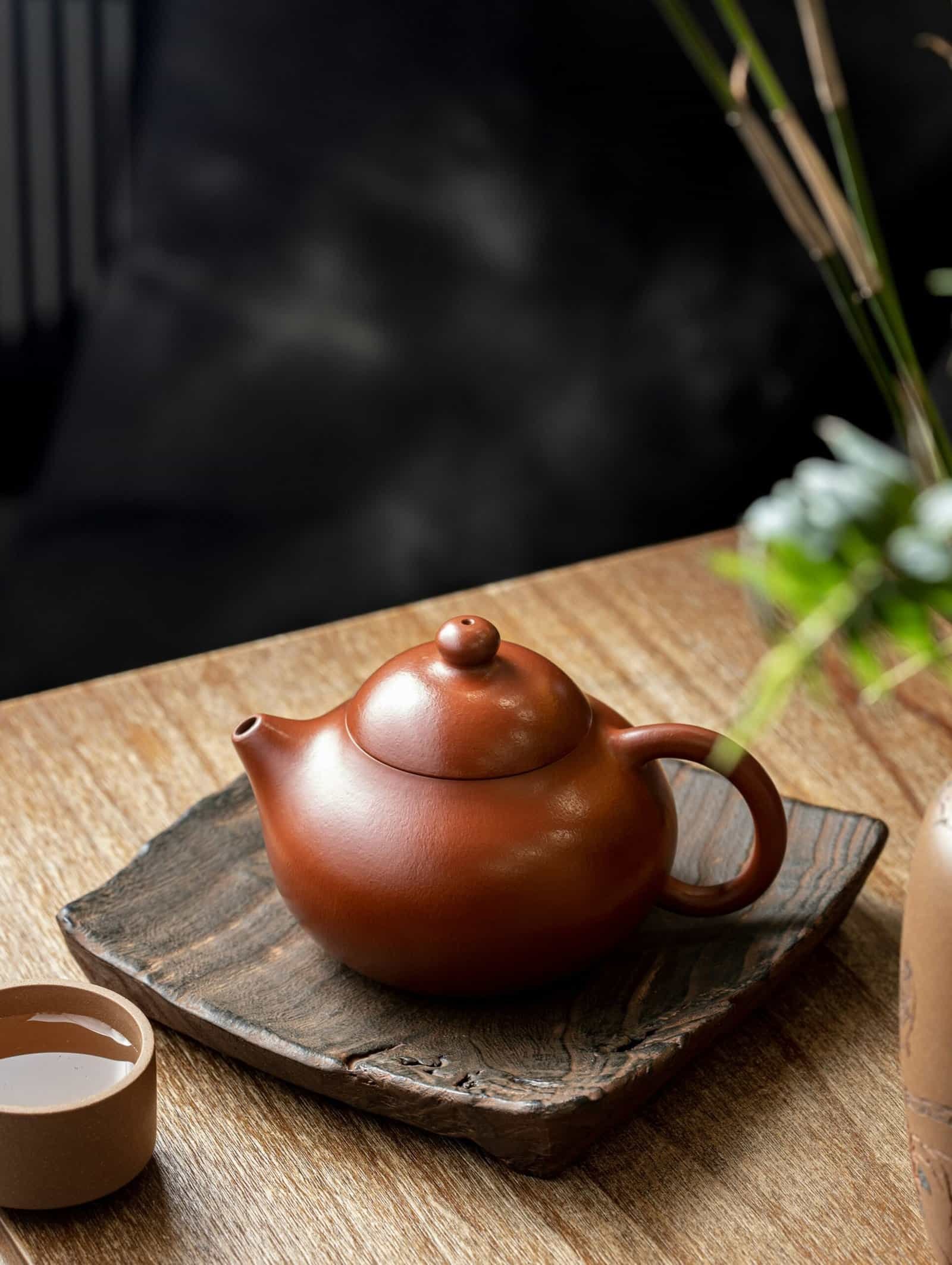
A dedicated teapot turns tea from a rushed mug into something worth slowing down for, brewing a full pot at the right temperature and keeping it warm while you pour. The best teapots match the material to how you drink tea, hold heat well, and pour cleanly without dribbling. This guide compares the main styles, from heat-holding cast iron to see-through glass, so you can find the pot that fits your ritual. It pairs naturally with a good kettle to heat your water, and the six picks below cover every kind of tea drinker. Our guide to loose leaf tea versus tea bags is a natural next read.
Quick Verdict
A ceramic teapot with a built-in infuser is the best all-around choice, holding heat well and brewing loose-leaf or bagged tea with easy cleanup. Glass teapots show off blooming and loose-leaf teas, cast iron holds heat the longest, and an insulated pot keeps tea hot for hours. Match the material to your favorite teas and how many cups you brew at once.
Key Takeaways
- Ceramic and porcelain hold heat well and stay flavor-neutral, making them the versatile everyday choice.
- Glass teapots let you watch the brew, which is ideal for blooming teas and judging steep strength.
- Cast iron holds heat the longest and suits those who linger over multiple cups.
- Look for a built-in infuser, a drip-free spout, and a capacity that matches how much you brew.
How We Picked the Best Teapots
We compared teapots on material and heat retention, brewing convenience, pour quality, and capacity. Material led, because it shapes both heat retention and flavor: ceramic and porcelain stay neutral and hold heat well, glass shows the brew, and cast iron keeps tea hottest. We valued a built-in infuser for easy loose-leaf brewing, a spout that pours without dribbling, and a size suited to solo cups or a full table. The picks span every common style.
1. Ceramic Teapot with Infuser
Why It Stands Out
A ceramic teapot with a built-in infuser is the best all-around pick. Ceramic holds heat well and stays flavor-neutral, so it works for any tea, and the removable infuser basket makes brewing loose-leaf as easy as bagged. It is the versatile, low-fuss choice most tea drinkers reach for daily.
Worth Knowing
Ceramic can chip if knocked, so handle it with a little care. Confirm the infuser basket is deep and roomy enough for leaves to expand and brew fully.
Buy it if you want a versatile everyday pot for any tea. Skip it if you specifically want to watch the brew or maximize heat retention.
2. Glass Teapot
Why It Stands Out
A glass teapot is the best pick for loose-leaf and blooming teas. Its clear body lets you watch leaves unfurl and judge the color, so you can pull the infuser at just the right strength, and borosilicate glass handles hot water and looks elegant on the table. For visual tea lovers, it is a joy.
Worth Knowing
Glass loses heat faster than ceramic or cast iron, so tea cools sooner. It shows stains over time, though a gentle scrub keeps it clear.
Buy it if you love watching the brew and drink loose-leaf. Skip it if you want maximum heat retention.
3. Cast Iron Teapot
Why It Stands Out
A cast iron teapot, or tetsubin, is the best pick for heat retention. Its heavy walls keep tea hot far longer than other materials, which is perfect for slow, multi-cup sessions, and the enameled interior and traditional styling make it a centerpiece. For lingering over a pot, nothing holds heat like it.
Worth Knowing
It is heavy and usually pricier than ceramic or glass. Most modern versions are enamel-lined for brewing rather than for stovetop boiling, so use it as a brewing pot, not a kettle.
Buy it if you want tea to stay hot through several cups. Skip it if you want something light or want to see the brew.
4. Porcelain Teapot Set
Why It Stands Out
A porcelain teapot set is the best pick for entertaining and gifting. Pairing a flavor-neutral porcelain pot with matching cups, it brings an elegant, cohesive look to tea time and makes serving guests effortless. For hosting or as a present, a coordinated set is hard to beat.
Worth Knowing
Sets take more storage space and cost more than a single pot. Delicate porcelain rewards careful handling and gentle washing.
Buy it if you host tea or want a gift-worthy set. Skip it if you only brew for yourself and want minimal storage.
5. Stovetop-Safe Teapot
Why It Stands Out
A stovetop-safe teapot is the best pick for brewing and heating in one vessel. Made of enamel or heat-safe ceramic rated for direct heat, it lets you warm water and brew in the same pot, which is handy for small kitchens and simple routines. It blurs the line between kettle and teapot in the best way.
Worth Knowing
Only pots explicitly rated as stovetop-safe belong on a burner, so check the label carefully. Direct heat also means the handle can get hot, so keep a mitt nearby.
Buy it if you want to heat and brew in one pot. Skip it if you already own a kettle and want a dedicated brewing pot.
6. Insulated Double-Wall Teapot
Why It Stands Out
An insulated double-wall teapot is the best pick for keeping tea hot the longest without a flame. Its vacuum or double-wall construction traps heat, holding tea warm for hours, which suits anyone who sips slowly through a morning or a work session. For long-lasting warmth, it is the practical choice.
Worth Knowing
Double-wall pots are usually stainless or insulated glass, so styling is more modern than traditional. The sealed design can be a little more involved to clean fully.
Buy it if you sip slowly and want tea hot for hours. Skip it if you finish a pot quickly and prefer a classic look.
Teapots at a Glance
| If you want this | Reach for | Why |
|---|---|---|
| A versatile everyday pot | Ceramic with Infuser | Holds heat, neutral flavor, easy |
| To watch loose-leaf brew | Glass Teapot | Clear body, great for blooming tea |
| The longest heat retention | Cast Iron Tetsubin | Heavy walls keep tea hot |
| Entertaining or gifting | Porcelain Set | Matching pot and cups |
| Heat and brew in one | Stovetop-Safe Teapot | Rated for direct heat |
| Tea hot for hours | Insulated Double-Wall | Traps heat without a flame |
How to Choose a Teapot
Pick the Material for Your Tea
Match the material to how you drink. Ceramic and porcelain are flavor-neutral all-rounders that hold heat well, glass lets you watch the brew and suits blooming and green teas, and cast iron keeps tea hottest for long sessions. Your favorite teas and pace of drinking point to the right choice.
Look for a Built-In Infuser
A removable infuser basket makes loose-leaf tea effortless and cleanup simple. Choose a deep, roomy basket so leaves have space to expand and release full flavor, and you can lift it out to stop the steep before the tea turns bitter. Heat your water first with good tea kettles or a gooseneck kettle for precise pouring.
Check the Pour and Capacity
A well-designed spout pours in a clean stream without dribbling down the side, which saves drips and mess. Match the capacity to your habits too, since a small pot suits solo cups while a larger one serves a table, and consider a spout shape that stays neat.
Match Heat Retention to Your Pace
If you sip slowly or brew for several people, prioritize heat retention with cast iron or an insulated pot. If you finish tea quickly or want to see the brew, a glass or ceramic pot is fine, since staying warm for an hour matters less when the pot empties fast.
Common Teapot Mistakes to Avoid
Putting a Brewing Pot on the Stove
Most ceramic, porcelain, and enamel-lined cast iron teapots are made for brewing, not boiling, and direct heat can crack them. Only use a pot on a burner if it is explicitly labeled stovetop-safe, and otherwise heat water in a kettle first.
Over-Steeping in the Pot
Leaving the leaves in the whole time makes later cups bitter and harsh. Lift out the infuser basket once the tea reaches the strength you like, so the pot holds brewed tea rather than continuing to steep.
Using a Cramped Infuser
A tiny infuser crushes the leaves so they cannot expand and brew fully, giving weak, uneven tea. Choose a pot with a deep, roomy basket that lets loose leaves unfurl for full flavor.
Skipping the Warm-Up
Pouring hot water into a cold pot drops the brewing temperature and cools your tea faster. Swirl a little hot water in the empty pot first to warm it, then discard it before adding leaves and your brewing water.
Recommended Reading
- tea kettles
- gooseneck kettles
- french press makers
- electric kettles
- milk frothers
- travel mugs
- insulated tumblers
- single-serve coffee makers
- cold brew makers
- choosing the right cookware
Frequently Asked Questions
What is the best material for a teapot?
Ceramic and porcelain are the best all-around choice, holding heat well and staying flavor-neutral for any tea. Glass is ideal if you want to watch loose-leaf or blooming teas brew, and cast iron holds heat the longest, so the best material depends on your teas and pace.
Can I put a teapot on the stove?
Only if it is explicitly labeled stovetop-safe, such as certain enamel or heat-rated ceramic pots. Most ceramic, porcelain, and enamel-lined cast iron teapots are made for brewing, not boiling, so heat your water in a kettle first and pour it into the pot.
What is the difference between a teapot and a tea kettle?
A tea kettle heats water, usually on a stove or as an electric appliance, while a teapot is for brewing the tea itself once the water is hot. You boil water in a kettle, then pour it over leaves or bags in the teapot to steep.
Do I need an infuser in my teapot?
A built-in infuser basket makes loose-leaf tea much easier, letting you steep and then lift the leaves out cleanly. If your pot has no infuser, you can use a separate tea infuser or brew with bags, but a roomy built-in basket is the most convenient option.
How big a teapot should I get?
Match the capacity to your habits: a smaller pot around one to two cups suits solo drinkers, while a larger four-to-six-cup pot serves guests or a whole morning. Brewing only what you will drink keeps the tea fresh and hot rather than sitting and cooling.
How do I keep tea hot in a teapot?
Choose a heat-retaining material like cast iron or an insulated double-wall pot, warm the pot with hot water before brewing, and use a tea cozy if you have one. These steps keep tea warm through several cups rather than cooling quickly.
Are cast iron teapots good?
Yes, cast iron teapots excel at heat retention, keeping tea hot far longer than glass or ceramic, which suits slow, multi-cup sessions. Most are enamel-lined for brewing rather than boiling, and they are heavier and pricier, but for staying warm they are excellent.
How do I clean a teapot?
Rinse it with warm water after each use and avoid harsh soaps that can leave residue affecting flavor. For stains, a gentle scrub with baking soda works well, and you should dry the pot fully, especially cast iron, to keep it in good condition.
Green tea fan? Learn to make matcha the simple way.
Part of our full guide: the complete guide to choosing a coffee grinder.
