
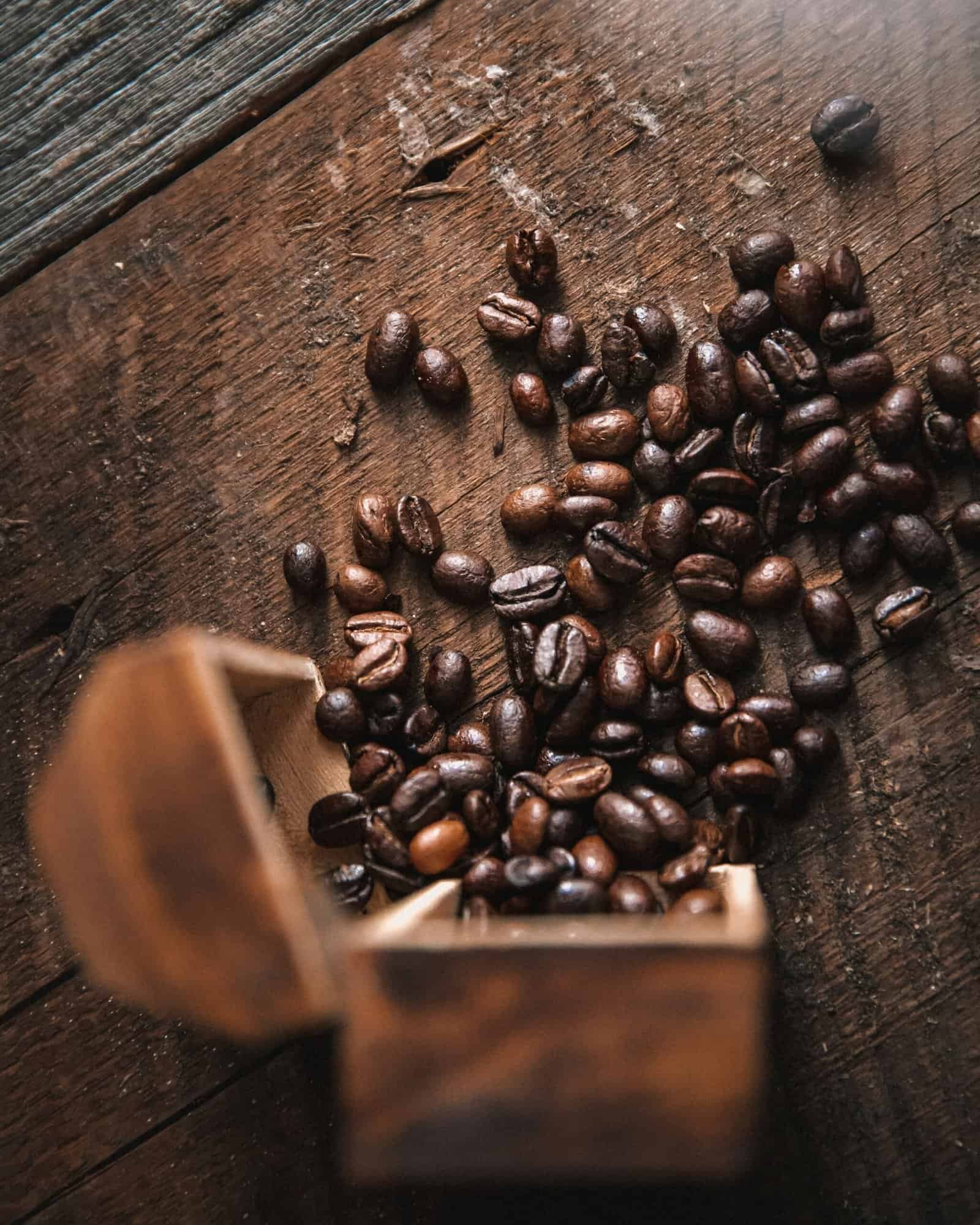
Fresh coffee starts going stale the moment it meets air, light, moisture, and heat, and the right canister slows all four down. The best coffee storage canisters seal out oxygen, block light, and often include a valve to release the carbon dioxide fresh beans give off. This guide compares airtight, vacuum-sealed, and valve-equipped options so your beans taste their best from the first cup to the last. It pairs naturally with the rest of your coffee setup, and the six picks below suit every kitchen.
Quick Verdict
A vacuum-sealed coffee canister is the best all-around choice, actively pulling air out to slow staling far better than a simple lid. Look for an airtight seal, an opaque body to block light, and a one-way valve if you store fresh-roasted beans. Match the size to how fast you drink coffee, since a canister kept half-empty holds more stale air.
Key Takeaways
- Air, light, moisture, and heat are the four enemies of fresh coffee, and a good canister addresses all of them.
- Vacuum-sealing removes oxygen actively, while airtight lids simply keep new air out.
- An opaque, non-glass body blocks the light that degrades coffee oils.
- Size the canister to your consumption so it stays full rather than half-empty with trapped air.
How We Picked the Best Coffee Canisters
We compared canisters on seal quality, light protection, valve features, and material. An airtight seal led, since keeping oxygen out is the whole job, followed by an opaque body to block light. We valued a one-way degassing valve for fresh-roasted beans, durable stainless or ceramic materials, and sizes that match real consumption. The picks span vacuum, airtight, and specialty designs for different coffee habits.
1. Vacuum-Sealed Coffee Canister
Why It Stands Out
A vacuum-sealed canister is the best all-around pick. A built-in pump removes air after each use, actively slowing oxidation rather than just blocking new air, which keeps beans fresher for longer. For anyone serious about flavor, active vacuum sealing is the biggest upgrade.
Worth Knowing
You have to pump it each time you close it, which takes a few seconds. Check that the seal and valve are easy to clean so they keep working well.
Buy it if you want the freshest possible beans. Skip it if you prefer a simpler lid with no pumping.
2. Airtight Canister with One-Way Valve
Why It Stands Out
An airtight canister with a one-way valve is the best pick for fresh-roasted beans. The valve lets the carbon dioxide from fresh beans escape without letting oxygen back in, so freshly roasted coffee can degas safely while staying sealed. For anyone buying from local roasters, this feature matters.
Worth Knowing
The valve benefits fresh beans most, so it is less essential for older supermarket coffee. Confirm the lid seals tightly in addition to the valve working.
Buy it if you buy fresh-roasted whole beans. Skip it if you use older pre-ground coffee.
3. Stainless Steel Coffee Canister
Why It Stands Out
A stainless steel canister is the best pick for durability and light protection. Its opaque metal body blocks light completely and shrugs off drops and daily use, making it a long-lasting choice that protects coffee oils from degrading. For a canister that lasts years, stainless is hard to beat.
Worth Knowing
You cannot see the level without opening it, so a small window or gauge is a nice bonus. Make sure the lid gasket seals firmly against air.
Buy it if you want durable, light-blocking storage. Skip it if you prefer to see your beans through glass.
4. Ceramic Coffee Canister
Why It Stands Out
A ceramic canister is the best pick for looks plus protection. Its solid, opaque body blocks light and looks at home on a counter, combining an airtight seal with a decorative finish. For anyone who wants storage that doubles as kitchen decor, ceramic delivers.
Worth Knowing
Ceramic can chip or crack if dropped, so it needs a little more care. Check that the lid has a quality silicone gasket for a real airtight seal.
Buy it if you want an attractive countertop canister. Skip it if you need something drop-proof.
5. Coffee Canister with Date Tracker
Why It Stands Out
A canister with a built-in date tracker is the best pick for staying organized. A dial on the lid marks when you opened the bag or roasted the beans, so you always know how fresh your coffee is. For anyone who forgets when they bought coffee, this simple feature is genuinely useful.
Worth Knowing
The tracker is a reminder, not a preservative, so seal quality still matters most. Confirm the canister is airtight and opaque as well.
Buy it if you like tracking freshness. Skip it if you go through coffee quickly anyway.
6. Budget Airtight Coffee Canister
Why It Stands Out
An affordable airtight canister is the best value pick. It delivers a solid seal and light protection without the price of vacuum or premium designs, making fresher coffee accessible on any budget. For a straightforward upgrade over the original bag, a value canister does the job.
Worth Knowing
Budget models skip vacuum pumps and valves, relying on a plain airtight lid. Check reviews to confirm the gasket seals reliably over time.
Buy it if you want simple, affordable freshness. Skip it if you want vacuum or valve features.
Coffee Canisters at a Glance
| If you want this | Reach for | Why |
|---|---|---|
| Maximum freshness | Vacuum-Sealed | Actively removes air |
| Fresh-roasted beans | One-Way Valve | Degasses without oxygen |
| Durability | Stainless Steel | Opaque and tough |
| Countertop looks | Ceramic | Attractive and light-blocking |
| Freshness tracking | Date Tracker | Marks your open date |
| The best value | Budget Airtight | Solid seal, low price |
How to Choose a Coffee Storage Canister
Prioritize an Airtight Seal
The seal is everything, since oxygen is the main driver of staling. Look for a quality silicone gasket and a firm latch or vacuum pump, and remember that a vacuum canister goes a step further by actively removing air rather than just blocking it.
Block the Light
Light degrades the oils that carry coffee flavor, so choose an opaque stainless or ceramic body over clear glass. If you love the look of glass, keep it in a dark cupboard, though a solid canister protects beans wherever you store it.
Match the Size to Your Habits
A half-empty canister holds a lot of stale air, so size it to how fast you drink coffee. Buy beans in amounts you will finish within a couple of weeks, and pair good storage with quality gear like burr coffee grinders and coffee scales for the best cup.
Consider a Valve for Fresh Roasts
If you buy fresh-roasted whole beans, a one-way valve lets them degas without letting oxygen in. Store whole beans rather than pre-ground for longer freshness, and grind just before brewing your pour over or AeroPress. Round out the setup with a good electric kettle for water temperature, keep a batch going with a cold brew maker, and store dry staples in matching food storage containers.
Common Coffee Storage Mistakes to Avoid
Leaving Coffee in the Bag
The original bag, once opened, lets in air with every reseal. Transfer beans to an airtight canister as soon as you open the bag, which slows staling far more than folding the bag shut.
Storing in the Fridge or Freezer Daily
Repeatedly moving coffee in and out of the fridge causes condensation, and coffee readily absorbs food odors. Keep your daily coffee in an airtight canister at room temperature in a cool, dark spot instead.
Using a Clear Glass Jar on the Counter
A clear jar in the light lets light degrade the beans. Choose an opaque canister, or keep glass storage in a dark cupboard, so light does not break down the oils that give coffee its flavor.
Buying Too Much at Once
A giant bag that lasts months means most of it goes stale before you drink it. Buy smaller amounts you will finish within a couple of weeks, and keep the canister full rather than half-empty with trapped air.
Recommended Reading
Frequently Asked Questions
Do coffee canisters actually keep coffee fresher?
Yes, a good airtight canister slows staling by keeping out the oxygen, light, and moisture that degrade coffee. Vacuum-sealed models go further by actively removing air, and any quality canister beats leaving coffee in an opened bag, which lets in air with every reseal.
Is a vacuum coffee canister worth it?
For flavor-focused coffee drinkers, yes, since actively removing oxygen slows oxidation more than simply blocking new air. The trade-off is pumping it each time you close it. If you value maximum freshness and do not mind the extra step, a vacuum canister is a worthwhile upgrade.
Should I store coffee beans or ground coffee?
Whole beans stay fresh longer than ground coffee because they expose less surface area to air. For the best flavor, store whole beans in an airtight canister and grind just before brewing, since ground coffee goes stale much faster once exposed to oxygen.
Do I need a valve on my coffee canister?
A one-way valve matters most for fresh-roasted beans, which release carbon dioxide for days after roasting. The valve lets that gas escape without letting oxygen in. For older supermarket coffee that has already degassed, a valve is less important than a good airtight seal.
Should I keep coffee in the freezer?
Daily freezer storage is not ideal, since moving coffee in and out causes condensation and coffee absorbs odors easily. An airtight canister at room temperature in a cool, dark place works better for coffee you drink regularly, keeping moisture and smells away from the beans.
What size coffee canister should I buy?
Match the size to how fast you drink coffee, aiming to keep the canister full rather than half-empty with stale air. Buying beans in amounts you will finish within a couple of weeks, stored in an appropriately sized canister, keeps your coffee at its freshest.
Is stainless steel or glass better for coffee storage?
Stainless steel blocks light completely, protecting the oils that carry flavor, while clear glass lets light degrade them. If you prefer glass for its looks, keep it in a dark cupboard. For light protection wherever you store it, an opaque stainless or ceramic canister is better.
How long does coffee stay fresh in a canister?
Well-stored whole beans generally taste best within a few weeks of roasting, and a good canister helps them hold that freshness longer than an opened bag would. Grinding just before brewing and keeping the canister sealed, opaque, and full all extend the flavorful window.
Part of our full guide: the complete guide to choosing a coffee grinder.
Container choice is one part of keeping beans fresh. The full storage approach covers where to keep them and why the fridge is wrong.
