
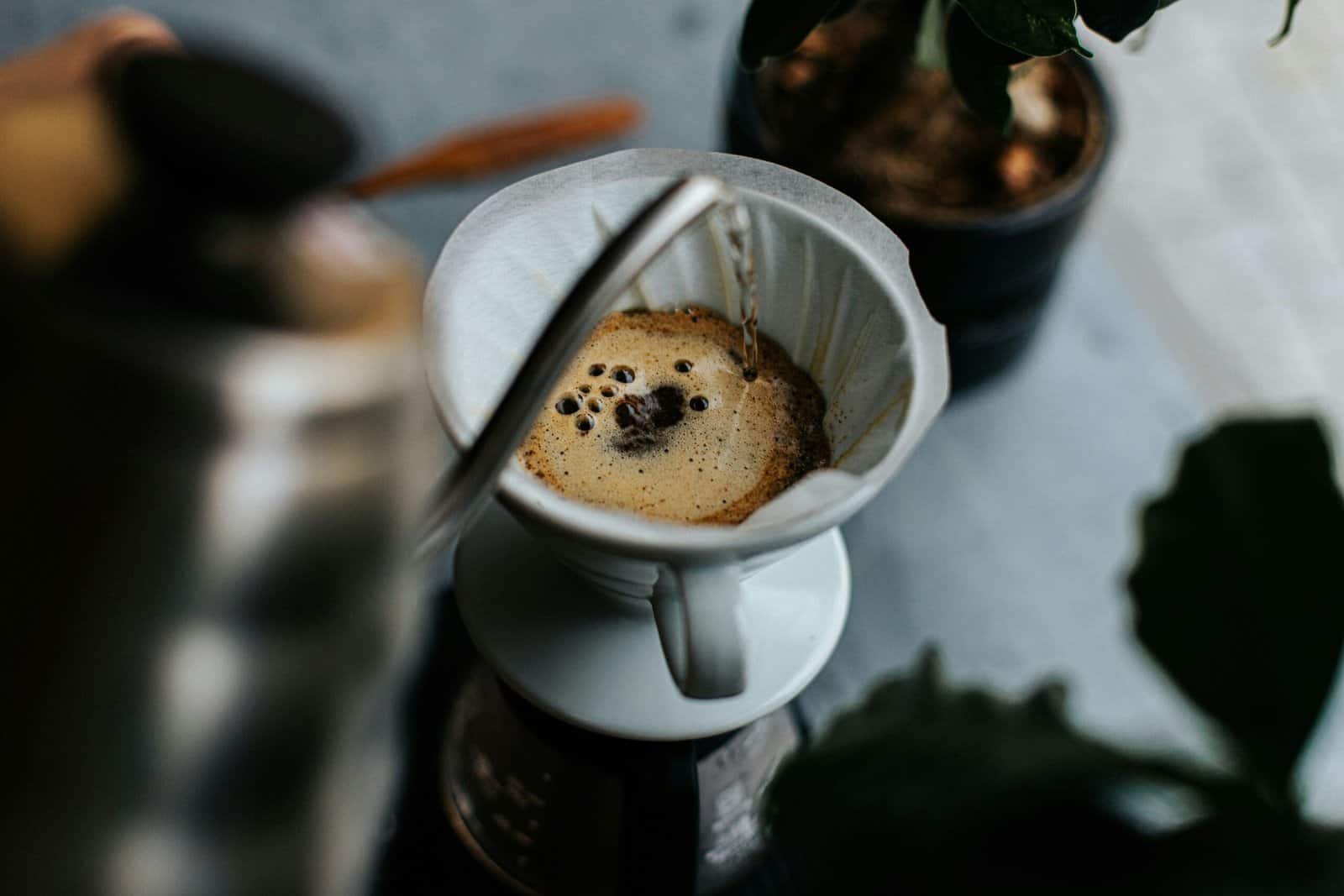
Pour-over coffee splits home brewers into two camps. The ritualists love the deliberate pace, the control over every variable, and the cleaner cup that comes from the slow drip through a paper filter. The pragmatists want something that produces specialty-coffee quality without buying a $300 espresso machine. Both groups end up at the same pour-over dripper category, which has quietly become the best value in home coffee.
This guide compares five drippers across the two geometries that matter most (cone and flat-bottom), the hole patterns that change extraction (one large hole, three small holes, one mid-size hole), the rib structures that prevent paper-to-wall sealing, and the materials that hold or shed heat across the brew. The picks separate manual ritualists from morning pragmatists and cover the filter ecosystems you will need to live with after the initial purchase.
A note up front: a pour-over setup is bottlenecked by the worst piece in the chain, and that piece is almost always the grinder. A $300 dripper with a blade-grinder feeding it loses to a $25 dripper paired with a quality burr grinder. The picks below assume you have or will pair them with a burr grinder; see the cross-link to the grinder guide before deciding which dripper to invest in.
Quick Verdict:
- Best for: coffee drinkers wanting better cups without an espresso investment, anyone bored of drip coffee, single-serving brewers, slow-morning ritualists, drinkers prioritizing clarity and brightness over body.
- Skip if: you brew large batches for multiple people daily; pour-over is a single or small-batch method by design. Also skip if you do not have a burr grinder yet; address the grinder first.
Disclosure: SmartLifeItems is reader-supported. As an Amazon Associate, we earn from qualifying purchases made through links on this page, at no extra cost to you.
How We Chose These Pour-Over Coffee Makers
Selection focused on brew consistency across multiple makings, dripper build quality, filter ecosystem (proprietary filter cost and availability over time), capacity matched to typical single-serve or small-batch use, material thermal stability across the pour, and reasonable cost across price tiers. We included both manual and electric pour-over options because the categories serve different users.
The technical criteria the specialty coffee community uses are well documented. The Specialty Coffee Association publishes brewing standards for extraction percentages and total dissolved solids that distinguish gold-cup-standard brews from over- and under-extracted ones. James Hoffmann’s published technique guides and Scott Rao’s brewing literature are the reference texts the community calibrates against. Barista Hustle’s brewing courses cover the same fundamentals in instructional format. The picks below were assessed against these standards rather than against marketing claims.
For broader comparison context, see coffee maker vs espresso machine, best coffee grinders under 50 (the most important pairing), and how to choose the right coffee maker.
Cone vs Flat-Bottom: How Dripper Geometry Changes the Cup
The single most consequential decision in pour-over is cone versus flat-bottom. The geometry changes how water moves through the coffee bed, which changes extraction profile, technique sensitivity, and which flavors come forward in the cup.
Cone drippers (Hario V60, Origami, Kono) channel water through a deeper, steeper bed. The deeper bed extends contact time, but it also concentrates flow toward the bottom point where the hole sits. Sloppy pouring on a cone causes channeling, where water finds the path of least resistance and bypasses parts of the bed entirely. Cones reward careful technique and punish careless pouring. The cup profile leans toward brightness, clarity, and high-note flavor articulation.
Flat-bottom drippers (Kalita Wave, Melitta, Origami in flat mode) spread the bed thinner and wider, with relatively uniform depth across the surface. Water flow distributes more evenly because path lengths are similar wherever water hits. This produces more forgiving extraction across imperfect pours and a cup that emphasizes balance and body over brightness. Many baristas describe flat-bottom cups as more forgiving and more consistent across multiple brewings.
Hole geometry shapes flow rate independently. The V60 uses one large hole at the bottom, which means the dripper exerts almost no flow restriction; grind size and pour technique control drawdown completely. The Kalita Wave uses three small holes that restrict flow regardless of pour, which is why it produces consistent results across users with different technique levels. The Melitta uses one smaller hole, which sits between the two extremes. Each design choice changes how forgiving the brewer is and which user it suits.
Ribbed walls are not aesthetic. The ribs (or pleats, or spirals depending on the dripper) prevent the wet paper filter from sealing flat against the dripper wall. Without ribs, the wet paper bonds to the wall and blocks airflow, which slows drawdown unpredictably and produces inconsistent extractions across brews. The V60 uses spiral ribs running the full cone height; the Kalita Wave uses the filter’s own internal pleats (the wave-shape) as the rib structure; Origami uses deep external pleats. Each pattern affects airflow differently.
Material affects brewing temperature across the pour more than most beginners realize. Brewing temperature drift of around 10 degrees between bloom and the end of the pour produces noticeably different extraction compared to stable-temperature brews; Scott Rao’s brewing literature emphasizes temperature consistency as one of the variables most affecting repeatable extraction. Ceramic and metal drippers hold heat well but require pre-warming (rinsing with hot water before adding grounds) so the cold material does not absorb heat from the first pour. Plastic drippers lose heat fastest, which is the thermal trade-off for their cheap durable build. Glass (the Chemex) sits between plastic and thick ceramic. For users wanting the most stable brewing temperature, metal (copper or stainless steel) is the top choice; for most home users, pre-warmed ceramic produces excellent results at a fraction of the metal cost.
Decision Matrix: Which Pour-Over for Which Drinker
| Drinker Type | Dripper Style | Top Pick |
|---|---|---|
| Classic single-cup ritualist | Cone, V60-style, 1 large hole | Hario V60 02 Ceramic |
| Two-to-four cup carafe brewer | Cone, thick filter, glass carafe | Chemex Classic 6-Cup |
| Flat-bottom, more forgiving brew | Flat-bottom, 3 small holes | Kalita Wave 185 |
| Hands-off automated pour-over | Electric pour-over, sprayer arm | Technivorm Moccamaster KBGV |
| Travel or single-cup minimalist | Cone immersion hybrid, valve release | Clever Coffee Dripper |
1. Hario V60 02 Ceramic Dripper: Best Overall Pick
The Hario V60 defined modern pour-over. The 60-degree cone angle, full-height spiral internal ribs, and single large bottom hole produce a fast clean extraction that emphasizes brightness and clarity. The large hole means flow rate is dictated entirely by grind size and pour technique rather than the dripper itself, which is what makes the V60 both rewarding for skilled pourers and unforgiving for beginners.
The ceramic version retains heat better than the plastic V60 during the brew, which matters for consistent extraction temperature across the pour. Plastic V60s exist at lower cost but shed heat into the surrounding air faster. The metal version (copper or stainless) holds heat best but costs more and lacks the visual feedback of being able to see through the dripper.
Filter ecosystem matters here. Hario’s proprietary tabbed filters are stocked at any specialty coffee shop, most grocery stores, and online. Per-filter cost is among the lowest in pour-over (well under standard #4 filters in many regions). The V60 02 size takes #02 filters, which are widely available; generic conical filters often fit poorly because of the V60’s specific 60-degree angle and the tab orientation.
Best for
Single-cup brewers willing to develop pour technique, drinkers seeking bright clean flavor profiles, anyone wanting the dripper most baristas use at home, sufferers of cheap filter availability concerns (Hario filters are stocked everywhere).
Skip if
You want forgiving brews regardless of pour technique; the Kalita Wave handles imperfect pours more gracefully. Also skip plastic V60s if temperature stability is a priority.
2. Chemex Classic 6-Cup Coffeemaker: Best for Carafe-Style Brewing
The Chemex combines dripper and carafe into a single borosilicate glass vessel. The cone shape is similar to V60 in angle, but the Chemex uses proprietary bonded paper filters that are roughly three times the thickness of standard pour-over papers. The thicker filter retains more oils and fines, producing a notably cleaner cup with less body than V60 brews. Many drinkers prefer this profile; others find it overly stripped.
The carafe holds enough for two to four cups (despite the “6-cup” name, which uses small coffee cup measurements). The shape and wooden collar are iconic and the vessel doubles as serveware. The borosilicate glass is breakable in ways the V60 ceramic is not; budget for the possibility of replacement after several years of regular use.
Filter economics are the real consideration. Chemex’s bonded filters cost roughly four times standard pour-over papers per use. For daily brewers, this adds up over a year. Generic filters do not fit well; the Chemex shape and folded-filter design require the proprietary papers. Most specialty coffee shops stock them, and online ordering covers users in less coffee-dense areas.
Best for
Two-to-four-cup households, drinkers who prefer cleaner cups with less oil, anyone wanting a single-vessel brew-and-serve setup, users prioritizing clarity over body.
Skip if
You only brew single cups; the carafe is wasted capacity for solo drinkers. Also skip if filter cost over time matters; the proprietary papers are expensive.
3. Kalita Wave 185 Stainless Steel: Best for Beginners
The Kalita Wave’s flat-bottom design with three small holes is the most forgiving pour-over geometry for new users. The three small holes restrict flow rate independently of pour technique, which means a sloppy pour produces drinkable coffee where the same pour on a V60 would produce a thin, sour, channeled mess. The flat bed also distributes water more evenly across the grounds, reducing extraction variation.
The proprietary wave-shape filters provide the ribbing themselves. The internal pleats hold the filter off the dripper wall, eliminating the need for external ribs in the dripper. This unique paper geometry is what allows the simple dripper shape. The trade-off is filter availability: Kalita wave filters are stocked at most specialty coffee shops but less commonly at grocery stores than V60 papers. Per-filter cost is similar to V60.
The stainless steel version is the best thermal performer in the Kalita lineup. Ceramic versions exist for users who prefer the look; the glass version is the most fragile. Stainless retains heat across the pour and is also durable enough to survive being dropped. The cup profile leans toward more body and balance rather than the bright clarity of the V60; this suits drinkers who find pure V60 cups too thin or too aggressive in acidity.
Best for
New pour-over users, drinkers who want consistent results without perfecting technique, sleepy morning brewers who do not want to fuss with precise pours, users preferring body and balance over brightness.
Skip if
You want maximum brightness and clarity in the cup; the V60 extracts those notes better in skilled hands. Also skip if you only want to buy generic filters; the Wave needs its proprietary papers.
📑 Recommended Read: A pour-over setup is only as good as the grinder feeding it. Pre-ground supermarket coffee will limit any dripper, no matter how nice. Burr grinders produce the uniform particle size that pour-over needs to extract evenly; blade grinders produce wildly variable particle sizes that cause channeling and uneven extraction simultaneously. See the best coffee grinders under 50 for budget-friendly burr options that pair with these drippers.
4. Technivorm Moccamaster KBGV: Best Automated Pour-Over
The Moccamaster is the answer for drinkers who want pour-over quality without the manual pour. It heats water to the correct extraction temperature (around 196 to 205°F at the brew head), distributes it evenly across the grounds via a sprayer arm with multiple distribution holes, and brews at a controlled rate that mimics manual technique. The Specialty Coffee Association certifies the Moccamaster as meeting their gold-cup brewing standards, which are the same standards Scott Rao’s brewing literature uses as the calibration target.
The filter ecosystem uses Melitta-style basket filters, which are among the cheapest and most widely available coffee filters globally (any grocery store stocks them). This makes the Moccamaster’s ongoing filter cost the lowest of the picks in this guide. The basket geometry is flat-bottom rather than cone, which contributes to the more balanced cup profile compared to V60-style cone brewers.
The build is hand-assembled in the Netherlands with copper boiling element, replaceable parts, and an expected lifespan measured in years rather than seasons. The thermal carafe model holds brewed coffee at temperature without a warming plate (which scorches coffee over time). The price tier is significant, but the per-cup cost across the unit’s lifetime works out favorably compared to capsule machines or repeatedly replacing cheaper drip makers.
Best for
Drinkers who appreciate pour-over quality but cannot commit to manual brewing every morning, multi-cup automated brewing without sacrificing extraction quality, households where one person brews for several drinkers, long-term equipment investment over disposable appliances.
Skip if
You enjoy the manual brewing ritual or only brew single cups; the Moccamaster is automated and carafe-style. The price is also overkill if you brew sporadically.
5. Clever Coffee Dripper: Best for Travel and Minimalists
The Clever Coffee Dripper combines pour-over with immersion brewing. Grounds and water steep together in the dripper for several minutes, then a valve releases when the dripper is placed on a cup or carafe. This hybrid method is dramatically more forgiving than pure pour-over (no pour technique required, just measuring and timing), and produces a fuller-bodied cup than standard pour-over while keeping the paper-filter cleanliness.
The plastic build is travel-friendly and durable, but the thermal trade-off is real: plastic loses heat to the surrounding air faster than ceramic or metal, which can drop brewing temperature during longer steeps. Pre-warming the dripper with hot water before brewing helps mitigate this. The cone shape takes standard #4 cone filters, which means filter availability anywhere coffee filters are sold (grocery stores, gas stations, hotel rooms). This is the only pick here that does not require proprietary or specialty-shop filters.
The cup profile sits between a pour-over and a French press: cleaner than the press because of the paper filter, fuller than a true pour-over because of the immersion time. Many drinkers find this profile the most accessible introduction to better coffee at home, especially those intimidated by V60 technique.
Best for
Travel, RV cooking, small kitchen apartments, drinkers who want a forgiving hybrid method without learning pour technique, users prioritizing filter availability over filter quality.
Skip if
You want the classic pour-over experience; the immersion-style brew differs from pure drip extraction. Also skip if temperature stability matters; the plastic body loses heat noticeably during the brew.
Common Pour-Over Mistakes
Using pre-ground coffee: pour-over reveals every grinding flaw. Pre-ground coffee is the single biggest mistake. Buy whole beans and grind right before brewing.
Skipping the bloom: pouring all the water at once produces an under-extracted cup. Pour just enough water to wet the grounds, wait around 30 seconds while CO2 escapes, then pour the rest. Pouring too fast on a cone dripper: cones in particular want a slow controlled spiral pour from the center outward. Fast pouring channels water through the same path and under-extracts the rest of the bed. Wrong grind size: pour-over wants medium-fine grind, similar to table salt. Too fine clogs the filter; too coarse under-extracts.
Using boiling water directly off heat: target around 200°F (just off boil) for most coffees. Boiling water scorches the grounds and produces bitter cups. Skipping the paper filter rinse: dry paper imparts a paper taste to the cup and a cold paper drops brew temperature instantly. Rinse the filter with hot water before adding grounds; this serves both purposes. Skipping pre-warming on ceramic drippers: the cold dripper absorbs heat from the first pour. Pre-warm with the same hot water you use to rinse the filter.
Using generic filters instead of the dripper’s proprietary papers: most pour-over drippers depend on specific filter geometries to work correctly. Generic conical filters in a V60 fit poorly and channel water along the sides. Generic basket filters in a Kalita Wave miss the wave-pleats that provide the rib structure. Use the dripper’s recommended filters. Reusing grounds: pour-over uses all the soluble compounds available on first brew. Second brews produce thin sour cups.
Frequently Asked Questions
What grind size do I need for pour-over?
Medium-fine, similar to table salt or slightly coarser than espresso grind. Adjust slightly based on your specific dripper; V60 wants slightly finer than Kalita Wave because the flat-bottom design has more inherent flow restriction.
How much coffee per cup?
The standard ratio is around 1:15 to 1:17 (coffee to water by weight). For a 300-gram cup, that means around 18 to 20 grams of coffee. Adjust to taste.
What water temperature should I use?
Around 200°F, which is just off boiling. Bring water to boil, let it sit briefly, then pour. Many gooseneck kettles have temperature controls that handle this automatically.
Do I need a gooseneck kettle?
Not strictly required, but the controlled pour significantly improves consistency. Standard kettles pour too aggressively for cone drippers in particular. Gooseneck kettles improve results meaningfully; the Kalita Wave is more forgiving than the V60 if you do not have one. See best electric kettles under 50 for pairing options.
How long should the brew take?
Around three to four minutes total for a single-cup pour-over including bloom. Faster brews mean grind is too coarse; slower brews mean grind is too fine. The Clever Coffee Dripper runs longer (around four to five minutes) because of its immersion phase.
Can I make pour-over without a scale?
Yes; many people brew successfully by volume (measuring scoops). A scale produces more consistent results and is the standard tool in the specialty coffee community. See best kitchen scales for compatible options.
Why does my pour-over taste sour or bitter?
Sour indicates under-extraction (grind too coarse, water too cool, pour too fast). Bitter indicates over-extraction (grind too fine, water too hot, pour too slow). Adjust one variable at a time until the cup balances. James Hoffmann’s published guides cover the diagnostic flow in detail.
How much do filters cost over a year of daily brewing?
Hario V60 and Kalita Wave filters land in similar territory per filter, with daily brewing adding modest annual cost. Chemex filters cost roughly three to four times more per filter. Melitta basket filters (used in the Moccamaster) are the cheapest. Factor filter economics into the dripper choice for high-volume households.
Is pour-over better than other brewing methods?
Different rather than universally better. Pour-over emphasizes clarity and brightness. French press emphasizes body and oil. Espresso emphasizes concentration. The right method matches your preferences. See coffee maker vs espresso machine for the category comparison.
Recommended Reading
See also our guides to waffle makers, and french press vs pour over. Also see paper vs metal coffee filters, how the filter changes your cup.
Related Reading
Explore more: popcorn makers, ice cream makers, french press vs pour over, smart coffee makers, waffle makers, cold brew coffee makers under 50, pasta makers, and keurig vs nespresso coffee makers. Also explore: dish soap dispensers.
