
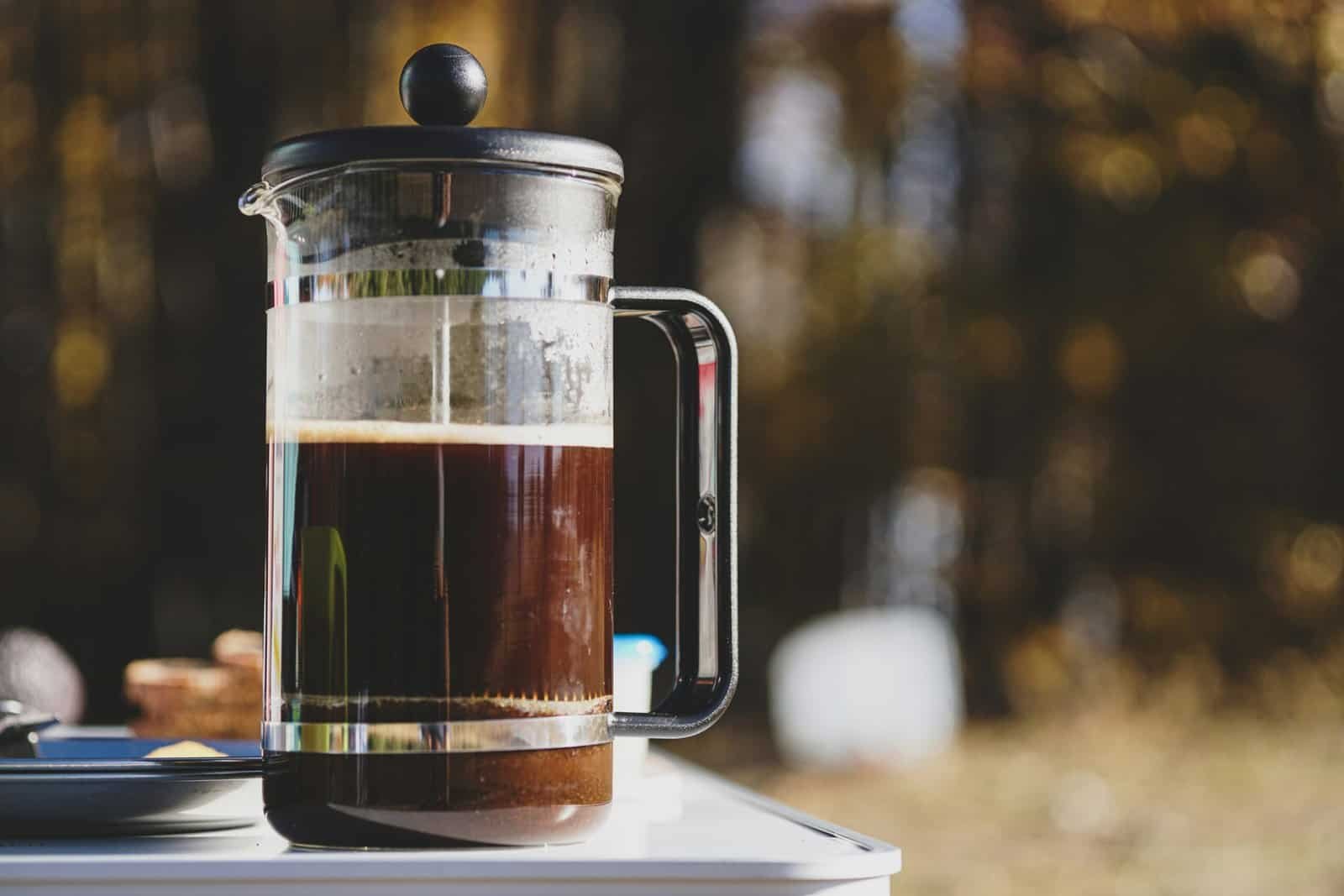
Two mugs sit on the counter, one heavy and rich from a french press, the other bright and clean from a slow pour over. The french press vs pour over choice comes down to the cup you want, since each method pulls different flavors from the same beans. You are picking a texture as much as a taste. For our current top picks, see the best pour over coffee makers guide.
A french press steeps grounds in hot water for a full-bodied, robust cup, while a pour over drips water through a filter for a cleaner, brighter brew. Your ideal pick depends on the flavor you chase and how much fuss you want at 6 a.m.
Quick verdict: Reach for a french press if you want a bold, heavy-bodied cup with rich mouthfeel and almost no technique to learn. Reach for a pour over if you want a clean, bright, nuanced cup and you enjoy a slower, hands-on ritual. The press rewards ease; the pour over rewards attention.
| Factor | French Press | Pour Over |
|---|---|---|
| Body | Full, heavy | Light, clean |
| Flavor | Rich, robust | Bright, nuanced |
| Ease | Very easy | Takes technique |
| Cleanup | Messier | Simple |
| Best for batches | Good | One or two cups |
| Sediment | Some | Almost none |
Disclosure: SmartLifeItems is reader-supported. As an Amazon Associate, we earn from qualifying purchases made through links on this page, at no extra cost to you.
How We Compared French Press vs Pour Over
We brewed for the things you taste and feel each morning: body, flavor clarity, how hard each is to get right, cleanup, and how well each scales for guests. Both methods make excellent coffee from the same beans, so the split is about the cup you prefer and the routine you enjoy. To dial in either, start with a good grind from our coffee grinder picks.
French Press: Strengths and Trade-offs
A french press steeps coarse grounds directly in hot water, then you press a metal mesh down to separate them. That full immersion keeps the natural oils in the cup, giving a heavy, rich body. You get bold coffee with almost no skill required.
Where the French Press Wins
You get a full-bodied, robust cup and a forgiving process that is hard to mess up, the strengths behind our french press picks. It also brews several cups at once, which suits a household, and pairs well with beans you might also enjoy in our cold brew makers.
Where the French Press Struggles
The metal mesh lets fine sediment and oils through, so the cup is less clean and clarity suffers. Cleanup means digging wet grounds out of the carafe, which takes more effort than rinsing a filter.
Pour Over: Strengths and Trade-offs
A pour over sends hot water slowly through a cone of grounds and a paper filter into your cup. The filter traps oils and fines, so the brew tastes bright and clean. You also control the pour, which lets you shape the flavor.
Where the Pour Over Wins
You taste a cleaner, brighter cup with clear, nuanced flavors that the filter sharpens, the appeal behind our pour over picks. Cleanup is simple, since you toss the filter and grounds together, a tidiness shared with many drip machines.
Where the Pour Over Struggles
It takes practice to pour at the right speed, and rushing it leaves a weak or uneven cup. It also brews one or two cups at a time, so it asks for patience when you have a full table.
Flavor and Body Compared
Taste is where these two split hardest.
Body and Mouthfeel
The french press gives a heavier, richer mouthfeel, since its oils and fine particles stay in the cup. The pour over feels lighter and silkier, because the paper filter strips those oils away.
Flavor Clarity
The pour over highlights bright, delicate notes that a clean brew lets shine. The french press leans bold and rounded, trading some clarity for a fuller, more robust taste.
Ease and Cleanup Compared
Daily effort favors the press in one way and the pour over in another.
Brewing Ease
The french press asks almost nothing of you beyond steep and press, so it forgives a sleepy morning. The pour over needs a steady, even pour, and the result reflects how well you do it, much like choosing the right machine in our coffee maker guide.
Cleanup
The pour over wins here, since you lift out the filter and grounds in one motion. The french press leaves wet grounds clinging to the carafe and mesh, which takes a rinse and a scoop.
Cost and Versatility Compared
Budget and extra uses round out the choice.
Cost
Both start cheap, so neither demands much to begin. A basic press and a simple pour over cone land close in price, while sturdier versions of either climb for better materials.
Versatility
The french press steeps loose tea and even cold brew with a long soak, which stretches its use. The pour over sticks to one job, though it shines at letting you taste different beans side by side.
French Press vs Pour Over: Which Should You Choose
Match the method to your taste and your mornings.
Choose the French Press If
Go with a french press if you love a bold, heavy cup, want an easy routine, or brew for more than one person. It is the low-effort path to rich coffee, and it sits alongside other simple brewers like those in our coffee maker vs espresso machine guide.
Choose the Pour Over If
Go with a pour over if you want a clean, bright cup, enjoy a slower ritual, and usually brew one or two cups. It rewards the attention you give it with clarity a press cannot match.
How to Decide Fast
Crave a rich, full body with zero fuss? Pick the press. Want a clean, nuanced cup and a hands-on morning? Pick the pour over. Either one beats a stale pot, so let your taste lead.
Common Mistakes to Avoid
The right brewer still disappoints with the wrong habits. Skip these.
Using the Wrong Grind Size
A french press needs a coarse grind, while a pour over wants a medium grind, and mixing them up ruins the cup. Too fine clogs a pour over and muddies a press, so match the grind to the method before you brew.
Pouring Water Off the Boil
Water straight off a rolling boil scorches the grounds and turns the cup bitter in either brewer. Let it rest for a short moment after boiling so the temperature settles into the sweet spot for coffee.
Leaving Coffee in the Press
Coffee left sitting on the grounds in a french press keeps extracting and turns harsh and over-steeped. Pour the whole batch out once you press, and decant any extra into a mug or carafe.
Frequently Asked Questions
Is french press or pour over better?
It depends on the cup you want. A french press gives a bold, full body with little effort, while a pour over gives a clean, bright brew that rewards technique. Both make great coffee from the same beans.
Which method makes stronger coffee?
A french press tends to taste stronger and heavier, since its oils and fines stay in the cup. A pour over can be just as concentrated, but it reads as cleaner and brighter rather than bold and robust.
Which is easier for beginners?
The french press is far easier to start with, since you only steep and press. A pour over takes practice to control the pour speed, though the technique is quick to pick up once you find a rhythm.
Why is there sediment in my french press coffee?
The metal mesh filter lets fine particles through, which settle as sediment in the cup. A coarser grind and a gentle press reduce it, but some sediment is normal and part of the press style.
Does pour over really taste cleaner?
Yes, the paper filter traps oils and fine grounds, which produces a clearer, brighter cup. That clarity highlights delicate flavor notes, which is why many coffee lovers favor pour over for lighter roasts.
Which is better for making several cups?
The french press handles batches better, brewing multiple cups in one steep. A pour over usually makes one or two cups at a time, so it suits solo mornings more than a crowd.
What grind size should I use?
Use a coarse grind for a french press and a medium grind for a pour over. Matching the grind to the method is the single biggest factor in getting a balanced, tasty cup from either one.
Related Reading
Explore more: french door air fryer ovens.
