
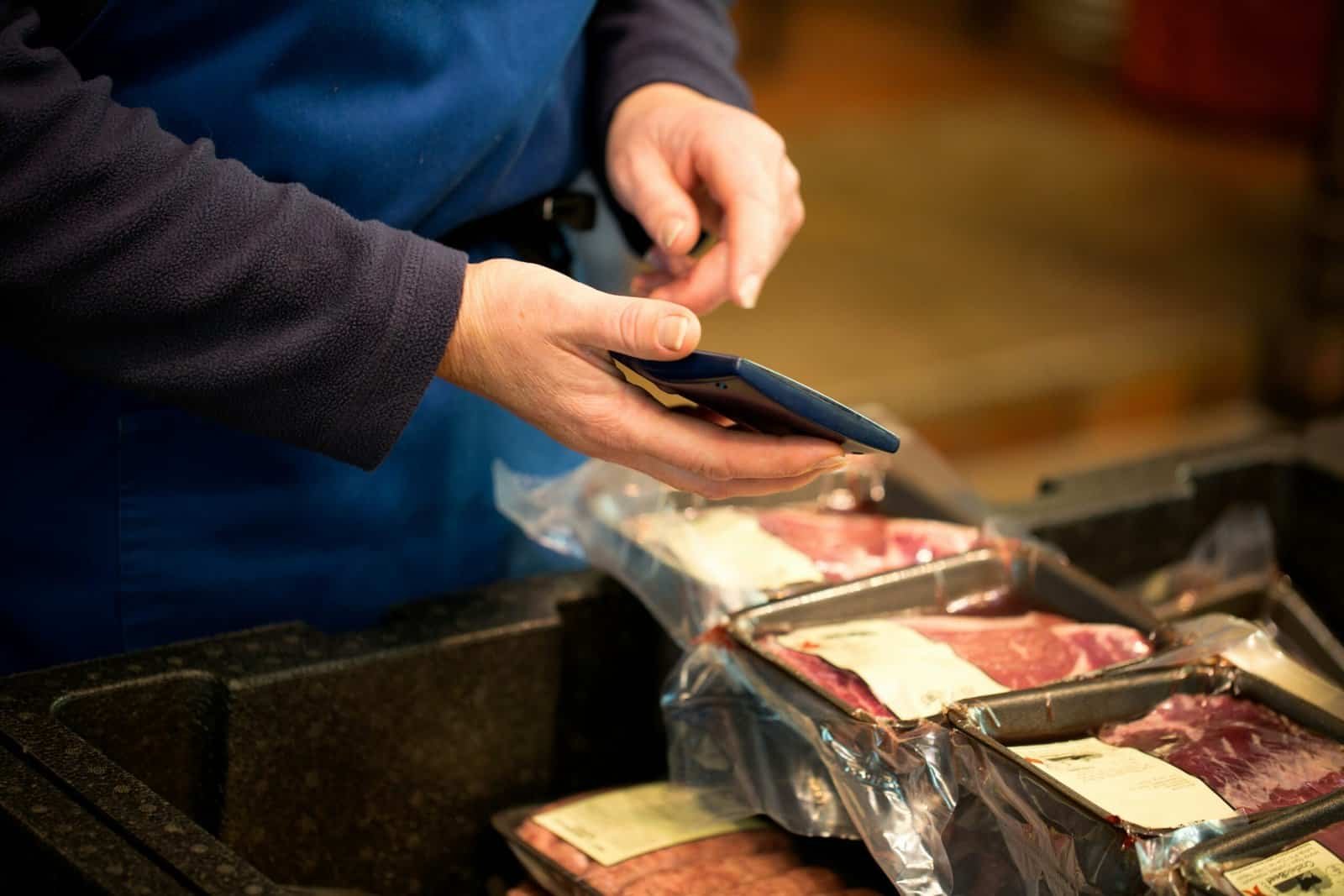
A vacuum sealer earns its place in the kitchen the moment you start meal-prepping seriously. Bags of pre-portioned protein last weeks in the freezer without burn, sous-vide cooking actually works, and bulk Costco buys stop turning into freezer-burned regret three months later. The difference between a good sealer and a bad one shows up not in the first month but in the year that follows, where seal failures cost real money in spoiled food.
This guide compares five vacuum sealers from countertop handheld units through restaurant-style chamber sealers. The picks separate meal-prep-volume users (who need a fast, reliable workhorse) from light occasional users (who do not need to spend on capacity they will not use). Sous-vide compatibility is called out where relevant.
Quick Verdict:
- Best for: serious meal preppers, sous-vide cooks, hunters and fishermen freezing large quantities, anyone buying meat or produce in bulk and wanting to extend freezer life.
- Skip if: you mostly cook fresh and rarely freeze; quality reusable containers and freezer bags cover light use at lower cost.
Disclosure: SmartLifeItems is reader-supported. As an Amazon Associate, we earn from qualifying purchases made through links on this page, at no extra cost to you.
How We Chose These Vacuum Sealers
Selection focused on seal reliability under repeated use, vacuum strength sufficient for sous-vide compatibility (where claimed), capacity matched to typical meal-prep volumes, ease of use and cleaning, and reasonable bag and accessory costs over time. Bag-only or marinade-only sealers were excluded; the picks below handle real meal-prep volume.
For broader meal-prep context, see the best meal prep containers for the prepared-meal storage side, best food storage containers for general storage, and best sous-vide cookers for the cooking method that pairs directly with vacuum sealing.
Decision Matrix: Which Sealer for Which User
| User Type | Sealer Style | Top Pick |
|---|---|---|
| Serious meal prepper, sous-vide cook | External vacuum, full-featured | FoodSaver V4840 |
| Bulk meat freezing, hunters/fishermen | Commercial-grade external | Weston Pro-2300 |
| Occasional meal prep, budget-conscious | Basic external | NESCO VS-12 |
| Wet foods, soups, marinades | Chamber-style | Avid Armor USV20 |
| Travel, small portion sealing | Handheld rechargeable | Mueller Vacuum Sealer |
1. FoodSaver V4840 2-in-1 Vacuum Sealer: Best Overall Pick
The FoodSaver V4840 is the workhorse of the consumer vacuum sealer category. Built-in handheld for resealable bags, full-coverage roll cutter and storage, dry/moist food settings, and sous-vide-rated seal strength. The handheld attachment is the differentiator that most competitors lack; for resealable produce containers and ZIP-style bags, the handheld saves significant bag cost over time.
Seal failures are rare across normal use. The bag roll storage and built-in cutter eliminate the typical hassle of measuring and cutting bag lengths separately. Pairs well with sous-vide cooking; the seal handles immersion in water bath temperatures without leaking.
Best for
Most meal-prep users; the combination of bag and handheld function covers most kitchen scenarios. Best balance of features and reliability in the consumer tier.
Skip if
You seal large game or fish in commercial volumes; the consumer-grade pump may overheat under continuous heavy use.
2. Weston Pro-2300 Commercial-Grade Vacuum Sealer: Best for Heavy Use
The Weston Pro-2300 is built for game processing, bulk meat freezing, and any scenario involving continuous sealing of large quantities. Stainless steel construction, oil-pumped (rather than diaphragm) vacuum motor for stronger pull and longer continuous use, and a 15-inch seal bar for larger cuts. The price tier reflects the commercial build.
Hunters, fishermen, and home butchers benefit from the continuous-use rating; the consumer-grade FoodSaver overheats after a few minutes of back-to-back sealing, while the Weston runs through whole game processing sessions. Heavier, larger, and louder than consumer units; the trade-off for durability and capacity.
Best for
Hunters processing game, fishermen freezing catches, home butchers, and anyone sealing bulk quantities continuously rather than in small batches.
Skip if
You seal occasional small portions; the cost, size, and weight are overkill for light meal prep.
3. NESCO VS-12 Vacuum Sealer: Best Budget Pick
The NESCO VS-12 covers core vacuum sealing function at a lower price tier. External vacuum, double seal for added reliability, dry and moist food settings, and a build that handles regular meal-prep use without the bells and whistles of the FoodSaver. Reasonable starter sealer for users testing whether vacuum sealing fits their cooking patterns before committing to premium models.
Lacks the handheld feature and bag-roll cutter of the FoodSaver V4840. The vacuum pump is consumer-grade and not rated for continuous heavy use. For mid-range meal-prep volume, it is sufficient.
Best for
Budget-conscious meal preppers, first-time vacuum sealer users, light to moderate freezer storage volume.
Skip if
You want the handheld feature, plan high-volume sealing, or need sous-vide-rated seal quality.
📑 Recommended Read: Vacuum sealing is one piece of meal prep; portioning and labeling matter equally. The right container choice for fresh-eat meals differs from the right bag for freezer storage. See the best meal prep containers for the fresh-eat side of the workflow.
4. Avid Armor USV20 Chamber Vacuum Sealer: Best for Liquids and Wet Foods
Chamber vacuum sealers work fundamentally differently from external sealers. The bag and contents go inside the chamber, vacuum is pulled in the chamber rather than through the bag, and the bag seals while the entire environment is at vacuum. This handles wet foods, marinades, soups, and stews that external sealers cannot manage without freezing first or pulling liquid into the vacuum motor.
The Avid Armor USV20 is the entry point into the chamber category. Larger and heavier than external sealers, with higher upfront cost but lower per-bag cost (chamber bags are cheaper than embossed external-sealer bags). For users who marinate frequently or want to seal wet meal-prepped foods directly, the chamber sealer is the only category that handles it well.
Best for
Liquid foods (soups, stews, marinades), wet meal prep, restaurant-style home cooking, and serious sous-vide cooks who want to seal marinated proteins directly.
Skip if
You only seal dry or pre-frozen items; external sealers cover dry sealing at much lower cost.
5. Mueller Vacuum Sealer Machine: Best for Light Use and Travel
The Mueller is a compact external sealer sized for users who want vacuum sealing capability without dedicating significant counter space. Lighter and smaller than the FoodSaver or NESCO, with basic dry/moist settings and built-in cutter. The compact form makes it travel-friendly for vacation rentals, hunting cabins, or anywhere a full-size sealer would be impractical.
Vacuum strength is moderate. Best for light meal prep, occasional bulk-buy storage, and dry food sealing. Heavy users will outgrow it; light users will appreciate not paying for capacity they do not need.
Best for
Light meal-prep users, travel use, small apartment kitchens, occasional sealing without dedicating premium counter space.
Skip if
You meal-prep weekly in significant volume; the compact pump and seal bar will limit throughput.
External vs Chamber Sealers: Which Category for Which Cook
External sealers pull air out through the bag’s open end while the bag sits outside the machine. They are smaller, cheaper, and work well for dry foods and pre-frozen items. They struggle with liquids; the vacuum sucks fluid into the motor or breaks the seal. To seal soups and stews with an external sealer, freeze first then seal the frozen block.
Chamber sealers place the entire bag inside a chamber that vacuums everything at once, then seals. They handle liquids perfectly, are faster for high-volume sealing, and use cheaper bags. The trade-offs are higher upfront cost, larger countertop footprint, and the chamber size limits maximum bag dimensions.
For meal preppers focused on dry foods and pre-frozen items, external is the right category. For users who marinate frequently, seal soups, or do extensive sous-vide cooking with wet ingredients, chamber justifies the investment. The USDA notes that proper vacuum sealing extends frozen food quality up to several times longer than standard freezer storage, regardless of sealer type.
Common Vacuum Sealer Mistakes
Sealing wet items in external sealers without freezing first: liquid gets sucked into the motor, breaks the seal, or both. Pre-freeze wet items on a sheet pan before sealing. Reusing bags: vacuum bags are not designed for repeated heat sealing. Single-use is the design; some bags can be cut down and resealed once, but not indefinitely. Skipping the moist setting for wet foods: most external sealers have separate dry and moist settings. Using the wrong one produces poor seals. Storing sealed bags improperly: vacuum-sealed bags still need cold storage. Sealing extends life within the freezer; it does not allow room-temperature storage of perishables. For pantry-side dry food storage, see the best pantry storage containers. Overfilling bags: leave at least an inch of space at the seal end. Bags filled to the edge cause seal failures and contaminate the seal area with food residue. Skipping bag labeling: dated and labeled bags are findable in the freezer; unlabeled vacuum bags become mystery meat within months. For broader storage organization context, see how to organize your pantry.
Frequently Asked Questions
How long does vacuum-sealed food last in the freezer?
Several times longer than non-vacuum storage. The USDA notes that vacuum sealing significantly extends freezer quality by removing oxygen that causes freezer burn and oxidation.
Can I vacuum seal liquids in an external sealer?
Not directly. Freeze the liquid first as a solid block, then vacuum seal. For direct liquid sealing, a chamber vacuum sealer handles it.
Are vacuum-sealed bags safe for sous-vide cooking?
Yes for purpose-rated bags. Most major brand bags (FoodSaver, Avid Armor, Weston) are rated safe for sous-vide temperatures. Always check the specific bag rating before immersion.
How much do replacement bags cost over time?
External-sealer bags cost more than chamber-sealer bags because of the embossed texture required for vacuum suction. Buying rolls and cutting to size is cheaper than pre-cut bags. Chamber sealers use flat bags at lower per-bag cost.
Can I vacuum seal vegetables for freezer storage?
Yes; blanch first for vegetables that will be stored long-term to deactivate enzymes that cause off-flavors. Freeze on a sheet pan first to prevent crushing during vacuum.
Do I need a vacuum sealer if I have a sous-vide cooker?
Not strictly. Sous-vide can use ZIP-style bags with water displacement to remove air. Vacuum sealing produces more reliable results and lets you batch-prep proteins for later sous-vide use.
What about reusable silicone vacuum bags?
Some brands offer reusable bags. They work for light use but seal less reliably than disposable bags over time. Best for short-term storage rather than long freezer storage.
What is the difference between a chamber and external vacuum sealer?
An external sealer pulls air out through the bag opening and suits everyday dry foods, while a chamber sealer removes air from an enclosed chamber, handling liquids and high volume far better. Chamber models cost more and take up more space.
Can you vacuum seal food without a machine?
Yes, using the water-displacement method with a zip-top bag: submerge the bag slowly so water pressure pushes the air out, then seal it above the waterline. It is less airtight than a machine but works for short-term storage in a pinch.
Can you vacuum seal Mason jars?
Yes, with a jar sealer attachment that fits over the lid and pulls air from the jar. It is a reusable, waste-free way to vacuum seal dry goods like coffee, nuts, and flour without using plastic bags.
How much money can a vacuum sealer save?
By extending storage life and cutting freezer burn, a sealer helps you buy in bulk and waste less. For households that meal prep or freeze regularly, the savings on reduced spoilage often cover the cost within months.
Do vacuum sealers work with any bags?
External sealers need textured or embossed bags so the channels let air escape; smooth bags will not seal properly. Chamber sealers use smooth, cheaper bags. Always match the bag type to your machine for a reliable seal.
Recommended Reading
See also our guides to robot vacuum and mop combos. See also our guides to mesh wifi systems, portable bluetooth speakers, and robot lawn mowers.
Related Reading
Explore more: robot vacuum and mop combos. Also explore: dish soap dispensers, and cordless vacuums for apartments.
