
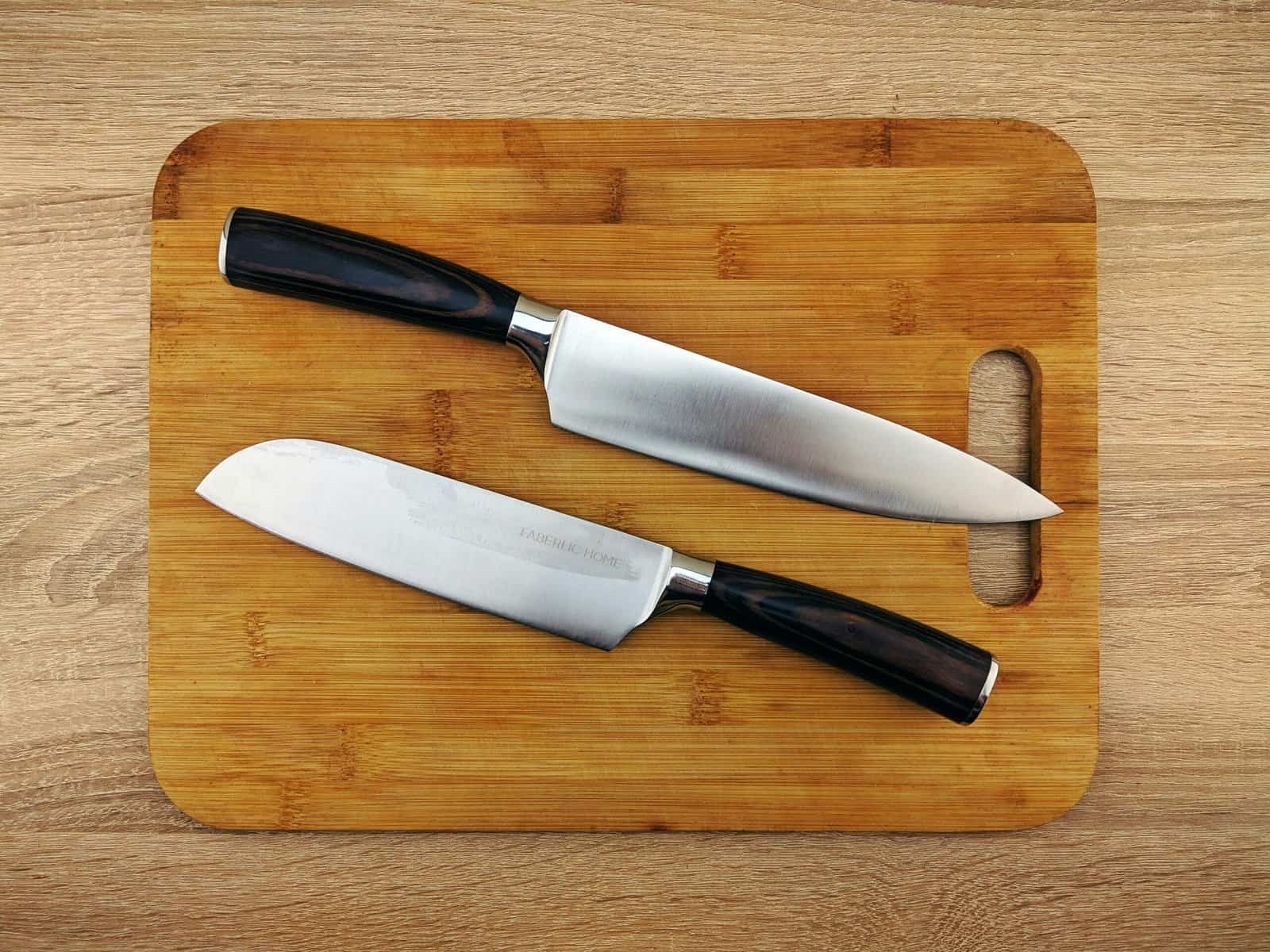
The best chef knives do one thing above all: they make every cut feel effortless, from dicing an onion to breaking down a chicken. Across budgets, the best chef knives balance a sharp, durable edge with a handle that stays comfortable through a long prep session. Our picks below span featherlight stamped blades, forged German workhorses, and razor-thin Japanese styles, so there is a fit for every hand and every kitchen.
Quick verdict:
- Best overall value: Victorinox Fibrox Pro, a lightweight workhorse cooks have trusted for years.
- Best premium: Wüsthof Classic, a fully forged German knife built to last decades.
- Best Japanese-style: Mac Mighty MTH-80, thin and scary sharp.
- Best budget: Cuisinart Classic Forged, a capable starter at a low price.
- box graters
Disclosure: SmartLifeItems is reader-supported. As an Amazon Associate, we earn from qualifying purchases made through links on this page, at no extra cost to you.
How We Picked the Best Chef Knives
We focused on the traits that matter day to day: edge sharpness and retention, balance, handle comfort, and build quality. We weighed forged and stamped construction by what each does best rather than treating one as superior. Where it mattered, we favored blades meeting recognized food-contact safety standards.
We also looked at value across price tiers, since the right knife depends on budget and cooking habits. A casual cook and a daily home chef have different needs. Our list spans entry-level to heirloom so each reader can match a knife to how they actually cook.
1. Victorinox Fibrox Pro 8-Inch: Best Overall Value
Why It Stands Out
The Victorinox Fibrox Pro has been a budget favorite of professional and home cooks for years. Its stamped, high-carbon stainless blade is light and nimble, which reduces hand fatigue during long prep. The textured Fibrox handle keeps a secure grip even when wet.
Worth Knowing
This is a light knife, so anyone who prefers the heft and bolster of a forged blade may find it insubstantial. It takes and holds a keen edge but rewards regular honing. There is no full bolster, which some cooks actually prefer for sharpening the full edge.
It suits the cook who wants maximum performance for minimal money and values agility over heft. Skip it if you crave a heavy, balanced forged feel in the hand. Pair it with a good sharpener and it will serve for years.
For a new cook on a budget who still wants real performance, it is the easiest knife on this list to recommend.
2. Mercer Culinary Genesis 8-Inch: Best Forged on a Budget
Why It Stands Out
The Mercer Genesis brings forged German construction to an accessible price. It has a full tang and a taller blade that gives knuckle clearance on the board. The Santoprene handle is grippy and comfortable for extended use.
Worth Knowing
It is heavier than a stamped knife, which is the point for fans of a substantial feel. The finish is utilitarian rather than fancy, prioritizing function over looks. It benefits from hand washing to protect both blade and handle.
This knife fits cooking students and home cooks who want a true forged blade without a premium price. Skip it if you prefer a light Japanese-style knife or a showpiece. It is a dependable everyday choice that punches above its cost.
3. Wüsthof Classic 8-Inch: Best Premium German Knife
Why It Stands Out
The Wüsthof Classic is a fully forged German knife with a reputation for lasting a lifetime. Its full bolster adds balance and a finger guard, while the high-carbon stainless steel holds a reliable edge. The fit and finish feel genuinely heirloom.
Worth Knowing
It is a premium purchase, so the price sits well above entry-level options. The heft suits people who like a substantial knife but can tire a lighter hand. The full bolster requires proper technique to keep the whole edge sharp.
It is for the committed cook who wants one excellent knife to keep for decades. Skip it if you are on a tight budget or prefer a light, thin blade. With care, it becomes the knife you reach for every day.
4. Mac Mighty MTH-80: Best Japanese-Style Knife
Why It Stands Out
The Mac Mighty MTH-80 is a beloved Japanese-style chef knife known for a thin, exceptionally sharp edge. Its hard steel holds that edge well, and the dimples along the blade help food release cleanly. It feels light and precise in the hand.
Worth Knowing
Harder steel can be more brittle, so it is not the knife for prying or hacking through bone. It rewards careful use and proper sharpening over rough handling. The thinner edge favors precision tasks over heavy chopping.
It suits cooks who value sharpness and finesse and will treat a knife with care. Skip it if you handle knives roughly or want a tough European workhorse. For clean, precise cutting, few knives feel this good.
A cook who loves slicing fish, vegetables, and herbs will appreciate its finesse most.
5. Dalstrong Gladiator Series 8-Inch: Best for Enthusiasts
Why It Stands Out
The Dalstrong Gladiator Series pairs high-carbon German steel with a bold, eye-catching design. It has a full tang, a comfortable grip, and usually ships with a protective sheath. It delivers real performance alongside its dramatic looks.
Worth Knowing
The styling is polarizing, so minimalists may find it too flashy. It is a mid-weight forged blade that lands between German heft and Japanese nimbleness. The included extras add value but are not essential to the cut.
It fits the home-cook enthusiast who wants a striking knife that still performs. Skip it if you prefer understated, classic styling or a pro-kitchen look. For someone building a personality-filled kitchen, it is a fun, capable pick.
6. Cuisinart Classic Forged 8-Inch: Best Entry-Level Pick
Why It Stands Out
The Cuisinart Classic Forged is an affordable forged knife for new or casual cooks. It has a triple-rivet handle and a balanced feel that belies its low price. It covers everyday cutting tasks without any fuss.
Worth Knowing
Edge retention is fair rather than exceptional, so plan to hone and sharpen regularly. The steel is softer than premium options, which trades longevity for easy resharpening. It is a starter knife, not a forever knife.
It suits anyone outfitting a first kitchen or wanting a low-risk introduction to a forged blade. Skip it if you cook daily and want top-tier edge retention. As a first real knife, it offers a lot for the money.
Accessories and Total Cost of Ownership
A chef knife rarely works alone, and a few companions protect your investment. Budgeting for them up front saves frustration later. None is expensive, and each extends the life of the blade.
A Honing Steel and Sharpener
A honing steel realigns the edge between uses, while a sharpener restores it when honing no longer helps. Together they keep any knife performing for years. Our roundup of the best knife sharpeners covers both tools.
A Good Cutting Board
Hard surfaces like glass or stone dull an edge fast, so a wood or soft plastic board matters. The right board protects your knife every time you use it. See our guide to cutting boards for home cooks.
Safe Storage
Loose in a drawer, a blade bangs against other tools and dulls quickly. A block, magnetic strip, or in-drawer guard keeps the edge protected. Our guide to storing knives safely compares the options.
How to Choose a Chef Knife
The right knife comes down to a few practical factors. Weigh these against how you cook rather than chasing the most expensive option. The best knife is the one that feels right in your hand.
Forged vs Stamped
Forged blades are heavier and often have a bolster, giving a substantial, balanced feel. Stamped blades are lighter and nimbler, and usually cost less. Neither is better; they simply suit different preferences.
Blade Material and Edge
German steel is tough and easy to maintain, while harder Japanese steel holds a sharper edge but needs gentler use. Think about whether you value durability or extreme sharpness. Your sharpening habits should guide the choice.
Handle and Balance
A handle should feel secure and comfortable, since you will hold it for long stretches. Pick up a knife if you can, and notice where the balance sits. Comfort prevents fatigue and improves control.
Size and Maintenance
An eight-inch blade is the versatile standard for most home cooks. Consider upkeep too, since every knife needs honing and occasional sharpening, which our guide on how to sharpen a knife walks through. Match the knife to the care you will realistically give it.
Chef Knife vs Santoku: Which Should You Get?
Many buyers weigh a classic chef knife against a santoku. Both are versatile all-purpose knives, but they cut a little differently. The right one depends on your style.
The Chef Knife
A chef knife has a curved belly that supports a rocking motion, which suits mincing and continuous chopping. Its pointed tip handles detail work. It is the most versatile single knife for most kitchens.
The Santoku
A santoku is shorter with a flatter edge, favoring a straight up-and-down chopping style. Many have dimples that help food release. Our chef knife vs santoku guide breaks down which suits your technique.
Chef Knife Comparison by Cook Type
Prices shift often on Amazon, so treat the verdicts below as guidance on fit rather than a fixed ranking. Match the row that sounds like you to the knife that earns a best-fit mark.
| Your situation | Victorinox Fibrox | Wüsthof Classic | Mac MTH-80 | Cuisinart Classic |
|---|---|---|---|---|
| Best value seeker | Best fit | Skip | Workable | Workable |
| Lifetime investment | Workable | Best fit | Best fit | Skip |
| Precision-focused cook | Workable | Workable | Best fit | Skip |
| First-kitchen beginner | Best fit | Skip | Skip | Best fit |
Recommended read: Round out your kit with our guides to the best knife sets, knife blocks and storage, and cutting boards for home cooks.
Common Chef Knife Mistakes to Avoid
A few buying and care mistakes leave cooks disappointed. Each is easy to sidestep.
Buying on Looks Alone
A striking knife that feels wrong in your hand will sit in the drawer. Prioritize grip and balance over appearance. The best-looking knife is not always the best-cutting one for you.
Putting It in the Dishwasher
Dishwasher heat and jostling dull and damage edges quickly. Always hand wash and dry a good knife right away. This single habit extends the edge dramatically.
Skipping Honing and Sharpening
Even the best knife dulls with use, and a dull blade is both frustrating and unsafe. Hone often and sharpen when needed, using a safe storage method to protect the edge between uses. Maintenance matters more than the price tag.
Frequently Asked Questions
What is the best chef knife overall?
The Victorinox Fibrox Pro is our top overall pick for its blend of sharpness, light handling, and low price. It performs like knives costing far more. For a lifetime investment instead, the Wüsthof Classic is the standout.
What size chef knife should I buy?
An eight-inch blade is the versatile standard that suits most home cooks and most tasks. Smaller hands or tight kitchens may prefer a slightly shorter blade. Larger cooks breaking down big ingredients may size up.
Is a forged or stamped knife better?
Neither is strictly better; they suit different preferences. Forged knives feel heavier and more substantial, while stamped knives are lighter and more nimble and usually cheaper. Choose based on the feel you prefer.
Are expensive chef knives worth it?
A premium knife can last decades and hold a fine edge, which justifies the cost for committed cooks. But excellent budget knives like the Victorinox perform beautifully for far less. Spend based on how often you cook.
How do I keep a chef knife sharp?
Hone the edge regularly with a steel and sharpen occasionally with a stone or sharpener. Hand wash and dry the knife, and store it so the edge does not knock against other tools. Good care keeps any knife performing. Anyone carrying a knife between kitchens should look at our knife roll and case picks.
What is the difference between a chef knife and a santoku?
A chef knife has a curved belly for rocking cuts and a pointed tip, while a santoku is flatter for up-and-down chopping. Both are versatile all-purpose knives. The better one depends on your cutting style.
Can one chef knife handle most kitchen tasks?
Yes, a quality eight-inch chef knife handles the large majority of cutting jobs, from vegetables to proteins. A paring knife and a serrated knife cover the rest. For most cooks, the chef knife is the workhorse.
Related Reading
Explore more: bread knives, paring knives, and steak knives. Also explore: saucepans everyday cooking, and cast iron vs carbon steel, and our pizza cutters guide.
Recommended Reading
See also our guides to paring knives. Before choosing a specific knife, how to work out what you need. On the material question, how the two steels compare. For the style question, see the two main styles compared.
Deciding how to grind spices? Weigh a mortar and pestle against a spice grinder.
- how to choose the right cookware
- carbon steel pans
- cast iron skillets
- boning knives, for trimming meat and filleting fish.
- the all-purpose santoku, for quick everyday chopping.
- meat cleavers, for heavy chopping and butchery.
- judging if an edge is sharp enough
- how a honing steel works
- the mid-size utility blade
- keeping blades on the wall
A good knife needs maintenance to stay good. the four habits that keep knives sharp covers what matters.
