
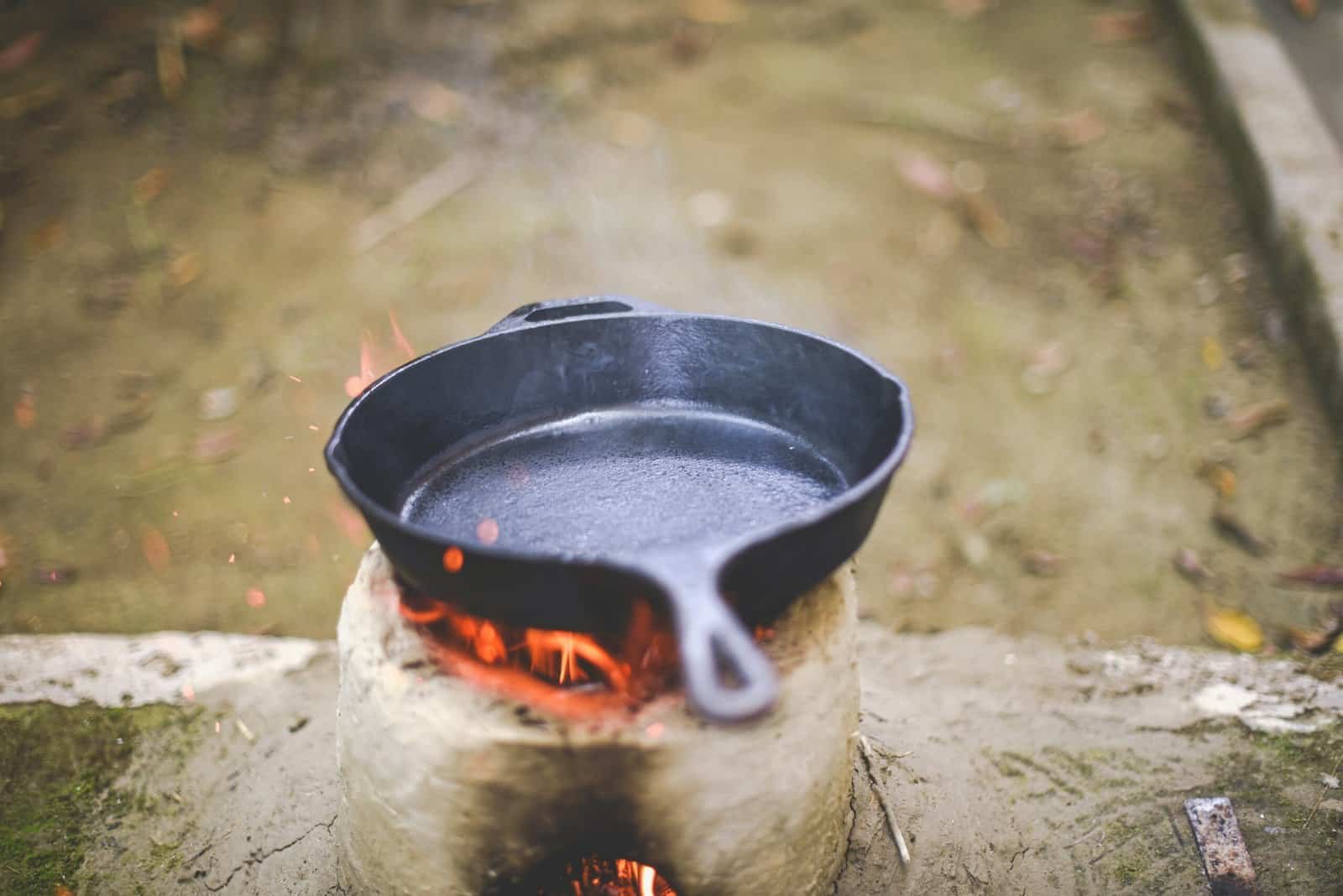
For the foundational guidance behind these picks, see our complete guide to bare and enameled cast iron.
What really separates these two bare-metal pans, and does it matter for your kitchen? Both cast iron vs carbon steel are pans you season and cook on for life, yet they handle heat, weight, and everyday tasks differently enough to favor different cooks. They are cousins, not twins. For recommendations, see our best cast iron skillets guide.
Cast iron holds heat like a brick for steady searing and baking, while carbon steel is lighter and more responsive for stovetop cooking. Knowing which trait you value most points you to the right pan, and this guide lays out the trade-offs.
Quick verdict: Choose cast iron for steady, heavy heat retention, searing, baking, and rugged durability at a low price. Choose carbon steel if you want similar nonstick seasoning and high-heat cooking in a lighter, more responsive pan that heats and cools faster. Cast iron suits set-and-forget cooking, while carbon steel suits active, on-the-stove cooking. For another matchup, compare cast iron vs nonstick.
| Factor | Cast Iron | Carbon Steel |
|---|---|---|
| Heat retention | Excellent | Good |
| Heat responsiveness | Slow | Quick |
| Weight | Heavy | Lighter |
| Seasoning and release | Builds well | Builds well |
| Best for | Searing, baking | Stovetop, sauteing |
| Price | Low | Moderate |
Disclosure: SmartLifeItems is reader-supported. As an Amazon Associate, we earn from qualifying purchases made through links on this page, at no extra cost to you.
How We Compared Cast Iron vs Carbon Steel
We looked at the traits that change how each pan cooks: heat retention and responsiveness, weight and handling, how readily each builds a nonstick season, and where each fits across the stovetop, oven, and grill. Both are bare iron-based pans that you season and care for the same basic way, so the real differences come down to physics and feel. The aim is to match the pan to your cooking style. For the wider picture, see our guide on how to choose the right cookware.
Cast Iron: Strengths and Trade-offs
Cast iron is thick, heavy, and built to hold heat. That mass makes it a champion at searing and at holding a steady temperature, and it moves easily from stovetop to oven to campfire. It is also famously cheap and nearly indestructible.
Where Cast Iron Wins
Its heat retention gives a deep, even sear and keeps temperature steady when cold food hits the pan. The same mass makes it ideal for baking cornbread, roasting, and dishes that start on the stove and finish in the oven.
Where Cast Iron Struggles
The weight is real, and a full skillet can be a workout to lift and maneuver. It also heats slowly and is slow to change temperature, so it is less nimble for quick, active cooking. Our roundup of the best cast iron skillets covers strong options.
Carbon Steel: Strengths and Trade-offs
Carbon steel offers much of cast iron’s character in a lighter, thinner body. It seasons to a slick, nonstick surface, takes high heat well, and responds far faster to changes on the burner. Restaurant cooks favor it for exactly that agility.
Where Carbon Steel Wins
Its lighter weight and quick response suit active stovetop cooking, sauteing, and stir-frying, where you adjust heat on the fly. The sloped versions make a natural pan for eggs and quick proteins once seasoned.
Where Carbon Steel Struggles
It holds less heat than cast iron, so a crowded pan recovers temperature a bit slower than the heavy iron does. It usually costs more than basic cast iron, and our guide to the best carbon steel pans compares the choices.
Cooking Performance Compared
The split comes down to retention versus responsiveness.
Heat Retention
Cast iron wins for steady, heavy heat that barely dips when food lands, which is exactly what a great sear needs. It is the better pan for holding temperature through a long cook.
Heat Responsiveness
Carbon steel wins when you need the pan to react quickly, heating up and cooling down faster as you adjust the burner. That control suits delicate sauces and fast stovetop work.
Weight, Seasoning, and Versatility Compared
Handling and upkeep also separate the two.
Weight and Handling
Carbon steel is noticeably lighter and easier to lift, tilt, and toss food in. Cast iron is heavier and more cumbersome, though that heft is part of why it sears so well.
Seasoning and Care
Both build a natural nonstick season through use and oiling, and both need the same care: dry them well and avoid long soaks. Our walkthrough on how to season a cast iron skillet applies to carbon steel too.
Cast Iron vs Carbon Steel: Which Should You Choose
Match the pan to how you cook most.
Choose Cast Iron If
Pick cast iron if you sear often, bake in the pan, want maximum heat retention, or want the cheapest near-indestructible option. It is also the natural partner to a Dutch oven for braising and baking.
Choose Carbon Steel If
Pick carbon steel if you want a lighter pan, cook actively on the stovetop, or want quick heat control for sauteing and stir-frying. If high-heat stir-frying is your main goal, also weigh a dedicated wok.
Why Some Cooks Own Both
The pans complement each other, with cast iron handling heavy searing and baking and carbon steel handling nimble stovetop work. If you are also choosing coated pans, our nonstick vs stainless steel cookware guide covers the rest of the lineup.
Common Mistakes to Avoid
Most complaints about these pans trace back to care, not the pans themselves. Avoid these.
Soaking or Dishwashing the Pan
Long soaks and the dishwasher strip the seasoning and invite rust on both cast iron and carbon steel. Instead, wipe or rinse the warm pan, scrub gently, dry it fully, and wipe on a thin film of oil to protect the surface.
Expecting Nonstick Before the Season Builds
A brand-new pan is not yet nonstick, and food will stick until the seasoning develops over weeks of use. Cook fattier foods early on, keep re-oiling after each clean, and the slick surface builds steadily rather than all at once.
Cooking Acidic Foods Too Soon
Tomatoes, wine, and citrus can eat through young seasoning and leave a metallic taste. Save long acidic simmers for a well-seasoned pan, or use stainless steel for those dishes until your iron pan is fully broken in.
Using High Heat Without Preheating
Blasting a thin carbon steel pan on high from cold can warp it or create hot spots. Let either pan preheat gradually over medium heat so it warms evenly before you turn it up for searing.
Frequently Asked Questions
Is cast iron or carbon steel better?
Neither is better overall, since they trade strengths. Cast iron holds heat better for searing and baking, while carbon steel is lighter and more responsive for active stovetop cooking. The right pick depends on your cooking style.
What is the main difference between cast iron and carbon steel?
Cast iron is thicker and heavier, so it holds heat longer but reacts slowly. Carbon steel is thinner and lighter, so it holds less heat but heats and cools faster, giving you more control on the burner.
Do both pans need seasoning?
Yes, both are bare-metal pans that build a nonstick season through oiling and use. The care is nearly identical: keep them seasoned, dry them well, and avoid long soaking to protect the surface.
Which pan is better for searing?
Cast iron, thanks to its heavy heat retention that barely dips when cold food hits the pan. That steady high heat builds the deep crust a great sear needs.
Which pan is better for eggs and stir-frying?
Carbon steel, once well seasoned, suits eggs and quick stir-frying because it is lighter and responds fast to heat changes. Its agility makes active cooking easier than with heavy cast iron. There is a middle option worth knowing about, since milled thin-wall cast iron cuts the weight without changing the material.
Can both go in the oven?
Yes, both handle oven heat well, which is why each works for dishes that start on the stove and finish in the oven. Use a mitt, since the handles get hot on both.
Which is cheaper?
Basic cast iron is usually the cheapest bare-metal pan you can buy, while carbon steel typically costs more. Both can last for decades, so either is a strong long-term value.
Recommended Reading
See also our guides to cast iron cookware lasts for generations, and how to store cast iron cookware.
Related Reading
Explore more: how to store cast iron cookware, How Cast Iron Cookware Lasts for Generations, dutch oven vs cast iron skillet, stainless steel cookware sets, and why stainless steel cookware sticks. Also explore: saucepans everyday cooking.
- chef knives
- clip on pot strainers
- cookware for gas stoves
- a burger smasher, for smash-burger night.
- a flat cast iron griddle, for pancakes, bacon, and searing.
- cast iron woks compared
