
For the foundational guidance behind these picks, see the foundation principles of cookware selection.
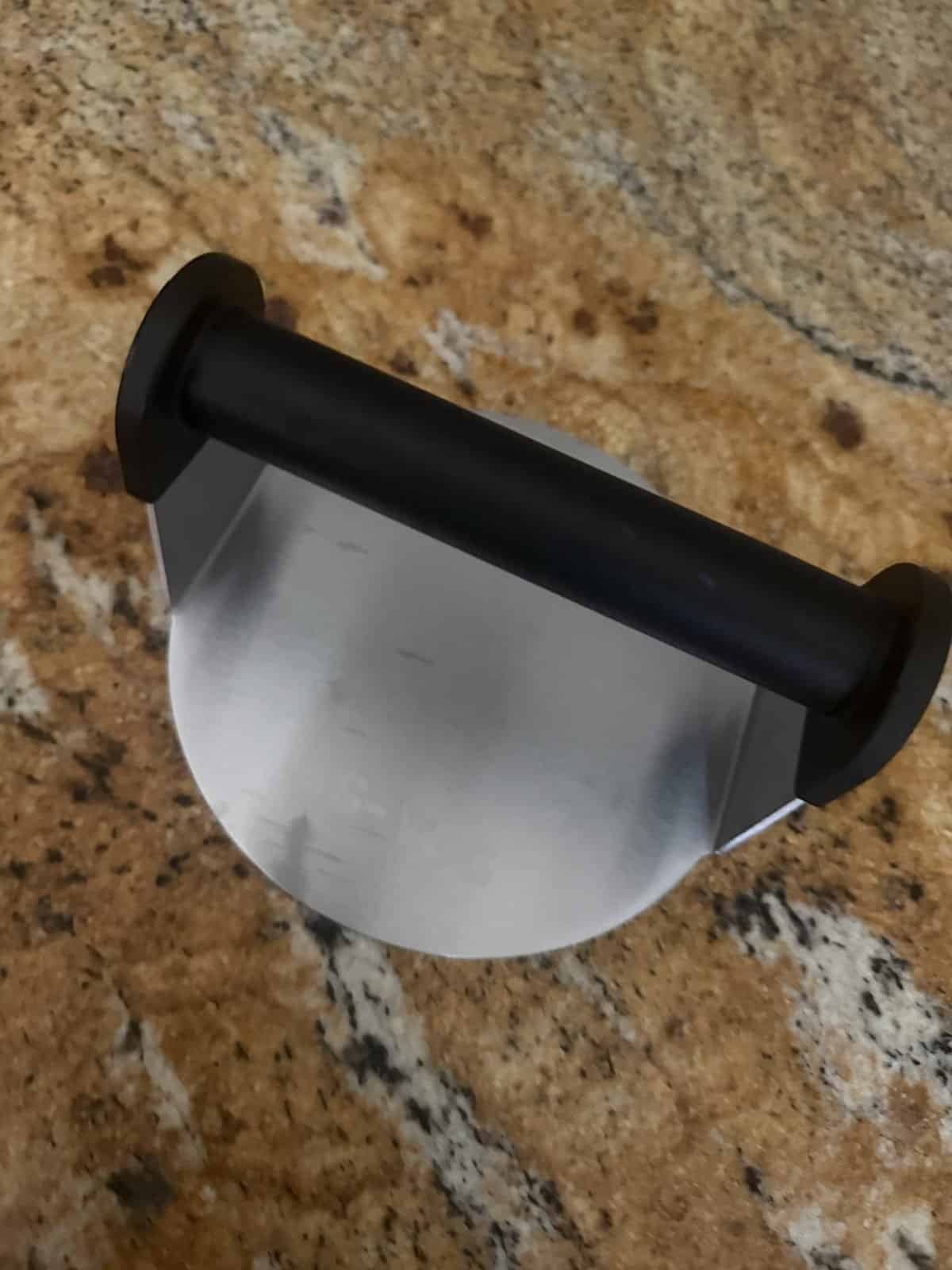
A real smashburger lives or dies on the smash: press a loose ball of beef hard onto a screaming-hot surface and you get the lacy, crackly, browned edges a formed patty never delivers. The tool that makes it happen is a burger smasher, and the one I use has turned out great smashburgers on my indoor grill while staying genuinely easy to clean. This guide starts with that hands-on take, then runs through the shapes and materials worth knowing so you can match a smasher to your setup. If your cooking surface is not sorted yet, our guide to indoor grills pairs with it.
Quick Verdict
For most cooks, a flat stainless steel smasher with a sturdy handle is the easy pick: it presses evenly, wipes clean fast, and will not rust. Reach for cast iron if you want maximum heat and crust, a square smasher for the most patty coverage, and a smasher-and-scraper combo if you also want to lift and flip. Weight and a flat, smooth base matter more than looks.
Why Trust This Guide
Picks are independent and reader-supported through affiliate links at no cost to you. The smasher featured first is the one I actually cook with, so those notes are my genuine experience, while the other types are grouped from product research so you can match one to your kitchen. Nothing is described as tried that was not, and no brand is named where I cannot confirm it.
Key Takeaways
- A heavy, flat, smooth base is what creates the thin patty and crisp crust that define a smashburger.
- Stainless steel is the easiest to clean; cast iron holds the most heat for deeper browning.
- Size matters: the base should be wider than your beef ball but fit your cooking surface.
- A comfortable, heat-safe handle keeps your hand away from the hot griddle while you press.
- Smash within the first seconds on a hot surface, then leave the patty alone to build crust.
How We Picked the Best Burger Smashers
What separates a good smasher from a frustrating one comes down to a few things: enough weight to flatten beef with a single firm press, a flat and smooth base that will not stick, a base wide enough to cover a smashburger, a handle that keeps your hand off the heat, and a surface that cleans up without a fight. Those are the qualities weighed here, grouped by material and shape so you can match one to how you cook. Good tools alongside it help too, from a reliable meat thermometer to a sturdy spatula for the flip.
1. The Burger Smasher I Use (My Pick)
Why It Stands Out
This is the smasher I actually cook with, and it has quietly earned its spot in the drawer. It presses a ball of beef flat with one firm push and gives me the thin patty and crisp, browned edges that make a smashburger worth the mess. What I appreciate most day to day is how easy it is to clean; a quick wipe or wash and it is ready to go again, with no baked-on buildup to scrub. It has held up well through regular use without warping or loosening, and the size suits the burgers I make on my indoor grill.
Worth Knowing
Any smasher works best on a properly preheated surface, so I let the grill get good and hot before the beef goes down. As with any burger tool, a scrap of parchment on top of the beef stops sticking and keeps the face clean during the press.
Who it is for: anyone who wants a straightforward, easy-clean smasher that gets the crust right. Who should skip it: cooks set on a specific material or an oversized restaurant-style plate.
2. Cast Iron Smasher (Best for Crust)
Why It Stands Out
A cast iron smasher holds heat like nothing else, so it keeps the cooking surface hot right where you press and drives deeper, faster browning. For cooks chasing the most aggressive crust, that heat retention is the reason to choose cast iron. The heft also flattens a beef ball with almost no effort, since the weight does the work for you.
Worth Knowing
Cast iron needs seasoning and hand washing rather than a dishwasher, so it asks for a little more care. It is also the heaviest option, which some cooks love and others find tiring.
Who it is for: crust chasers who do not mind seasoning and hand washing. Who should skip it: anyone who wants the lowest-maintenance, dishwasher-safe tool.
3. Stainless Steel Smasher (Easiest to Clean)
Why It Stands Out
A stainless steel smasher is the low-fuss all-rounder: it presses evenly, resists rust, and wipes or washes clean in seconds with no seasoning to maintain. For most home cooks, that easy cleanup and durability make it the sensible default. Many pair the steel face with a riveted or welded handle that stands up to daily use.
Worth Knowing
Steel does not retain heat like cast iron, so it relies on a properly hot surface for browning. Look for a solid, thick face rather than a thin stamped plate that can flex.
Who it is for: most home cooks who want easy cleanup and no upkeep. Who should skip it: those who specifically want cast iron heat retention.
4. Round Smasher (The Classic Shape)
Why It Stands Out
A round smasher matches the shape of a classic smashburger, spreading the beef into an even circle with clean edges. It is the intuitive choice for round buns and stacked cheeseburgers, and the shape makes it easy to center over a beef ball. Round smashers are widely available in both steel and cast iron, so you can pick your material.
Worth Knowing
A round face covers less of a flat griddle at once than a square one, so it is slightly less efficient for big batches. Check that the diameter is wider than your beef ball so the patty spreads fully.
Who it is for: anyone making classic round smashburgers. Who should skip it: batch cooks who want maximum surface coverage.
5. Square Smasher (Most Coverage)
Why It Stands Out
A square or rectangular smasher puts more flat face over your cooking surface, which helps when you are smashing several patties in a row or want straight-edged, diner-style burgers. The corners also let you press right up to the edge of a griddle. For anyone cooking in volume, the extra coverage speeds the work.
Worth Knowing
Square edges can dig in if you press unevenly, so keep the face flat to the surface. On a small pan, a large square smasher may be awkward, so match the size to your setup.
Who it is for: batch cooks and fans of straight-edged patties. Who should skip it: those cooking one or two burgers on a small pan.
6. Smasher-and-Scraper Combo (Most Versatile)
Why It Stands Out
A combo set pairs a smasher with a sharp-edged scraper or turner, so one purchase covers pressing, lifting the crusty patty off the surface, and scraping the griddle clean afterward. For a full smashburger workflow, having the matched scraper means you are not hunting for a separate spatula. It is the most complete option for someone building a burger setup from scratch.
Worth Knowing
A combo is only as good as its weakest piece, so check that both the smasher and the scraper feel solid. You may already own a capable turner, in which case a standalone smasher is enough.
Who it is for: cooks building a smashburger kit who want smasher and scraper matched. Who should skip it: anyone who already has a good spatula or turner.
Burger Smashers at a Glance
| Type | Best for | Standout | Watch-out |
|---|---|---|---|
| Everyday smasher | Most cooks | Easy clean, gets the crust | Match size to your surface |
| Cast iron | Crust chasers | Heat retention | Season and hand wash |
| Stainless steel | Low maintenance | Rust-free, dishwasher-easy | Less heat retention |
| Round | Classic burgers | Even round patties | Less batch coverage |
| Square | Batch cooking | Most surface coverage | Awkward on small pans |
| Smasher and scraper | Full kit | Press, lift, and clean | Only as good as both pieces |
How to Choose a Burger Smasher
Weight and a flat base
The whole job is flattening beef and building crust, so you want enough heft to smash with one press and a base that is genuinely flat and smooth. A light or slightly warped face fights you and spreads the patty unevenly. Heft plus a flat face is the core of a good smasher.
Size to your surface
The face should be wider than your beef ball so the patty spreads fully, but still fit comfortably on your griddle or pan. A round smasher suits classic burgers, while a square one covers more surface for batches. Measure your cooking surface before you buy.
Material and cleanup
Stainless steel is the easiest to clean and needs no upkeep, while cast iron trades some convenience for superior heat and crust. Decide how much maintenance you are willing to do, since that choice shapes your daily experience more than anything else.
Handle comfort and safety
You are pressing over a very hot surface, so a handle that keeps your hand clear and stays cool enough to grip matters. Look for a securely attached handle, whether riveted metal, wood, or heat-safe plastic, that feels solid when you push down.
How to Use a Burger Smasher
Get the surface hot first
Smashburgers depend on high heat, so preheat your griddle, grill, or pan until it is genuinely hot before the beef touches it. A lukewarm surface steams the meat instead of searing it, and no smasher can fix that.
Smash early, then leave it
Place a loose ball of beef, lay a scrap of parchment on top to stop sticking, and press down hard once within the first few seconds. Then leave the patty alone to build its crust before you scrape and flip it, a rhythm that pairs well with knowing why meat needs to rest after cooking.
Common Burger Smasher Mistakes to Avoid
Smashing a cold surface
Pressing beef onto a surface that is not hot enough gives you a pale, steamed patty. Preheat fully so the meat sears the instant it is smashed.
Smashing too late
The smash only thins the patty in the first seconds before the meat sets. Press right after the beef hits the heat, not a minute in.
Skipping the parchment
Pressing bare metal onto raw beef often means it sticks and tears when you lift the smasher. A small piece of parchment on top keeps the face clean and the patty intact.
Buying a smasher that is too light
A flimsy, lightweight smasher forces you to lean on it and still spreads unevenly. Choose a genuinely heavy, flat tool so one firm press does the job.
Recommended Reading
- Electric griddles, a natural home for smashburgers.
- Grill pans, if you want sear marks and stovetop cooking.
- Steak knives, to round out the meat-cooking kit.
Burger Smasher FAQ
What is a burger smasher and do I need one?
A burger smasher is a heavy, flat-faced tool you press onto a ball of beef to flatten it against a hot surface, creating the thin patty and crisp crust of a smashburger. You do not strictly need one, but a purpose-built smasher presses more evenly and safely than improvising with a spatula.
What size burger smasher is best?
Choose a face wider than your beef ball so the patty spreads fully, while still fitting your cooking surface. Many home cooks are well served by a smasher a bit wider than a standard bun. If you batch cook on a large griddle, a bigger or square face covers more ground.
Is cast iron or stainless steel better for a burger smasher?
Cast iron holds more heat for deeper browning but needs seasoning and hand washing, while stainless steel is rust-free, easy to clean, and lower maintenance. Choose cast iron for maximum crust and stainless steel for everyday convenience. Both make excellent smashburgers on a hot surface.
How do you keep a burger smasher from sticking?
Lay a small piece of parchment paper on top of the beef before you press, so the smasher contacts paper instead of raw meat. This keeps the face clean and lifts away without tearing the patty. A properly hot surface also reduces sticking.
How do you clean a burger smasher?
Stainless steel smashers wipe or wash clean quickly and many are dishwasher safe, which makes cleanup easy. Cast iron should be hand washed and re-oiled to protect the seasoning. Using parchment during the press keeps most residue off the face in the first place.
Can you use a burger smasher on an indoor grill?
Yes. A burger smasher works on any flat, hot cooking surface, including an indoor grill, a griddle, or a cast iron pan. Make sure the surface is preheated and that the smasher fits it, then smash the beef in the first seconds for the best crust.
Why use a smasher instead of a regular patty?
Smashing a loose ball onto a hot surface maximizes contact and browning, producing crisp, lacy edges and deep flavor that a pre-formed patty cannot match. The technique also cooks fast. A pre-formed patty stays thicker and browns less, so it is a different burger entirely.
What else do I need to make smashburgers at home?
Beyond a smasher, you want a hot flat surface like a griddle or grill, parchment or a similar barrier to prevent sticking, and a sturdy scraper or turner to lift the crusty patty. Loose-packed beef and simple seasoning finish the setup for a great smashburger.
Related in this cluster: our guide: how to organize your kitchen.
