
For the foundational guidance behind these picks, see the complete guide to choosing a coffee grinder.
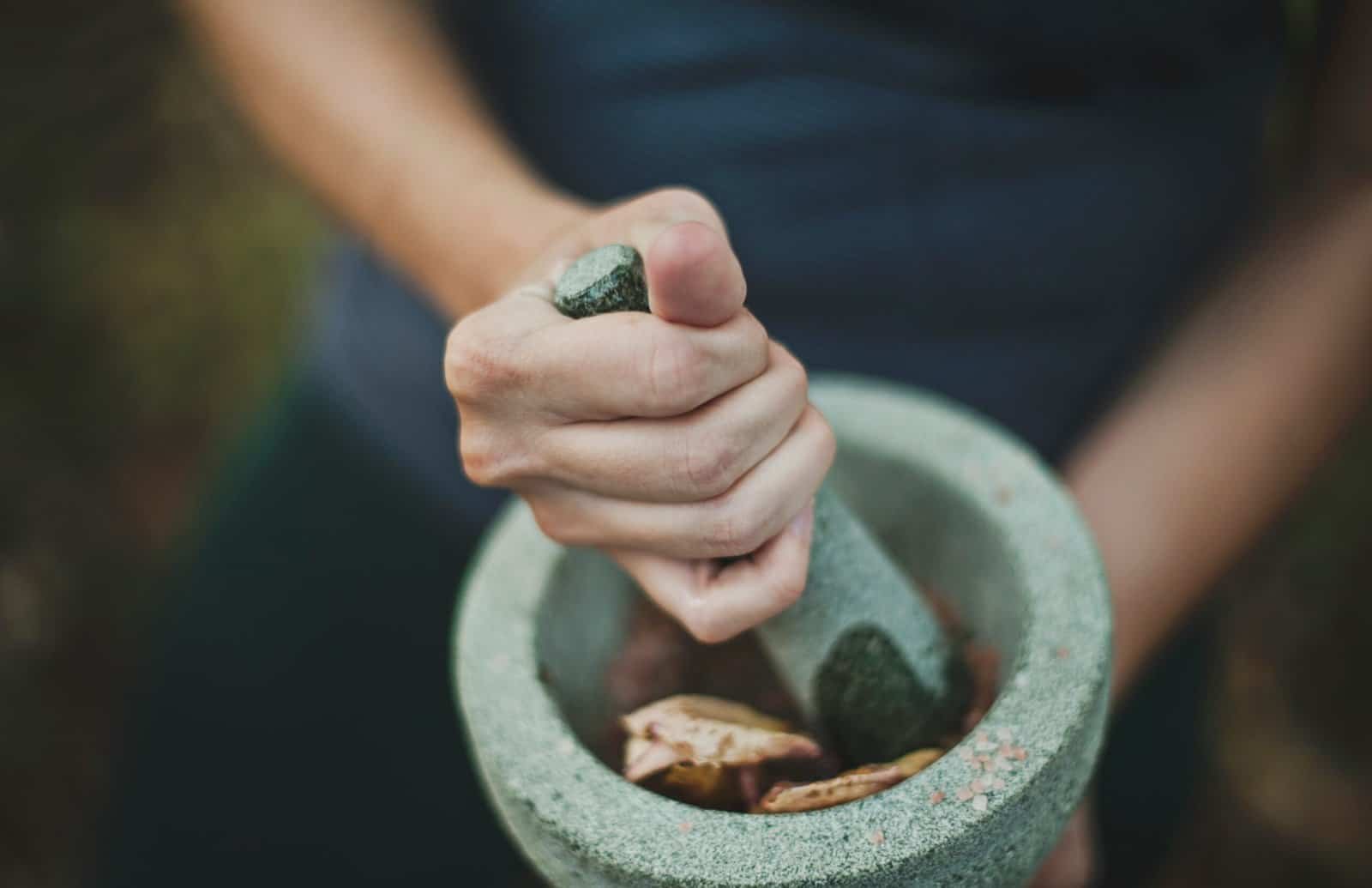
The best mortar and pestle is a heavy, rough-textured granite set for most kitchens, since weight and grip do the work of crushing spices and herbs. This classic tool releases flavor that pre-ground jars and electric grinders cannot match, grinding whole spices, mashing garlic, and making pastes and guacamole. This guide covers six sets across granite, marble, molcajete, and budget options, plus how material and size change performance. Whether you toast and grind spices or muddle herbs, there is a set here for your cooking.
Quick Verdict
For most cooks, a heavy granite mortar and pestle is the best all-around choice, with a rough interior that grips and grinds spices, seeds, and pastes efficiently. Choose a marble set for elegance and softer tasks, a basalt molcajete for guacamole and salsa, and a large set for batch work. Prioritize weight, a rough grinding surface, and a comfortable pestle.
Key Takeaways
- Heavy granite with a rough interior grinds spices and pastes most efficiently.
- Weight matters: a heavier mortar stays put and does more of the crushing work.
- Material changes performance, from grippy granite to smooth marble to porous basalt.
- Season a new stone mortar before first use to remove grit.
How We Picked the Best Mortar and Pestle Sets
We weighed material and grinding texture, weight and stability, bowl capacity, pestle comfort and heft, ease of cleaning, and value. A rough interior and solid weight led, since together they crush efficiently without the bowl sliding. We also considered porosity and seasoning needs by material. The picks span granite, marble, basalt, and budget sets, so cooks of every style can find a match. We also weighed how comfortable the pestle is to hold and swing, since a pestle that is too short, too smooth, or poorly balanced makes grinding tiring, and a well-shaped one lets you work longer with less effort.
1. Heavy Granite Mortar and Pestle
Why It Stands Out
A heavy granite set is the best all-around pick. Its rough interior grips spices and seeds while the weight keeps the bowl planted, so you grind with control rather than chasing it around the counter. For everyday spice grinding and pastes, granite is the reliable workhorse.
Worth Knowing
Season a new granite mortar by grinding rice until the flour comes out clean, removing loose grit. It is heavy to lift and store, which is the trade-off for its grinding power. That heft is exactly why it outperforms lighter sets, so treat the weight as a feature rather than a drawback, and give it a permanent spot on the counter if you grind often.
Choose it for versatile everyday grinding. Skip it if you want a lightweight set or a polished countertop piece.
2. Marble Mortar and Pestle
Why It Stands Out
A marble set is the best pick for looks and lighter tasks. Its smooth, elegant surface suits grinding softer spices, herbs, and small amounts, and it looks handsome on a counter. For cooks who value appearance and gentler grinding, marble is a refined choice.
Worth Knowing
The smoother interior grips less than granite, so hard whole spices take more effort. Marble can also stain, so wipe up colorful ingredients promptly to keep it looking clean.
Choose it for herbs, soft spices, and countertop style. Skip it for heavy-duty grinding of hard whole spices.
3. Basalt Molcajete
Why It Stands Out
A basalt molcajete is the best pick for guacamole, salsa, and Mexican cooking. The porous volcanic stone grinds and mashes chiles, tomatoes, and avocado beautifully, and it doubles as a rustic serving bowl. For authentic salsas and guac, the molcajete is the traditional tool.
Worth Knowing
Porous basalt must be seasoned by grinding rice and aromatics until no grit remains, and it should not be soaked or washed with soap. Its texture is ideal for mashing but sheds a little at first.
Choose it for salsas, guacamole, and rustic serving. Skip it if you want a low-maintenance, non-porous surface.
4. Ceramic Mortar and Pestle
Why It Stands Out
A ceramic set is the best pick for easy cleaning and small tasks. Its glazed, non-porous bowl wipes clean, resists staining and odors, and often has a rough unglazed interior for grip. For grinding small amounts of spices and pastes with simple cleanup, ceramic is practical.
Worth Knowing
Ceramic is lighter than stone, so it grinds smaller batches and can move on the counter without a firm hold. It can also chip if knocked hard, so handle it with a little care.
Choose it for easy cleaning and small batches. Skip it for heavy grinding of large quantities.
5. Large-Capacity Granite Set
Why It Stands Out
A large granite set is the best pick for batch work and pastes. A bigger bowl handles curry pastes, pesto, and spice blends in volume without overflowing, so you prep more in one go. For cooks who make pastes or grind in quantity, capacity plus weight is the winning combination.
Worth Knowing
A larger stone set is heavy and takes cupboard space, so it suits dedicated cooks over occasional users. Season it like any granite mortar before first use for clean results.
Choose it for pastes and large batches. Skip it if you grind only small amounts occasionally.
6. Budget Mortar and Pestle
Why It Stands Out
An affordable set is the best value pick. It covers everyday spice grinding and small pastes at a low price, making it a smart entry point before committing to a premium stone set. For occasional cooks or those testing the waters, a budget set delivers the essentials.
Worth Knowing
Budget sets may be lighter or smoother, so hard spices take more effort and the bowl can slide. Check that it has enough weight and a rough interior, and season it if it is stone.
Choose it to start affordably. Skip it if you grind hard spices often and want maximum grinding power.
Mortar and Pestle Sets at a Glance
| If you want this | Reach for | Why |
|---|---|---|
| Versatile everyday grinding | Heavy Granite | Rough, grippy, and heavy |
| Style and soft tasks | Marble | Elegant, smoother surface |
| Guacamole and salsa | Basalt Molcajete | Porous, mashes and serves |
| Easy cleaning, small batches | Ceramic | Glazed, wipes clean |
| Pastes and batch work | Large Granite | Capacity plus weight |
| The best value | Budget Set | Essentials at low cost |
How to Choose a Mortar and Pestle
Pick the Right Material
Material sets the character: grippy granite for hard spices and everyday grinding, smooth marble for herbs and looks, porous basalt for salsas, and glazed ceramic for easy cleanup. Match the material to what you grind most, since each excels at different tasks, and prep alongside good chef knives and cutting boards. Store spices nearby with a spice rack for quick access.
Prioritize Weight and Texture
Weight and a rough interior are what make a mortar work. A heavy bowl stays put while a rough surface grips and crushes, so together they let the tool do the effort. A light, smooth set slides and struggles with hard spices, so favor heft and texture, much as you would choose sturdy mixing bowls for stability.
Consider Capacity
Match bowl size to your cooking. A small mortar suits grinding a pinch of spice, while a large one handles pastes and blends in volume. If you make pesto or curry paste, size up; if you grind small amounts, a compact set is easier to store and clean. Compare against a spice grinder for high-volume dry spice work.
Plan for Seasoning and Care
Stone mortars, especially granite and basalt, need seasoning before use by grinding rice until the flour is clean, and porous stone should skip soap. Ceramic and non-porous sets wipe clean easily. Factor care into your choice, and keep a herb scissors handy for prep the mortar does not cover.
Common Mortar and Pestle Mistakes to Avoid
Skipping Seasoning
A new stone mortar can shed grit into your food if not seasoned first. Grind uncooked rice until the resulting flour comes out clean and white, then rinse. Skipping this step leaves grit and dust in your first batches, so always season granite and basalt before cooking with them.
Choosing a Light, Smooth Set
A mortar that is too light or too smooth slides around and fails to crush hard spices, making the tool frustrating. Favor a heavy bowl with a rough interior so it stays put and grips. Weight and texture are the two features that make grinding efficient, so do not overlook them.
Using Soap on Porous Stone
Porous basalt and unglazed stone absorb soap, which can taint future grinding. Clean these with water, a brush, and coarse salt or rice rather than detergent. Reserving soap for glazed, non-porous sets keeps a porous mortar tasting clean and preserves its seasoned surface. Store ground blends in mason jars or sealed food storage containers to keep them fresh.
Grinding Too Much at Once
Overfilling the bowl makes ingredients spill and grind unevenly. Work in smaller batches, adding more as you go, so the pestle can crush effectively against the sides. Patience and smaller loads give a finer, more even grind than cramming everything in at once.
Recommended Reading
Frequently Asked Questions
What is the best material for a mortar and pestle?
Granite is the best all-around material, with a rough interior and heavy weight that grind hard spices efficiently. Marble suits herbs and softer tasks, basalt is ideal for salsas and guacamole, and ceramic cleans easily for small batches. Choose the material based on what you grind most.
Do I need to season a new mortar and pestle?
Yes, for stone mortars like granite and basalt. Season by grinding uncooked rice until the flour comes out clean and white, then rinse, which removes loose grit and dust. Glazed ceramic and non-porous sets do not need seasoning, but always rinse any new set before first use.
Why is weight important in a mortar and pestle?
A heavier mortar stays planted on the counter while you grind, so the tool does the work instead of sliding around. Combined with a rough interior, weight lets you crush hard spices and seeds efficiently. A light, smooth set moves and struggles, making grinding slower and more frustrating.
Can I grind wet and dry ingredients in the same mortar?
Yes, a mortar handles both dry spices and wet pastes like garlic, herbs, and guacamole, which is a key advantage over some grinders. Clean it well between very different ingredients to avoid flavor transfer, and reserve soap for non-porous sets, using salt and rice for porous stone.
How do I clean a mortar and pestle?
For glazed ceramic and non-porous sets, wash with soap and water. For porous stone like basalt, use water, a brush, and coarse salt or rice instead of soap, which the stone can absorb. Dry thoroughly, and grind a little rice occasionally to refresh a stone mortar’s surface.
Is a mortar and pestle better than a spice grinder?
Each has strengths. A mortar and pestle gives control and handles wet pastes, releasing flavor as you crush, while an electric spice grinder is faster and more uniform for large amounts of dry spice. Many cooks own both, choosing by task between control and speed.
What size mortar and pestle should I buy?
Match the size to your cooking. A small mortar suits grinding a pinch of spice or garlic, while a large one handles pastes, pesto, and spice blends in volume. If you make pastes often, size up; if you grind small amounts, a compact set is easier to store and clean.
Can a molcajete be used for spices too?
Yes, a basalt molcajete grinds spices as well as making salsa and guacamole, though its coarse, porous surface is best for mashing and medium grinds rather than fine spice powder. Season it thoroughly first, and keep it soap-free, cleaning with water, a brush, and coarse salt.
Part of our full guide: the comprehensive kitchen organization methodology.
