
For the foundational guidance behind these picks, see the full framework for choosing cast iron.
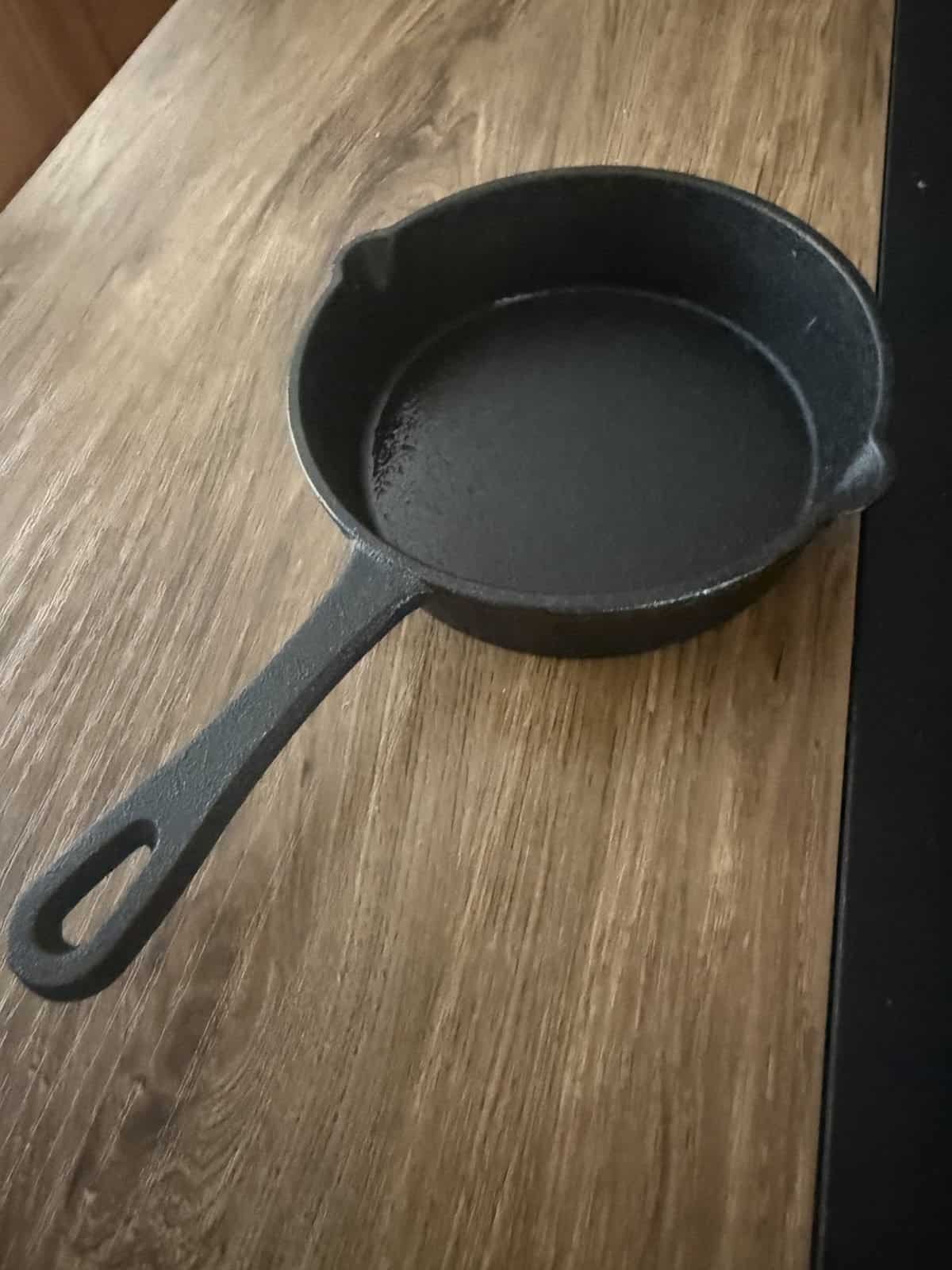
Cast iron is far less fragile than its fussy reputation suggests. To clean a cast iron skillet, wash it with hot water and a brush while it is still warm, dry it completely right away, and rub in a thin layer of oil. That is the whole routine, and it is the same standard method I use on my own skillet, which has stayed clean and safe to cook in because of it. The rules that actually matter are about avoiding rust and protecting the seasoning, not scrubbing hard, and once you know them the pan is genuinely low-maintenance. For building that seasoning in the first place, see our guide to seasoning a cast iron skillet.
Quick Verdict: Clean cast iron while it is still warm using hot water and a brush, scraper, or chainmail scrubber. A little mild dish soap is fine on modern, well-seasoned pans. Dry it completely at once, then rub in a very thin coat of oil to protect the surface. Never soak it, never air-dry it, and keep it out of the dishwasher.
Why Trust This Guide: These are the same everyday methods I use to keep my own cast iron in shape, not anything exotic. Following this routine, mine has stayed looking clean and stayed safe to cook in over regular use, which is the honest goal here: a pan that works, not a museum piece. For more on this, see our guide to the tools worth owning for it.
Key Takeaways:
- Clean cast iron while warm; food lifts off far more easily than after it cools.
- A small amount of mild soap will not ruin the seasoning on a modern, well-seasoned pan.
- Drying immediately and completely is the single most important step for preventing rust.
- A thin coat of oil after each cleaning maintains the seasoning between deeper re-seasonings.
- Never soak cast iron, run it through the dishwasher, or let it air-dry.
How to Clean a Cast Iron Skillet Step by Step
The whole process takes a couple of minutes and is easiest right after cooking, while the pan is still warm. Keep a brush or scraper and a clean towel within reach.
- Clean while warm. Tackle the pan soon after cooking, when it is still warm but safe to handle, since food releases much more easily than it does once cooled and hardened.
- Rinse and scrub. Run hot water over the skillet and scrub with a stiff brush, a pan scraper, or a chainmail scrubber to lift food residue. A little mild dish soap is fine on a well-seasoned pan.
- Loosen stuck-on food. For baked-on bits, scrub with a paste of coarse salt and a little water, or simmer a shallow layer of water in the pan for a minute to release them, then scrape.
- Dry it completely. Towel the skillet dry at once, then set it over low heat on the stove for a minute or two to drive off every trace of moisture. This is the step that prevents rust.
- Oil it lightly. While the pan is still warm, rub a very thin layer of cooking oil over the cooking surface with a paper towel, then buff off the excess so it looks dry rather than greasy.
- Store it dry. Put the skillet away completely dry in a dry spot, as covered in our guide to storing cast iron cookware.
Can You Use Soap on Cast Iron?
Yes, a small amount of mild dish soap is fine on modern cast iron, and this is where a lot of old advice leads people astray. The fear comes from the era of lye-based soaps that could strip a pan, but today’s gentle detergents will not harm a well-established seasoning layer, which is bonded to the metal rather than sitting loosely on top. What genuinely damages cast iron is soaking, harsh abrasives that scrub the seasoning off, and leaving it wet. So use a little soap if you want, scrub reasonably, and focus your care on drying and oiling instead.
How to Deal With Stuck-On Food
Stuck-on food is the most common cleaning frustration, and it is easily solved without gouging the pan. Reach for a coarse salt scrub first: a spoonful of salt with a splash of water becomes a gentle abrasive that lifts residue while leaving the seasoning intact. For tougher, baked-on messes, simmer a shallow layer of water in the skillet for a minute so the heat and steam loosen everything, then scrape with a wooden or plastic pan scraper. Avoid attacking it with steel wool or the dishwasher, since those strip seasoning. For badly burnt cookware of other kinds, our guide on cleaning burnt pots and pans covers the harsher cases.
Drying and Oiling: The Steps That Matter Most
If you remember nothing else, remember to dry cast iron completely and oil it lightly, because this is what keeps rust away and the seasoning intact. Towel the pan dry immediately, then finish it over low heat so no hidden moisture remains in the pores of the metal. Once it is bone dry, rub in a whisper-thin coat of oil and buff off the excess, which both protects the surface and slowly builds the seasoning over time. Too much oil turns sticky and gummy, so thinner is always better. This quick habit after every wash is the real secret to cast iron that lasts, and it is part of why cast iron cookware lasts for generations.
What About Rust?
A little surface rust is not the end of a cast iron skillet; it is fixable. Scrub the rusty spots with steel wool or a coarse scrubber until you reach clean metal, wash and dry the pan thoroughly, then re-season it to rebuild the protective layer. Rust almost always comes from moisture left on the pan or from storing it damp, so the fix is really about prevention: dry completely and oil lightly every time. If the seasoning has worn thin or patchy, a full re-season restores it once the metal is clean and dry.
Common Cast Iron Cleaning Mistakes to Avoid
Soaking the pan
Leaving cast iron submerged is the fastest route to rust. Wash it promptly and dry it right away rather than letting it sit in water.
Air-drying or dishwashing
Both leave moisture on the metal and invite rust, and a dishwasher’s detergents and heat strip seasoning. Always hand wash and towel-and-heat dry instead.
Over-scrubbing with steel wool
Aggressive abrasives on everyday cleaning wear down the seasoning you worked to build. Save steel wool for actual rust, and use a brush or chainmail for normal washing.
Piling on the oil
A thick coat of oil turns sticky and gummy rather than protective. Rub in a very thin layer and buff off the excess so the surface looks dry. A gummy, tacky surface is a separate quick fix; see fixing sticky seasoning.
Recommended Reading:
- Cast iron skillets, if you are looking to add or upgrade a pan.
- Cast iron vs carbon steel, to compare the two classic pans.
- How to choose cookware, for building out your kitchen.
How to Clean a Cast Iron Skillet FAQ
Can you use soap to clean cast iron?
Yes. A small amount of mild dish soap is fine on modern, well-seasoned cast iron. The old warning comes from harsh lye soaps of the past. What actually harms cast iron is soaking, heavy abrasives, and leaving it wet, so focus your care on drying and oiling rather than avoiding soap.
How do you clean cast iron after cooking?
Clean it while still warm with hot water and a brush, scraper, or chainmail scrubber. Loosen any stuck-on food with a salt scrub or a quick simmer of water, dry the pan completely, and rub in a thin coat of oil. The whole routine takes only a couple of minutes.
How do you get stuck-on food off cast iron?
Scrub with a paste of coarse salt and water, which lifts residue without harming the seasoning. For tougher messes, simmer a shallow layer of water in the pan for a minute to loosen everything, then scrape with a wooden or plastic scraper. Avoid steel wool and the dishwasher for routine cleaning.
Should you dry cast iron right away?
Yes, and it is the most important step. Towel the skillet dry immediately after washing, then set it over low heat for a minute or two to remove any remaining moisture. Water left on the pan is the main cause of rust, so drying completely protects it.
Do you need to oil cast iron every time you clean it?
A very thin coat of oil after each cleaning is good practice, since it protects the surface and slowly builds the seasoning. Rub it in while the pan is warm and buff off the excess so it looks dry. Use only a whisper of oil, as too much turns sticky.
Is a rusty cast iron skillet ruined?
No. Scrub the rust away with steel wool until you reach clean metal, then wash, dry thoroughly, and re-season the pan to rebuild its protective layer. Rust is almost always caused by leftover moisture, so preventing it comes down to drying completely and oiling lightly every time.
Can cast iron go in the dishwasher?
No. Dishwasher detergents and the long wet cycle strip the seasoning and leave the pan prone to rust. Cast iron should always be hand washed, dried immediately, and lightly oiled. Keeping it out of the dishwasher is one of the simplest ways to make it last.
On what to clean it with, the two tools that make this quick.
Recommended Reading
Two tools dominate cast iron cleaning. chainmail against a wire brush compares them directly.
