
For the foundational guidance behind these picks, see what to buy first and what to skip in cast iron.
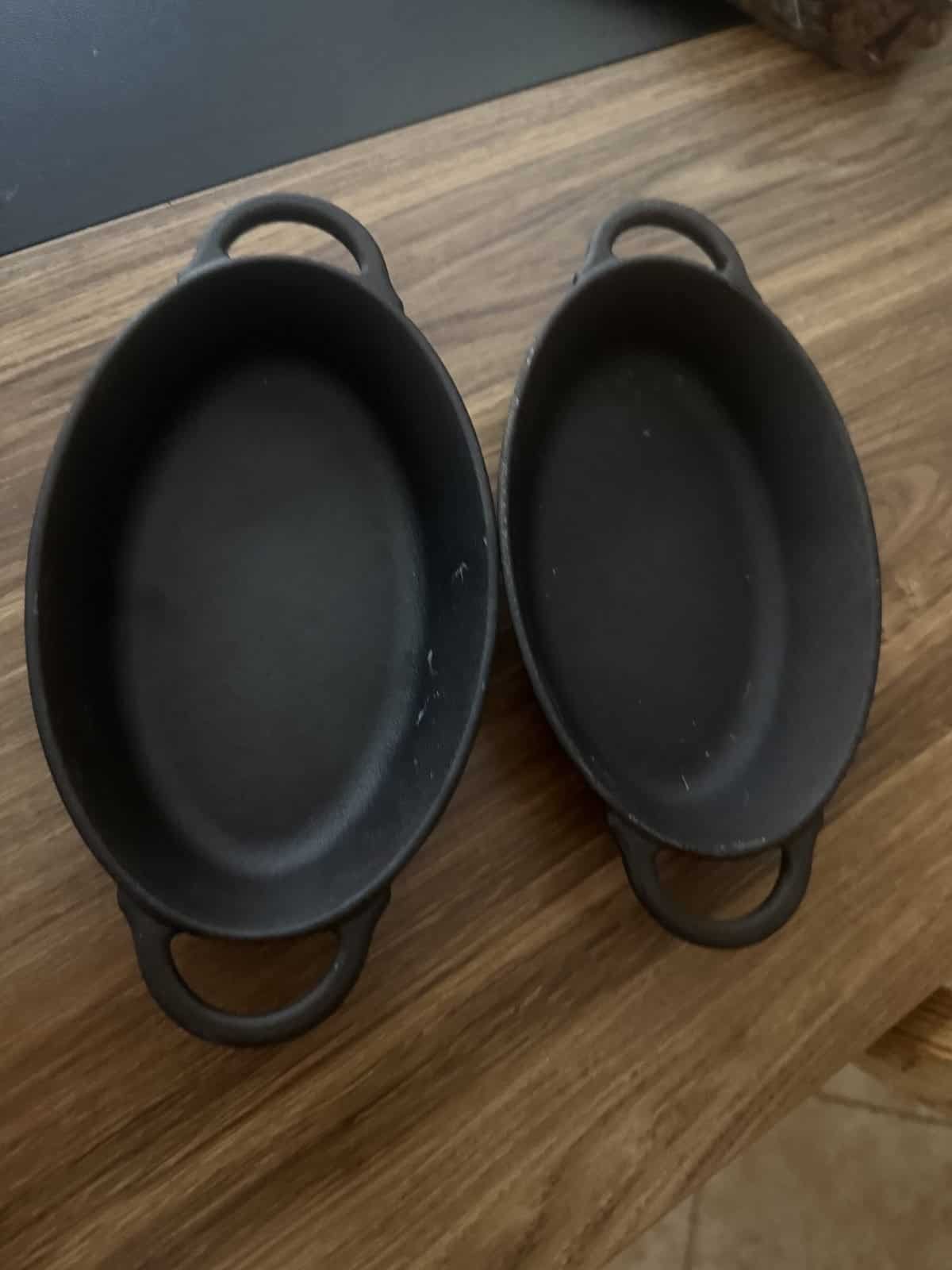
A mini cast iron skillet takes a single fried egg, a personal cornbread, or a bubbling side dish straight from the burner to the table looking great. These small pans punch above their size, holding heat and browning food just like their full-grown siblings while cooking single servings and doubling as oven-to-table serveware. I keep a matching pair of mini cast iron skillets myself, and like my full-size skillet they cook well and clean up with almost no effort. This guide covers the small skillets and serving pans worth owning; for the main cooking pan, see our roundup of full-size cast iron skillets.
Quick Verdict
For most people, a pre-seasoned round mini skillet is the versatile starting point: it fries an egg, bakes a personal dessert, and serves it in the same pan. Choose an oval serving skillet for oven-to-table presentation, a matched set if you entertain or plate individual servings, and an enameled mini for color and no-seasoning cleanup. Look for solid casting and a size that suits single portions. For ideas beyond eggs, browse what to cook in cast iron.
Why Trust This Guide
Picks are independent and reader-supported through affiliate links at no cost to you. The pair featured first is the set I actually use, so those notes are my genuine experience, while the other types are grouped from product research so you can match one to how you cook and serve. No brand is named where I cannot confirm it, and nothing is described as tried that was not.
Key Takeaways
- Mini cast iron skillets cook single servings and go from oven or stove straight to the table.
- They hold and radiate heat like full-size cast iron, so food keeps sizzling as it is served.
- Round minis are the most versatile; oval skillets shine for serving and au gratin dishes.
- Sets suit entertaining and individual portions, while enameled minis skip the seasoning upkeep.
- Care is the same as any cast iron: clean while warm, dry completely, and oil lightly.
How We Picked the Best Mini Cast Iron Skillets
Small cast iron earns its place through a few practical qualities: a solid, smooth casting that heats evenly, a size genuinely suited to single servings, comfortable handles or helper handles for moving a hot little pan, and easy care that matches the rest of your cast iron. Those are the factors weighed here, grouped by shape and use so you can match a pan to whether you want to cook, serve, or both. Good habits carry over from your bigger pans too, and our guide to seasoning a cast iron skillet applies just the same to the little ones.
1. The Mini Cast Iron Skillets I Use (My Pick)
Why It Stands Out
The pair of mini cast iron skillets I use has been a genuinely handy addition to the kitchen. They work well for exactly what small cast iron is meant for, holding heat and cooking single servings evenly, then going to the table still warm. What I appreciate most is that they clean up just as easily as my full-size skillet: a quick wash while warm, a thorough dry, and a light wipe of oil, and they are ready for next time. Having two means I can cook or serve a matching pair at once, which is more useful than I expected.
Worth Knowing
Like any cast iron, they want prompt drying rather than soaking, and their small size means smaller portions, so they complement rather than replace a big skillet. Helper handles get hot, so keep a mitt or holder nearby.
Who it is for: anyone who wants easy-care small cast iron for single servings and serving at the table. Who should skip it: cooks who only need one large pan and never plate individual portions.
2. Round Mini Skillet (Most Versatile)
Why It Stands Out
A round mini skillet is the do-everything small pan: fry a single egg, toast spices, bake a personal skillet cookie, or serve a dip straight from the oven. Its round shape and single handle mirror a classic skillet, so it feels familiar and handles the widest range of jobs. For a first mini, this is the shape to reach for.
Worth Knowing
The single handle gets hot, so treat it like any cast iron and use a mitt or handle cover. Very small diameters suit one egg or side, so size up if you want a bit more room.
Who it is for: anyone wanting one flexible small skillet for cooking and serving. Who should skip it: those who specifically want an oval serving shape.
3. Oval Serving Skillet (Best for the Table)
Why It Stands Out
An oval cast iron serving skillet is built for presentation, with a shape suited to individual bakes, au gratin dishes, and sizzling sides that arrive at the table still bubbling. The two helper handles make it easy to move from oven to trivet, and the oval footprint fits a place setting neatly. For oven-to-table serving, this is the standout.
Worth Knowing
It leans more toward serving and baking than everyday stovetop frying, so it complements a round skillet rather than replacing it. Set it on a trivet, since it holds heat and will mark a bare table.
Who it is for: anyone who plates individual servings or loves oven-to-table presentation. Who should skip it: cooks who only want a stovetop frying pan.
4. Mini Skillet Set (Best for Entertaining)
Why It Stands Out
A matched set of mini skillets is the entertainer’s pick, letting you cook or serve several identical individual portions at once, from baked eggs at brunch to molten desserts after dinner. Buying a set costs less per pan than one at a time and guarantees they match on the table. For anyone who cooks for a few, the set earns its keep quickly.
Worth Knowing
A set takes more storage space, so make sure you have room to stack or hang them. Confirm each pan arrives pre-seasoned so the whole set is ready to use.
Who it is for: hosts and anyone who plates individual servings for a group. Who should skip it: solo cooks who only need one small pan.
5. Pre-Seasoned Mini Skillet (Ready to Use)
Why It Stands Out
A pre-seasoned mini skillet arrives with a factory seasoning layer already baked on, so you can cook the day it lands without setting up the seasoning yourself. For anyone new to cast iron or who just wants to get cooking, that head start removes the main hurdle. The seasoning still builds and improves with use over time.
Worth Knowing
Factory seasoning is a starting point, not a finished nonstick surface, so it deepens as you cook. Give it a light oiling after each wash to keep it developing, as covered in our care notes below.
Who it is for: beginners and anyone who wants to cook right out of the box. Who should skip it: those who prefer enameled cast iron with no seasoning at all.
6. Enameled Mini Skillet (No Seasoning Needed)
Why It Stands Out
An enameled mini skillet wraps cast iron in a colorful, glassy coating that needs no seasoning and wipes clean easily, which suits cooks who want the heat retention of cast iron without the upkeep. The finish also handles acidic foods like tomato sauce that bare cast iron can react with. For low-maintenance color on the table, enameled is the pick.
Worth Knowing
Enamel can chip if banged or overheated dry, so treat it gently and avoid metal utensils that scratch. It usually costs more than bare cast iron for the same size.
Who it is for: cooks who want easy care, color, and acid-friendly cooking. Who should skip it: traditionalists who prefer bare, seasoned cast iron.
Mini Cast Iron Skillets at a Glance
| Type | Best for | Standout | Watch-out |
|---|---|---|---|
| Everyday pair | Easy-care servings | Cook and serve, simple cleanup | Small portions |
| Round mini | Versatility | Does a bit of everything | Handle gets hot |
| Oval serving | Oven-to-table | Presentation, helper handles | Less for stovetop frying |
| Matched set | Entertaining | Multiple identical servings | Needs storage space |
| Pre-seasoned | Beginners | Cook right away | Seasoning still develops |
| Enameled | Low maintenance | No seasoning, acid-friendly | Can chip, costs more |
How to Choose a Mini Cast Iron Skillet
Match the size to the job
Mini skillets vary from tiny single-egg pans to slightly larger personal-bake sizes, so picture what you will cook and serve. A very small pan handles one egg or a spice toast, while a larger mini fits a personal cornbread or dessert. Buy the size that fits your typical serving.
Decide cook, serve, or both
A round mini is the flexible cooker, an oval skillet leans toward serving and baking, and a set covers multiple portions. Be honest about whether you want a stovetop workhorse or an oven-to-table serving piece, since the shape follows the use.
Bare or enameled
Bare cast iron builds seasoning and costs less but needs the usual dry-and-oil care, while enameled skips seasoning and wipes clean but costs more and can chip. Your tolerance for upkeep decides this more than anything, so choose the finish that fits your routine.
Check the casting and handles
Look for a smooth, even casting without rough spots, and handles or helper handles that let you move a hot little pan safely. A solid feel signals a pan that will last, which is part of why cast iron cookware lasts for generations.
What Can You Make in a Mini Cast Iron Skillet?
Everyday cooking
Mini skillets are ideal for single servings: a fried or baked egg, a small batch of sauteed vegetables, toasted nuts or spices, or a personal grilled cheese. Their heat retention gives a good sear even at small scale, which is where they shine over a lightweight pan.
Baking and serving
They also excel at individual bakes, from personal skillet cookies and cornbread to au gratin sides and molten desserts, all served in the same pan. Set the hot skillet on a trivet at the table, and pair it with the right cookware for the rest of the meal.
Common Mini Cast Iron Mistakes to Avoid
Grabbing a hot handle bare-handed
A small pan looks harmless, but cast iron handles get just as hot as big ones. Always use a mitt or handle cover when moving a mini skillet.
Letting it soak or air-dry
Mini skillets rust from leftover moisture just like full-size cast iron. Wash promptly, dry completely, and oil lightly rather than soaking or leaving them wet.
Setting a hot skillet on a bare table
Cast iron holds heat and will scorch or mark a surface. Use a trivet or heat pad when you bring a mini skillet to the table.
Expecting it to replace a big skillet
A mini is a complement, not a substitute, and overfilling it just makes a mess. Keep portions small and reach for a full-size pan when you need real capacity.
Recommended Reading
- Carbon steel pans, a lighter alternative to cast iron.
- Storing cast iron cookware, to keep your pans rust-free.
- Cast iron vs carbon steel, if you are comparing materials.
Mini Cast Iron Skillet FAQ
What are mini cast iron skillets used for?
They are ideal for single servings and oven-to-table presentation: a fried or baked egg, personal cornbread or cookies, au gratin sides, and molten desserts. Their heat retention gives a good sear at small scale, and you can cook and serve in the same pan, still sizzling.
What size is a mini cast iron skillet?
Mini skillets typically run from very small single-egg pans up to slightly larger personal-bake sizes. Choose based on your serving: a tiny pan suits one egg or toasting spices, while a larger mini fits a personal cornbread or dessert. Check the stated diameter before buying.
Can you cook a full meal in a mini cast iron skillet?
They are built for single servings and components rather than a whole family meal, so they complement a full-size skillet rather than replace it. You can cook individual portions, sides, or desserts beautifully, but reach for a larger pan when you need real capacity.
How do you clean a mini cast iron skillet?
Care is the same as any cast iron: clean it while warm with hot water and a brush, dry it completely, and rub in a thin coat of oil. A little mild soap is fine on a seasoned pan. In my experience the minis wipe clean just as easily as a full-size skillet.
Are enameled or bare mini skillets better?
Bare cast iron builds seasoning, costs less, and handles high heat, but needs dry-and-oil care. Enameled skips seasoning, wipes clean, and handles acidic foods, but costs more and can chip. Choose bare for tradition and value, enameled for low-maintenance color.
Do mini cast iron skillets come pre-seasoned?
Many bare cast iron minis arrive pre-seasoned and are ready to cook right away, though the seasoning keeps improving with use. Enameled minis need no seasoning at all. Check the listing, and give bare pans a light oiling after each wash to keep the seasoning developing.
Can mini cast iron skillets go in the oven?
Yes. Bare cast iron is oven-safe at high temperatures, which is exactly why minis suit personal bakes and au gratin dishes. Enameled versions are oven-safe too, though usually to a lower limit, so check the maker’s temperature guidance before baking.
Are mini cast iron skillets worth buying?
If you cook single servings, entertain with individual portions, or love oven-to-table presentation, a mini or a small set is genuinely useful and inexpensive. If you only ever cook large batches in one pan, a full-size skillet alone may be all you need.
