
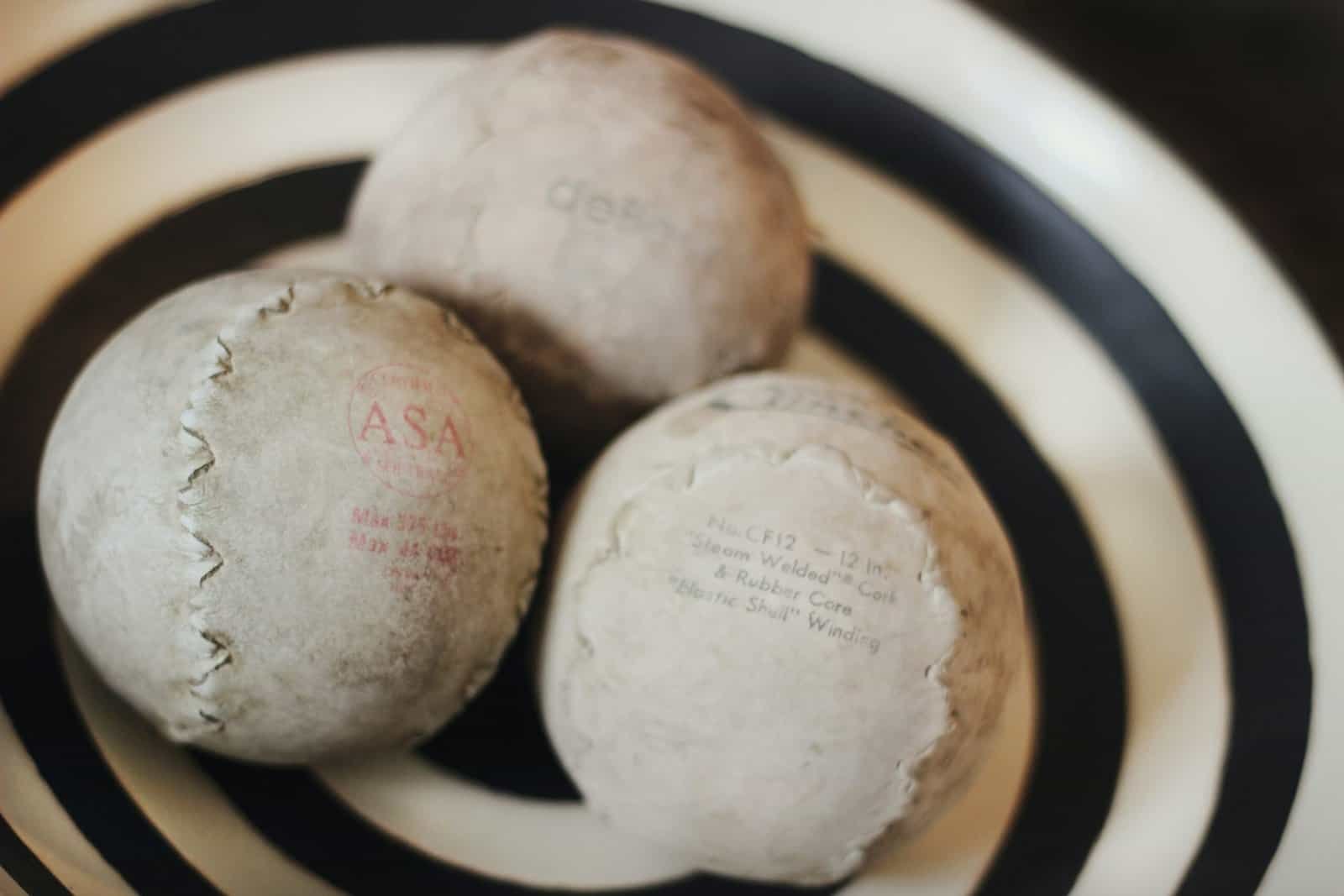
Wool dryer balls do two things. They separate clothes in the drum so hot air circulates instead of tunneling through a packed mass, and they absorb some moisture themselves. The result is a modestly shorter cycle, which is where the running-cost argument comes from.
What they do not do is soften fabric the way a liquid conditioner does. That distinction matters, because anyone buying them expecting an identical replacement for dryer sheets will notice the difference on towels first.
Quick Verdict
Six balls is the practical minimum for a standard dryer, and three does very little. Expect a modest reduction in drying time rather than a dramatic one. They reduce static without eliminating it, and adding a few drops of essential oil handles scent if you want it.
Key Takeaways
- Ball count matters more than ball quality
- They shorten cycles by separating fabric, not by heating anything
- Static reduction is partial rather than complete
- They soften by tumbling rather than by coating fibers
- Wool sheds slightly in the first few loads
- They last for hundreds of loads, which is the cost argument
How We Picked
Density came first. A tightly compressed ball holds its shape through hundreds of cycles, and a loosely wound one unravels and flattens within months.
Size mattered for the same reason. Larger balls separate a load more effectively than small ones, and tennis-ball size is roughly the useful minimum.
Wool type counted. New Zealand wool appears in most marketing, and what actually matters is whether the ball is felted solid throughout rather than wound around a hollow core.
Quantity per set decided value, since six is the working number and sets of three require buying two packs.
We excluded plastic and rubber dryer balls, which are noisier and do less for moisture absorption.
Six-Packs of Extra-Large Wool Balls
Why It Stands Out
Six balls in a standard dryer is where the effect becomes noticeable. Fewer than that and clothes still clump, which is the mechanism the whole product depends on.
Extra-large sizing separates bulky items better. A load of towels or a comforter needs bigger balls to keep layers apart, and small ones disappear into the folds.
Buying six at once also costs less than two packs of three, and it means you have the working quantity from the first load rather than wondering why the effect is subtle.
Well-felted balls hold their shape through several hundred cycles, which spreads the cost across years rather than months.
Worth Knowing
They are noisier than dryer sheets. Six wool balls thumping around a drum is audible through a wall, which matters in an apartment at night.
New wool sheds slightly for the first several loads, leaving small fibers on dark clothes. That stops once the surface settles.
Best for standard and large dryers where the load has room to tumble. Skip if noise through shared walls is a concern.
Compact Sets for Small Dryers
Why It Stands Out
Apartment-sized and portable dryers have small drums, and extra-large balls crowd them. Standard-size balls leave room for clothes to actually move.
Smaller drums also mean smaller loads, so four balls in a compact dryer achieves what six does in a full-size one.
Sets sized for compact machines usually cost less, which suits a household running frequent small loads rather than occasional large ones.
Worth Knowing
Smaller balls are less effective on bulky items. A comforter in a compact dryer is a difficult load regardless of what you add to it.
They also wear faster, since a smaller ball takes proportionally more impact per cycle.
Best for compact and portable dryers. Skip for full-size machines, where larger balls do more.
Organic and Undyed Wool Balls
Why It Stands Out
Undyed wool avoids the dye transfer that colored balls can produce on light fabrics, particularly when new and slightly damp.
For anyone with wool sensitivity, certified organic sourcing at least tells you what the processing involved, which conventional wool does not.
Undyed balls also show wear honestly. A ball that has gone gray and fuzzy is telling you something a dyed one hides.
Worth Knowing
Wool allergy is a real thing, and organic certification does not change the protein people react to. Anyone with a known wool sensitivity should treat these cautiously regardless of sourcing.
The price premium is meaningful for a product that works identically to conventional wool in the dryer.
Best for light-colored laundry and anyone who prefers minimal processing. Skip if you have a known wool sensitivity, in which case the category is not for you.
Essential Oils for Scent
Why It Stands Out
Wool balls add no scent, which is the main thing people miss after switching from dryer sheets. A few drops on a ball before the cycle handles it.
Scent intensity is entirely under your control, which suits households where one person wants fragrance and another does not.
Oils also cost far less per load than scented sheets, since a small bottle covers months.
Worth Knowing
Oil applied to a ball and put straight into a hot dryer can mark fabric. Letting the drops absorb for a few minutes first avoids it.
The scent is fainter than a dryer sheet and fades faster. Anyone wanting laundry that smells strongly for days will find this disappointing.
Some oils are flammable in concentration, so applying a sensible few drops rather than saturating a ball matters.
Best for anyone who wants light scent on their own terms. Skip if you need strong lasting fragrance.
Storage Bags and Holders
Why It Stands Out
Wool balls end up inside duvet covers, in sock drawers, and behind the machine. A dedicated bag or wall holder keeps six of them in one place between loads.
Leaving them in the dryer works until someone runs a load without checking, at which point they end up folded into the laundry.
A hanging holder near the machine also serves as a reminder, which is the actual reason people stop using them.
Worth Knowing
Wool balls need air between uses. A sealed container traps residual moisture and the wool develops a smell.
This is a minor accessory, and buying a dedicated holder is optional where a small basket already exists.
Best for households where the balls keep disappearing. Skip if you have somewhere obvious to put them already.
Dryer Vent Cleaning Kits
Why It Stands Out
Dryer balls shorten cycles at the margin, and a blocked vent lengthens them enormously. Anyone buying balls to reduce drying time should check the vent first, because that is where the real minutes are.
Lint accumulation in a vent line is also the leading cause of dryer fires, which makes this maintenance rather than optimization.
A brush kit reaches the length of a typical vent run and costs about what a set of dryer balls does.
Worth Knowing
This addresses the vent duct rather than the lint trap. Cleaning the trap every load is separate and still necessary.
Long or convoluted vent runs in apartment buildings often cannot be reached from inside the unit.
Best as an annual job for any household with a vented dryer. Skip only if your building maintains the ducts, and general cleaning tools sit in cordless vacuums.
Wool Dryer Balls at a Glance
| Factor | Wool balls | Dryer sheets | Liquid softener |
|---|---|---|---|
| Shortens drying | Modestly | No | No |
| Reduces static | Partially | Yes | Yes |
| Softens fabric | By tumbling | By coating | By coating |
| Adds scent | Only with oils | Yes | Yes |
| Cost per load | Very low | Ongoing | Ongoing |
| Affects towel absorbency | No | Reduces it | Reduces it |
How to Use Wool Dryer Balls
Use six, not three
The effect scales with how well the load gets separated. Three balls in a full drum barely register, and six is where people notice a difference.
Do not overload the dryer
Balls work by keeping clothes apart, which requires room to tumble. A packed drum defeats them completely.
Expect partial static control
They reduce static rather than eliminating it, particularly on synthetics in dry air. A slightly shorter cycle helps, since overdrying is what generates most of it.
Replace them when they flatten
A ball that has gone soft and misshapen no longer separates a load. Several hundred cycles is a reasonable expectation from a well-felted one.
The Cost Argument, Honestly
Wool balls get sold on savings, and the arithmetic is worth stating plainly rather than assuming.
The consumable saving is real and small. A household using dryer sheets goes through a box every couple of months, and a set of wool balls lasts years, so the replacement cost disappears.
The energy saving is the number people quote and the one that varies most. Claims of twenty or thirty percent shorter cycles come from manufacturers, and independent observation generally lands lower. A few minutes off a cycle is a fair expectation.
Where that matters most is a household running several loads a week over years. Small per-cycle savings across hundreds of cycles add up to something, and a single load makes no visible difference on a bill.
The clearer benefit is what they do not do: no residue on fabric, no coating that reduces towel absorbency, and no film building on the lint screen. That is a maintenance argument rather than a financial one, and it holds regardless of what the energy numbers turn out to be.
Wool Balls Against Dryer Sheets
Wool balls
Reusable for years, shorten cycles modestly, leave no residue, and preserve towel absorbency. They add no scent and are noisier.
Dryer sheets
Handle static and scent better, and coat fibers with a residue that reduces towel absorbency over time and builds up on the lint screen.
Common Wool Dryer Ball Mistakes to Avoid
Using too few
Sets of three exist because they are cheap to sell. Six is the number that makes the mechanism work in a standard drum.
Expecting them to replace softener exactly
They soften by mechanical action rather than by coating fibers. Towels come out fluffier and more absorbent, and clothes feel less slick than with liquid softener.
Saturating them with oil
A few drops absorbed before the cycle is the approach. Oil applied heavily can mark fabric and is unwise near heat.
Ignoring the vent
Balls shave minutes and a blocked vent adds many more. Checking the duct does more for drying time than anything you put in the drum, and small-space laundry planning sits in organizing a small space.
Recommended Reading
- drying without a dryer
- sorting before the wash
- hampers and baskets
- washing without hookups
- where clothes go afterward
- apartment essentials
Part of our guide to organizing a laundry room.
Frequently Asked Questions
Do wool dryer balls actually shorten drying time?
Modestly. They separate clothes so hot air circulates instead of tunneling through a packed mass, which shaves minutes rather than transforming a cycle.
How many wool dryer balls should I use?
Six in a standard dryer. Three does very little, since the effect depends on how thoroughly the load gets separated in the drum.
Do they replace fabric softener?
Not exactly. They soften by tumbling rather than by coating fibers, so towels come out fluffier and more absorbent while clothes feel less slick than with liquid softener.
Do they stop static?
They reduce it rather than eliminating it, especially on synthetics in dry air. A shorter cycle helps, since overdrying generates most static.
How long do wool dryer balls last?
Several hundred cycles for a well-felted ball. Replace them once they flatten or go misshapen, since a soft ball no longer separates a load.
Are they noisy?
More than dryer sheets. Six balls thumping in a drum is audible through a wall, which matters in an apartment during evening loads.
Can I add scent?
A few drops of essential oil on a ball, absorbed for a few minutes before the cycle. The scent is lighter and shorter-lived than a dryer sheet.
