
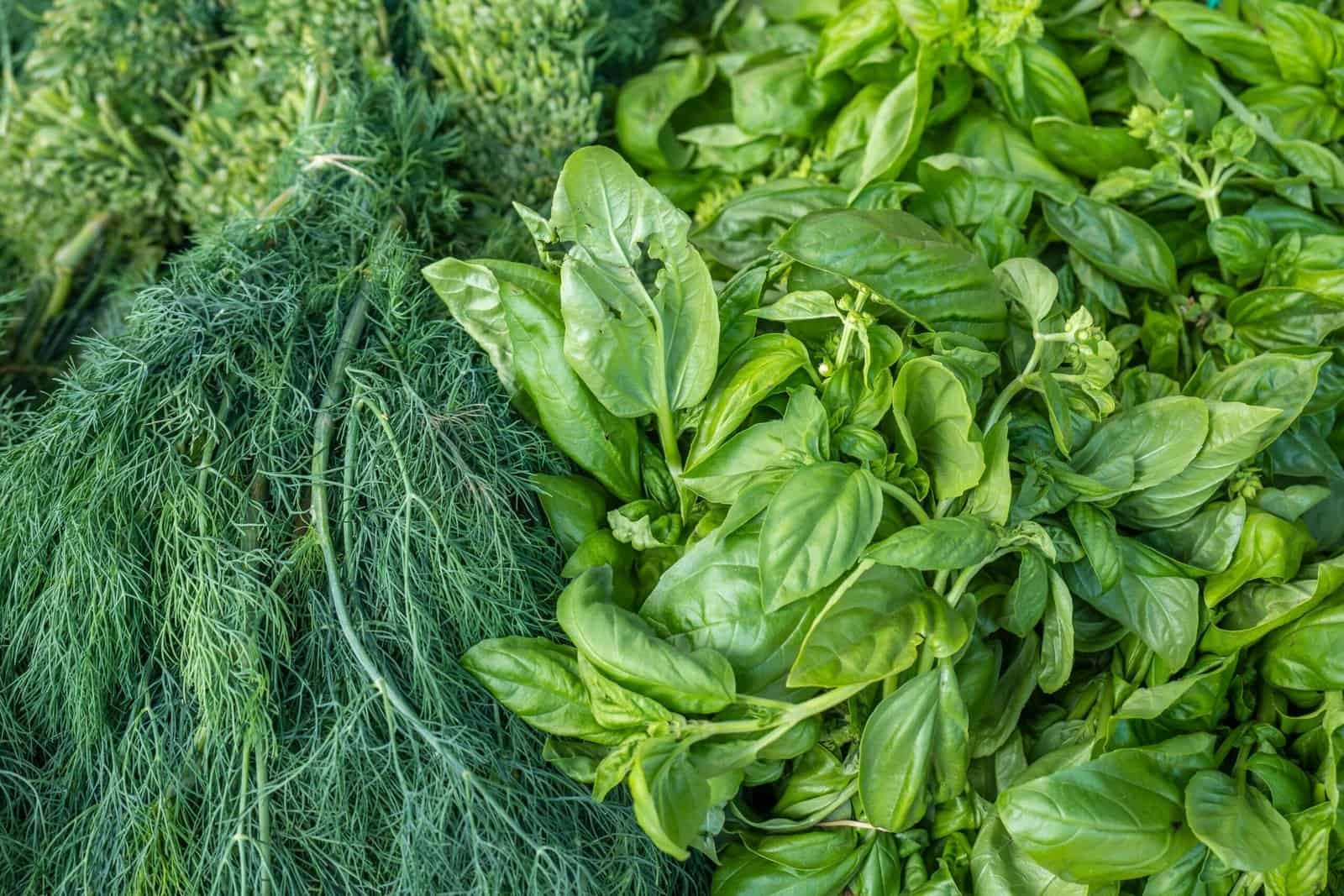
To store fresh herbs, treat soft-stem herbs like a bouquet in a jar of water and wrap hard-stem herbs in a damp towel in the fridge. Storing fresh herbs well can keep them lively for a week or more instead of wilting in a day, and the trick is knowing which type you have. Soft herbs and hard herbs want opposite conditions, so a single method fails half of them. This guide walks through both, plus freezing for the long haul. A quick set of herb scissors makes prep easier once they are stored well. See also our guide on storing cheese properly.
Quick Verdict: Stand soft herbs like cilantro, parsley, and basil upright in a jar with an inch of water, loosely covered, on the counter or in the fridge. Wrap hard herbs like rosemary, thyme, and sage in a lightly damp paper towel inside a bag or container in the fridge. Freeze any extra in oil for months.
Key Takeaways:
- Soft herbs store best upright in water, like cut flowers, loosely covered.
- Hard herbs prefer a damp towel wrap in the refrigerator.
- Basil is the exception among soft herbs: keep it on the counter, not the cold fridge.
- Wash herbs only when you use them, since excess moisture speeds spoilage.
- Freeze surplus herbs in oil or water for long-term storage.
How to Store Fresh Herbs Step by Step
These steps cover the two main herb types plus freezing. Identify whether your herb is soft-stem or hard-stem first, since that decides the method.
- Sort by type. Group soft-stem herbs (cilantro, parsley, dill, mint, basil) separately from hard-stem herbs (rosemary, thyme, oregano, sage).
- Trim the stems. Snip the ends of soft herbs so they can drink, and pick off any slimy or yellowed leaves.
- Jar the soft herbs. Stand them upright in a glass with an inch of water, like a small bouquet.
- Cover loosely. Drape a loose bag over the leaves to hold humidity without trapping condensation.
- Chill most soft herbs, but not basil. Refrigerate the jar for most soft herbs; leave basil on the counter, since cold blackens it.
- Wrap the hard herbs. Roll rosemary, thyme, and sage in a lightly damp paper towel, then place them in a bag or container in the fridge.
- Freeze the extra. Chop surplus herbs into an ice cube tray with oil or water and freeze for later cooking.
How Do You Store Soft Herbs Like Cilantro and Parsley?
Soft-stem herbs last longest standing upright in water, exactly like cut flowers. Trim the stem ends, place the bunch in a jar with about an inch of fresh water, and drape a loose bag over the top to keep humidity in without smothering the leaves. Most soft herbs, including cilantro, parsley, dill, and mint, do well with this jar in the refrigerator. Change the water every couple of days when it looks cloudy. This method keeps the leaves crisp and green far longer than a crumpled bag in the crisper drawer.
Why Is Basil Different?
Basil is the one soft herb that hates the cold, so it belongs on the counter rather than the fridge. Refrigerator temperatures turn basil leaves black and limp within a day or two, so treat it like a countertop bouquet instead. Stand the stems in a jar of water, keep it out of direct sun at room temperature, and change the water when it clouds. Left uncovered on the counter this way, basil stays fragrant and green for days. Keeping it away from cold air is the single most important rule for basil.
How Do You Store Hard Herbs Like Rosemary and Thyme?
Hard-stem herbs store best wrapped in a lightly damp paper towel in the refrigerator. Roll rosemary, thyme, oregano, and sage loosely in the towel so the leaves stay just moist, then slip the bundle into a bag or container and refrigerate. The damp towel holds enough humidity to prevent the sturdy leaves from drying out and crumbling. Avoid soaking them, since standing water makes woody herbs slimy. Stored this way, hard herbs often stay usable for a couple of weeks, longer than their soft-stem cousins.
Should You Wash Herbs Before Storing?
Wait to wash herbs until you are ready to use them, because surface moisture speeds spoilage in storage. If you must rinse first, dry the leaves thoroughly with a towel or salad spinner before jarring or wrapping them. Trapped water pools in bags and jars and turns leaves slimy, which is the fastest way to lose a bunch. A clean, dry start is the single biggest factor in how long a bunch lasts, so resist the urge to wash everything the moment you get home. Organizing your fridge layout gives them a steady, cool spot. Dry storage now, washing later, is the reliable order.
How to Freeze Fresh Herbs for Later
Freezing is the best way to save herbs you cannot use in time, and it keeps their flavor for months even though the texture softens. Chop clean, dry herbs and pack them into an ice cube tray, then cover each portion with olive oil or water and freeze until solid. Once frozen, pop the cubes into a labeled bag so you have ready measures to drop straight into soups, sauces, and sautes. Hardy herbs like rosemary and thyme freeze especially well this way, while delicate herbs are better used fresh but still work frozen in cooked dishes. This turns a surplus bunch into a pantry staple rather than compost.
Common Herb Storage Mistakes to Avoid
Refrigerating basil
Cold air blackens basil fast. Keep it on the counter in water instead of the fridge, and it will stay green for days.
Storing herbs wet
Washing before storage traps moisture and rots leaves. Dry herbs fully first, or wash only right before you cook.
Using one method for everything
Soft and hard herbs want opposite conditions. Jarring rosemary or wrapping cilantro leaves both disappointing, so sort by type first.
Ignoring the extra
A big bunch often outlasts your cooking. Freeze surplus in oil or water so nothing goes to waste, and keep your storage containers ready for it.
Recommended Reading:
- Organizing your pantry, for dried herbs and spices.
- Pantry storage containers, to keep everything sealed.
- Mortar and pestle or spice grinder, for prepping the herbs you dry.
How to Store Fresh Herbs FAQ
How long do fresh herbs last when stored properly?
Soft herbs kept in water often stay fresh for about a week or more, while hard herbs wrapped in a damp towel can last up to two weeks. Freezing extends any herb for months. Longevity depends on freshness at purchase and steady cool storage.
Should fresh herbs be stored in the fridge or on the counter?
Most soft herbs and all hard herbs do best in the fridge, while basil is the exception and prefers the counter. Stand soft herbs in water in the fridge, wrap hard herbs in a damp towel, and keep basil in water at room temperature.
How do you keep herbs fresh without them going slimy?
Keep leaves dry until use and avoid trapped moisture. Wash herbs only right before cooking, dry them fully if you rinse early, and use a loose cover rather than a sealed wet bag. Excess water is the main cause of sliminess.
Can you freeze fresh herbs?
Yes. Chop herbs into an ice cube tray, cover with oil or water, and freeze into ready portions for cooking. Frozen herbs lose their crisp texture but keep their flavor, which makes them ideal for soups, sauces, and sautes.
Why do my herbs wilt so fast?
Common causes are storing them wet, using the wrong method for the herb type, or leaving them loose in the crisper drawer. Sort soft from hard herbs, keep soft herbs in water, wrap hard herbs damp, and dry any washed leaves before storing.
Do you need to trim herb stems before storing?
For soft herbs kept in water, a fresh trim helps them drink and stay perky, just like cut flowers. Hard herbs do not need trimming before wrapping. Remove any slimy or discolored leaves in both cases so they do not spoil the bunch.
Part of our full guide: the comprehensive kitchen organization methodology.
