
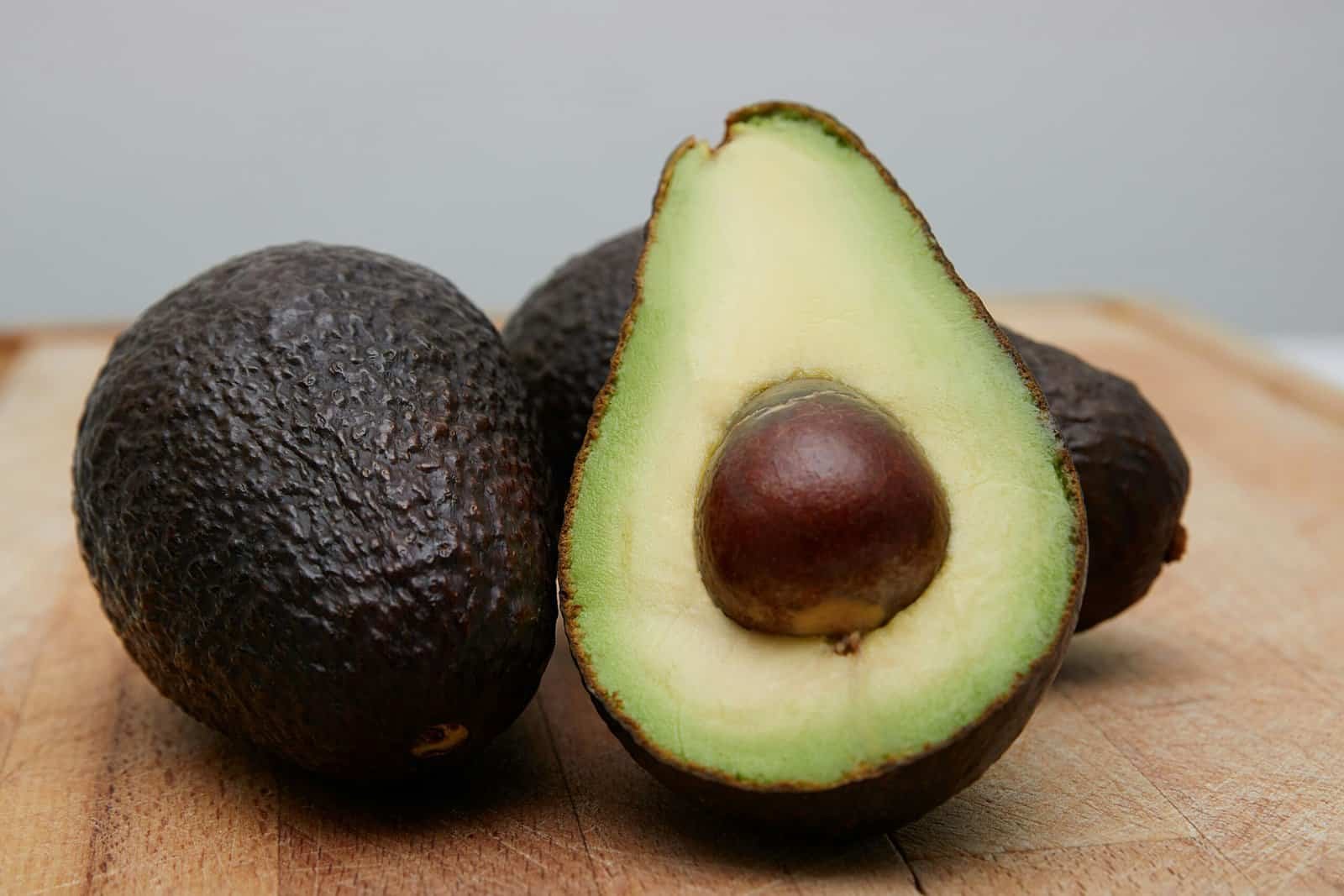
Sealing an avocado in a paper bag with a banana or apple ripens it fastest, trapping the ethylene gas that drives ripening and softening the fruit in about one to three days at room temperature. If you want to know how to ripen an avocado without any tricks, simply leaving it on the counter works too, just more slowly. The same ethylene principle explains how mangoes and other fruit ripen after picking. Avocados only ripen after they are harvested, so this is about finishing a job the tree started, and it takes patience more than skill.
Quick Verdict
Room temperature ripens an avocado; the refrigerator stalls it. To speed things up, put the fruit in a paper bag with a banana to concentrate ethylene gas, and check daily for gentle give near the stem. Once ripe, move it to the fridge to hold it for a few more days.
Key Takeaways
- Avocados do not ripen on the tree; ripening starts after harvest.
- Room temperature speeds ripening; cold slows it down.
- A banana or apple in a paper bag concentrates ethylene and speeds things up.
- Ripe means a slight give under gentle pressure, not mushy.
- Refrigerate only once ripe, to buy a few extra days.
How Do You Ripen an Avocado Step by Step?
This is the reliable paper-bag method, which concentrates the fruit’s own ripening gas. It usually takes one to three days depending on how firm the avocado starts.
- Start at room temperature. Keep the avocado on the counter, not in the fridge. Warmth is what gets ripening going.
- Add an ethylene source. Place the avocado in a paper bag with a ripe banana or an apple, both of which give off ethylene gas.
- Fold the bag loosely. Close the top enough to trap the gas but not airtight, so the fruit can still breathe.
- Check daily. Gently press near the stem end each day. Do not squeeze hard, which bruises the flesh.
- Refrigerate once ripe. When it yields slightly, move it to the refrigerator to hold ripeness for a few more days.
Why Does a Banana Ripen an Avocado?
A banana works because it releases ethylene, a natural plant hormone that triggers ripening in nearby fruit. The University of Maryland Extension describes ethylene as the gaseous hormone that induces and accelerates ripening, with production rising as fruit matures. Trapping an avocado with a high-ethylene fruit in a paper bag raises the gas concentration around it, so it ripens faster than it would alone. Apples work the same way, and a closed paper bag concentrates the effect far better than an open bowl.
Why Won’t My Avocado Ripen on the Counter Sometimes?
The most common reason is temperature. Avocados are climacteric fruit that begin producing ethylene only after harvest, and cold storage suppresses that process. The University of California, Davis postharvest program notes that ethylene production in avocados begins after harvest and increases greatly as the fruit ripens at warm room temperature near 68°F. An avocado kept too cold, or one picked very immature, will ripen slowly or unevenly, which is why a fridge-cold avocado can seem stuck.
How Do You Know When an Avocado Is Ripe?
A ripe avocado gives slightly to gentle, even pressure in your palm without feeling mushy. For dark varieties like Hass, the skin also shifts from green toward a darker, near-black color as it ripens, which UC Davis lists among the ripening indices alongside flesh softening. Color varies by variety, though, so use feel as the main test and color as a secondary clue. Some people check under the small stem nub: if it flicks off easily and is green underneath, the fruit is usually ripe.
Can You Ripen a Cut Avocado?
Not really. Once an avocado is cut, it will not continue ripening in a useful way, and the exposed flesh browns quickly. If you cut one open and find it underripe, your best options are to use it as is or store the halves with the pit in and a little lemon or lime juice on the surface, then refrigerate, to slow browning rather than to ripen. The acid in citrus juice is what delays the browning, so a squeeze goes a long way.
How Do You Store a Ripe Avocado?
Once ripe, refrigerate the whole avocado to slow further softening; it will keep for a few days. For a cut avocado, press plastic wrap directly against the exposed flesh or brush it with citrus juice and chill it, which limits the browning caused by air exposure. Freezing mashed avocado with a little lime juice is an option for longer storage, and it works better than freezing halves, which turn watery.
How Do You Ripen Several Avocados at Once?
When you buy a bag of hard avocados, ripen them together in a larger paper bag with one or two bananas, which raises the ethylene enough to move the whole batch along. Check daily and pull each one as it softens, since they will not all ripen at the same rate. Once a few are ready and you cannot use them yet, move those to the refrigerator to hold while the rest finish on the counter. This staggered approach keeps a bag of avocados from all becoming ripe, then overripe, on the same day.
Common Avocado-Ripening Mistakes to Avoid
Refrigerating an unripe avocado
Cold stalls ripening. A hard avocado put straight in the fridge can take a very long time to soften, or fail to ripen well. Ripen at room temperature first, then chill.
Squeezing too hard to test it
Pressing firmly with a fingertip bruises the flesh under the skin. Cradle the fruit and apply gentle, even pressure in your palm instead.
Using a plastic bag sealed tight
An airtight plastic bag traps moisture and can encourage rot rather than clean ripening. A paper bag folded loosely traps ethylene while letting the fruit breathe.
Expecting a cut avocado to ripen
Cutting stops useful ripening and starts browning. Check ripeness by feel before you cut, not after.
Recommended Reading
- how to cut a pineapple, another produce prep walkthrough.
- cutting boards, for prepping ripe avocados cleanly.
- chef’s knives, the safe way to halve and pit one.
- cutting a mango, another fruit that ripens after picking.
- shucking fresh corn, another fast produce-prep guide.
How to Ripen an Avocado FAQ
How long does it take to ripen an avocado?
On the counter alone, a firm avocado usually ripens in two to five days. In a paper bag with a banana, it often ripens in one to three days. The exact time depends on how immature the fruit was when you bought it and on room temperature.
Does the rice or microwave trick actually work?
Burying an avocado in rice mimics the paper-bag method by trapping ethylene, so it can help modestly. Microwaving softens the flesh but does not truly ripen it; the result is warm and mushy rather than developed in flavor, so it is a last resort at best.
Can you ripen an avocado in the fridge?
No. Cold suppresses ethylene and stalls ripening. Use the refrigerator to hold an already-ripe avocado, and ripen firm ones at room temperature.
Why did my avocado turn brown inside without being ripe?
Internal browning often comes from cold damage or from fruit that was stressed before you bought it. Storing avocados too cold before they ripen can cause flesh discoloration, so keep unripe ones at room temperature.
Will an avocado ripen faster in sunlight?
Warmth speeds ripening, so a warm spot helps, but direct sun can heat the fruit unevenly and damage the skin. A warm room or a paper bag is more reliable than a sunny windowsill.
Can you slow down a ripe avocado?
Yes. Move a ripe avocado to the refrigerator, where the cold slows further softening and buys you a few more days before it becomes overripe.
How can you tell if an avocado has gone bad?
Overripe avocados feel mushy, may have sunken dark spots, and can smell sour or taste rancid. Stringy brown flesh throughout, rather than a small bruise, means it is past its best and should be discarded.
Related in this cluster: our guide: how to organize your kitchen.
