
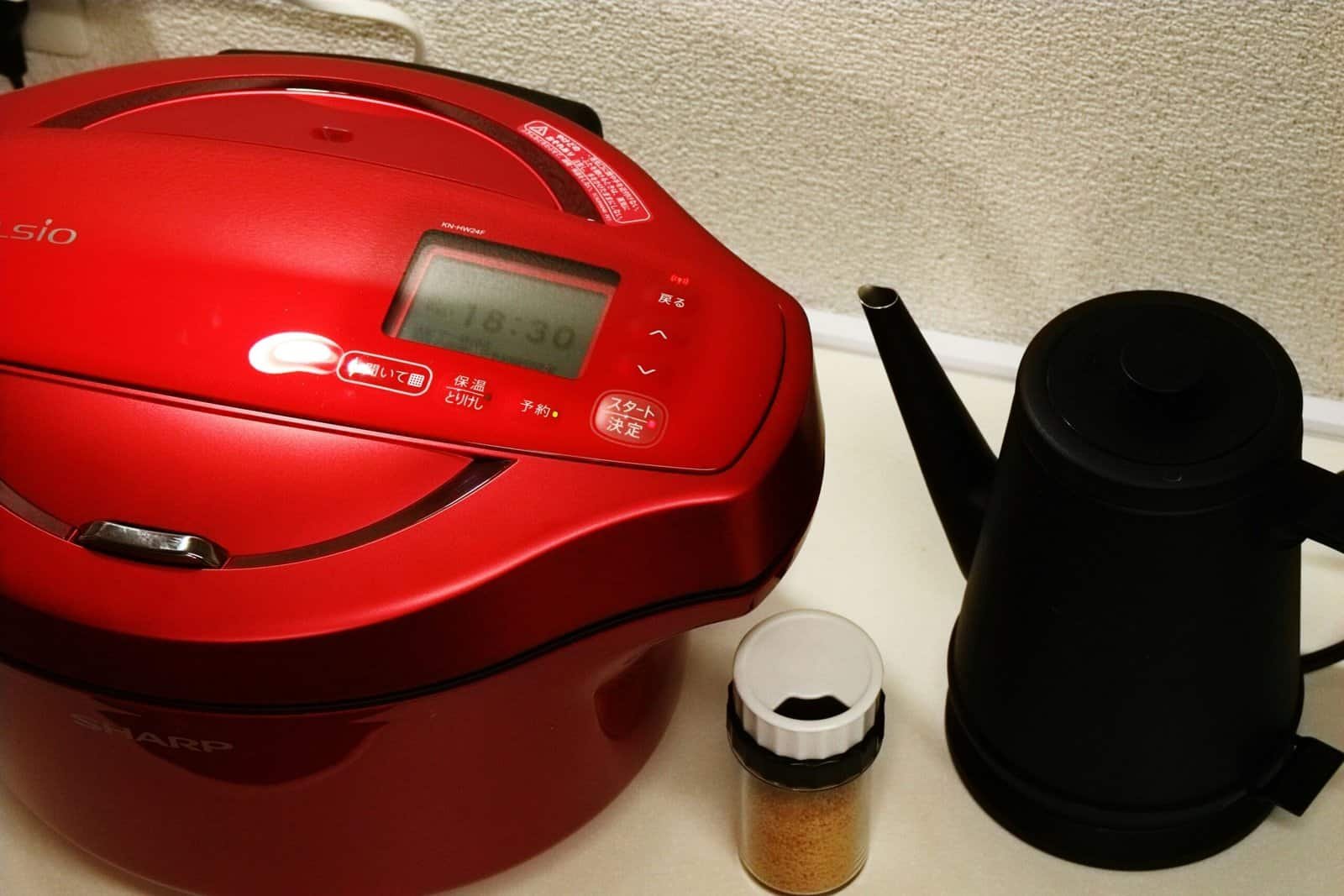
One rice cooker costs about as much as a pizza and another costs as much as a small appliance budget, and the gap between them has a name: fuzzy logic. The best fuzzy logic rice cookers use a microprocessor and sensors to adjust temperature and timing while the rice cooks, instead of a simple thermostat that switches off when the water is gone, which is why they handle brown rice, porridge, and imperfect water ratios far better than basic models. Whether that upgrade is worth it depends on how much rice you cook and how varied it is. The picks below cover the tiers, and if you want the simple end instead, our roundup of rice cookers under fifty dollars covers it.
Quick Verdict
For most people upgrading, a compact fuzzy logic cooker is the sweet spot: sensor-driven cooking, dedicated grain settings, and long keep-warm, without paying for induction heating. Serious rice eaters who want the best texture should step up to an induction heating model, and anyone who eats a lot of brown rice benefits most from pressure induction. If you only make plain white rice occasionally, a basic one-button cooker still does that job well and fuzzy logic is a luxury rather than a fix.
Key Takeaways
- Fuzzy logic adjusts heat and time as it cooks, rather than switching off blindly.
- It forgives water ratio mistakes that basic cookers cannot.
- Induction heating improves texture; pressure induction helps brown rice most.
- Dedicated menus cover white, brown, porridge, and quick cooking.
- Plain white rice occasionally does not justify the upgrade.
How We Picked
We sorted this category by what the added electronics actually buy you: sensor-driven adjustment during the cook rather than a single on-off trip point, dedicated menus for grains that need different treatment, keep-warm that holds rice for hours without drying it into a crust, and inner pot construction. We also weighed how much complexity each tier adds, since a cooker with fifteen menus you never touch is worse value than a simple one you use constantly. The tiers below run from entry fuzzy logic up through pressure induction, so you can find the point where the spending stops paying you back.
Compact Fuzzy Logic Cooker (Best Overall)
The entry point to real fuzzy logic: a microprocessor, a handful of grain menus, and extended keep-warm in a footprint sized for one to three people.
Why It Stands Out
This is where the jump in quality is steepest relative to price. The sensor adjusts as the rice cooks, so a slightly wrong water ratio gets corrected instead of ruined, and the brown rice menu handles the longer soak and cook that trips up basic cookers. For most households the compact tier delivers nearly all of the practical benefit of the expensive models.
Worth Knowing
It heats from the base like a basic cooker, so texture is very good rather than exceptional. Best for one to three people who eat rice often and want it right without thinking.
Induction Heating Rice Cooker (Best Performance)
Induction heating energizes the inner pot itself rather than warming it from a hot plate underneath, so heat comes from all around the rice instead of the bottom up.
Why It Stands Out
Even heating is the whole reason expensive rice cookers taste different. Because the pot is the heating element, the machine can make fast, precise temperature changes and hold them, which produces more uniform grains and noticeably better texture than base-heated models. Rice eaters who notice the difference between good rice and great rice are who this tier exists for.
Worth Knowing
It costs considerably more and the difference is subtle to casual eaters. Best for people who eat rice most days and care about texture.
Multi-Menu Fuzzy Logic Cooker (Best Versatility)
These lean on the microprocessor to run a wide menu list: white, brown, sushi, porridge, quick cook, steam, and often more.
Why It Stands Out
Each menu is a different heating curve rather than a marketing label, so porridge genuinely simmers differently than sushi rice cooks. If your kitchen produces a range of grains and textures, having the machine hold each recipe frees you from adjusting water and timing yourself, which is the whole point of buying electronics.
Worth Knowing
Menus you never press are money spent for nothing, so count the ones you would honestly use. Best for households cooking several different grains and styles.
Pressure Induction Rice Cooker (Best for Brown Rice)
The top tier combines induction heating with pressure cooking, raising the boiling point so water penetrates dense grains faster and more completely.
Why It Stands Out
Brown rice is where this earns its price. The bran layer resists water, which is why brown rice takes so long and often finishes chewy in ordinary cookers, and pressure drives moisture through it, producing softer, more even grains in less time. Households that eat brown rice or other whole grains as a staple get the biggest return here of anywhere in the category.
Worth Knowing
It is the most expensive and most complex tier, with a pressure lid and gasket to maintain. Best for dedicated brown rice and whole grain eaters.
Entry-Level Fuzzy Logic Cooker (Best Value)
The cheapest machines that still carry a microprocessor, usually with three or four menus and modest keep-warm, sitting just above basic one-button cookers in price.
Why It Stands Out
If the fuzzy logic pitch appeals but the premium price does not, this tier gets you sensor-driven cooking and a real brown rice setting for a fraction of the jump. It is the honest answer for people whose main complaint about a basic cooker is brown rice and occasional inconsistency rather than a hunger for perfect texture.
You can check the ratio your rice type actually needs before deciding.
Worth Knowing
Build quality and keep-warm performance are a step below the premium tiers. Best for upgraders on a budget.
Stainless-Interior Fuzzy Logic Cooker (Best Coating-Free)
Most inner pots use a nonstick coating; a smaller set of fuzzy logic models use stainless steel interiors instead.
Why It Stands Out
For anyone who would rather not cook on a coating, or who has worn through nonstick pots before and does not want to repeat it, a stainless interior removes the wear question entirely. Paired with fuzzy logic’s sensor control, it keeps the cooking quality while sidestepping the part of the cooker that ages worst.
Worth Knowing
Rice sticks more readily to stainless than to a coating, so expect more soaking. Best for coating-averse buyers who do not mind extra cleanup.
Fuzzy Logic Tiers at a Glance
| Tier | Best for | Trade-off |
|---|---|---|
| Compact fuzzy logic | Most upgraders | Base heating only |
| Induction heating | Texture seekers | Significant price jump |
| Multi-menu | Varied grains | Unused menus waste money |
| Pressure induction | Brown rice staples | Priciest, most complex |
| Entry fuzzy logic | Budget upgraders | Lower build quality |
| Stainless interior | Coating-averse | More sticking |
What Fuzzy Logic Actually Does
The distinction is worth understanding before you spend. A basic cooker works on a beautifully simple trick: water boiling in the pot holds the temperature near the boiling point, and once the water is absorbed the temperature climbs past it, which trips a switch to keep-warm. That is it. The machine has no idea what grain is in there or how much water you added; it just waits for the temperature to jump. A fuzzy logic cooker instead reads temperature continuously and adjusts power through the cook, extending a soak, easing off during the steam phase, or compensating when you added slightly too much water. The full decision framework is in our guide on how to choose a rice cooker.
How to Choose a Fuzzy Logic Cooker
Count the menus you will use
Write down the grains you cook in a normal month. If the list is white rice and occasionally brown, a compact or entry model covers it. If it runs to porridge, sushi rice, and mixed grains, the multi-menu tier earns its keep, and our guide on what to cook in a rice cooker may expand that list.
Weigh brown rice honestly
Brown rice is the single biggest reason to leave basic cookers behind, since it needs more water and a longer cook that a thermostat cannot manage well. If it is a staple rather than an occasional thing, pressure induction is the tier that actually solves it.
Size it to your household
Fuzzy logic cookers span single-serve to family capacities, and an oversized machine cooks small batches worse, not better. Match the cup rating to your normal batch; our roundups of mini rice cookers and large rice cookers cover the two ends.
Check keep-warm and cleanup
Long keep-warm is one of the quiet luxuries of this tier, holding rice for hours without a hard crust. Look for a removable inner lid and steam vent too, since more electronics often means more parts, and our guide on cleaning a rice cooker covers the upkeep.
Is Fuzzy Logic Worth It?
The honest answer depends entirely on your rice habits, and the case against is stronger than the marketing suggests. A simple one-button cooker makes genuinely excellent white rice, and plenty of people who eat rice often are completely satisfied with one; the machine’s simplicity is a feature rather than a compromise. Fuzzy logic pays off in three specific situations: you eat brown rice or whole grains regularly, you cook a variety of grains that want different treatment, or you eat rice most days and have started noticing the ceiling on texture. Outside those, the money buys convenience and forgiveness rather than a different class of food, and a basic cooker plus attention to your water ratio, covered in our guide on how to use a rice cooker, gets you most of the way there.
The Verdict
Start with the compact fuzzy logic tier, because it captures most of the benefit at the smallest premium and suits the household size most people actually have. Move up to induction heating only if rice is a near-daily staple and texture matters to you, and go to pressure induction if brown rice is the thing you cook most, since that is where the top tier stops being an indulgence and starts being the right tool. Budget upgraders should take the entry tier and spend the savings on better rice. And if the simple end is genuinely all you need, there is no shame in it, as our comparison of a rice cooker and an Instant Pot gets into from the other direction.
Best Fuzzy Logic Rice Cookers FAQ
What does fuzzy logic mean on a rice cooker?
It means the cooker uses a microprocessor and temperature sensors to adjust heat and timing while the rice cooks, rather than a thermostat that simply switches to keep-warm once the water is gone. That continuous adjustment is what lets it handle different grains and forgive imperfect water ratios.
Is a fuzzy logic rice cooker worth the money?
It is worth it if you eat brown rice or varied grains regularly, or eat rice most days and care about texture. If you mainly make plain white rice occasionally, a simple one-button cooker does that very well and the upgrade buys convenience rather than better food.
What is the difference between fuzzy logic and induction heating?
Fuzzy logic describes the control system, the sensors and processor deciding how to cook. Induction heating describes how heat is delivered, energizing the pot itself rather than warming it from below. Induction models are fuzzy logic cookers with a better heating method, which is why they cost more.
Do fuzzy logic rice cookers make better brown rice?
Considerably, yes. Brown rice needs a longer soak and cook because the bran resists water, which basic thermostats manage poorly. A dedicated brown rice menu handles it properly, and pressure induction models go further by driving moisture through the bran faster.
How long can a fuzzy logic cooker keep rice warm?
Extended keep-warm is one of the tier’s real advantages, holding rice at serving temperature for hours without the hard crust basic cookers develop. Exact duration varies by model, so check the specification if you routinely cook well ahead of eating.
Are fuzzy logic rice cookers harder to clean?
Slightly, since more features often mean a removable inner lid, a steam vent, and sometimes a gasket, all of which need attention alongside the inner pot. None of it is difficult, but it is a few more parts than the single pot of a basic cooker.
Can a fuzzy logic cooker fix bad water ratios?
It compensates rather than fixes. The sensors can adjust for modest errors that would ruin rice in a basic cooker, but a badly wrong ratio still produces bad rice. If your rice comes out consistently wrong, our guide on why rice turns out mushy covers the underlying causes.
Recommended Reading
- how to choose a rice cooker, the full buyer guide.
- rice cookers under fifty dollars, the simple end.
- rice cookers for brown rice, the grain that justifies upgrading.
- why rice turns out mushy, for troubleshooting.
- cookers suited to sushi rice
- induction heating models
See the complete guide: the comprehensive choosing a stand mixer guide.
