
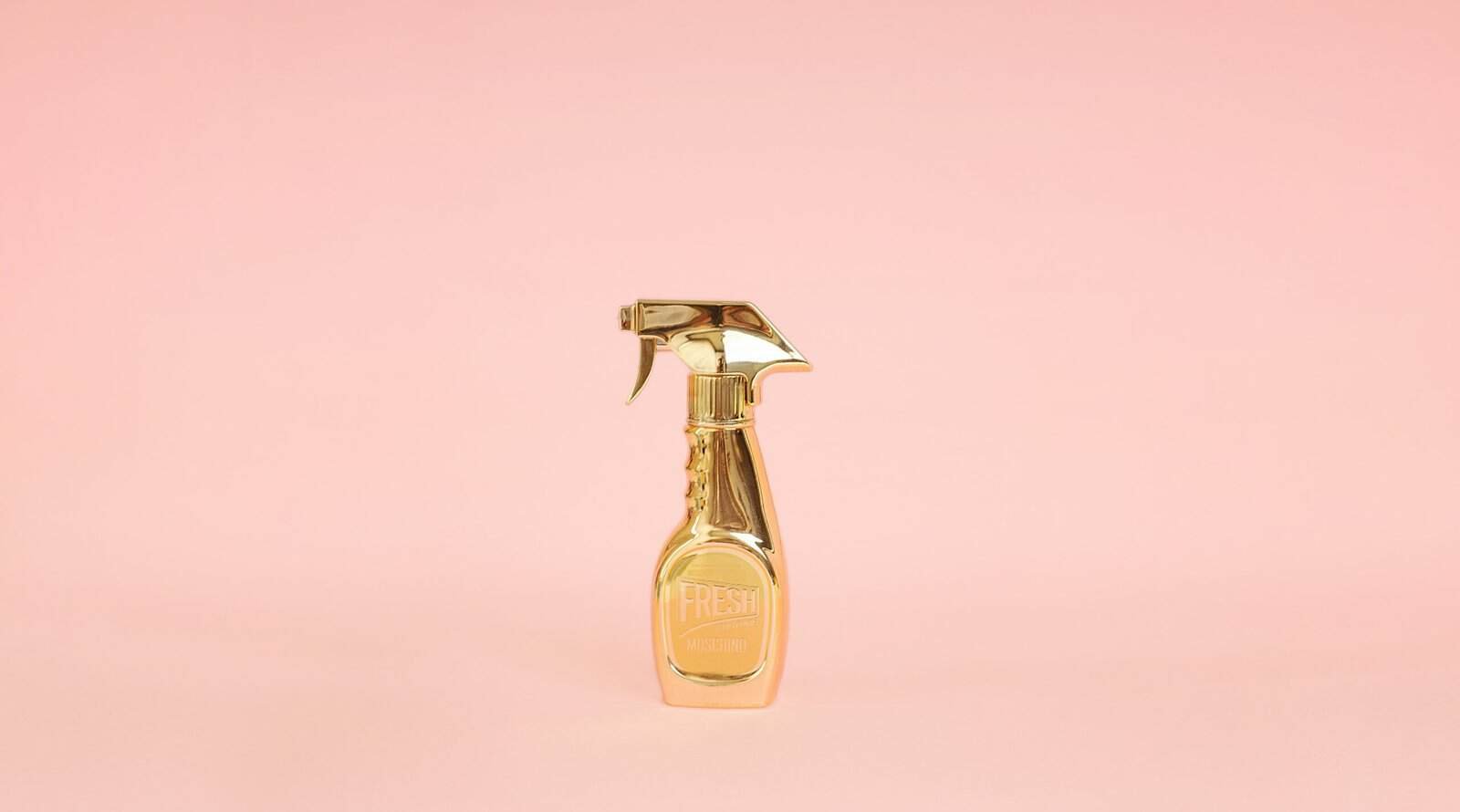
A good oil sprayer lays down a fine, even mist that coats a pan, salad, or air fryer basket with a fraction of the oil you would pour, which helps with lighter cooking and crispier results. The best oil sprayers deliver a consistent spray without clogging, dripping, or spitting a heavy stream, and they are easy to refill and clean. Below are six picks across pump and pressurized styles, plus how to keep one from gumming up. If you cook a lot of crispy food, our air fryer guide pairs naturally with a mister.
Quick Verdict
For most kitchens, the Evo pump sprayer is the reliable pick: a trigger pump that delivers an even mist without pressurizing, and it is easy to clean. Air fryer cooks who want the finest mist should look at the Misto-style pressurized bottles, budget shoppers at the Chefvantage glass sprayer, and anyone who wants a simple squeeze at the silicone-friendly options. A fine, non-dripping mist is the whole point.
Key Takeaways
- A fine, even mist uses far less oil than pouring, helping lighter cooking.
- Pump sprayers are simple; pressurized bottles give the finest mist.
- Glass bottles resist odors and staining better than plastic over time.
- Clogging is the main failure point, so easy cleaning matters most.
- Filtered or fresh oil and regular rinsing keep any sprayer working.
How We Picked the Best Oil Sprayers
We focused on spray quality, a fine even mist rather than a dripping stream, plus resistance to clogging and ease of cleaning, which is where cheap sprayers fail. We included both trigger-pump and pressurized styles, and favored glass bottles for odor resistance where available.
We also weighed capacity, refill ease, and whether the nozzle handles thicker oils. Every pick is widely available so you can compare sizes and styles to your cooking.
Evo Oil Sprayer Bottle
Why It Stands Out
The Evo uses a trigger-pump nozzle that lays down an even mist without needing to pressurize the bottle, and it is designed to resist dripping and clogging. It is easy to disassemble and rinse, which keeps the spray consistent over time. It suits cooks who want a dependable everyday mister.
Worth Knowing
Pump sprayers give a slightly coarser mist than pressurized bottles, a fair trade for reliability. Rinse it periodically to keep the nozzle clear. It is the easy all-around recommendation.
Best for cooks who want a reliable, easy-clean sprayer. Skip it if you want the absolute finest mist.
Misto Brushed Aluminum Sprayer
Why It Stands Out
The Misto-style pressurized sprayer builds pressure with a few pumps of the cap, then releases a fine mist that coats evenly, which air fryer cooks appreciate for crisping. The brushed aluminum body is sturdy and refillable, cutting down on aerosol cans. It delivers a finer mist than a simple pump.
Worth Knowing
Pressurized sprayers can clog if oil sits, so empty and rinse between uses for best results. Re-pump when the mist weakens. It is the pick for the finest, most even coat.
Best for air fryer cooks who want a fine mist. Skip it if you dislike pumping to build pressure.
Chefvantage Glass Oil Sprayer
Why It Stands Out
The Chefvantage is the value glass pick, pairing an odor-resistant glass bottle with a pump nozzle at a budget price. Glass resists the staining and lingering smell that plastic can develop, and the clear body lets you see the oil level. It is an easy first sprayer.
Worth Knowing
Glass is heavier and less drop-friendly than plastic or metal. The nozzle needs occasional rinsing to stay clear. It is a sensible low-cost choice for everyday use.
Best for budget shoppers who want a glass bottle. Skip it if you want a metal body or the finest pressurized mist.
Aozita Glass Spray Bottle
Why It Stands Out
The Aozita is a glass spray-and-pour bottle that combines a mister with a measured spout, so you can spray a light coat or pour a controlled amount from the same bottle. That dual function suits cooks who want flexibility without two containers. The glass body resists odors well.
Worth Knowing
Dual-function nozzles have more parts to keep clean. Glass is heavier than plastic. It is a versatile pick for cooks who both mist and measure.
Best for cooks who want spraying and pouring in one. Skip it if you only need a mister and prefer fewer parts.
TophOME Continuous Spray Bottle
Why It Stands Out
The TophOME uses a continuous-spray trigger that delivers a steady mist with each press, coating large pans or several air fryer batches quickly. The wider spray covers more area in one pass, which suits batch cooking. The glass body keeps odors down.
Worth Knowing
A continuous sprayer uses a bit more oil per press than a fine pressurized mist. Rinse the trigger to prevent clogging. It is the pick for covering large surfaces fast.
Best for batch cooking and larger pans. Skip it if you want the most oil-sparing fine mist.
Vantic Olive Oil Sprayer
Why It Stands Out
The Vantic rounds out the list as a glass pump sprayer built for everyday olive oil use, with a clog-resistant nozzle and a clear body to track the level. It balances a fine mist with easy cleaning, making it a dependable middle pick. The simple design keeps maintenance low.
Worth Knowing
Like all pump sprayers, it rewards periodic rinsing to stay clear. Glass adds weight but resists odors. It is a solid everyday option between budget and premium.
Best for daily olive oil misting. Skip it if you want a pressurized fine mist or a metal body.
Oil Sprayers at a Glance
| Sprayer | Type | Body | Best for | Mist |
|---|---|---|---|---|
| Evo | Trigger pump | Plastic | Reliable everyday use | Even |
| Misto | Pressurized | Aluminum | Air frying | Fine |
| Chefvantage | Pump | Glass | Budget pick | Even |
| Aozita | Spray and pour | Glass | Versatility | Even |
| TophOME | Continuous spray | Glass | Large pans | Wide |
| Vantic | Pump | Glass | Daily olive oil | Fine |
What to Look For in an Oil Sprayer
Spray Quality
The whole point is a fine, even mist that coats without dripping or spitting a stream. Pressurized bottles give the finest mist; quality pumps come close. A poor nozzle wastes oil and defeats the purpose.
Clog Resistance and Cleaning
Clogging is the main way sprayers fail, so a nozzle that disassembles for rinsing is worth a lot. Fresh, filtered oil and regular cleaning prevent gumming. Prioritize easy maintenance over features.
Bottle Material
Glass resists the odors and staining plastic can pick up, and metal is durable and light-blocking. Plastic is cheapest and most drop-friendly. Choose based on durability and how much you mind lingering smells.
Capacity and Refilling
A larger bottle needs fewer refills but takes more counter space, and a wide opening makes refilling cleaner. Match capacity to how often you cook. Our basting brush guide covers a companion tool for thicker coatings.
Pump vs Pressurized Sprayers
Why Pumps Are Simpler
A trigger pump sprays on demand with no pressurizing step and tends to be easy to clean, which makes it reliable for daily use. The mist is slightly coarser than pressurized. It is the low-fuss choice.
When Pressurized Wins
A pressurized bottle builds pressure with a few pumps and releases the finest, most even mist, ideal for air frying and delicate coatings. It needs emptying and rinsing to avoid clogs. It is the pick for the finest coat.
Common Oil Sprayer Mistakes
Letting Oil Sit Too Long
Oil left in the bottle can go rancid and gum up the nozzle. Refill in smaller amounts you will use up, and rinse periodically.
Using Thick or Unfiltered Oils
Thick or particle-heavy oils clog fine nozzles. Stick to clean, pourable oils like olive, avocado, or vegetable oil for a smooth mist.
Skipping Cleaning
A sprayer that is never cleaned eventually clogs and sprays unevenly. Disassemble and rinse the nozzle regularly to keep the mist fine. A quick warm-water rinse usually does it.
Getting the Most From an Oil Sprayer
Use It for Lighter Coating
A mist coats a pan, grill surface, or baking sheet with far less oil than pouring, which suits lighter cooking and even browning. It also lets you season salads and roasted vegetables evenly. A light, controlled coat is where a sprayer shines over a bottle.
Pair It With the Right Pans
A fine mist works well on cast iron and grill pans where a thin, even oil layer matters for searing and release. Our guides to cast iron skillets and grill pans cover pans that benefit most.
Measure When It Matters
For recipes that need a precise amount of fat, spraying makes it hard to track, so measure into the pan instead. Keeping measuring cups and spoons and a good utensil set nearby covers the tasks a sprayer does not.
Recommended Reading
- Air fryers that pair with a mister
- Basting brushes for thicker coatings
- Nonstick sets for lighter cooking
- Salad spinners for fresh greens
Frequently Asked Questions
Are oil sprayers worth it?
For cooks who want to use less oil, yes. A fine mist coats pans, salads, and air fryer baskets with a fraction of a poured amount, which helps with lighter cooking and even crisping. The main upkeep is occasional cleaning to prevent clogs.
What is the best type of oil sprayer?
Pressurized bottles give the finest, most even mist, ideal for air frying, while trigger pumps are simpler and easier to clean for everyday use. Glass and metal bodies resist odors better than plastic. Choose based on how fine a mist you want and how much cleaning you will do.
How do I keep an oil sprayer from clogging?
Use clean, pourable oils, refill in small amounts you will use up, and rinse the nozzle regularly so oil does not gum up. Avoid thick or particle-heavy oils that block fine nozzles. Disassembling the nozzle for a warm-water rinse keeps the mist fine.
Can you put any oil in an oil sprayer?
Thin, pourable oils like olive, avocado, and vegetable oil spray well, but thick or infused oils with particles can clog fine nozzles. Stick to clean, filtered oils for a smooth mist. Check the bottle’s guidance if you want to use a specialty oil.
Is a glass or plastic oil sprayer better?
Glass resists the staining and lingering odors that plastic can develop, and it lets you see the oil level, though it is heavier and more breakable. Plastic is cheaper and drop-friendly. Metal bodies are durable and block light. Choose based on durability and odor concerns.
Can you use an oil sprayer for an air fryer?
Yes, and it is a popular use. A light mist over food or the basket helps crisping without the mess of pouring, and pressurized sprayers give the finest coat for this. Avoid aerosol cooking sprays with additives that can damage some basket coatings, and refill your own sprayer with plain oil.
How much oil does an oil sprayer save?
Because a mist coats with a thin, even layer instead of a pour, a sprayer uses noticeably less oil per dish, which adds up over time for lighter cooking. The exact amount depends on how heavily you would otherwise pour. The main benefit is control rather than a fixed figure.
Can you refill a store-bought cooking spray can?
Aerosol cans are not designed to be refilled, which is part of why refillable sprayers appeal to cooks who want to cut waste and avoid additives. A refillable pump or pressurized bottle lets you use your own plain oil. Just keep it clean and use fresh oil to avoid clogs.
This guide is part of the full guide to choosing the right cookware for your kitchen.
