
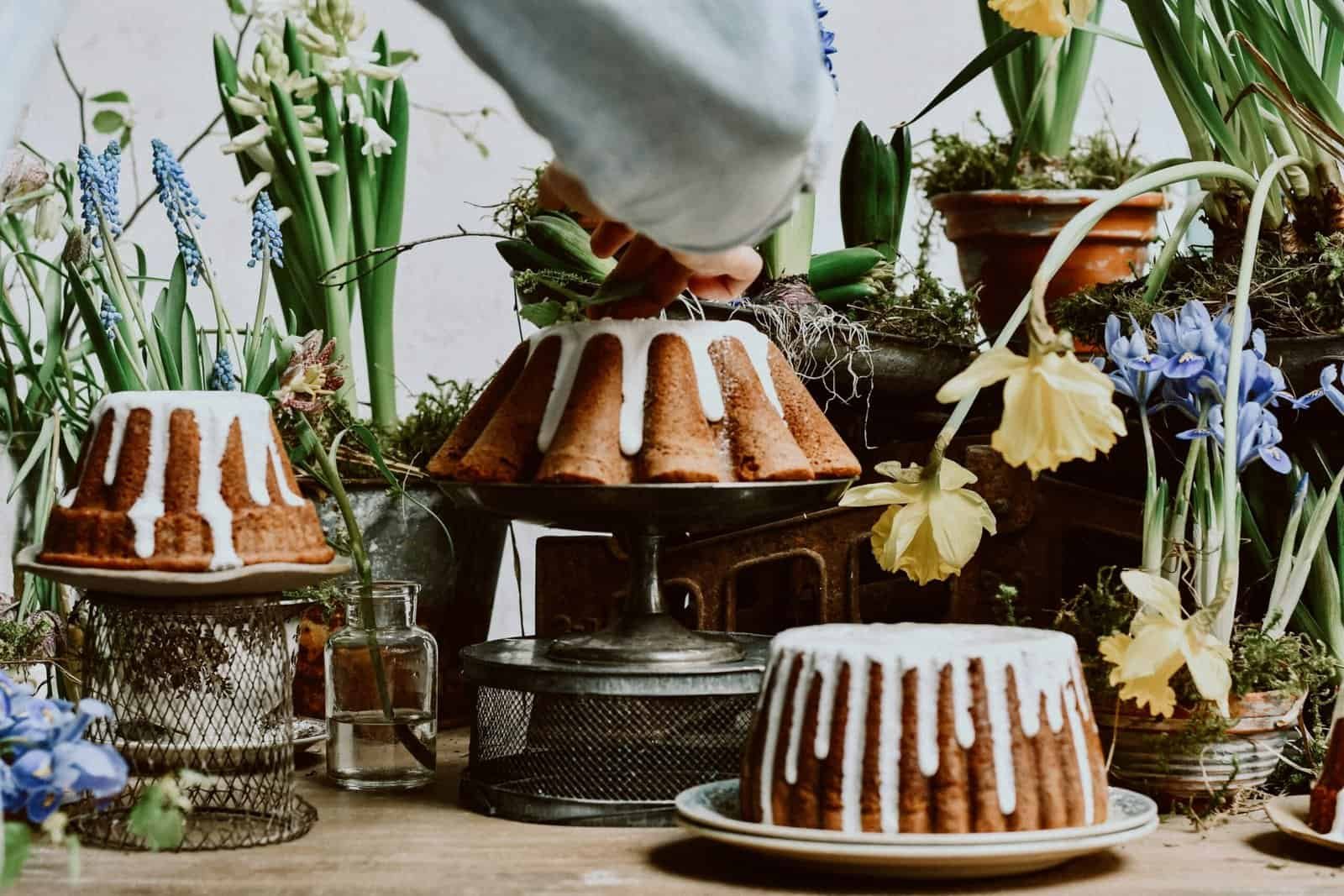
Nothing sinks a bundt cake faster than a pan that grabs half the crumb on the way out, leaving a torn top and a ruined design. The best bundt pans combine deep, crisply defined fluting with a dependable nonstick release and heavy-gauge metal that browns the cake evenly. Whether you bake a holiday pound cake once a year or a bundt most weekends, the right pan turns out a clean, detailed cake every time. If you bake across formats, our bakeware set guide rounds out the rest of the kitchen.
Quick Verdict
For most bakers, the Nordic Ware Anniversary bundt pan is the benchmark: heavy cast aluminum, sharp fluting, and a reliable release that defined the category. Bakers who want intricate designs should explore Nordic Ware’s specialty shapes, budget shoppers the Wilton, and anyone baking small the 6-cup mini. Deep fluting plus a heavy pan is the winning combination.
Key Takeaways
- Heavy cast aluminum browns evenly and holds crisp detail better than thin steel.
- A dependable nonstick coating is what saves an intricate cake from tearing.
- Deeper, sharper fluting gives a more defined cake but needs careful greasing.
- Standard bundt pans hold a common large volume; minis suit smaller bakes.
- Greasing every crevice matters more than any single feature for a clean release.
How We Picked the Best Bundt Pans
We prioritized clean release, even browning, and crisp fluting, since those are what separate a showpiece cake from a torn one. We favored heavy cast-aluminum pans that hold detail and heat steadily, and we included a range of sizes and prices from a single festive pan to a durable everyday one.
We noted which pans suit intricate designs versus simple classic shapes, and which are easiest to grease and clean. Every pick is widely available so you can compare sizes to your recipes.
Nordic Ware Anniversary Bundt Pan
Why It Stands Out
The Nordic Ware Anniversary is the pan that set the standard, with heavy cast aluminum, sharp classic fluting, and a nonstick finish that releases cleanly when greased well. Its weight browns cakes evenly and holds crisp detail bake after bake. It is the dependable everyday choice for most bakers.
Worth Knowing
Cast aluminum is not dishwasher friendly, so hand washing preserves the coating. Grease every crevice for the cleanest release. It is the easy default recommendation.
Best for bakers who want a durable, reliable classic. Skip it if you specifically want a novelty shape.
Nordic Ware Heritage Bundt Pan
Why It Stands Out
The Nordic Ware Heritage brings a more intricate fluted design while keeping the same heavy cast-aluminum build and reliable release. It suits bakers who want a more dramatic cake without sacrificing dependability. The deeper detail makes even a simple batter look impressive.
Worth Knowing
More intricate designs demand more thorough greasing to release cleanly. Hand washing keeps the finish intact. It is a step up in looks for a modest price bump.
Best for bakers who want a showier cake. Skip it if you prefer a simple classic shape or the lowest price.
Wilton Perfect Results Bundt Pan
Why It Stands Out
The Wilton Perfect Results is the budget pick, a nonstick steel bundt pan that turns out a classic fluted cake at an entry price. For occasional bakers who want a bundt without a premium spend, it covers the basics. It is light and easy to handle.
Worth Knowing
Lighter steel browns a touch less evenly than heavy cast aluminum, and the coating benefits from careful greasing. It suits simpler designs over ultra-intricate ones. It is a fine starter pan.
Best for occasional bakers on a budget. Skip it if you want the most even browning or crispest detail.
Nordic Ware 6-Cup Mini Bundt Pan
Why It Stands Out
The Nordic Ware 6-cup is the small-batch pick, a scaled-down bundt for smaller cakes or smaller households. It brings the same cast-aluminum quality and clean release in a size that bakes faster and serves fewer. It suits testing a recipe or baking for one or two.
Worth Knowing
A smaller pan holds less batter, so adjust recipes to its volume. Bake times are shorter than a full-size pan. It is a handy second pan rather than a main one.
Best for small households and recipe testing. Skip it if you usually bake full-size cakes for a crowd.
Nordic Ware Bundtlette Pan
Why It Stands Out
The Nordic Ware Bundtlette pan bakes several individual mini bundts at once, ideal for parties, gifting, or portioned desserts. Each little cake gets the same crisp fluting and clean release as a full-size pan. It turns one batter into a batch of individual showpieces.
Worth Knowing
Individual cavities need careful greasing in every crevice to release cleanly. Bake times are much shorter than a full pan. It is a specialty pan rather than an everyday one.
Best for individual servings and gifting. Skip it if you want one large cake instead of many small ones.
Kaiser Bundform Bundt Pan
Why It Stands Out
The Kaiser Bundform rounds out the list with a heavy nonstick build and clean fluting, offering a dependable alternative to the category leader. It browns evenly and releases well with proper greasing, appealing to bakers who want a sturdy pan from another maker. The classic shape suits any recipe.
Worth Knowing
Hand washing preserves the coating, as with any quality bundt pan. Its performance rivals the leaders for a similar price. It is a solid pick if you want an alternative brand.
Best for bakers wanting a sturdy classic from another brand. Skip it if you want a novelty design.
Bundt Pans at a Glance
| Pan | Material | Size | Best for | Detail |
|---|---|---|---|---|
| Nordic Ware Anniversary | Cast aluminum | Full size | Reliable classic | Crisp |
| Nordic Ware Heritage | Cast aluminum | Full size | Intricate design | Very detailed |
| Wilton Perfect Results | Nonstick steel | Full size | Budget baking | Standard |
| Nordic Ware 6-Cup | Cast aluminum | Small | Small batches | Crisp |
| Nordic Ware Bundtlette | Cast aluminum | Individual | Mini cakes | Crisp |
| Kaiser Bundform | Nonstick | Full size | Alternative brand | Clean |
What to Look For in a Bundt Pan
Material and Weight
Heavy cast aluminum browns evenly and holds crisp fluting better than thin steel, which is why it dominates quality bundt pans. Lighter steel is cheaper and fine for simple designs. Weight is a good proxy for even baking.
Nonstick Release
A dependable nonstick coating is what saves an intricate cake, but no coating substitutes for greasing every crevice. Look for a well-reviewed release and plan to grease thoroughly. This matters most for detailed designs.
Fluting and Design
Deeper, sharper fluting makes a more dramatic cake but demands more careful greasing to release cleanly. Simple designs are more forgiving. Match the design to how fussy you want to be about release.
Size for Your Recipes
Standard bundt pans hold a common large volume that most recipes assume, while minis and individual pans need scaled batter. Check the capacity against your recipe. Our cake pan guide helps if you also bake layer cakes.
Cast Aluminum vs Nonstick Steel
Why Cast Aluminum Leads
Heavy cast aluminum spreads heat evenly and holds fine detail, giving the best browning and crispest fluting. It costs more and needs hand washing. It is the choice for serious or frequent bakers.
When Steel Is Enough
Nonstick steel is lighter and cheaper, fine for occasional bakers and simpler designs. It browns a little less evenly. It is the sensible budget route.
Common Bundt Pan Mistakes
Under-Greasing the Pan
Skimping on grease is the top cause of a stuck, torn cake. Coat every crevice of the fluting, using a pastry brush for intricate designs.
Cooling Too Long in the Pan
Leaving a cake in the pan too long lets it stick as it sets, while flipping too soon can break it. Follow the recipe’s cooling window, usually a short rest before turning out.
Using the Dishwasher
Dishwasher detergent and heat degrade nonstick coatings over time. Hand wash quality bundt pans to keep the release working. A cooling rack helps the turned-out cake finish evenly.
Baking a Clean Bundt Cake
Grease and Flour Thoroughly
Coat every crevice of the fluting with butter or oil, then dust with flour and tap out the excess, so the batter has nothing to grip. A pastry brush reaches intricate designs a spray can miss. This step matters more than the pan itself for a clean release.
Cool for the Right Window
Let the cake rest in the pan for the recipe’s stated time, usually a short cooling window, before turning it out onto a rack. Too soon and it breaks; too long and it sticks as it sets. A sturdy cooling rack makes the flip cleaner.
Round Out Your Baking Kit
A bundt pan pairs with the everyday bakeware most kitchens use for smaller treats and mixing. Our guides to muffin pans, loaf pans, and mixing bowl sets cover the companions.
Recommended Reading
- Cake pans for layers and sheet cakes
- Springform pans for cheesecakes
- Cooling racks for even finishing
- Full bakeware sets for home bakers
- Baking sheets for cookies and roasting
- choosing the right cookware
Frequently Asked Questions
What is the best material for a bundt pan?
Heavy cast aluminum is the top choice because it browns evenly and holds crisp fluting, which is why it dominates quality pans. Nonstick steel is lighter and cheaper, fine for occasional bakers and simpler designs. Weight is a good sign of even baking.
How do I keep a bundt cake from sticking?
Grease every crevice of the fluting thoroughly, using a pastry brush for intricate designs, and follow the recipe’s cooling window before turning the cake out. A dependable nonstick pan helps, but greasing matters most. Turning out too early or too late both risk breakage.
What size bundt pan do I need?
Most recipes assume a standard full-size bundt pan holding a common large volume, so that is the safe default. Choose a mini or individual pan only when a recipe calls for it or you want smaller portions. Check the pan’s stated capacity against your recipe.
Can you put a bundt pan in the dishwasher?
It is best not to. Dishwasher heat and detergent wear down nonstick coatings over time, shortening the pan’s release life. Hand washing a quality cast-aluminum or nonstick bundt pan keeps it performing. Dry it fully before storing.
Are expensive bundt pans worth it?
For frequent bakers, yes. A heavy cast-aluminum pan browns more evenly, holds crisper detail, and lasts longer than a cheap one. Occasional bakers can do fine with a budget steel pan, especially for simple designs. Match the spend to how often you bake.
What is the difference between a bundt pan and a tube pan?
Both have a center tube, but a bundt pan has decorative fluting and a nonstick finish for a shaped cake, while a plain tube or angel food pan has straight sides and often a removable bottom. Use a bundt pan for pound and coffee cakes and a tube pan for airy sponge cakes. They are not always interchangeable.
Should I use baking spray or butter for a bundt pan?
Both work, but the key is reaching every crevice of the fluting. A baking spray with flour coats intricate designs quickly, while butter followed by a dusting of flour gives a dependable release many bakers trust. A pastry brush helps butter reach the detailed cavities.
What can I bake in a bundt pan besides cake?
A bundt pan also suits monkey bread, pull-apart breads, some quick breads, and even savory rings and gelatin molds. Its shape bakes dense batters evenly around the center tube. Adjust the recipe to the pan’s volume so it does not overflow.
For the bigger picture, see the comprehensive baker’s workspace methodology.
