
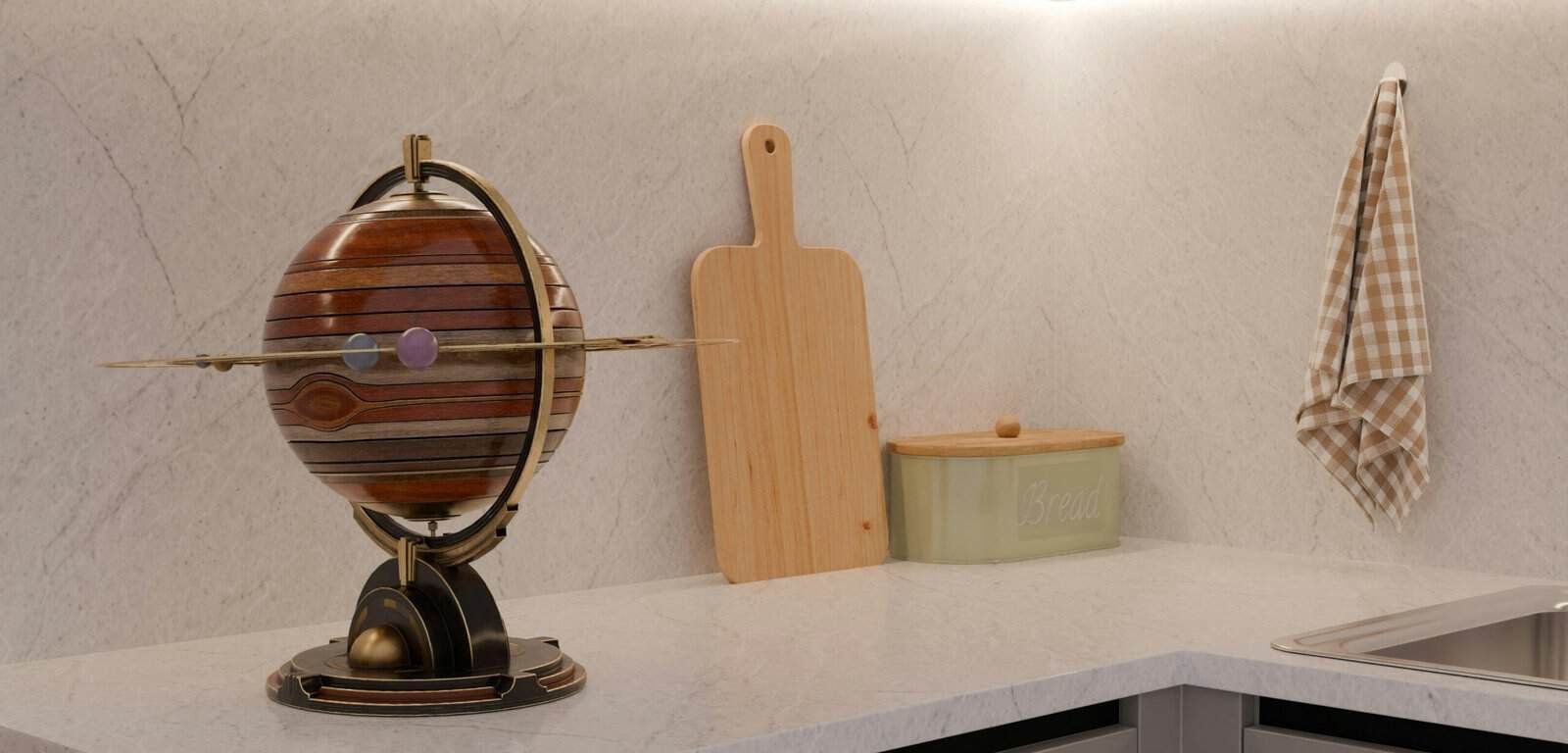
A bread box solves a small daily annoyance: bread left on the counter goes stale, and bread sealed in plastic goes soft or moldy. The best bread boxes strike the balance in between, enclosing the loaf while allowing just enough airflow to keep the crust from turning soggy or hard. Below, the picks are sorted by material and size so you can match one to your counter and your bread first, with the reasoning underneath. If you are reclaiming counter space generally, our guide to organizing your kitchen pairs well.
Bread Boxes at a Glance
| Bread box | Material | Capacity | Best for | Extra |
|---|---|---|---|---|
| Brabantia Roll-Top | Steel | Large | All-round pick | Space-saving lid |
| Home-it Bamboo | Bamboo | Large | Warm, natural look | Airflow slots |
| Prepworks Progressive | Plastic | Adjustable | Humidity control | Cutting board lid |
| KooK Ceramic | Ceramic | Medium | Style on the counter | Wood lid |
| Mueller Stainless | Stainless | Large | Easy cleaning | Vented back |
| DesignStyles Bamboo | Bamboo | Extra large | Big batches | Two-layer |
If you want one pick, the Brabantia Roll-Top is the easy default: a sturdy steel box with a roll-up lid that does not need clearance to open, holding a big loaf while a subtle vent keeps the crust right. For a warmer look, the Home-it bamboo box fits most kitchens, while the Prepworks plastic box adds a humidity vent and doubles its lid as a cutting board. Tight on space above the counter? The roll-top design wins, since a hinged lid needs room to swing up.
Key Takeaways
- A bread box balances enclosure and airflow, keeping bread fresher than the open counter or a sealed bag.
- Steel and stainless are durable and easy to clean; bamboo looks warm; ceramic is a countertop showpiece.
- A roll-top or sliding lid saves the vertical clearance a hinged lid needs.
- Size to your bread: artisan loaves need a large box, sandwich bread fits most.
- Some boxes add a vent for humidity control or a lid that doubles as a cutting board.
How We Picked the Best Bread Boxes
We sorted by material and size, since the right box depends on your counter, your look, and the bread you buy. We looked for the airflow balance that keeps crust from going soggy or rock-hard, a capacity that fits real loaves, and a lid design that suits the space you have.
We also weighed cleaning, durability, and useful extras like humidity vents and cutting-board lids. Every pick is a widely available line so you can compare sizes and prices to your kitchen.
Brabantia Roll-Top Bread Box
Why It Stands Out
The Brabantia Roll-Top is a sturdy steel box with a roll-up lid that opens without needing clearance above, which suits counters under cabinets. It holds a large loaf, and a subtle vent keeps the crust in good shape. The clean design and durable build make it the all-round pick.
Worth Knowing
Steel is easy to wipe clean but can show fingerprints. The roll-top is its standout feature for tight spaces. It is the dependable default for most kitchens.
Best for cooks who want a durable, space-smart box. Skip it if you want a warm natural material.
Home-it Bamboo Bread Box
Why It Stands Out
The Home-it bamboo box brings a warm, natural look that fits most kitchen styles, with airflow slots that help keep bread fresh. It holds a large loaf and looks good on the counter, which suits cooks who want storage that doubles as decor. The bamboo build is sturdy and renewable.
Worth Knowing
Bamboo needs wiping rather than soaking, and crumbs collect in the slots. It has a hinged lid that needs some clearance. It is the pick when looks matter as much as function.
Best for cooks who want a warm, natural bread box. Skip it if you have low cabinet clearance or want dishwasher cleaning.
Prepworks by Progressive Bread Keeper
Why It Stands Out
The Prepworks by Progressive is a plastic bread keeper with an adjustable humidity vent and a lid that doubles as a cutting board, adding function beyond simple storage. The vent lets you tune airflow to your climate, and the cutting-board lid saves a step when slicing. It is the most feature-rich pick.
Worth Knowing
Plastic looks less premium than steel or bamboo on the counter. The adjustable vent is genuinely useful for humidity control. It is the pick for function over looks.
Best for cooks who want humidity control and a cutting-board lid. Skip it if you want a premium countertop look.
KooK Ceramic Bread Box
Why It Stands Out
The KooK ceramic bread box is the countertop showpiece, with a glazed finish and a wood lid that looks beautiful in the kitchen. It stores a medium loaf while adding style, which suits cooks who want the box to be part of the decor. The ceramic is easy to wipe clean.
Worth Knowing
Ceramic is heavier and breakable if dropped, and it holds a medium rather than extra-large loaf. The wood lid needs gentle care. It is best when style is a priority.
Best for cooks who want a stylish ceramic box. Skip it if you need extra-large capacity or a light, unbreakable box.
Mueller Stainless Steel Bread Box
Why It Stands Out
The Mueller stainless steel box is the easy-clean pick, with a wipe-down surface and a vented back that keeps airflow moving. It holds a large loaf and resists stains and odors, which suits busy kitchens that want low upkeep. The magnetic or latch lid keeps it closed.
Worth Knowing
Stainless shows fingerprints like other metals. The hinged lid needs some clearance to open fully. It is the pick for durability and easy cleaning.
Best for cooks who want a low-maintenance metal box. Skip it if you want a warm natural material or a roll-top.
DesignStyles Two-Layer Bamboo Bread Box
Why It Stands Out
The DesignStyles two-layer bamboo box offers extra-large capacity for households that buy a lot of bread or bake big batches, with a second layer or shelf for extra loaves and rolls. The bamboo looks warm, and the size handles what smaller boxes cannot. It suits busy or bread-loving kitchens.
Worth Knowing
The larger footprint takes more counter space. Bamboo needs wiping and crumb clearing. It is the pick for high-capacity storage.
Best for households that store a lot of bread. Skip it if counter space is tight.
How to Choose a Bread Box
Material and Look
Steel and stainless are durable and easy to clean, bamboo brings a warm natural look, and ceramic is a countertop showpiece, while plastic adds features at a lower cost. Choose the material for how it fits your kitchen and cleaning habits. All keep bread fresher than the open counter.
Lid Style and Clearance
A hinged lid needs vertical clearance to swing open, which matters under low cabinets, while a roll-top or sliding lid opens in place. Measure the space above your counter before buying. This is the detail most people overlook.
Capacity for Your Bread
Artisan and sourdough loaves need a large box, sandwich bread fits most, and big households or bakers want extra-large or two-layer designs. Match the size to what you actually buy. A box too small forces you to squash the loaf.
Airflow and Extras
The right box vents just enough to keep crust from going soggy or hard, and some add adjustable humidity vents or cutting-board lids. Decide whether those extras are worth it for your bread and climate. Our guide to food storage containers covers the rest of the pantry.
Bread Box vs Bag vs Counter
Why a Bread Box Helps
A bread box vents enough to keep crust intact while enclosing the loaf, which keeps bread fresher than the open counter, where it dries out, or a sealed bag, where crusty bread goes soft and can mold. It is the middle ground crusty loaves want. Anyone shaping loaves by hand also needs a lame and a scoring set to control how the crust opens.
When a Bag Is Fine
Soft sandwich bread does well in its bag, since it is meant to stay soft, so a bread box matters most for bakery and artisan loaves. Choose a box if you buy crusty bread, and a bag is fine for pre-sliced sandwich loaves.
Common Bread Box Mistakes
Ignoring Cabinet Clearance
A hinged-lid box that cannot open fully under your cabinets is a daily frustration. Measure the clearance or choose a roll-top design.
Buying Too Small
A box that squashes your usual loaf defeats the purpose. Size to the bread you actually buy, going large for artisan loaves.
Sealing Bread Too Tightly
A box with no airflow traps moisture and softens or molds crusty bread. Look for a design with a subtle vent rather than an airtight seal.
Fitting a Bread Box Into a Tidy Counter
Free Up Counter Space First
A bread box earns its footprint when the rest of the counter is under control, so pairing it with drawer and cabinet organizers keeps the kitchen from feeling crowded. Our guides to drawer organizers and cabinet and shelf organizers help reclaim space.
Keep the Whole Counter Working
In a small kitchen, a bread box competes with everything else for the counter, so a turntable for oils or a tidy essentials kit keeps things reachable. See our lazy susan guide and apartment kitchen essentials for space-savers.
Worth reading next:
Worth reading next: our guides to organizing your kitchen counters and cabinets, food storage containers for the pantry, and pantry canisters that keep dry goods fresh.
Frequently Asked Questions
Does a bread box actually keep bread fresh?
Yes, for the right bread. A bread box vents just enough airflow to keep crust intact while enclosing the loaf, which keeps crusty and artisan bread fresher than the open counter or a sealed bag. Soft sandwich bread does fine in its bag, so a box matters most for bakery loaves. Bags and wraps are the other half of the question, and our roundup of bread bags and wraps covers the trade between crust and crumb.
What material is best for a bread box?
Steel and stainless are durable and easy to clean, bamboo brings a warm look, ceramic is a countertop showpiece, and plastic adds features cheaply. The best material depends on your kitchen style and cleaning habits. All of them keep bread fresher than leaving it out.
Should a bread box have air holes?
A good bread box has a subtle vent or airflow slots rather than being airtight, which keeps crust from going soggy while still slowing staling. Too much airflow dries bread out and too little traps moisture and causes mold. The balance is what keeps bread right.
What size bread box do I need?
Match the size to the bread you buy: artisan and sourdough loaves need a large box, sandwich bread fits most, and big households or bakers want extra-large or two-layer designs. A box too small forces you to squash the loaf. When in doubt, size up.
Is a bread box better than a bag?
For crusty and artisan bread, yes, because a bag softens the crust and can trap moisture, while a bread box vents to keep the crust intact. For soft sandwich bread, the bag is fine since it is meant to stay soft. Choose based on the bread you buy most.
Where should I put a bread box?
Place it on a dry counter away from the stove and out of direct sun, with enough clearance above if it has a hinged lid. A cool, dry spot helps bread last longer. If space under cabinets is tight, a roll-top design opens without clearance.
How long does bread last in a bread box?
Crusty and artisan bread typically stays fresh a few days in a well-vented bread box, longer than on the open counter, though exact time depends on the bread and your climate. For longer storage, freezing sliced bread keeps it best. A bread box is for the loaf you are working through, not long-term storage.
Where should a bread box go in a small kitchen?
In a tight kitchen, put the bread box in a low-traffic corner of the counter away from the stove, ideally where a hinged lid has clearance or where a roll-top can sit under cabinets. Grouping it with other counter storage keeps the space tidy; our spice rack and organizer guide covers nearby essentials. A cool, dry spot out of sun also helps bread last.
