
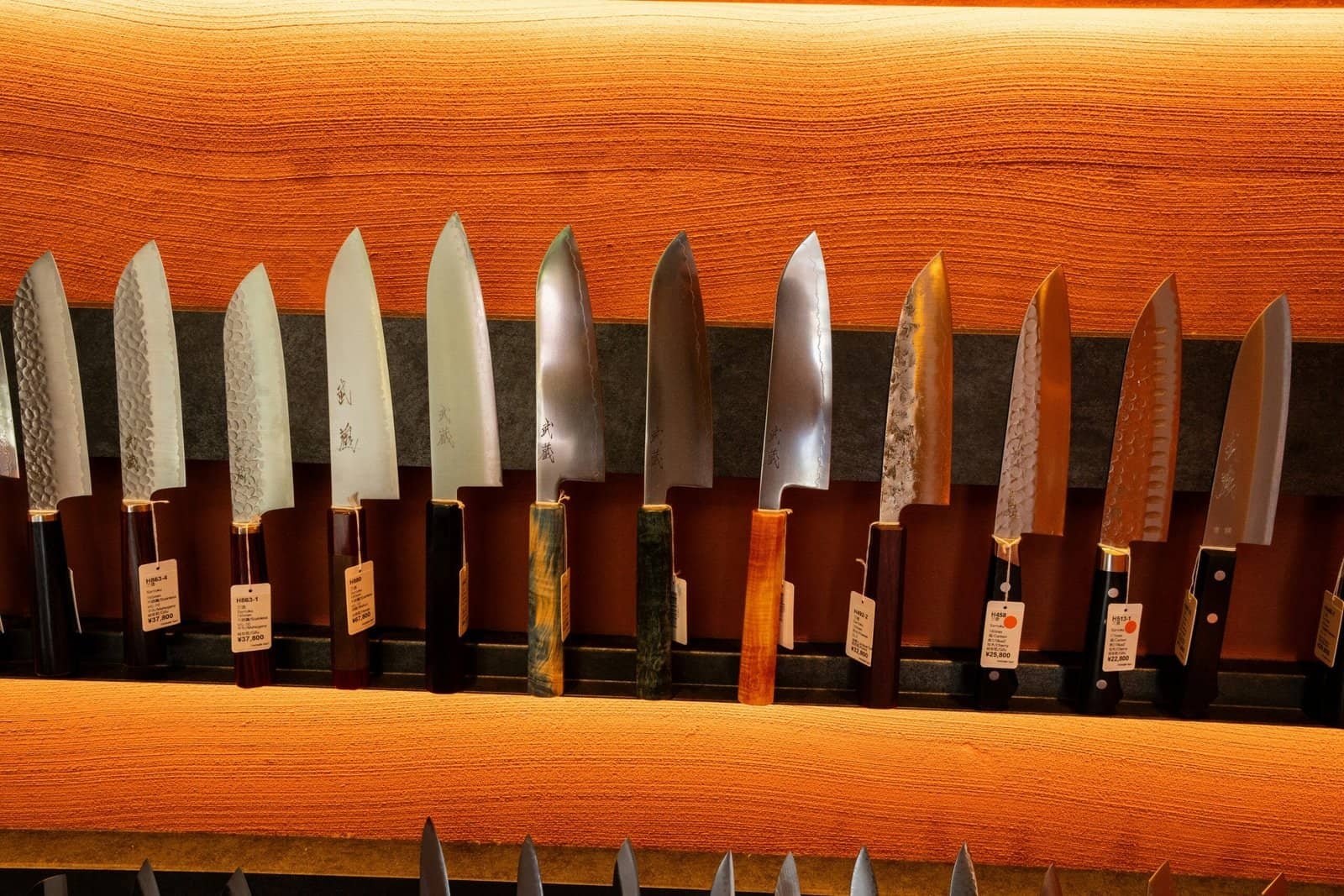
A nakiri is the Japanese vegetable knife with a flat edge and a squared-off tip, designed for a straight up-and-down chop that slices cleanly through the whole vegetable without the rocking motion a chef’s knife needs. If you prep a lot of produce, the best nakiri knives make dicing onions, slicing cabbage, and cutting through dense squash faster and tidier than a curved blade. Below are six picks from budget to premium, plus how to choose the right steel and size. If you are still building a core set, our chef’s knife guide covers the workhorse that pairs with it.
Quick Verdict
For most home cooks, the Mercer Culinary Genesis nakiri is the value standout: a durable German-steel blade that holds a working edge without a premium price. Cooks who want a sharper, lighter Japanese blade should look at the Tojiro DP, budget shoppers at the imarku, and those wanting a showpiece at the Shun Classic. Match the steel and handle to how often you sharpen.
Key Takeaways
- A nakiri’s flat edge chops straight down, ideal for fast, clean vegetable prep.
- The squared tip means no rocking, so full slices land in one motion.
- Japanese steel takes a sharper edge; German steel is tougher and easier to maintain.
- A comfortable handle and balanced weight matter as much as the blade for long prep.
- A nakiri complements rather than replaces a chef’s knife.
How We Picked the Best Nakiri Knives
We focused on edge quality and retention, blade balance and handle comfort for repetitive chopping, and a spread of steels so cooks who sharpen often and those who rarely do both have a pick. We included budget, mid-range, and premium options across German and Japanese steel.
We favored widely available lines so you can compare sizes and prices. A nakiri is a specialist, so we weighed how well each one does its one job: clean, straight cuts through vegetables.
Mercer Culinary Genesis Nakiri
Why It Stands Out
The Mercer Genesis pairs a forged German-steel blade with a grippy handle at a price that undercuts premium Japanese lines. The tougher steel resists chipping and is easy to resharpen, which suits cooks who want a durable everyday nakiri. The full flat edge chops cleanly through produce.
Worth Knowing
German steel holds a slightly less keen edge than hard Japanese steel, a fair trade for toughness. It is heavier than a thin Japanese blade. It is the easy value recommendation for most kitchens.
Best for cooks who want a durable, affordable nakiri. Skip it if you want the thinnest, sharpest possible blade.
Tojiro DP Nakiri
Why It Stands Out
The Tojiro DP is a favorite entry into real Japanese steel, with a hard, thin blade that takes a keen edge for clean, precise cuts. It is lighter and sharper than German options, which cooks who value crisp slices appreciate. The value-to-performance ratio is a big part of its reputation.
Worth Knowing
Harder steel is sharper but more prone to chipping if misused, so keep it off bone and frozen food. It benefits from careful hand washing. For sharpening tools, see our knife sharpener guide.
Best for cooks who want Japanese sharpness at a fair price. Skip it if you want a tougher, lower-maintenance blade.
imarku Nakiri
Why It Stands Out
The imarku nakiri is the budget pick, offering a nakiri shape and a serviceable edge at an entry price. For cooks curious whether a flat vegetable blade suits their style, it is a low-risk way to try one. The wide blade also scoops chopped vegetables neatly.
Worth Knowing
Budget steel needs more frequent sharpening to stay keen. The finish and balance are simpler than premium lines. It is a sensible first nakiri before investing more.
Best for trying a nakiri without spending much. Skip it if you want long edge retention or a refined feel.
Wusthof Classic Nakiri
Why It Stands Out
The Wusthof Classic brings the brand’s forged German steel and full tang to the nakiri shape, giving a sturdy, balanced blade that resharpens easily. It suits cooks who already trust German knives and want a matching vegetable blade. The heft powers through dense produce.
Worth Knowing
The German steel is tougher but not as razor-keen as hard Japanese steel. The heavier build is a preference rather than a flaw. It is a durable pick for cooks who value longevity.
Best for fans of sturdy German knives. Skip it if you prefer a light, ultra-sharp Japanese blade.
Shun Classic Nakiri
Why It Stands Out
The Shun Classic is the premium showpiece, with a hard Japanese blade, a Damascus-clad finish, and a keen edge for effortless clean cuts. It suits cooks who want top-tier sharpness and a beautiful knife to match. The thin blade glides through vegetables with little effort.
Worth Knowing
Hard, thin steel is sharp but demands careful use and hand washing to avoid chips. The premium price reflects materials and finish. It is the pick when you want a lasting, high-performing blade.
Best for cooks who want premium sharpness and looks. Skip it if you want a rugged, low-maintenance knife.
Dalstrong Shogun Series Nakiri
Why It Stands Out
The Dalstrong Shogun rounds out the list with a hard high-carbon steel blade, a Damascus-style finish, and an aggressive edge at a price below the top Japanese names. It targets cooks who want premium performance and looks for less. The thin, sharp blade handles produce cleanly.
Worth Knowing
Like other hard blades it rewards careful use and hand washing. The bold styling is a matter of taste. It is a strong value in the near-premium tier.
Best for cooks who want premium features at a mid-high price. Skip it if you prefer understated, classic styling.
Nakiri Knives at a Glance
| Knife | Steel | Feel | Best for | Maintenance |
|---|---|---|---|---|
| Mercer Genesis | German | Sturdy | Durable value | Easy |
| Tojiro DP | Japanese | Light, sharp | Japanese sharpness | Moderate |
| imarku | Stainless | Simple | Budget entry | Frequent sharpening |
| Wusthof Classic | German | Heavy, balanced | German fans | Easy |
| Shun Classic | Hard Japanese | Thin, keen | Premium showpiece | Careful |
| Dalstrong Shogun | Hard high-carbon | Thin, sharp | Premium value | Careful |
What to Look For in a Nakiri
Steel Type and Hardness
Hard Japanese steel takes a keener edge and holds it longer but can chip and needs careful use; German steel is tougher, easier to resharpen, and more forgiving. Choose based on whether you sharpen often and how gently you treat knives. Both cut vegetables cleanly.
Blade Size and Weight
Most nakiri blades run in a handy mid-size range that suits home boards. Lighter blades feel nimble for fine work; heavier ones power through dense squash. Pick the weight that feels balanced in your hand.
Handle Comfort
Repetitive chopping makes handle comfort matter as much as the edge. Western handles feel familiar; traditional Japanese handles are lighter. Hold or picture your grip before deciding.
Maintenance You Will Actually Do
A hard, sharp blade rewards hand washing and occasional honing, while a tougher blade tolerates more. Be honest about your habits. Our cutting board guide also matters, since a soft board protects any edge.
Nakiri vs Chef’s Knife vs Santoku
How a Nakiri Differs
A nakiri’s flat edge and squared tip chop straight down for clean, full slices, which excels at vegetables but is less suited to rocking cuts or piercing. It is a specialist, not an all-rounder.
When to Reach for Each
Use a chef’s knife or a santoku for general tasks and meat, and reach for the nakiri when you have a pile of vegetables to prep. Many cooks keep a nakiri alongside their main knife rather than instead of it.
Common Nakiri Mistakes to Avoid
Rocking Instead of Chopping
A nakiri is built for a straight up-and-down cut, so rocking it like a chef’s knife wastes its design. Let the flat edge drop cleanly through the vegetable.
Cutting Bone or Frozen Food
Hard, thin nakiri steel can chip on bone or frozen food. Keep it to vegetables and use a heavier knife for tough tasks.
Neglecting the Edge
Even great steel dulls with use, and a dull nakiri crushes rather than slices. Hone regularly and sharpen when needed to keep cuts clean.
Caring for a Nakiri Knife
Wash and Dry by Hand
Hard Japanese steel especially should be hand washed and dried right away rather than left in the sink or run through the dishwasher, which can dull or corrode the edge. A quick wipe after each use keeps it keen. This small habit extends the life of any good blade.
Store It Safely
Loose in a drawer, a nakiri’s edge gets knocked and dulled, so use a magnetic strip, a guard, or a block. Protected storage keeps the edge sharp and keeps you safe reaching in. See our knife storage guide for options.
Hone and Sharpen Regularly
Honing realigns the edge between sharpenings, and periodic sharpening restores it, keeping cuts clean rather than crushed. A dull nakiri bruises vegetables instead of slicing them. If you are building a set, our knife set guide, paring knife picks, and boning knife guide round out the block.
Recommended Reading
- Santoku knives for all-around prep
- Chef’s knives, the kitchen workhorse
- Sharpeners to keep any blade keen
- Cutting boards that protect your edge
- choosing a kitchen knife
Frequently Asked Questions
What is a nakiri knife used for?
A nakiri is a Japanese vegetable knife with a flat edge and squared tip, made for a straight up-and-down chop that slices cleanly through produce. It excels at dicing, slicing, and cutting dense vegetables in one motion. It is a specialist that complements a chef’s knife.
Is a nakiri better than a chef’s knife?
Not better, just different. A nakiri chops vegetables faster and more cleanly with its flat edge, while a chef’s knife is more versatile for meat, rocking cuts, and general tasks. Many cooks keep both and reach for the nakiri during heavy vegetable prep.
What steel is best for a nakiri?
Hard Japanese steel takes a sharper edge and holds it longer but needs careful use, while German steel is tougher and easier to resharpen. Choose Japanese for maximum sharpness if you treat knives gently, and German for a durable, low-maintenance blade. Both cut vegetables well.
How do you use a nakiri knife?
Use a straight up-and-down chopping motion rather than the rocking cut a chef’s knife uses, letting the flat edge drop fully through the vegetable. The wide blade also scoops chopped food off the board. Keep it to vegetables and off bone or frozen items.
Is a nakiri good for beginners?
Yes, in one sense: the straight chop is simple and produces clean cuts without practiced knife skills. It is a specialist, though, so a beginner still needs a chef’s knife or santoku for general tasks. A budget nakiri is a low-risk way to try the style.
How do I care for a nakiri knife?
Hand wash and dry it rather than using the dishwasher, especially for hard Japanese steel, and hone the edge regularly. Store it on a magnetic strip or in a guard so the edge is not knocked. Keep it to vegetables to avoid chipping.
What length nakiri should I buy?
Most home nakiri blades fall in a handy mid-size range that suits standard cutting boards and everyday produce. A slightly shorter blade feels nimble for small kitchens, while a longer one handles big vegetables in fewer strokes. Choose the size that feels balanced and fits your board.
Can a nakiri replace a chef’s knife?
Not fully. A nakiri excels at vegetables but lacks the pointed tip and curved edge a chef’s knife uses for meat, rocking cuts, and piercing. Most cooks keep a nakiri as a specialist alongside a chef’s knife rather than as a replacement. If you can own only one knife, a chef’s knife is the more versatile choice.
This guide is part of the full guide to choosing the right cookware for your kitchen.
