
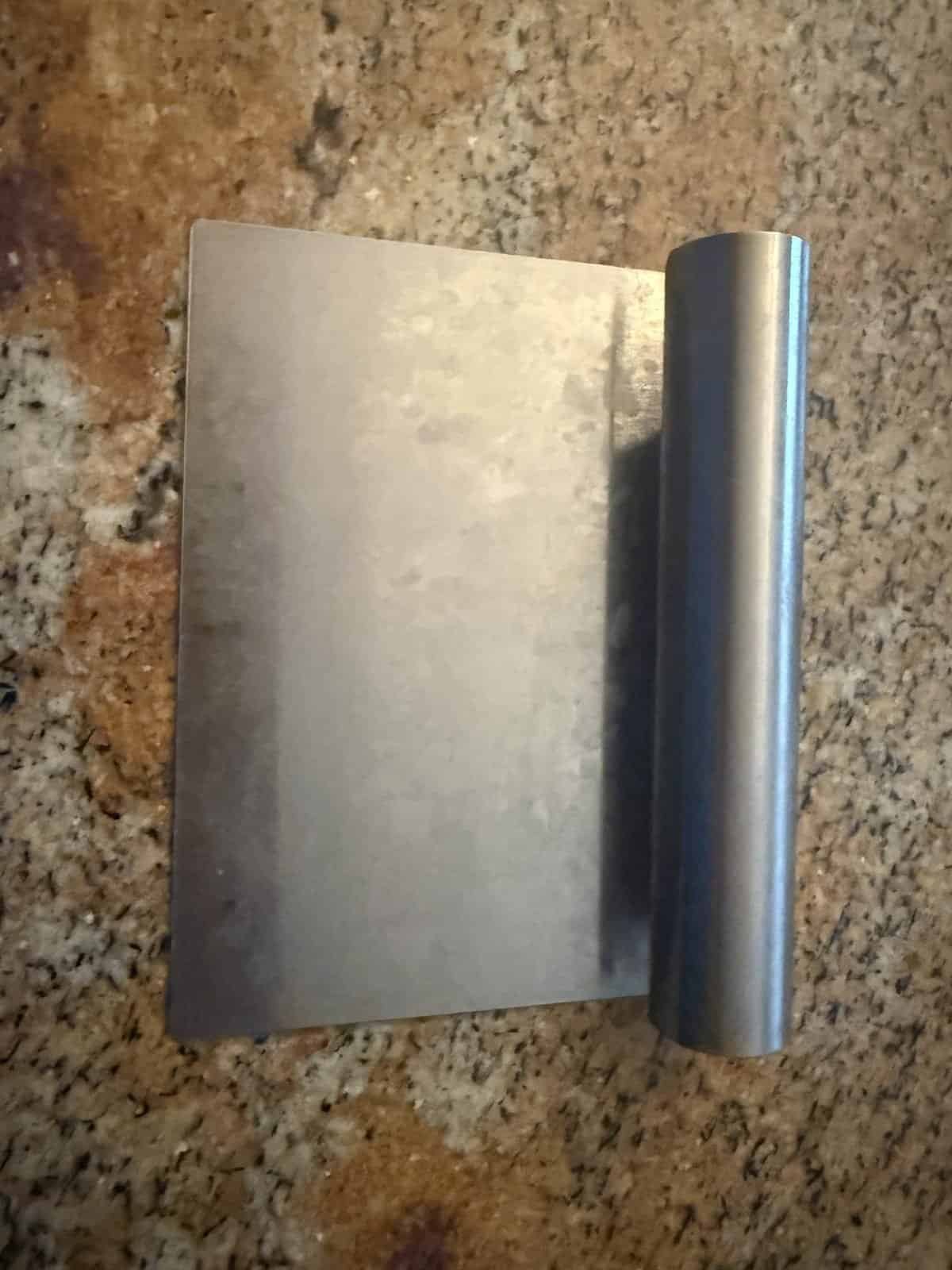
A pastry cutter, also called a pastry blender, is the little handheld tool that cuts cold butter into flour to give pie crust, biscuits, and scones their flaky texture. The best pastry cutters are sturdy enough to power through cold butter without bending, comfortable to grip, and quick to clean between the blades. I use a pastry cutter that is easy to use and easy to clean, sturdy with a nice grip, and I have had no issues with it, so this guide pairs that hands-on experience with product research. It fits right into setting up a home baking station. The six picks below cover blade-style and wire-style cutters for every baker.
Quick Verdict
A sturdy blade-style pastry cutter with a comfortable grip is the best all-around choice for cutting cold butter into flour. Wire-style blenders are lighter and gentler, while heavy-duty stainless models power through firm butter without flexing. Whatever you choose, prioritize a solid build, a comfortable handle, and blades that are easy to clean.
Why Trust This Guide
Independent picks, reader-supported through affiliate links at no cost to you. I use a pastry cutter regularly and can speak to what a sturdy, comfortable, easy-to-clean one feels like in real baking. First-person notes describe the cutter I actually use, in my own words with no brand claimed, while the rest reflects product research.
Key Takeaways
- A pastry cutter cuts cold butter or fat into flour for flaky pie crust, biscuits, and scones.
- Blade-style cutters are sturdier for firm butter; wire-style are lighter and gentler.
- Look for a comfortable grip, a solid build that will not bend, and blades that clean easily.
- Keep your butter and ingredients cold so the fat stays in distinct pieces for flakiness.
How We Picked the Best Pastry Cutters
We judged each pastry cutter on sturdiness, grip comfort, cutting performance, and ease of cleaning. Sturdiness and grip led, because cutting cold butter into flour takes real force, and a cutter that bends or digs into your hand quickly becomes frustrating. We valued blades or wires that slice cleanly through cold fat and a design that rinses clean without butter clogging the gaps. The picks span blade and wire styles for different preferences.
1. OXO Good Grips Dough Blender
Why It Stands Out
The OXO Good Grips dough blender is the best all-around pick. It pairs sturdy stainless blades that power through cold butter with the soft, non-slip handle OXO is known for, so your hand stays comfortable even when the dough resists. It is the reliable default for most bakers.
Worth Knowing
The blades are firm rather than delicate wires, which is great for butter but heavier-duty than some need. Rinse it soon after use so butter does not harden between the blades.
Buy it if you want a sturdy, comfortable everyday cutter. Skip it if you prefer a lighter wire-style tool.
2. The Pastry Cutter I Use
Why It Stands Out
This is the pastry cutter I actually use, so I will describe it plainly. What stands out to me is how easy it is to use and to clean, and how sturdy it feels, with a nice grip that makes cutting butter into flour comfortable rather than a chore. I have had no issues with it at all, which is exactly what you want from a simple tool you reach for whenever you bake. For dependable, everyday pastry work, that combination of a solid build and a comfortable grip is what matters most to me.
Worth Knowing
Because mine is unbranded here, look for the same things I value: a sturdy build that will not bend under cold butter, a comfortable grip, and a design that rinses clean easily. Match the blade or wire style to your preference and how firm your butter usually is.
Buy a sturdy, comfortable, easy-to-clean cutter like this for reliable everyday baking. Match the style to your preference.
3. Spring Chef Heavy Duty Pastry Cutter
Why It Stands Out
The Spring Chef is the pick for heavy-duty durability. Its thick stainless steel blades and reinforced build are made to cut through firm, cold butter without flexing or bending, which is the weak point of cheaper cutters. For bakers who work with very cold butter, it is a workhorse.
Worth Knowing
The robust blades make it heavier than a wire blender, which most bakers welcome but some find substantial. As with any blade cutter, clean between the blades promptly.
Buy it if you want the sturdiest cutter for firm butter. Skip it if you want something light and minimal.
4. Norpro Wire Pastry Blender
Why It Stands Out
The Norpro wire blender is the pick for a lighter, gentler tool. Its rounded wires cut fat into flour with a softer touch than stiff blades, which some bakers prefer for a more delicate crumb, and the simple design is easy to rinse. It is a classic, no-fuss option.
Worth Knowing
Thin wires flex more than blades, so very firm butter takes a little more effort. Look for a sturdy wire gauge so it holds its shape over time.
Buy it if you like a light, traditional wire blender. Skip it if you regularly cut very cold, hard butter.
5. Bellemain Stainless Steel Pastry Cutter
Why It Stands Out
The Bellemain stainless cutter is the value pick. It delivers sturdy stainless blades and a comfortable handle at a friendly price, and its all-metal build is dishwasher safe for easy cleanup. For a dependable cutter without a premium price, it hits the mark.
Worth Knowing
An all-metal handle is durable but less cushioned than a soft-grip model. Confirm dishwasher use in the product details, though hand washing is always gentle.
Buy it if you want a sturdy stainless cutter on a budget. Skip it if you want a cushioned soft-grip handle.
6. KitchenAid Gourmet Pastry Blender
Why It Stands Out
The KitchenAid Gourmet pastry blender is the pick for a comfortable, quality feel. It combines sturdy blades with a cushioned, ergonomic handle and a trusted brand build, making longer sessions of cutting butter easier on the hand. It is a polished everyday choice.
Worth Knowing
It sits at a slightly higher price than basic cutters for the brand and handle. Like all blade cutters, give it a prompt rinse so butter does not set between the blades.
Buy it if you want a comfortable, quality-feeling cutter. Skip it if you want the cheapest functional option.
Pastry Cutters at a Glance
| If you want this | Reach for | Why |
|---|---|---|
| A sturdy, comfortable all-rounder | OXO Good Grips | Firm blades, soft grip |
| An easy, reliable everyday cutter | A sturdy cutter like the one I use | Comfortable grip, easy to clean |
| Maximum durability for firm butter | Spring Chef Heavy Duty | Thick blades that will not bend |
| A light, gentle tool | Norpro Wire Blender | Rounded wires, softer cut |
| The best value | Bellemain Stainless | Sturdy stainless, low price |
| A comfortable, quality feel | KitchenAid Gourmet | Cushioned ergonomic handle |
How to Choose a Pastry Cutter
Blade Style vs Wire Style
Decide between blades and wires. Blade-style cutters are stiffer and power through cold, firm butter with less effort, making them the sturdier all-around choice, while wire-style blenders are lighter and gentler but flex more on hard butter. Pick based on how firm your butter usually is and the feel you prefer.
Prioritize Sturdiness and Grip
Choose a cutter built to stay rigid, since one that bends under cold butter turns a quick job into a struggle. Look for a solid build and a comfortable, non-slip handle, which, in my experience, is the difference between a tool that is pleasant to use and one you dread. Pair it with sturdy mixing bowl sets for prep.
Think About Cleaning
Butter loves to hide between blades and wires, so ease of cleaning matters. A simple design with accessible gaps rinses clean quickly, and many stainless cutters are dishwasher safe, though a prompt hand rinse before the butter hardens is always the easiest approach.
Consider Your Baking
Match the cutter to what you bake. Frequent pie and biscuit bakers benefit from a sturdy blade cutter, occasional bakers may prefer a light wire blender, and anyone with hand strain should prioritize a cushioned grip. A good cutter helps you understand why pie crust gets tough and how to avoid it.
Common Pastry Cutter Mistakes to Avoid
Letting the Butter Get Warm
Warm butter smears into the flour instead of staying in distinct pieces, which is what creates flaky layers. Keep your butter cold, work quickly, and chill everything again if it starts to soften, so the cutter can do its job of cutting rather than smearing.
Buying a Flimsy Cutter
A cutter with thin, bendable blades or wires struggles with cold butter and warps over time. Invest in a sturdy build that holds its shape, since powering through firm butter is exactly when a weak cutter fails you.
Overworking the Dough
Cutting until the mixture is totally smooth eliminates the butter pieces that make pastry flaky. Stop when the fat is in pea-size to small crumbly pieces, leaving those distinct bits of butter to create steam and layers as the pastry bakes.
Skipping the Prompt Clean
Letting butter dry and harden between the blades makes cleanup a chore. Rinse the cutter soon after use while the butter is still soft, and a quick pass is all it takes to keep the blades or wires clear.
Recommended Reading
- rolling pins
- why pie crust gets tough
- a home baking station
- whisks
- baking sheets
- cooling racks
- silicone baking mats
- loaf pans
Frequently Asked Questions
What is a pastry cutter used for?
A pastry cutter, or pastry blender, cuts cold butter or other fat into flour for pie crust, biscuits, scones, and similar doughs. Breaking the fat into small pieces coated in flour is what gives baked pastries their flaky, tender texture.
What is the difference between a pastry cutter and a pastry blender?
They are the same tool, just called by different names. Both refer to the handheld device with blades or wires used to cut fat into flour, so whether a listing says pastry cutter or pastry blender, you are looking at the same kind of tool.
Are blade or wire pastry cutters better?
It depends on your preference. Blade-style cutters are stiffer and power through cold, firm butter with less effort, while wire-style blenders are lighter and gentler but flex more on hard butter. Blades are the sturdier all-around choice, and wires suit those who want a softer touch.
Can I use a pastry cutter for other tasks?
Yes, it is handy beyond pastry. A pastry cutter works well for mashing avocados, hard-boiled eggs, or soft fruit, and for breaking up ground meat while cooking. Its cutting design makes it a surprisingly versatile little kitchen tool.
How do I keep butter cold while using a pastry cutter?
Start with butter straight from the fridge or freezer, cut it into cubes first, and work quickly so your hands do not warm it. If the butter softens, pop the bowl back in the fridge for a few minutes, since cold fat is what creates flaky layers.
How do I clean a pastry cutter?
Rinse it soon after use while the butter is still soft, using warm soapy water and a brush to clear the gaps between blades or wires. Many stainless cutters are dishwasher safe, but a prompt hand rinse is usually the quickest way to prevent butter from hardening.
What should I look for in a sturdy pastry cutter?
Look for solid stainless blades or a sturdy wire gauge, a firm connection between the head and handle, and a comfortable, non-slip grip. A sturdy cutter powers through cold butter without bending, which is the single most important quality for pastry work.
Do I really need a pastry cutter?
It is not strictly essential, but it makes cutting fat into flour far easier and more consistent than using two knives or your fingers, which warm the butter. For anyone who bakes pie, biscuits, or scones with any regularity, it is an inexpensive tool that genuinely improves results.
