
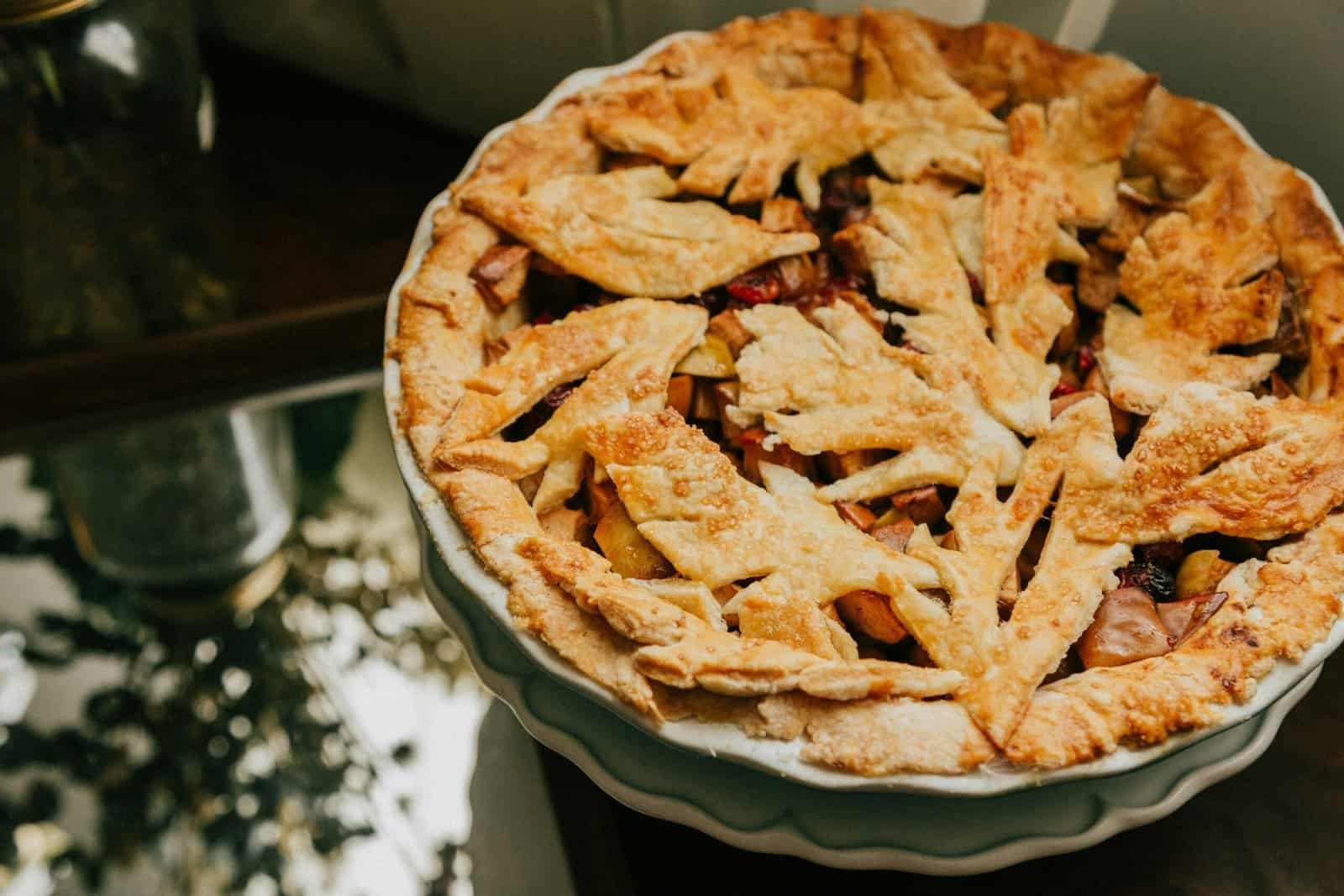
A soggy bottom crust is the most common pie failure, and the pan is usually to blame: the wrong material never gets the base hot enough to crisp. The best pie pans conduct heat to the bottom crust so it browns and sets while the filling cooks, whether you bake fruit pies, custards, or quiches. If you are outfitting your kitchen, our guide to setting up a home baking station puts the pie pan in context, and our cake pan roundup covers the next bake.
Quick Verdict
For most bakers, the OXO Good Grips glass pie pan is the easy pick: glass browns the bottom crust well and lets you see when it is done. Ceramic fans who want a dish that goes table to oven should look at the Emile Henry, metal fans who want the crispest crust at the USA Pan, and deep-dish bakers at the Pyrex Deep. Match the material to the crust you care about most.
Key Takeaways
- The pan material decides whether the bottom crust browns or stays soggy.
- Glass conducts heat well and lets you watch the bottom crust brown.
- Metal, especially darker metal, gives the crispest, fastest-browning crust.
- Ceramic looks best for serving but browns the bottom more slowly.
- A standard pan suits most recipes; deep-dish pans need more filling and time.
How We Picked the Best Pie Pans
We focused on how well each pan browns the bottom crust, since that is the difference between a crisp and a soggy pie. We compared glass, ceramic, and metal so bakers who prize browning, serving looks, or speed are all covered, and we included standard and deep-dish sizes.
We also weighed durability, oven and dishwasher safety, and whether the pan doubles for serving. Every pick is a widely available line so you can compare sizes and prices to your recipes.
OXO Good Grips Glass Pie Pan
Why It Stands Out
The OXO Good Grips glass pie pan conducts heat well to brown the bottom crust and lets you see exactly when it is done, which takes the guesswork out of avoiding a soggy base. Glass suits fruit pies, custards, and quiches alike, and it goes from oven to table. It is the dependable all-round choice.
Worth Knowing
Glass can crack with sudden temperature changes, so avoid moving it from freezer to hot oven. It browns a touch slower than dark metal. It is dishwasher safe for easy cleanup.
Best for bakers who want reliable browning and a see-through base. Skip it if you want the crispest, fastest crust.
USA Pan Aluminized Steel Pie Pan
Why It Stands Out
The USA Pan aluminized steel pie pan browns the bottom crust quickly and evenly, giving the crispest base of the group. Its corrugated surface promotes airflow and release, which bakers chasing a shatteringly crisp crust appreciate. The sturdy metal resists warping.
Worth Knowing
Metal does not let you see the crust as it browns, so watch the time. It is best hand washed to protect the finish. It is the pick when crust crispness matters most.
Best for bakers who want the crispest bottom crust. Skip it if you want to watch the crust or serve from the pan.
Emile Henry Ceramic Pie Dish
Why It Stands Out
The Emile Henry ceramic pie dish is the serving showpiece, with a glazed finish that looks beautiful table to oven and holds heat to keep a pie warm. It suits bakers who serve pies at the table and want a dish that doubles as presentation. The sturdy ceramic is built to last.
Worth Knowing
Ceramic browns the bottom crust more slowly than glass or metal, so blind-baking the crust helps for wet fillings. It is heavier than other pans. It is best when looks matter as much as the crust.
Best for bakers who serve pies at the table. Skip it if a crisp bottom crust is your top priority.
Pyrex Deep Glass Pie Plate
Why It Stands Out
The Pyrex Deep glass pie plate handles deep-dish pies and generous fillings that overflow a standard pan, while still browning the bottom crust and letting you watch it. It suits overstuffed fruit pies and quiches with lots of custard. The classic glass build is durable and dishwasher safe.
Worth Knowing
Deep-dish pies need more filling and longer bake times than standard recipes assume. Like all glass, avoid sudden temperature swings. It is the pick for taller, fuller pies.
Best for deep-dish and overstuffed pies. Skip it if you bake standard-depth pies.
Wilton Non-Stick Metal Pie Pan
Why It Stands Out
The Wilton non-stick metal pie pan is the value pick, giving quick metal browning with an easy-release coating at a budget price. For occasional bakers who want a crisp crust without a premium spend, it covers the basics and cleans up easily. It is light and simple to handle.
Worth Knowing
Nonstick coatings prefer soft utensils and gentle washing to last. Lighter metal browns a bit less aggressively than heavy aluminized steel. It is a fine starter pan.
Best for occasional bakers on a budget. Skip it if you want premium durability or the crispest crust.
Lodge Cast Iron Pie Pan
Why It Stands Out
The Lodge cast iron pie pan holds and radiates heat for a deeply browned, crisp bottom crust, and it doubles as a rustic serving dish. Once hot, cast iron stays hot, which suits skillet-style and deep-dish pies. It is nearly indestructible and lasts for generations.
Worth Knowing
Cast iron is heavy and needs seasoning care rather than dishwashing. It heats slowly but holds heat well. It is the pick for a rustic, ultra-crisp crust.
Best for bakers who want a rustic, deeply browned crust. Skip it if you want a light pan or dishwasher convenience.
Pie Pans at a Glance
| Pan | Material | Crust browning | Best for | Serves from pan |
|---|---|---|---|---|
| OXO Good Grips | Glass | Good | All-round reliability | Yes |
| USA Pan | Aluminized steel | Excellent | Crispest crust | No |
| Emile Henry | Ceramic | Slower | Serving looks | Yes |
| Pyrex Deep | Glass | Good | Deep-dish pies | Yes |
| Wilton Non-Stick | Metal | Very good | Budget baking | No |
| Lodge Cast Iron | Cast iron | Excellent | Rustic crisp crust | Yes |
How to Choose a Pie Pan
Material Decides the Crust
Metal browns the bottom crust fastest and crispest, glass browns well and lets you watch, and ceramic looks best but browns slower. Choose the material based on whether crust crispness or serving looks matters more to you. This is the single most important choice.
Standard or Deep-Dish
A standard pan suits most recipes, while a deep-dish pan holds taller pies and more filling but needs adjusted amounts and longer bake times. Pick the depth your recipes call for. Deep-dish is a specialty rather than a default.
Serving and Cleanup
Glass and ceramic go table to oven and look good serving, while metal is purely functional and often best hand washed. Decide whether you serve from the pan. Our guide to cooling racks helps the pie finish evenly after baking.
Blind-Baking for Wet Fillings
For custard and fruit pies prone to sogginess, pre-baking the crust helps any pan, especially slower-browning ceramic. Pie weights and a good crust technique matter alongside the pan. The pan sets the ceiling; technique gets you there.
Glass vs Metal vs Ceramic Pie Pans
Glass and Metal for Crust
Metal gives the crispest, fastest-browning crust, while glass browns well and lets you see the base, making both strong for avoiding a soggy bottom. Metal wins on pure crispness; glass wins on visibility.
Ceramic for the Table
Ceramic dishes look beautiful for serving and hold heat, but they brown the bottom more slowly, so blind-baking helps. Choose ceramic when presentation matters and you are willing to adjust technique.
Common Pie Pan Mistakes
Using a Slow-Browning Pan for Wet Pies
A ceramic dish under a juicy fruit or custard pie often yields a soggy base. Blind-bake the crust or choose glass or metal for wet fillings.
Shocking Glass With Temperature Changes
Moving glass from freezer to hot oven can crack it. Let glass pans come toward room temperature before baking.
Overfilling a Standard Pan
A standard pan cannot hold a deep-dish amount of filling without overflowing. Use a deep-dish pan and adjust the recipe for taller pies.
Baking a Better Pie
Blind-Bake for Wet Fillings
Pre-baking the crust with pie weights sets the base before a wet filling goes in, which is the surest way to avoid a soggy bottom in custard and juicy fruit pies. It matters most in slower-browning ceramic. The pan sets the ceiling, but blind-baking gets you there.
Round Out Your Bakeware
A pie pan pairs with the everyday bakeware most kitchens use for other bakes. Our guides to muffin pans, loaf pans, and full bakeware sets cover the companions.
Recommended Reading
Recommended Reading
- How to set up a home baking station
- Springform pans for cheesecakes
- Bundt pans that release cleanly
- Cooling racks for even finishing
- choosing the right cookware
Frequently Asked Questions
What is the best material for a pie pan?
Metal browns the bottom crust crispest and fastest, glass browns well and lets you watch the crust, and ceramic looks best for serving but browns slower. The best material depends on whether crust crispness or presentation matters more to you. For most bakers, glass is the reliable all-rounder.
Why is my pie crust soggy on the bottom?
A soggy bottom usually comes from a pan that does not get the base hot enough, or from a wet filling in a slow-browning pan. Using glass or metal and blind-baking the crust for custard and fruit pies both help. The pan and the technique work together.
Is glass or metal better for baking pies?
Metal gives the crispest, fastest-browning crust, while glass browns well and lets you see when the base is done. Choose metal for maximum crispness and glass for visibility and versatility. Both outperform ceramic for avoiding a soggy bottom.
What size pie pan do I need?
Most recipes assume a standard pie pan, so that is the safe default, while a deep-dish pan is for taller pies with more filling and needs adjusted amounts and times. Check the depth your recipe calls for. When in doubt, a standard pan covers most pies.
Can you bake a pie in a ceramic dish?
Yes, and ceramic dishes look beautiful for serving, but they brown the bottom crust more slowly than glass or metal. Blind-baking the crust helps avoid a soggy base, especially for wet fillings. Choose ceramic when presentation is a priority.
Should a pie pan be dark or light metal?
Dark metal absorbs more heat and browns the crust faster and crisper, while light metal browns more gently. For a crisp bottom crust, darker aluminized steel is ideal, though it can over-brown if you are not watching. Adjust bake time to the pan.
Do you need to grease a pie pan?
Most pie crusts have enough fat that greasing is not required, though a light coat can help release in metal pans. Nonstick and glass pans usually release cleanly on their own. For crumb crusts, a light greasing helps the base lift out neatly.
What size is a standard pie pan?
Most recipes assume a standard pie pan around nine inches across with a shallow-to-medium depth, which is the safe default for classic fruit, cream, and custard pies. Deep-dish pans are taller and hold more filling, needing adjusted amounts and longer bake times. If a recipe does not specify, a standard nine-inch pan is almost always what it means.
Can you put a glass pie pan in the oven from the fridge?
It is safer to let a glass pan warm toward room temperature first, since a sudden jump from cold to a hot oven can crack tempered glass. A chilled crust is fine, but avoid going straight from freezer to hot oven. Metal and ceramic handle temperature changes more forgivingly.
