
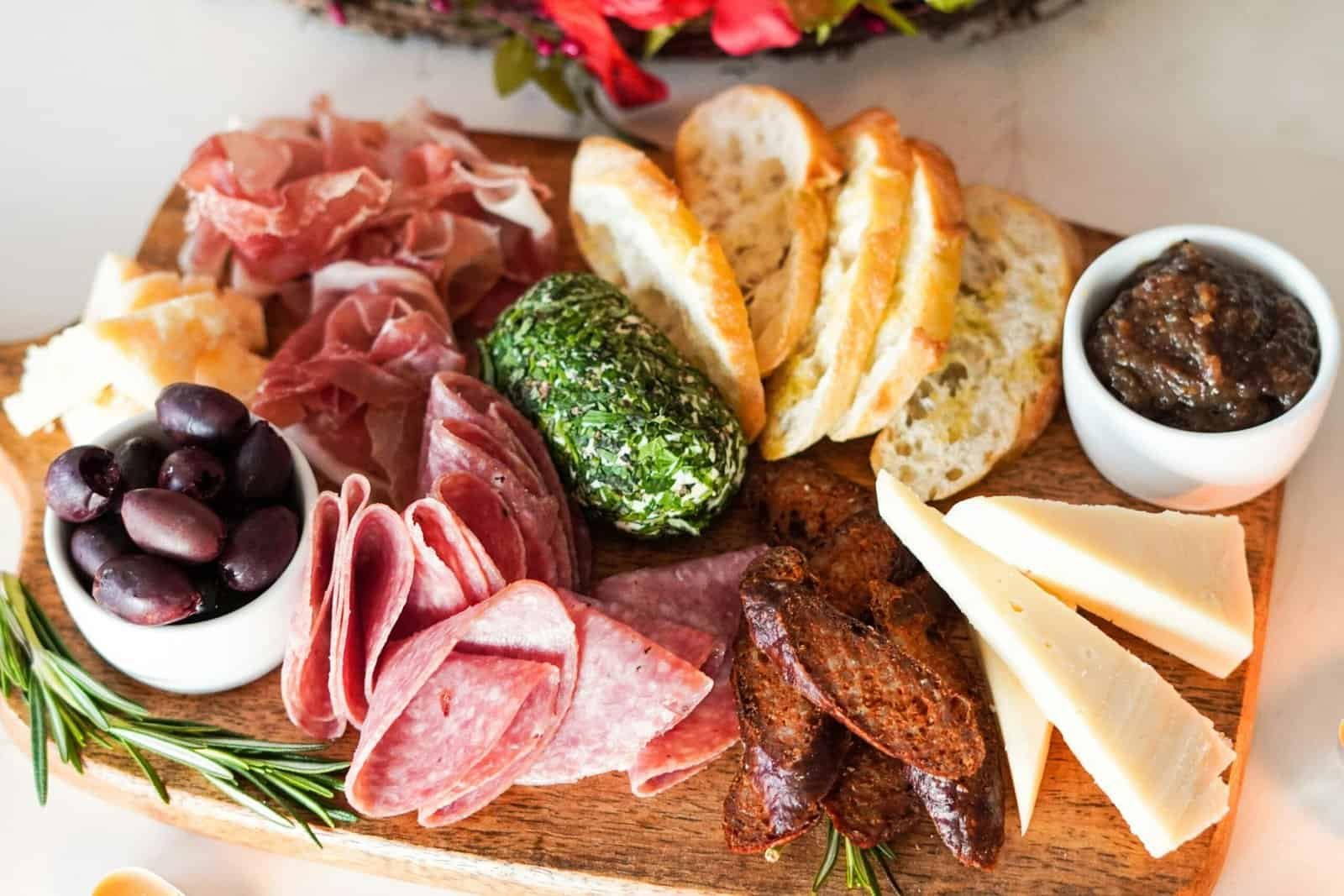
The charcuterie board has become the centerpiece of casual entertaining, a grazing surface for meats, cheeses, fruit, crackers, and dips that invites people to gather and pick. The right board suits how you host: a handsome everyday wood board for small gatherings, a large party board for a crowd, or a set with built-in tools and dishes for a complete spread. The best charcuterie boards balance material, size, and features, so the picks below are sorted by what each does best. For the platters that round out a serving table, see our guide to serving platters.
Quick Verdict
For most people, a quality wood board like acacia or bamboo is the versatile default: attractive, durable, and sized for a small-to-medium spread. Big entertainers should look at a large party board or one with a slide-out drawer of tools, people who want a complete kit at a board set with knives and dishes, and anyone serving lots of soft cheese or dips at a board with a smooth, easy-clean surface. Match the board to your group size and how you host.
Key Takeaways
- Wood boards like acacia and bamboo are the durable, attractive standard.
- Match the board size to your typical group, from small to party-sized.
- Boards with tools and dishes make building a full spread easy.
- Wood needs hand washing and occasional oiling to stay in good shape.
- Slate and marble offer a different look but a heavier, cooler surface.
How We Picked the Best Charcuterie Boards
We looked for durable, food-safe materials, useful sizes, and helpful features like built-in tools and dishes, across wood, bamboo, and stone. We favored boards that look good and hold up to regular hosting.
We considered care needs and how each suits small gatherings or crowds. Every pick is a widely available line so you can match it to how you entertain. Charcuterie boards are everyday craft gear, so we focused on practicality over trends.
Acacia Wood Charcuterie Board
Why It Stands Out
An acacia wood board is the versatile all-rounder, attractive and durable with a warm grain, sized for a small-to-medium spread that suits most gatherings. It handles regular hosting and looks great on the table. Its balance of looks and durability makes it the default choice.
Worth Knowing
Wood needs hand washing and occasional oiling rather than the dishwasher. A medium board suits smaller groups. It is the pick for well-rounded everyday entertaining.
Best for most hosts wanting an attractive, durable board. Skip it if you need a dishwasher-safe or party-sized board.
Bamboo Charcuterie Board
Why It Stands Out
A bamboo board offers a lighter, eco-friendly option with a smooth surface and good durability at a friendly price. It suits people who want a practical everyday grazing board. Value and light weight are its draws.
Worth Knowing
Bamboo, like wood, prefers hand washing and occasional oiling. It has a lighter tone than acacia. It is the pick for an affordable, practical board.
Best for everyday grazing on a budget. Skip it if you want a premium hardwood or stone look.
Large Party Charcuterie Board
Why It Stands Out
A large party board gives room for a generous spread of meats, cheeses, fruit, and crackers, suiting people who host crowds. Its size lets you build an abundant grazing display. Generous capacity is the main draw.
Worth Knowing
A large board needs storage space and table room. It is more than a small gathering needs. It is the pick for hosting crowds.
Best for parties and large gatherings. Skip it if you host small groups or lack storage space.
Charcuterie Board Set With Tools
Why It Stands Out
A board set with a slide-out drawer of cheese knives and small dishes makes building a full spread easy, keeping tools and dips organized in one kit. It suits people who want everything ready to go. The complete kit is its appeal.
Worth Knowing
A full set costs more and has more pieces to store and wash. The extra tools may be more than casual hosts need. It is the pick for a complete entertaining kit.
Best for hosts who want tools and dishes included. Skip it if you just want a simple board.
Slate Charcuterie Board
Why It Stands Out
A slate board offers a sleek, modern look with a cool, smooth surface that contrasts nicely with food and can be labeled with chalk. It suits people who want a contemporary presentation. Its distinctive style is the draw.
Worth Knowing
Slate is heavier than wood and has a harder surface. It gives a different look and feel than warm wood. It is the pick for a modern, sleek presentation.
Best for a contemporary, striking board. Skip it if you prefer the warmth of wood.
Round Lazy Susan Charcuterie Board
Why It Stands Out
A round board on a rotating base lets guests spin the spread to reach any item, making it a fun, interactive option for grazing. The turning design keeps everything within reach. Interactivity is its main appeal.
Worth Knowing
A rotating board has a base to store and clean. Its round shape suits central placement. It is the pick for interactive, spin-to-reach serving.
Best for interactive grazing where everyone can reach. Skip it if you want a simple flat board.
How to Choose a Charcuterie Board
Material
Wood and bamboo are warm, attractive, and durable but need hand washing and oiling, while slate and marble offer a cool, modern look with a heavier feel. Choose based on the look you want and the care you will keep up. Material sets the style and upkeep.
Size for Your Group
A small-to-medium board suits a few guests, while a large party board handles a crowd, so match the size to your typical gathering. If you host big groups, size up. Our guide to cheese slicers covers a useful companion tool.
Tools and Extras
Board sets with knives and small dishes make a full spread easy, while a plain board keeps things simple, so decide whether you want a complete kit. If you entertain often, a set saves gathering tools each time. Extras add convenience but also pieces to store.
Care and Food Safety
Wood boards should be hand washed, dried, and oiled periodically to stay in good shape and food safe, so factor that upkeep in. Our guides to cutting boards and serving platters cover related pieces.
Building a Great Charcuterie Board
Balance Variety
A good spread balances a few cheeses, cured meats, something crunchy like crackers, and something fresh like fruit, giving guests variety to graze. Arranging items in groups with small gaps makes the board look full and inviting. Variety and arrangement make the board work as much as the board itself.
Keep It Food Safe
For gatherings, keeping perishable meats and soft cheeses from sitting out too long matters, so replenish in batches rather than putting everything out at once. Using small dishes for dips keeps the board tidy. Simple food-safety habits keep a grazing spread pleasant and safe.
Common Charcuterie Board Mistakes
Putting Wood in the Dishwasher
Dishwashing can crack or warp a wood board. Hand wash, dry, and oil wood boards to keep them in good shape.
Buying the Wrong Size
A small board looks sparse at a party, and a huge board overwhelms a small gathering. Match the size to your typical group.
Leaving Food Out Too Long
Perishable meats and cheeses should not sit out indefinitely. Replenish in batches to keep the spread fresh and safe.
Recommended Reading
- Serving platters for entertaining
- Cheese slicers for the board
- Cutting boards for the kitchen
- Drinking glasses for gatherings
- plates to serve it on
Frequently Asked Questions
What is the best material for a charcuterie board?
Wood, especially acacia or bamboo, is the popular standard because it is attractive, durable, and food-safe, while slate and marble offer a modern look with a cooler, heavier surface. Wood needs hand washing and occasional oiling, while stone is lower maintenance but heavier. The best material depends on the look you want and the care you will keep up.
What size charcuterie board do I need?
Match the size to your typical group: a small-to-medium board suits a few guests, while a large party board handles a crowd. If you often host big gatherings, sizing up avoids a sparse-looking spread. For everyday grazing with a few people, a medium board is versatile and easy to store.
Can you put a charcuterie board in the dishwasher?
Wood and bamboo boards should not go in the dishwasher, since the heat and water can crack or warp them, so hand wash and dry them instead. Slate and some non-wood boards may tolerate more, but check the care details. Hand washing plus occasional oiling keeps a wood board in good shape.
How do you care for a wood charcuterie board?
Hand wash a wood board with mild soap, dry it promptly, and periodically rub in a food-safe board oil to keep the wood conditioned and food safe. Avoid soaking it or putting it in the dishwasher. This simple upkeep keeps the board looking good and lasting for years of entertaining.
What do you put on a charcuterie board?
A classic spread balances a few cheeses, cured meats, something crunchy like crackers or bread, and something fresh like fruit, plus small dishes of dips or spreads. Arranging items in groups with small gaps makes the board look full and inviting. Variety and a tidy arrangement make the board appealing.
What is the difference between a charcuterie board and a cutting board?
A charcuterie board is designed for presenting and grazing on meats, cheeses, and snacks, often with a decorative shape, while a cutting board is a work surface for chopping and prep. Some sturdy boards can do both, but charcuterie boards prioritize presentation. Many kitchens keep separate boards for serving and for cutting.
Serving boards need different care from prep boards. Cleaning a cutting board properly covers washing without warping.
Serving boards need somewhere to live between uses. kitchen organization covers awkward shapes.
