
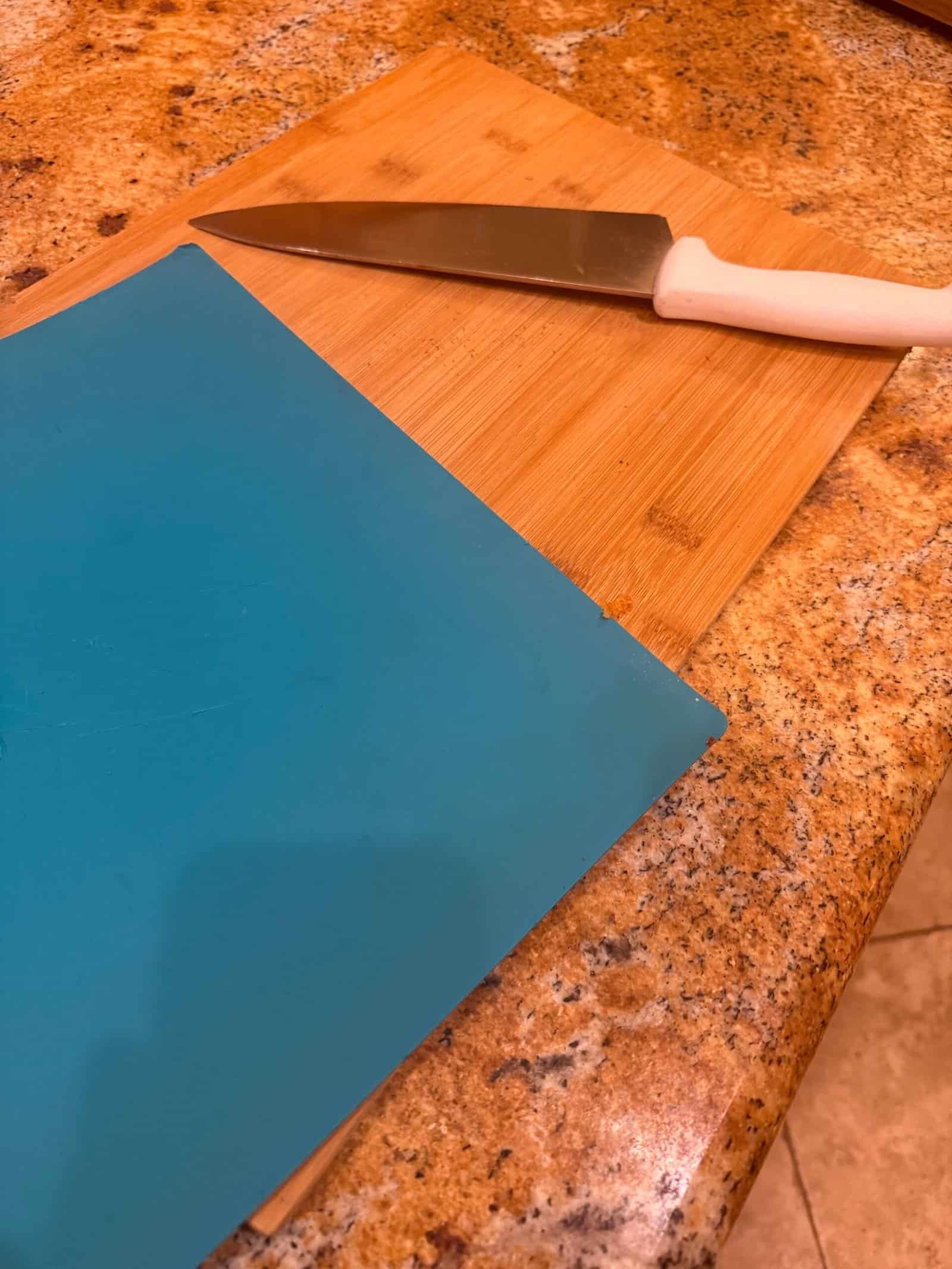
To clean a cutting board, scrape off the debris, wash it with hot soapy water, rinse, and dry it standing on edge so air reaches both sides, with wood boards needing occasional oiling and plastic boards handled a little differently. Keeping a board clean is simple day to day, and the routine differs slightly between wood and plastic. Here is how I actually do it with my own boards, and what I have learned along the way.
Quick Answer
Scrape off debris, wash with hot soapy water, rinse, and dry the board on its edge so both sides get air. Wood boards should not soak and benefit from occasional oiling; plastic boards can usually take a dishwasher but can be finnicky. Dry fully to prevent warping and odor.
Key Takeaways
- Scrape, wash with hot soapy water, rinse, dry on edge.
- Never let a wood board soak or sit wet.
- Oil wood boards occasionally to keep them from drying out.
- Plastic boards clean easily but can warp or stain.
- Full drying prevents warping and odor.
The Basic Cleaning Routine
| Step | Why |
|---|---|
| Scrape off debris | Removes food before washing |
| Wash with hot soapy water | Cleans the surface |
| Rinse thoroughly | Removes soap and residue |
| Dry on edge | Air reaches both sides, prevents warping |
The everyday routine is straightforward for any board. Start by scraping off the food debris with the edge of a bench scraper or knife, which clears the bulk before it hits the sink. Then wash the board with hot soapy water and a sponge or brush, covering the whole surface, and rinse it well. Finally, dry it, and the best way is to stand it on its edge or in a rack so air reaches both sides rather than laying it flat where one side stays damp. This simple routine keeps a board clean and ready, and it is the foundation for both wood and plastic, with a few material-specific tweaks. Cutting boards cover the options.
How I Clean My Own Boards
My main board is a sturdy, thick wooden one, and I genuinely like it, it feels solid and holds up well. My routine with it is simple: I scrape it, then rinse. For everyday use that scrape-and-rinse keeps it clean, with hot soapy water when it needs a fuller wash. I oil it very rarely, which I will be honest about, it is not something I stay on top of the way you are supposed to, though I have done it. I also keep a few thin plastic boards around that I do not mind using, and those I clean much the same way, though they are the finnicky ones. The observed reality from my own kitchen is that the thick wood board has held up great with pretty minimal fuss, and I have never completely ruined a board. The honest boundary is that this is what works in my kitchen with my boards and my habits; someone who cooks differently, or oils more diligently than I do, might have a different experience, and a wood board really does last longer if you oil it more than I tend to. Kitchen tools cover matching gear to how you cook.
Wood Boards Need a Little Extra
Wood boards reward a bit of specific care. The big rule is not to let them soak or sit in water, and not to run them through the dishwasher, since prolonged moisture and heat can warp, crack, or split a wood board over time. Wash it, rinse it, and dry it promptly rather than leaving it wet. Wood also benefits from occasional oiling with a food-safe board oil, which keeps it from drying out and helps it resist moisture and odor, even if, like me, you do not do it as often as you should. Treated with a little respect, a good wood board like my thick one lasts a very long time, which is a big part of why I like it. Caring for kitchen gear covers similar upkeep.
Plastic Boards Are Easier but Finnicky
Plastic boards are convenient and clean up easily, but they have their quirks. Most can go in the dishwasher, which is handy, and they do not need oiling. My honest take from using thin plastic ones is that they are more finnicky than my wood board, they can warp with heat, they scratch and groove with use, and those grooves can hold onto stains and food. They are not bad, and I do not mind using them, but they could definitely be better, and a thin one especially shows its limits. If you use plastic boards, keeping an eye on scratching and warping, and replacing them when they get too grooved, keeps them working well. They are a fine, easy option, just not as forgiving as a solid wood board. Board options cover wood and plastic.
Keeping Boards Fresh and Odor-Free
Boards can pick up smells and stains, especially from strong ingredients, and a couple of steps keep them fresh. For odors or light stains, scrubbing with a paste of baking soda, or wiping with a cut lemon and a little salt, freshens a board naturally, followed by a rinse. Drying fully on edge after every wash is the biggest factor, since a board left damp is what develops odor and, on wood, risks warping. For plastic boards that have stained, the baking soda approach helps, though deep grooves may hold stains permanently. Keeping boards scraped, washed, and thoroughly dried is most of what keeps them fresh, with the occasional deeper freshening when they need it. Kitchen essentials cover the tools around the board.
Cross-Contamination and Separate Boards
One habit worth mentioning is using separate boards, or at least washing thoroughly between very different foods, especially raw meat and produce. I keep my thin plastic boards partly for this reason, since it is easy to grab a dedicated one for raw meat and then wash it well, rather than using the same surface straight through. Washing a board properly with hot soapy water between uses handles this, but having a couple of boards makes it simpler to keep raw and ready-to-eat foods apart without stopping to scrub mid-prep. This is less about the board material and more about routine, and it is one of the practical reasons I keep both a solid wood board and a few plastic ones rather than relying on a single surface for everything. A little separation, plus thorough washing, keeps the kitchen cleaner without much extra effort. Prep tools cover the gear around the board.
Recommended Reading
Worth reading next: cutting boards, kitchen tools, caring for kitchen gear, and why cookware sticks, and choosing a kitchen knife.
How to Clean a Cutting Board FAQ
How do I clean a cutting board?
Scrape off the debris, wash with hot soapy water, rinse, and dry the board standing on its edge so air reaches both sides. Wood boards should not soak and benefit from occasional oiling; plastic boards clean easily and can usually take a dishwasher. Dry fully to prevent warping and odor.
Can I put a wood cutting board in the dishwasher?
No. The prolonged moisture and heat of a dishwasher can warp, crack, or split a wood board over time. Wash a wood board by hand, rinse it, and dry it promptly on edge. Keeping it out of the dishwasher and not letting it soak is key to a long life.
How do I clean my cutting board day to day?
For my wood board I scrape it, then rinse, with hot soapy water for a fuller wash when needed, and dry it on edge. That simple scrape-and-rinse keeps it clean for everyday use. Plastic boards I clean much the same way. Full drying afterward matters most for preventing warping and odor.
How often should I oil a wood cutting board?
Wood boards benefit from occasional oiling with a food-safe board oil to keep them from drying out. I will be honest that I oil mine only rarely, and it has held up well, but a board really does last longer and resist moisture better if you oil it more diligently than I tend to. Capsaicin oil survives a rinse, which is why chopping hot peppers safely starts before the board ever gets washed.
Are plastic cutting boards better than wood?
They are easier in some ways, dishwasher-safe and no oiling, but in my experience thin plastic ones are more finnicky: they warp with heat, scratch, and hold stains in the grooves. They are fine and convenient, but a solid wood board is more forgiving and, cared for a little, lasts a long time.
How do I get smells out of a cutting board?
Scrub with a baking soda paste, or wipe with a cut lemon and a little salt, then rinse. This freshens a board naturally. Drying fully on edge after every wash is the biggest factor in preventing odor, since a board left damp is what tends to develop smells over time.
Why is my cutting board warping?
Usually from moisture and heat, a wood board left soaking or run through the dishwasher, or a thin plastic board exposed to high heat. Wash boards, dry them promptly on edge, keep wood out of the dishwasher, and do not let boards sit wet. Full, even drying is what prevents warping.
