
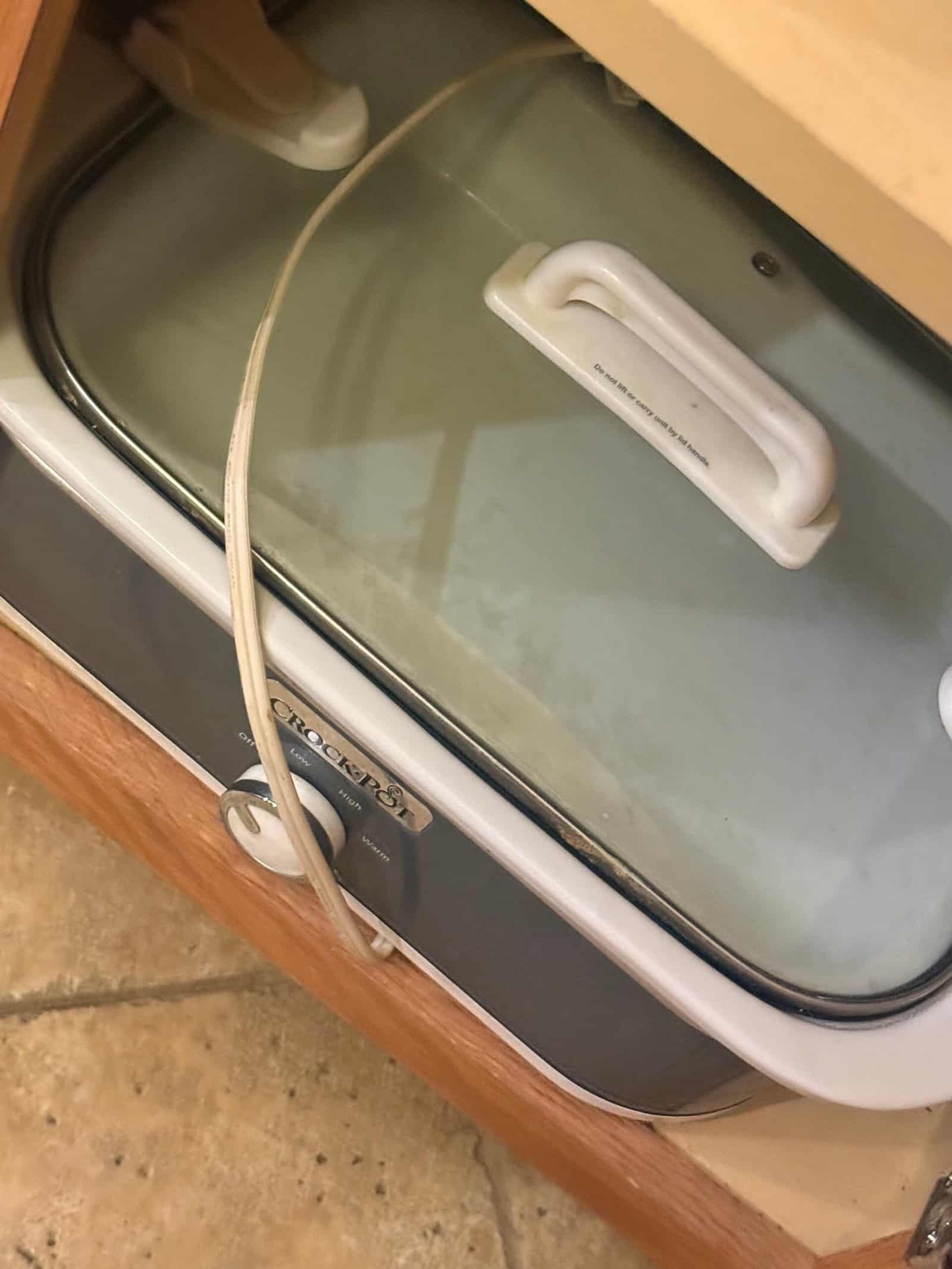
The problem is usually not that you bought badly. Sets include items nobody asked for, and a cookware set or a bakeware bundle arrives with pieces that suit a household different from yours. Those are what fill the back of the cabinet.
Cost is also rarely the obstacle people assume. Once something is bought the money is gone whether it sits in a cabinet or leaves the house, so the live question is what the space is worth to you.
Quick Answer
Sort by whether the item is redundant, occasional, or genuinely unused. Redundant items go. Occasional ones move to the least accessible storage you have. Genuinely unused items leave the kitchen, and set pieces are the most common thing in that group.
Key Points
- Set purchases are the main source of unused kitchen items
- Space rather than money is the real ongoing cost
- Household size changes which pieces get used
- Six months untouched is a workable threshold
- Occasional and unused need different treatment
- Storing elsewhere in the home is a legitimate middle option
Sort Into Three Groups
| Group | Test | What to do |
|---|---|---|
| Redundant | Something else does this job | Remove the weaker one |
| Seasonal | Used heavily for a short period | Store outside the kitchen |
| Occasional | A few times a year, genuinely used | Least accessible cabinet |
| Aspirational | Bought for cooking you do not do | Remove |
| Set filler | Came with something else, never chosen | Remove |
| Wrong size | Built for a bigger or smaller household | Remove or store elsewhere |
Sets Are Where This Starts
Cookware and bakeware sets are priced and marketed on piece count, so manufacturers include items that pad the number rather than items most people need.
The result is predictable. A cookware set arrives with a pot size you never reach for, and a bakeware bundle brings muffin trays and specialty pans into a kitchen where nobody bakes muffins.
Buying individually costs more per item and less overall, because you end up with fewer things and use all of them. That case sits in choosing cookware, and where a set is still the plan, sets under a hundred covers what to check.
What Sits Unused in My Kitchen
Some of the bigger pots do not get used, and the reason is that I mostly cook solo. They are perfectly good pots sized for a household I do not have.
The rest is set filler. Pizza pans and similar things came as part of a set, and muffin trays likewise, and none of those were items I chose.
Space is the issue rather than the money. I do not think of it as waste, and I am not carrying guilt about what any of it cost. What I notice is the room it takes up in cabinets I would otherwise use.
That distinction changed how I think about it. Framing unused items as wasted money makes them harder to remove, because getting rid of something feels like admitting a mistake. Framing them as occupying space makes it a straightforward trade, and the trade is usually obvious.
My experience covers an apartment kitchen where one person cooks and cabinet room is the constraint. It does not cover larger kitchens with pantries, or households where several people cook and the bigger pots earn their place.
Cooking Solo Changes the Answer
Most cookware is sized for families. A large stockpot, an eight-quart Dutch oven, and a twelve-inch skillet all assume more people than a single-person household feeds.
That is not a fault in the equipment and it does explain why perfectly good items go untouched. A pot that is wrong for your household stays wrong however long you keep it.
The exception is batch cooking. Somebody who cooks large quantities once and freezes portions uses the big pot regularly, which changes the calculation entirely. Sizing guidance sits in choosing cookware.
A Threshold That Works
Six months untouched covers most seasonal use while still catching genuinely unused items. A year is more forgiving and lets more sit.
Pull everything out and look for dust, since that answers the question faster than memory does. Items you have to think about are usually the ones you have not touched.
Turning items to face a consistent direction and checking in six months gives you data rather than a guess. Anything still facing the same way has not been used.
Options Short of Removing
Move it out of the kitchen
A closet, a garage, or a high shelf elsewhere keeps an item without spending kitchen storage on it. This suits seasonal equipment particularly well.
Send it to the least accessible spot
Above the fridge, the back of a corner cabinet, or the top shelf. Occasional items belong there rather than competing with things used weekly, and height should follow weight so nothing heavy sits overhead.
Consolidate duplicates
Two items doing one job means one can go. This is the easiest category to act on because nothing is lost.
Give it a defined trial
If you genuinely intend to use something, put a date on it. Unused by then, it goes, and the trial removes the guesswork.
The Items Most Often Left Untouched
Certain categories turn up unused in kitchen after kitchen, and recognizing them makes the sorting faster.
Specialty bakeware leads the list. Muffin trays, tart tins, and shaped molds arrive in bundles and get used by a minority of the people who own them.
Single-purpose gadgets follow. Anything designed to do one job that a knife already does tends to be used twice and stored forever.
Oversized cookware is the quiet one, because the items are genuinely good and simply wrong for the household. A stockpot in a one-person kitchen is not a bad pot.
Duplicate sizes accumulate without anyone deciding to acquire them. Two similar saucepans, three mixing bowls of nearly equal capacity, and several spatulas that do the same thing.
Where Things Can Go
Donation suits anything in working condition, and kitchen equipment is consistently useful to charity shops and household setup programmes.
Selling works for higher-value items, particularly appliances and quality cookware. Below a certain value the effort exceeds the return, and donating is faster.
Passing things to someone setting up a first kitchen clears space and does more good than a shop resale. Set pieces in particular suit somebody who owns nothing yet.
Recycling is the last resort for damaged items. Metal cookware is recyclable in most areas, and coated pans frequently are not.
Avoiding the Next Round
Buy individually where you can, since that is where most unused items come from. Fewer, better-chosen pieces beat a set with filler.
Size for your actual household rather than the one you might have. A pot bought for hosting gets used twice a year and takes cabinet space for the other three hundred and sixty-three days.
Be honest about aspirational purchases. Equipment for cooking you do not currently do rarely creates the habit, and the wider approach sits in organizing a kitchen and working with a small one.
Related Reading
- making a small kitchen work
- buying individually
- using the space you keep
- cookware built to nest
- drawer solutions
- the adjacent storage problem
Frequently Asked Questions
How do I decide what kitchen tools to get rid of?
Sort into redundant, occasional, and genuinely unused. Redundant items go, occasional ones move to your least accessible storage, and genuinely unused items leave the kitchen. Set filler is usually the largest group.
How long should something sit unused before I remove it?
Six months covers most seasonal use while still catching genuinely unused items. Pulling everything out and looking for dust answers it faster than trying to remember.
Why do I have kitchen tools I never chose?
Sets are marketed on piece count, so manufacturers include items that pad the number. Cookware sets bring pot sizes you do not need and bakeware bundles bring specialty pans, and those fill the back of cabinets.
Should I keep large pots if I cook for one?
Only if you batch cook and freeze portions. Otherwise a pot sized for a family stays wrong however long you keep it, and it occupies space that something used weekly could take.
Is it wasteful to get rid of something I paid for?
The money is already spent either way. The ongoing cost is the space, and framing it that way makes the decision a trade rather than an admission that a purchase was a mistake.
Where should occasional items go?
The least accessible storage you have, such as above the fridge or the back of a corner cabinet. They still earn a place and they should not compete with things used weekly.
What can I do with unwanted kitchen equipment?
Donate anything in working condition, sell higher-value appliances and quality cookware, and pass set pieces to someone setting up a first kitchen. Damaged metal cookware is recyclable in most areas.
Recommended Reading
See our note on what to use mason jars for.
