
Pods cost several times what the same coffee costs as grounds. That is not in dispute, and anyone who does the arithmetic reaches the same conclusion. The interesting question is why so many people run the numbers, agree they are being overcharged, and keep buying pods anyway.
The answer is that cost per cup is not the only thing being purchased, and treating it as though it were produces advice that people ignore. Our comparison of single-serve coffee makers covers the cheaper alternative.
Quick Answer
Pods cost meaningfully more per cup than ground coffee, and the gap over a year of daily drinking is real money. Whether it is worth it depends on what you would otherwise do with the time and whether coffee would actually get made.
Key Points
- Pods run several times the per-cup cost of ground coffee.
- The comparison people should make is against buying coffee out.
- Waste from an unfinished pot is rarely counted.
- Machines fail after a few years, which is part of the cost.
- Reusable filters close most of the gap if you accept the effort.
The Basic Comparison
A bag of ground coffee produces a large number of cups for its price. A box of pods produces one cup per pod at a price that reflects packaging, the single-serve format, and the licensing behind it.
The exact multiple varies by brand and by how strong you brew, and every version of this calculation lands in the same place: pods are the expensive way to make coffee at home.
Over a year of one or two cups a day the difference is substantial rather than trivial. Anyone treating this purely as a cost decision should not own a pod machine. Our roundup of coffee makers under seventy-five dollars covers the cheaper route.
What the Comparison Usually Ignores
Waste from a full pot
A drip machine brewing eight cups for one person who drinks two means six cups poured away, and the real cost per consumed cup is far higher than the packet price implies.
The alternative is often a coffee shop
For many people the honest comparison is not pod against home-brewed grounds, it is pod against buying one out. Against that, pods are dramatically cheaper.
Machine replacement
Pod machines have a working life measured in years rather than decades, and that replacement cost belongs in the per-cup figure even though nobody includes it.
Time and consistency
Grinding, measuring, brewing, and cleaning takes minutes each morning. Whether those minutes are worth the price difference is a personal question rather than an arithmetic one.
Three Machines In
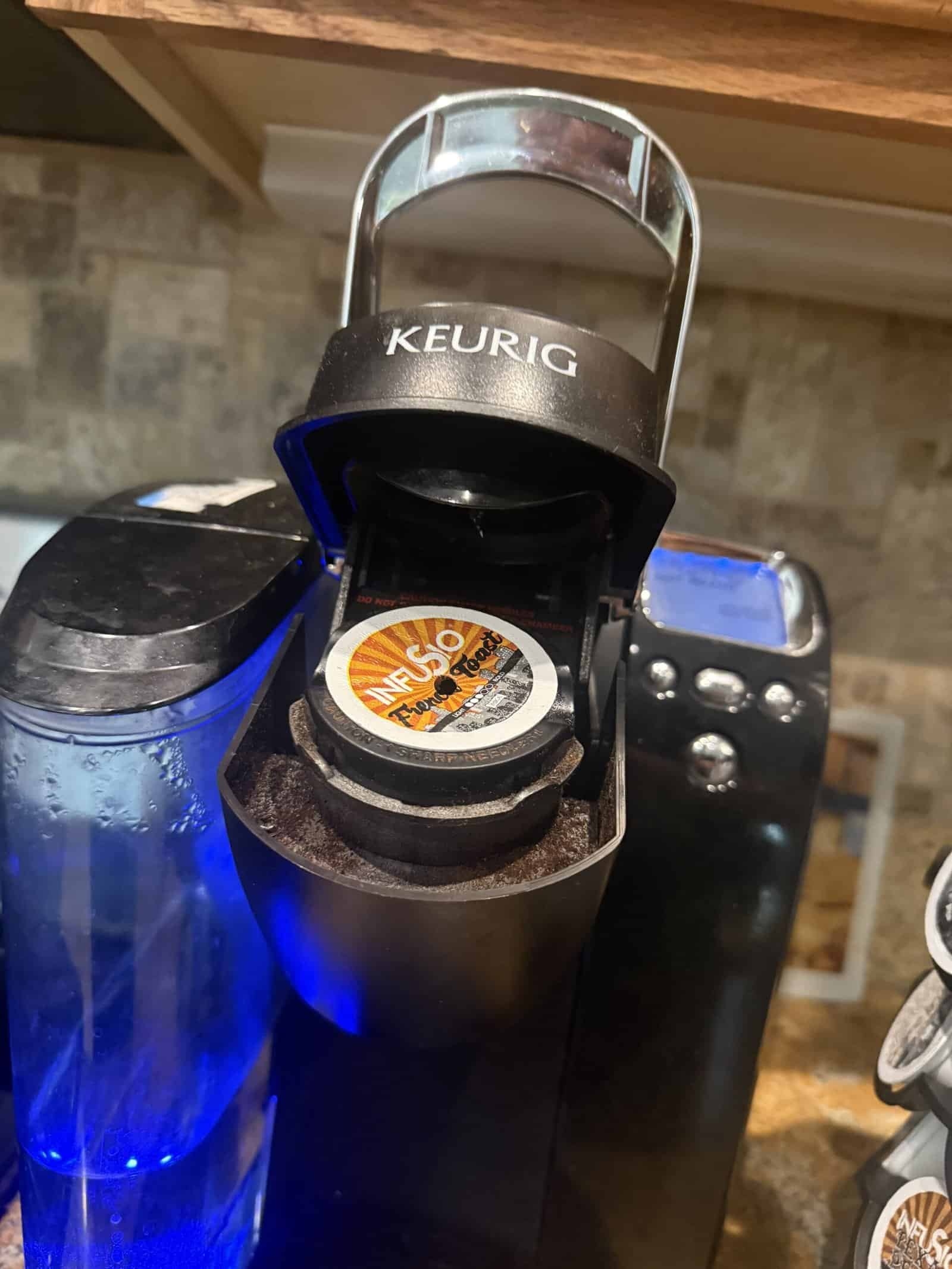
I use a Keurig and I am on my third one. Each of the previous two lasted a few years and then stopped brewing, so the machine cost has been a recurring line rather than a one-time purchase.
That is worth saying because cost-per-cup calculations almost always treat the machine as a fixed upfront number amortized over a long life. Mine have not lasted long enough for that to be true, and a replacement every few years changes the arithmetic in a way the pod price does not capture.
I have also tried a reusable filter and went back to disposables, which means I paid the convenience premium knowingly rather than by default. Somebody who has run the cheaper option and returned to the expensive one is making a choice rather than an oversight.
My honest position is that I know pods cost more and I keep buying them. That is not a defense of the economics, it is an admission that the economics were never the deciding factor for me.
How to Reduce the Cost Without Switching
Buying pods in larger boxes rather than small ones lowers the unit price noticeably, and pods keep well so bulk is low-risk.
Store-brand and generic pods are considerably cheaper than name brands and are the single biggest saving available without changing your routine.
Subscriptions and multi-box offers cut it further, and the trap is subscribing to more than you drink and building a stockpile you paid for early. Our roundup of coffee mugs covers the rest of the setup. Our note on coffee storage covers what to do with a bulk purchase.
When Pods Genuinely Make Sense
One coffee drinker in the house
Brewing a pot for one person wastes most of it, and the per-consumed-cup cost of a drip machine rises accordingly.
Everyone wants something different
Decaf, flavored, tea, and regular from the same machine is something a drip maker cannot do without brewing separately.
Coffee gets skipped otherwise
If the alternative to a pod is buying one out or not having coffee, pods win on cost by a wide margin.
Odd hours
One cup at an unusual time does not justify a pot, and reheated coffee is worse than most people admit.
When They Do Not
Households where several people drink coffee at the same time are the clearest case against, since a pot serves everyone at once for a fraction of the cost.
Anyone brewing four or more cups a day is paying the premium repeatedly, and the annual difference becomes hard to justify on convenience alone.
And anyone whose priority is coffee quality rather than speed is paying more for a result that other methods beat. Our comparison of coffee makers and espresso machines covers the alternatives.
Working Out Your Own Number
Take what you actually pay for a box and divide by the pod count. That is your real per-cup figure, and it is usually higher than people assume because they remember the sale price rather than the typical one.
Then add the machine. If a brewer costs a certain amount and lasts three years at two cups a day, spread that across roughly two thousand cups and add it to the pod price. It is a small addition per cup and it is not nothing.
Compare that against the same calculation for whatever you would do instead, counting waste honestly. A drip machine looks far cheaper until you count the cups poured down the sink, and far more expensive than it looks if you are buying coffee out on the days you cannot be bothered.
The number that comes out is yours rather than the one in an article, and it is the only version worth acting on. Our note on choosing a coffee maker covers the machine decision.
K-Cup Cost FAQ
How much more do K-cups cost than ground coffee?
Several times more per cup, with the exact multiple depending on brand and how strong you brew. Every version of the calculation reaches the same conclusion, so the question is what else you are buying with the difference.
Are store-brand pods much cheaper?
Considerably, and they are the largest saving available without changing your routine at all. Quality varies, and trying a small box before committing to bulk is the sensible order.
Does buying in bulk help?
Yes, and pods keep well because they are sealed, so bulk carries little risk of waste. The main constraint is where you put them, since organizers rarely hold a bulk purchase.
Should I switch to a reusable filter?
It closes most of the cost gap and adds filling, brewing, and cleaning to every cup. Plenty of people try one and go back, which suggests the effort is a real cost rather than a trivial one.
Do pod machines last?
A few years is common before something fails, and stopping brewing entirely is a frequent ending. That replacement cost belongs in any honest per-cup figure and is almost never included.
Is a drip machine actually cheaper for one person?
Only if you drink what you brew. A pot made for one person who drinks two cups wastes most of it, and the cost per consumed cup rises sharply once waste is counted.
What about compared with a coffee shop?
Pods are dramatically cheaper, which is the comparison many people are actually making. Framing pods against home-ground coffee is correct arithmetically and often the wrong comparison for the person deciding.
So are they worth it?
They cost more and they buy speed, consistency, and variety. If those are things you value and would otherwise pay for elsewhere, the premium is defensible. If cost per cup is your main concern, this is the wrong machine.
Recommended Reading
See our note on reusable and disposable pods.
