
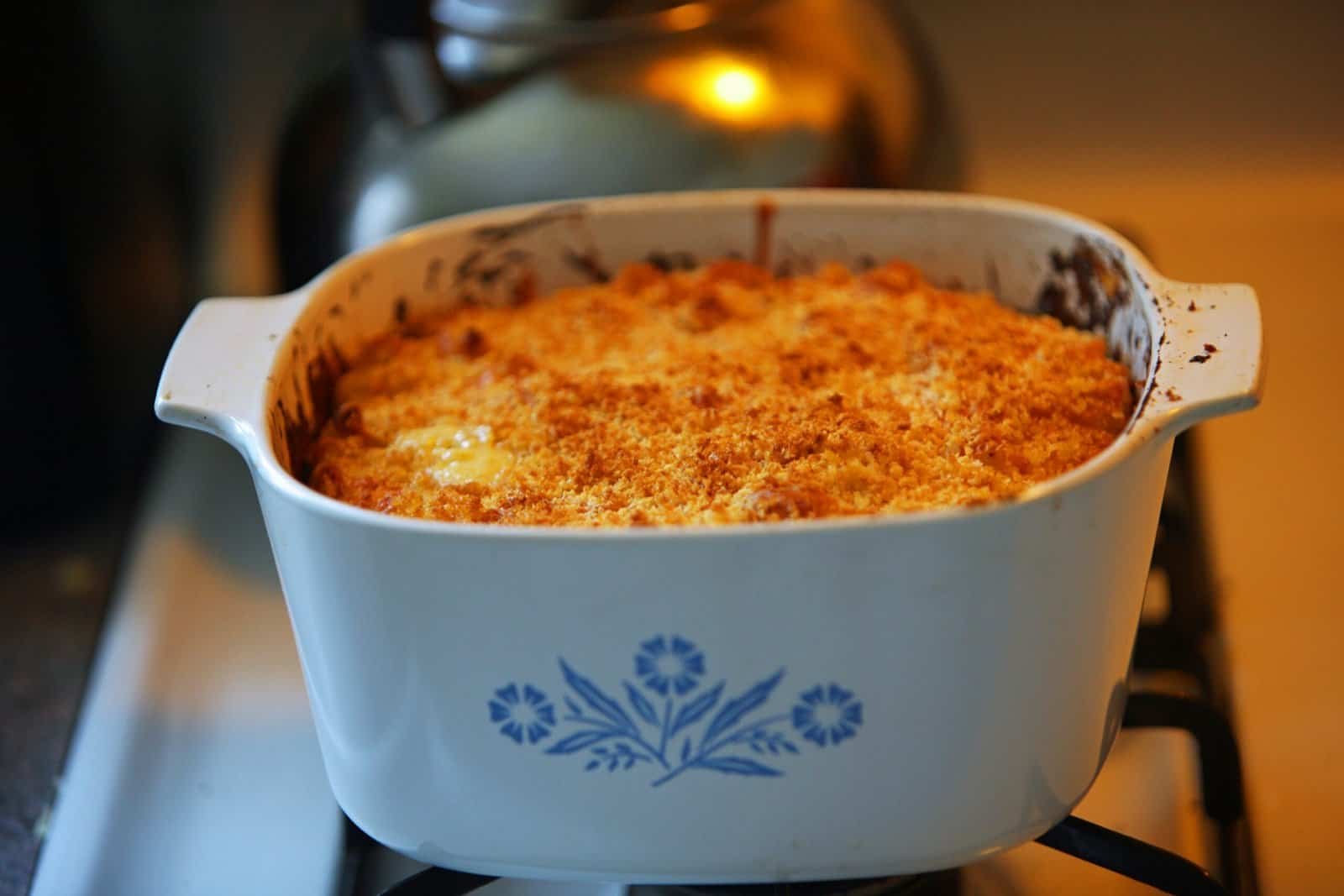
What a trivet has to do is slow the transfer of heat and put an air gap under the pan, which is why feet matter more than thickness and cast iron with standoffs works better than a solid slab without them. The best trivets for hot dishes are chosen by the surface underneath, not by the pan on top. Stone, sealed wood, laminate and glass each fail in a different way, and each wants something different between them and a hot dutch oven.
The danger is rarely the temperature on its own. It is the speed of the change in one small area, which is what cracks a stone countertop and blisters a finish on a wooden table.
Two things prevent that: a material that conducts heat poorly, and a gap that lets air carry it away. Get both and almost anything is safe, which is the same reasoning behind choosing a mitt with real loft rather than a thin folded cloth.
Quick Verdict
Cast iron trivets with raised feet are the most durable answer and handle anything out of an oven. Silicone is the easier everyday choice, since it goes in the dishwasher and never scratches. Cork insulates better than its price suggests, and expandable metal is the one that fits awkward roasting pans.
Key Takeaways
- Feet and standoffs do more work than material thickness, because the air gap is what carries heat away.
- Stone counters fail from rapid local temperature change rather than from heat alone.
- Cast iron conducts heat, so it only protects a surface when it is raised off it.
- A trivet needs to be larger than the base of the pan, or the rim transfers heat directly.
- Cork and bamboo both scorch eventually and are consumable rather than permanent.
How We Picked These Trivets
We sorted these by what they protect and how they do it, since a trivet is only as good as the match between its material and the surface beneath. Insulating ability, clearance underneath and durability carried the most weight.
We have not run heat measurements, so nothing here is presented as a figure checked in our own kitchen.
Surface compatibility was the deciding filter. A glass cooktop, a stone counter and a finished dining table have different failure modes, which is why our guide to cookware for glass top stoves treats contact so carefully.
1. Cast Iron Trivets, Best Overall
Why It Stands Out
Cast iron takes anything. A trivet out of the same material as the pan cannot be damaged by it, and it will outlast the kitchen it sits in.
The raised feet are what make it work. Those standoffs hold the iron off the counter and leave an air channel, which is where the heat actually goes.
Worth Knowing
Iron conducts heat well, which is a liability here rather than a feature. A cast iron trivet without feet is a heat bridge to your counter, so the design matters more than the material.
It also gets hot itself and stays hot for a long while. Treat it like the pan rather than like a coaster, which is familiar territory for anyone cooking on cast iron skillets already.
This suits anyone regularly putting roasting pans and heavy pots straight onto a counter. Skip it on a polished dining table, where the weight and the feet can mark the finish. Best for: kitchen counters and the heaviest, hottest cookware.
2. Silicone Trivets and Mats, Best Everyday Option
Why It Stands Out
Silicone conducts heat poorly, which is exactly what you want, and it grips both the counter and the pan so nothing slides.
It is also the only option here that is genuinely easy to live with. It goes in the dishwasher, rolls or folds into a drawer, and will not scratch anything.
Worth Knowing
A very hot pan edge can leave a permanent impression in thinner silicone. Thicker mats with a ribbed or lattice structure resist that better, and the ribs also create the air gap.
Cheap silicone can carry an odor when first heated. It fades, though it is noticeable at the table.
Buy this as the default trivet for most kitchens, especially with children around. Skip the thinnest flat versions, which deform. Best for: everyday use, dishwasher convenience and surfaces you cannot risk scratching.
3. Bamboo and Hardwood Trivets, Best for the Table
Why It Stands Out
Wood insulates well and looks like it belongs on a set table, which matters when the trivet is part of how food gets served rather than hidden in a kitchen.
Slatted construction helps twice. The gaps between slats are air gaps, and they let the underside breathe so trapped steam does not sit against the table.
Worth Knowing
Wood scorches. A pan straight from a hot oven will darken bamboo over time, and repeated cycles eventually crack or delaminate it.
It also wants occasional oiling to stay stable, in the same way a board does. Our guide to cutting boards covers that maintenance, and the same logic applies here.
Choose this for serving at the table and for moderately hot dishes. Skip it for cast iron straight out of a hot oven. Best for: table presentation with casserole dishes and serving pots.
4. Cork Trivets, Best Insulator for the Money
Why It Stands Out
Cork is full of sealed air pockets, which makes it one of the better insulators available at any price. A thick cork pad stops heat reaching a surface very effectively.
It is also light, quiet on a table and will not scratch anything at all.
Worth Knowing
Cork compresses and scorches. Heavy pans leave a permanent dent, and high heat darkens and eventually crumbles the surface.
Thickness is the whole story. Thin cork coasters sold as trivets will not stop heat from a dutch oven, and the difference between pot types is worth understanding before buying, which our dutch oven and skillet comparison covers.
This suits anyone wanting good insulation cheaply and accepting it as a replaceable item. Skip it if you want something that lasts for decades. Best for: strong insulation at low cost, replaced when it wears.
5. Expandable Metal Trivets, Best for Odd Shapes
Why It Stands Out
These extend and contract, so one trivet covers a small saucepan and a long roasting pan without needing a cupboard of different sizes.
The open lattice is almost all air gap, which is the most efficient way to break heat transfer. There is very little material touching anything.
Worth Knowing
Metal conducts, so these rely entirely on feet and minimal contact area. A version with short or missing feet is not doing much.
The hinges collect grease and are awkward to clean. They also wobble slightly under a heavy load, which is worth knowing before putting a full roasting pan on one.
Buy this if you store little and cook pans of wildly different sizes. Skip it if stability under weight matters most. Best for: covering several pan sizes with one adjustable trivet.
6. Ceramic and Stone Tile Trivets, Best Looking
Why It Stands Out
A glazed tile or stone trivet is the one you leave out on purpose. They take decoration well and read as part of the table setting rather than as equipment.
Stone also has real thermal mass, absorbing heat rather than passing it straight through.
Worth Knowing
Tile and stone can crack from thermal shock themselves, particularly if they are cold when a very hot pan lands on them. The backing is what protects your table, so a bare tile without cork or felt feet is not a trivet.
They are also heavy and chip. Treated as serveware alongside dinner plates, they make more sense than as kitchen workhorses.
Choose this for a table where appearance counts. Skip it for the heaviest cookware and for anything coming straight off a burner. Best for: table settings and moderate heat, where looks matter.
Trivets at a Glance
| Type | Insulation | Air Gap | Suits |
|---|---|---|---|
| Cast iron with feet | Low material, high clearance | Raised standoffs | Hottest cookware on counters |
| Silicone mat | High | Ribs or lattice | Everyday use, dishwasher safe |
| Bamboo or hardwood | Good | Slat gaps | Serving at the table |
| Cork pad | Very high | None, relies on material | Cheap effective insulation |
| Expandable metal | Low material, high clearance | Open lattice and feet | Several pan sizes, one trivet |
| Ceramic or stone tile | Moderate, high mass | Cork or felt feet | Table presentation |
What to Look For in a Trivet
Which surface are you protecting
Work from the surface rather than the pan, because each one fails differently: stone cracks from rapid local temperature change, sealed wood blisters, laminate bubbles and glass can crack if it is cold. The more vulnerable the surface, the more you want insulation plus clearance rather than one or the other.
Does it have feet
Clearance underneath is what lets air carry heat away, and it is the single most useful feature on any trivet. A conductive material with good feet beats an insulating material sitting flat against the counter.
Is it bigger than your pan base
A trivet smaller than the pan puts the hot rim in direct contact with the surface, which defeats the purpose entirely. Size to your largest regular pan, not your average one.
How will you clean it
Silicone goes in the dishwasher, cast iron wants drying, wood wants neither soaking nor a dishwasher, and cork cannot be scrubbed hard. The one that gets used is the one you do not dread cleaning.
Trivet or Pot Holder
When the trivet wins
A trivet is for a pan that is set down and left, which is most of what comes out of an oven. It is rigid, it stays where you put it, and it holds a heavy dish level.
When the pot holder wins
A pot holder is for carrying and for brief contact, and it folds away into a drawer. The two are not interchangeable, and most kitchens need both rather than choosing, which is why they are covered separately alongside splatter guards and the rest of the stovetop kit.
Common Trivet Mistakes to Avoid
Using a cast iron trivet with no feet
Flat cast iron against a counter transfers heat straight into the stone or laminate. The feet are not decorative, and a trivet without them is doing close to nothing.
Treating a coaster as a trivet
Thin cork and felt coasters are sized and built for a cold glass. Under a hot dutch oven they compress, scorch and let heat through, often leaving a ring in the surface beneath.
Putting a trivet on a hot burner
A trivet protects a surface from a pan, not a pan from a flame. Silicone, cork and wood all degrade quickly in direct contact with a burner, and none of them belongs on a cooktop that is still on.
Recommended Reading
- Serving platters for bringing food to the table
- Butter dishes that suit a set table
- Flatware sets to finish the table
Trivet FAQ
What are the best trivets for hot dishes in a normal kitchen?
Cast iron with raised feet for the hottest cookware, and a thick silicone mat as the everyday option because it is dishwasher safe and will not scratch. Add a slatted wood or cork trivet for the table, and an expandable metal one if your pans vary a lot in size.
Will a hot pan damage a stone countertop
It can, because the risk is a fast temperature change in one small area rather than heat in general, and that is what causes cracking. Sealed stone is also vulnerable to the sealant being damaged. A trivet with clearance underneath removes both risks.
Do trivets need feet
Feet are the most valuable feature a trivet can have, since the air gap they create is what carries heat away from the surface. This matters most with conductive materials like cast iron and metal, where the trivet itself offers little insulation and relies on clearance instead.
Can you put a cast iron trivet on a wooden table
It is not the best match, because the iron gets hot and holds that heat for a long time, and the feet can mark a polished finish under weight. A slatted wood or cork trivet, or a cork-backed tile, is the better choice on a finished table.
How hot can a silicone trivet get
Silicone handles oven temperatures well, which is why it is used for bakeware, and the practical limit is mechanical rather than thermal. A thin mat can take a permanent impression from a hot pan edge, so thickness and a ribbed structure matter more than any rating on the packaging.
Is cork or silicone the better insulator
Cork insulates better for its thickness, because it is full of sealed air pockets. Silicone is more practical, since it does not compress, scorch or crumble and can be washed properly. Cork is the better performer and the shorter-lived of the two.
What size trivet should you buy
Larger than the base of your biggest regular pan, so no part of the hot rim touches the surface. People most often buy for an average pan and then find the roasting dish overhangs, which puts heat directly onto the counter at the edges.
