
Nearly every butter dish guide is really an argument for a butter crock, which only makes sense if you keep butter on the counter. If yours lives in the fridge, most of that advice is irrelevant.
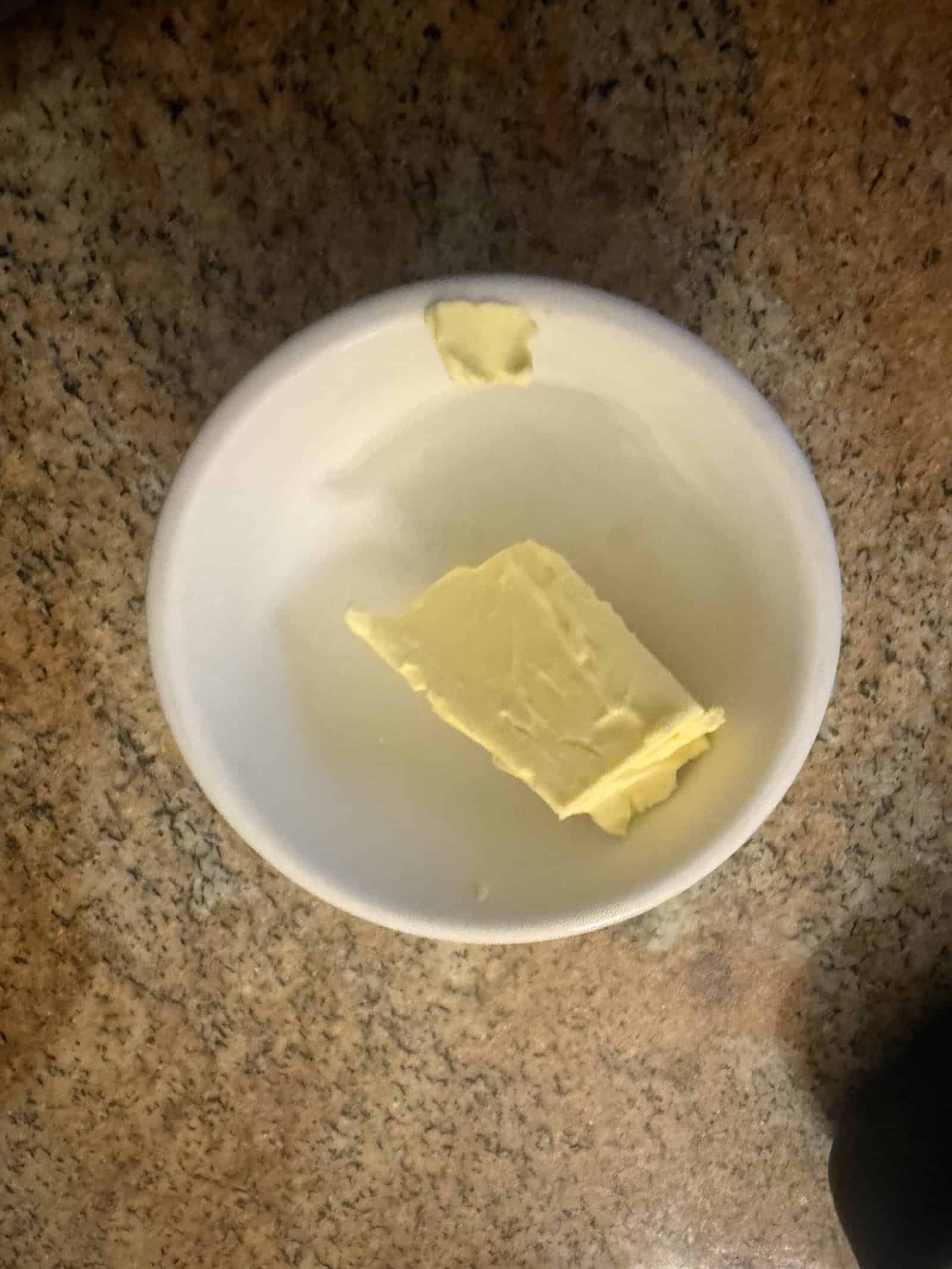
Mine is a small bowl rather than the flat rectangular tray most people picture, and the butter goes back in the fridge. Butter sits in it as a lump rather than a stick lying flat, which is a different arrangement from what most of this category is designed around. Our roundup of dinner plates covers related tableware.
Types at a Glance
| Type | Storage | Notes |
|---|---|---|
| Plate with cover | Fridge or counter | The standard, fits a stick or block |
| French butter crock | Counter only | Water seal keeps butter fresh |
| Covered box | Fridge | Sealed, stacks better |
| Butter keeper with lid | Counter | Insulated, no water |
| Cut-and-serve | Fridge | Built-in slicer, gimmicky |
| Bell cover on a plate | Either | Looks best, seals worst |
How We Picked
Selections are split by where the butter is kept, since that decides everything else. Fit is weighted heavily, because a dish that does not take the shape of butter you buy is useless regardless of how it looks.
Descriptions come from documented construction, alongside using a small bowl-shaped dish with butter kept refrigerated for at least a couple of years.
Fridge or Counter Decides Everything
Butter kept at room temperature is spreadable and goes rancid faster, since fat oxidizes and salt is the only thing slowing it down. Crocks and keepers exist to manage that. Our piece on how long butter can sit out covers the temperature and timing that decide whether leaving it on the counter is fine.
Butter kept refrigerated stays good for weeks and is unspreadable straight out, which is the trade most people make without thinking about it.
A crock in the fridge does nothing useful, since the water seal is solving a problem the cold has already solved.
Which is why the first question is not which dish but where the butter lives, and the answer determines whether half this category applies to you at all.
1. A Flat Covered Dish, Best Overall
Why It Stands Out
The standard for good reason. A flat base and a lid that lifts off, taking a stick or a block, working in the fridge or on the counter.
It is also the shape that suits how butter is actually sold, since a wrapped stick sits flat in it without being cut or reshaped.
Worth Knowing
Lids sit rather than seal, so a fridge full of strong smells can affect the butter.
Sizes vary and not every dish takes every shape of butter. Our roundup of kitchen tongs covers sealed alternatives.
This suits most households. Skip it only if you specifically want a counter crock.
2. A French Butter Crock, Best for Counter Storage
Why It Stands Out
Butter packs into an inverted lid which sits in a base holding a little water, and the water seal keeps air off the butter so it stays fresh at room temperature for weeks.
The result is genuinely spreadable butter without leaving it exposed, which is the whole appeal.
Worth Knowing
The water needs changing regularly, and neglecting it is how a crock goes wrong.
Pointless in the fridge, and it holds less than a standard covered dish. Our roundup of bread boxes covers the same counter-storage question.
This suits counter butter. Skip it entirely if yours is refrigerated.
3. A Sealed Butter Box, Best for the Fridge
Why It Stands Out
A proper lid rather than a resting cover, which keeps fridge odors out of the butter. Butter absorbs smells readily and a sealed box is the answer.
Rectangular boxes also stack and sit flat on a shelf, where a domed dish wastes vertical space.
Worth Knowing
Looks like storage rather than tableware, so it does not go on a table.
Plastic versions stain and hold odor over time. Our roundup of refrigerator organizers covers fridge storage.
This suits anyone whose fridge holds strong-smelling food. Skip it if the dish reaches the table.
4. A Ceramic Bell Dish, Best Appearance
Why It Stands Out
A domed cover over a plate looks considerably better than a rectangular box, and it is the version that belongs on a table rather than in a fridge door.
Ceramic also holds cold briefly, which helps a little if the butter sits out during a meal.
Worth Knowing
Seals worst of anything here, since a bell simply rests on the plate.
Domed shapes waste fridge space badly. Our roundup of serving platters covers matching tableware.
This suits serving at a table. Skip it as your only butter storage.
5. A Glass Butter Dish, Best for Cleaning
Why It Stands Out
Non-porous, so butter fat never soaks in and nothing holds odor. Glass is the easiest material here to get properly clean.
You can also see how much butter is left without lifting the lid, which is a small thing that turns out to matter.
Worth Knowing
Breakable, and butter dish lids get knocked more than most tableware.
Cold glass makes cold butter feel harder. Our roundup of drinking glasses covers glass care.
This suits anyone bothered by residue. Skip it in a busy household.
6. A Large-Capacity Dish, Best for Blocks
Why It Stands Out
Butter sold as a block rather than a wrapped stick does not fit a standard dish, and a wider dish is the only fix.
Useful too if you buy in bulk or if a household gets through butter fast enough that a single stick does not last.
Worth Knowing
Takes considerably more fridge space, which is the recurring cost of every larger container.
An oversized dish with a small amount of butter in it looks odd. Our roundup of pantry storage containers covers bulk storage.
This suits block butter. Skip it if you buy standard sticks.
Fit Is the Thing That Goes Wrong
Butter comes in shapes that vary considerably, and a dish designed around one does not necessarily take another. Sticks differ in proportion between regions, and block butter is a different shape again.
The failure is not subtle: the lid does not close, or the butter slides around a dish far too big for it.
Checking the internal dimensions against the butter you actually buy is the whole solution and almost nobody does it.
Where a household buys different formats at different times, a slightly oversized dish is more forgiving than one sized precisely. Our roundup of mixing bowls covers a related sizing question.
What Mine Is, and What I Do Not Know About It
It is a small bowl rather than a flat tray, which is not the shape most butter dishes come in. Butter goes in as a lump rather than lying flat, and it has worked fine that way for at least a couple of years.
It is sturdy and it is not glass or plastic, and beyond that I could not tell you what it is made of. Ceramic of some kind, probably, in the same way a normal plate is.
That is worth saying because these guides assume the reader knows or cares about material, and a lot of people are using a dish they inherited or bought years ago without ever thinking about it.
What the material actually decides is weight, whether it chips, and whether it holds cold briefly. Mine is unremarkable on all three, which is why the question never came up.
Where material genuinely matters is porosity, and any glazed dish is non-porous enough that butter fat does not soak in. Our roundup of dinnerware sets covers the same materials.
Keeping It Clean
Butter fat is the reason butter dishes get unpleasant, and it happens slowly enough that nobody notices.
Residue builds in the corners and around the rim, and because it is the same color as the dish it goes unseen until it turns rancid and starts to smell.
Washing between blocks rather than simply adding the next one is the whole solution, and it takes seconds when a dish goes in the dishwasher anyway.
Hand washing needs hot water and detergent, since cold water does nothing to fat and a quick rinse spreads it around rather than removing it.
Wooden dishes are the exception and need care, since they cannot be washed the same way and absorb fat over time in a way glazed surfaces do not.
What to Look For
Size against your butter
Check internal dimensions rather than assuming. This is the mistake that makes a dish useless.
Lid behavior
Resting covers are fine in a clean fridge. A sealed lid matters if strong smells share the shelf.
Dishwasher safe
Butter fat is greasy and hand-washing it is unpleasant. Worth confirming rather than assuming.
Shape for storage
Rectangular stacks and sits flat. Domed wastes shelf height, which matters in a full fridge.
Common Mistakes to Avoid
Buying a crock for fridge butter
The water seal solves a room-temperature problem. In the fridge it does nothing and needs maintaining anyway.
Not checking the size
The most common complaint about butter dishes is that the butter does not fit, and it is entirely avoidable.
Neglecting crock water
Water in a French crock needs changing regularly, and stale water is how the whole thing turns unpleasant.
Assuming a lid seals
Most covers rest rather than seal, and butter takes on fridge odors readily. Our roundup of storage containers covers proper sealing.
Recommended Reading
See our roundup of colanders and strainers, our guide to flatware sets, our roundup of cereal bowls, and a guide to organizing your kitchen.
Butter Dish FAQ
Do I need a butter crock?
Only if you keep butter on the counter. The water seal keeps air off butter at room temperature, and in the fridge it solves a problem the cold has already solved.
Can butter be left out?
Salted butter keeps at room temperature for a period, and it goes rancid faster than refrigerated butter as the fat oxidizes. A crock or keeper slows that considerably.
Why does my butter not fit?
Dishes are sized for particular butter formats, and sticks and blocks differ. Checking internal dimensions against what you actually buy prevents it entirely.
Does the material matter?
Less than these guides suggest. Any glazed dish is non-porous enough that butter fat does not soak in. Mine is sturdy, not glass or plastic, and I could not name the material.
Does a butter dish have to be flat?
No. Mine is a small bowl and butter sits in it as a lump rather than a stick lying flat. A flat dish suits wrapped sticks better, and a bowl is fine if you are not fussy about the shape butter ends up in.
Do butter dish lids seal?
Most rest rather than seal. That is fine in a clean fridge and a problem where strong-smelling food shares the shelf, since butter absorbs odors readily.
What shape stores best?
Rectangular, since it stacks and sits flat on a shelf. Domed bell covers look better and waste vertical space in a full fridge.
Can butter dishes go in the dishwasher?
Usually, and it is worth confirming. Butter residue is greasy and unpleasant to hand wash, so dishwasher compatibility matters more here than for most tableware.
Fridge or counter?
Fridge for keeping it longest, counter for spreadability. Mine goes back in the fridge, which is why a plain covered dish rather than a crock is the right tool.
