
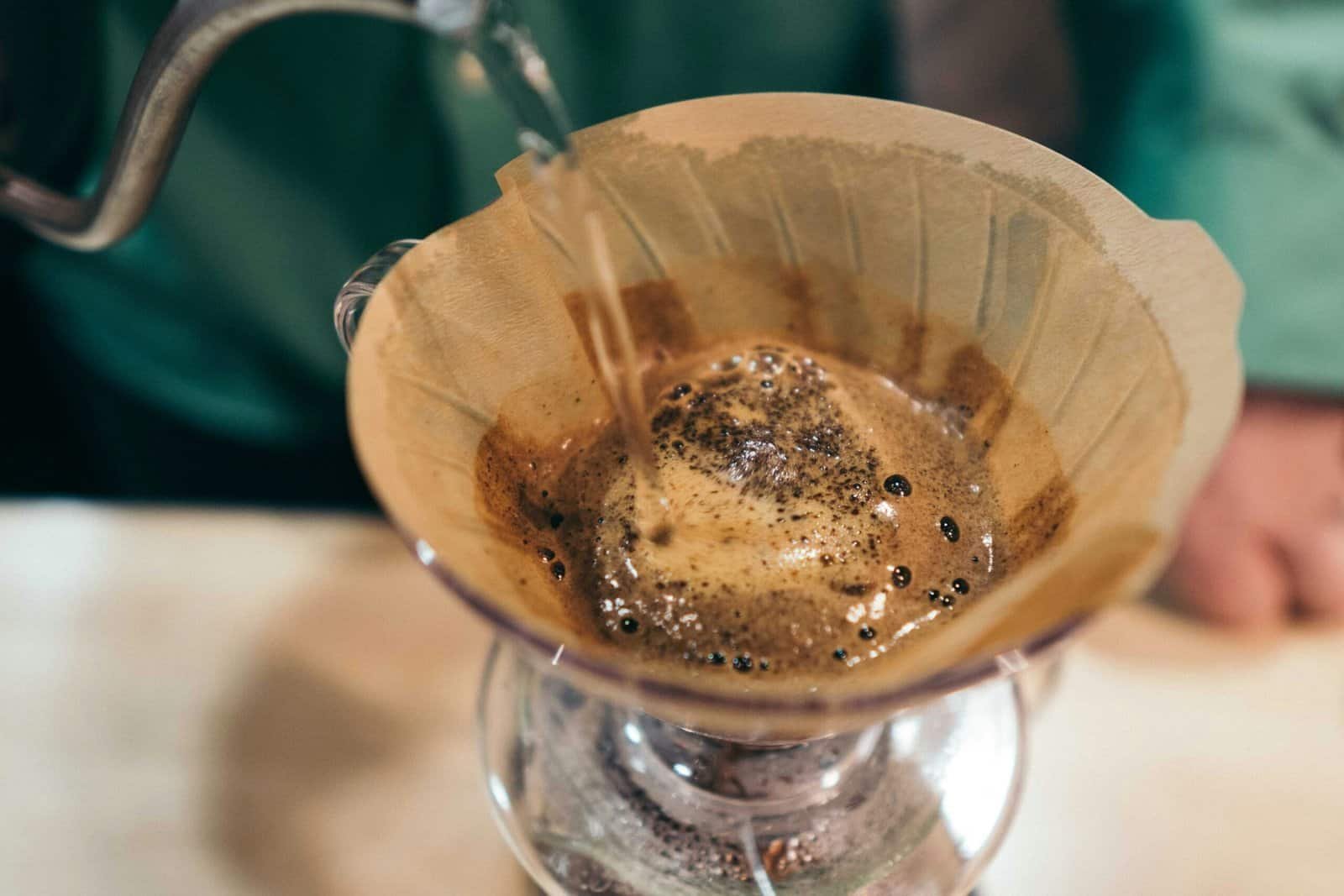
Why does anyone brew coffee in a glass apparatus that looks like a chemistry set? Because full immersion at a stable temperature with a clean filtered finish is a combination no other method delivers, and the best siphon and vacuum coffee brewers are the stovetop models, because they remove the one fiddly part of the process. You already own the heat source.
The mechanism is vapor pressure. Water in the lower chamber heats, pushes up into the grounds, then draws back down through the filter as it cools.
That gives you immersion brewing and a filtered cup at once. A French press gives immersion with sediment, and a pour over gives a filtered cup without immersion.
Quick Verdict
A stovetop siphon is the right first purchase, since it costs least and uses a burner you already have. Halogen beam heaters are the upgrade for precise control, butane burner sets are the traditional setup, balance siphons are mostly a showpiece, and electric models automate the cycle. Budget for cloth filters, because they are the consumable that decides how the cup tastes.
Key Takeaways
- Siphon brewing is full immersion followed by filtration, which is why the cup is both heavy and clean.
- Water is held near a stable temperature through the brew rather than cooling as it goes.
- The heat source is the main difference between models, not the glass.
- Cloth filters give the cleanest cup and need rinsing, storing wet and replacing.
- Glass is fragile and replacement chambers are a real ongoing consideration.
- This is the least convenient brewing method in common use, and that is the honest tradeoff.
How We Picked the Best Siphon and Vacuum Coffee Brewers
We compared brewer types rather than named models, because the apparatus designs are long-standing while specific products come and go.
Each section covers one type, who it suits and where it falls short. We weighted four things: how controllable the heat is, how much attention the cycle demands, how fragile the assembly is, and what the consumables cost over a year.
We have not published brew temperatures, ratios or times. Those depend on your grind, your beans and your heat source, and publishing one set as the standard would be inventing precision.
1. Stovetop Siphon Brewers, Best Overall
Why It Stands Out
Two glass chambers, a filter, and a base designed to sit on a gas or electric burner. No dedicated heater to buy or store.
Using an appliance you already own is the whole argument. These are the cheapest way into the method by a wide margin.
Heat control is also familiar, since you are adjusting a burner you already know rather than learning a new device.
Worth Knowing
Glass on a burner needs a diffuser on many stoves, and induction hobs will not heat glass at all. Check what your stove can do first.
Burner heat is also less even than a focused beam, which makes the draw-down slightly less predictable.
Best for anyone trying siphon brewing without committing to extra hardware. Our burr coffee grinders picks matter more to the result than the brewer does.
2. Halogen Beam Heater Siphons, Best Control
Why It Stands Out
A halogen lamp focuses heat onto the bottom chamber, and a dial adjusts output continuously rather than in steps.
Precise, instant heat changes are what make the cycle repeatable. Reduce the output and the draw-down begins when you want it to.
The beam also heats only the glass it is aimed at, which keeps the rest of the counter cool and makes the process easier to watch.
Worth Knowing
These are expensive, take counter space, and the lamp is a consumable that eventually needs replacing.
They also pair with specific brewer sizes, so the heater and the glassware are effectively bought together.
Best for anyone brewing siphon coffee regularly who wants consistency. See our coffee scales picks, since repeatability needs weight as well as heat.
3. Butane Burner Siphon Sets, Best Traditional Setup
Why It Stands Out
A small refillable butane burner under a stand, which is the classic cafe arrangement and works anywhere with no power.
Flame height is adjustable and the response is immediate, so control sits between a stovetop and a halogen beam.
Being independent of a stove or an outlet also makes these the portable option, which suits a table or an outdoor setting.
Worth Knowing
An open flame on a counter demands attention and clearance, and butane canisters need buying and storing.
Flames are also affected by draughts, which makes an open window or a fan a real variable.
Best for the traditional experience and for brewing away from a stove. Compare the hands-on feel with our moka pots picks, which also use pressure but produce a very different cup.
4. Balance Siphon Brewers, Best Showpiece
Why It Stands Out
A horizontal design with two vessels on a pivoting frame, where the shifting weight of the water trips a lever that snuffs the flame automatically.
That mechanical automation is genuinely clever and happens in full view, which is why these sit on sideboards rather than in cupboards.
The brew itself follows the same vapor pressure principle, so the cup is recognizably siphon coffee.
Worth Knowing
These are the most expensive and most fragile arrangement here, with the most parts to align and clean.
Batch size is fixed by the vessels, and the aesthetics are doing a lot of the work. As a daily brewer it is impractical.
Best as a centerpiece for guests rather than a morning routine. Our coffee mugs picks cover what to serve it in.
5. Electric Siphon Brewers With Automated Cycles, Best Convenience
Why It Stands Out
A powered base heats the lower chamber and manages the cycle, often with a timer and automatic shutoff at the end of the draw-down.
Automation removes the attention this method normally demands. You can start it and walk away, which no other siphon allows.
Consistency also improves, because the heater follows the same profile every time rather than depending on your burner adjustments.
Worth Knowing
You lose the manual control that attracts many people to siphon brewing in the first place. A fixed profile is a fixed profile.
These also combine electronics with glassware, which gives you more to go wrong and a less repairable product.
Best for anyone who likes the cup and not the ritual. If convenience is the priority overall, our pour over coffee makers roundup includes automated options for less money.
6. Cloth, Paper and Metal Filters, Best Consumables
Why It Stands Out
The filter is the part that most changes the cup. Cloth gives the cleanest and smoothest result, metal lets more body and some fines through, and paper sits between them.
Cloth is the traditional choice for a reason, since it holds back fines while passing more oils than paper does.
Buying spares at the same time as the brewer is sensible, because a worn or sour filter ruins a cup regardless of the beans.
Worth Knowing
Cloth filters need rinsing thoroughly after every use and storing wet, usually in water in the refrigerator, or they develop off flavors.
Metal filters avoid all of that maintenance and give a heavier cup, which is a preference rather than a downgrade.
Best bought alongside the brewer in multiples. Our coffee filters and reusable baskets guide covers filter materials across methods.
Siphon Brewer Types at a Glance
| Type | Heat Source | Control | Attention Needed | Best Use |
|---|---|---|---|---|
| Stovetop | Your burner | Familiar | Constant | First siphon |
| Halogen beam | Focused lamp | Finest | Constant | Regular brewing |
| Butane burner | Open flame | Immediate | Constant, plus clearance | Traditional, portable |
| Balance siphon | Flame, auto snuff | Mechanical | Watchful | Showpiece |
| Electric automated | Powered base | Fixed profile | None | Cup without ritual |
| Filters | Not applicable | Changes the cup most | Cloth needs care | Buy spares |
How to Choose a Siphon Coffee Brewer
Start from your heat source
Induction hobs cannot heat glass, and some gas burners need a diffuser. Confirm what your stove will do before buying a stovetop model.
Match the size to how you drink
Siphons brew a fixed batch well and a half batch badly. Buy for your usual number of cups rather than the maximum you might host.
Check replacement glass availability
Glass breaks eventually. A brewer whose chambers can be bought separately is a far better long-term purchase.
Decide how much attention you want to give it
Manual siphons need you present for the whole cycle. If that sounds like the appeal, buy manual. If it sounds like a chore, buy electric or buy a different method.
Budget for the grinder first
Grind consistency affects the cup more than the brewer does. An excellent siphon with pre-ground coffee is a wasted purchase.
Siphon or French Press?
What a siphon does differently
Both brew by immersion, but a siphon filters the coffee as it draws back down and holds the water near a stable temperature throughout. The result is a cup with immersion body and almost no sediment.
What a French press does better
It is cheaper, nearly unbreakable, needs no heat source of its own and takes a fraction of the attention. For most people most mornings, our French press coffee makers roundup is the more practical purchase.
Common Siphon Brewing Mistakes to Avoid
Grinding too fine
Fine grounds clog the filter and stall the draw-down. A medium grind is the usual starting point for immersion with filtration.
Letting a cloth filter dry out
Dried coffee oils in cloth turn rancid and taint every later brew. Rinse thoroughly and keep it wet in the refrigerator between uses.
Assembling the chambers while hot
Glass under thermal stress is where breakages happen. Let components cool before handling or washing.
Seating the filter carelessly
A filter off-center lets grounds past and ruins the clean finish that is the point of the method. Check the seal every time.
Buying a siphon to save time
This is the slowest common brewing method and the most attention-hungry. Buy it because you want the cup and the process, not for speed.
Recommended Reading
Best Siphon and Vacuum Coffee Brewers FAQ
What are the best siphon and vacuum coffee brewers?
Stovetop siphons are the best starting point, because they cost least and use a burner you already own. Halogen beam heaters give the finest heat control for regular brewing, and electric models automate the cycle for anyone who wants the cup without standing over it.
How does a siphon coffee maker work?
Heating water in the lower chamber builds vapor pressure, which forces the water up a tube into the upper chamber holding the grounds. The coffee steeps there as full immersion. Removing the heat drops the pressure and draws the brewed coffee back down through a filter.
Does siphon coffee taste different from pour over?
Usually yes. Siphon brewing is immersion followed by filtration, so the cup tends to have more body than a pour over while staying clean and sediment-free. Pour over emphasizes clarity and is far quicker to make.
Cloth, paper or metal filter for a siphon?
Cloth is traditional and gives the smoothest, cleanest cup, but it needs rinsing and storing wet to avoid off flavors. Metal needs no maintenance and lets more oils and fines through for a heavier cup. Paper sits between the two and is the lowest-effort disposable option.
Can you use a siphon brewer on an induction hob?
No, not a glass-bottomed one, because induction needs ferrous metal to heat. You would need a halogen beam heater, a butane burner, an electric model, or an induction interface disc rated for the job. Check your hob before buying a stovetop siphon.
What grind size works for siphon coffee?
A medium grind is the usual starting point, coarser than espresso and finer than French press. Too fine clogs the filter and stalls the draw-down, and too coarse brews weakly. Adjust from medium based on how your draw-down behaves.
Are siphon brewers fragile?
The glass chambers are, and breakage is the most common way one ends its life. Handle them cool, wash them gently, and check that replacement chambers are sold separately for the model you choose before buying.
Is a siphon worth it for everyday coffee?
For most people, no. It is the most attention-hungry method in common use and the slowest, which makes it a weekend brewer rather than a weekday one. If you want the cup daily with less ceremony, an AeroPress or a French press gets closer than you might expect.
