
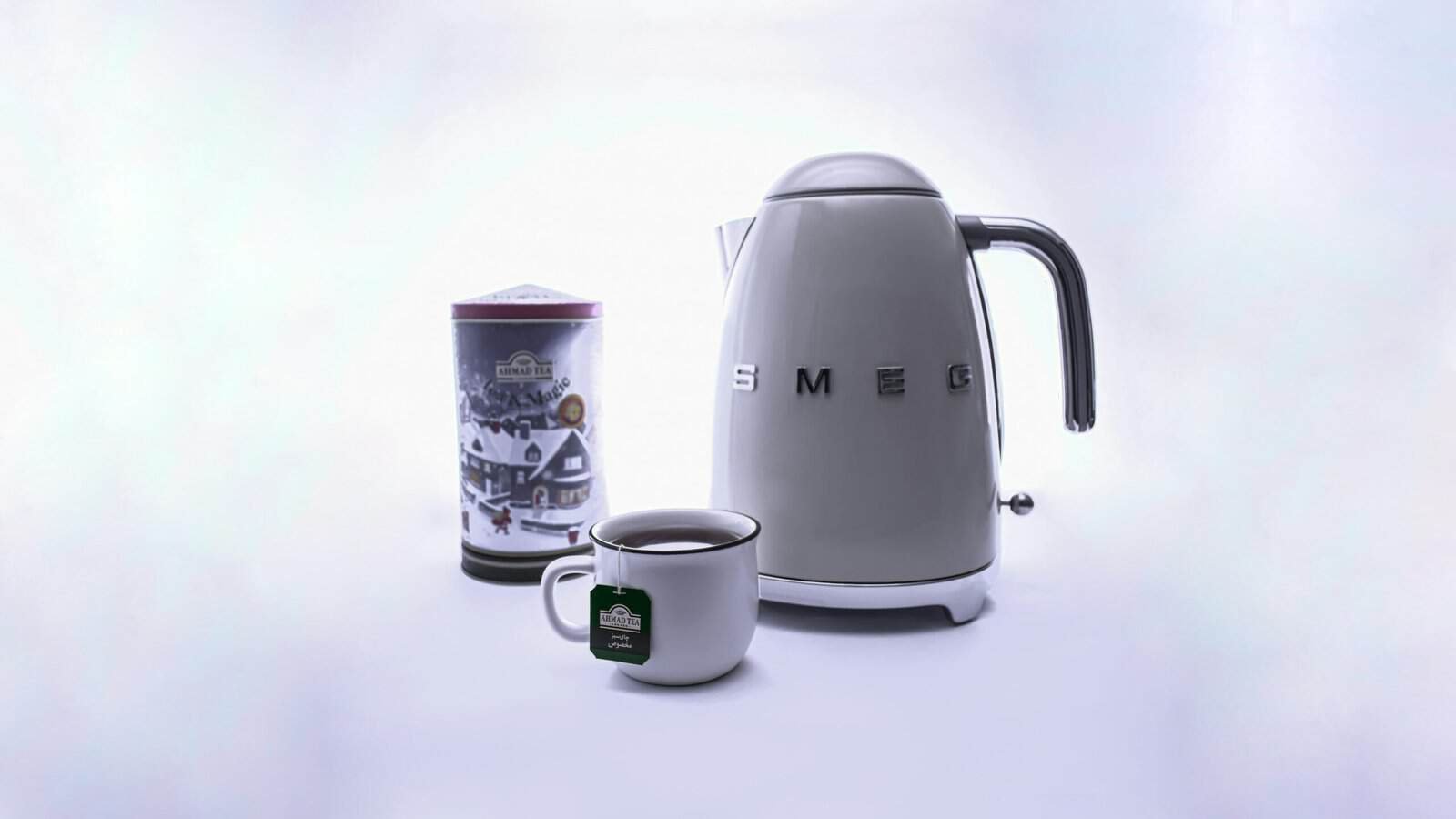
Why does one electric kettle cost fifteen dollars and another over a hundred? Choosing an electric kettle comes down to four things you can judge in a minute: capacity, material, temperature control, and how fast it boils. Get those right and the price gap stops being a mystery. Comparing options? See our best electric wine openers roundup.
Key takeaways
- Match capacity to how many cups you actually brew, not the biggest size on the shelf.
- Stainless steel and glass avoid the faint plastic taste some budget kettles carry.
- Variable temperature control earns its price only if you brew green tea or pour-over coffee.
- Higher wattage is the main reason a pricier kettle boils faster.
- Overfilling and skipping descaling are the two habits that wear kettles out early.
Capacity: Match the Kettle to How You Brew
Capacity is the first thing to settle because it rules out half the market fast. A kettle that holds too little means refilling for a second cup, and one that holds too much wastes power heating water you pour down the drain. Picture your busiest morning, then buy for that, not for a dinner party you host twice a year.
Single Drinkers and Couples
If you make one or two drinks at a time, a smaller kettle suits you well. It boils faster because there is less water to heat, and it takes up less counter space. You also avoid the habit of filling a big kettle halfway and reboiling stale water later.
Families and Batch Brewing
Households that brew several cups at once, or fill a teapot and a French press together, want more headroom. A larger kettle saves you a second boil and the wait that comes with it. The trade is a heavier kettle and a slightly longer time to reach a full boil.
The Cost of Buying Too Big
An oversized kettle looks like future-proofing, but it rarely pays off. You spend more on the purchase, more on electricity per boil, and more counter space every day. Buy the size that fits your real routine, and let the rare crowd wait the extra minute.
Material: Stainless Steel, Glass, or Plastic
Material decides taste, durability, and price more than any spec on the box. The three common choices each suit a different buyer, so match the material to what bothers you most. Taste-sensitive drinkers and clumsy households will land in different places.
Stainless Steel
Stainless steel is the durable all-rounder, shrugging off knocks and staying taste-neutral. Some single-wall models get hot on the outside, so look for a cool-touch or double-wall body if children reach the counter. It hides water spots better than glass, which keeps it looking clean with less effort.
Glass
Glass kettles stay completely taste-free and let you watch the boil, which many people enjoy. They show mineral spots and limescale sooner, so they ask for a bit more cleaning to stay clear. Pick tempered glass and handle it with the usual care you give any glassware.
Plastic
Plastic is the budget entry point, light and cheap and easy to carry. A new plastic kettle can carry a faint taste for the first few uses, which usually fades. If taste matters to you, spend the extra few dollars on stainless or glass and skip the issue entirely.
Temperature Control: Who Needs It
Temperature control is the feature buyers most often overpay for or skip by mistake. Whether it earns its price depends entirely on what ends up in your cup. Tea and pour-over drinkers gain real quality; everyone else can pocket the difference.
Tea Drinkers
Green, white, and oolong teas turn bitter when you scald them with a rolling boil. A kettle with preset temperatures lets you drop the heat for delicate leaves and keep it high for black tea and herbal blends. If you drink a range of teas, this single feature changes the cup more than any other.
Pour-Over Coffee
Pour-over coffee tastes best with water just off the boil, around 200°F, per the Specialty Coffee Association’s brewing guidance. Boiling water poured straight onto the grounds can scorch them and turn the cup harsh. A variable-temperature kettle, ideally with a gooseneck spout, gives you that control and a slow, accurate pour. If you also brew drip, our coffee maker guide covers that side of the counter.
When a Simple Kettle Wins
If you mostly make black tea, instant coffee, oatmeal, or just need hot water, skip the presets. A plain boil-and-stop kettle does the job for less money and with fewer parts to fail. Pay for precision only when your drinks reward it.
Speed and Wattage: What Sets Boil Time
Boil speed is the upgrade you feel every single morning. Three things drive it, and wattage leads the list. Once you know what moves the needle, you can judge whether a faster kettle is worth the premium for your routine.
Wattage
Higher wattage pushes more energy into the water, so the kettle reaches a boil sooner. A high-wattage model is the main reason to spend more if speed matters to you. Check that your outlet and household wiring comfortably handle a powerful kettle, since some draw a lot at once.
Volume and Starting Temperature
A full kettle takes longer than a half-full one, and cold tap water takes longer than lukewarm. Boil only what you need and you cut the wait every time. This habit also trims your electricity use across a year of daily brewing.
Limescale Slows Things Down
Hard water leaves mineral deposits inside the kettle, and that buildup makes boiling slower and noisier over time. A kettle you descale on a schedule keeps its original speed. Letting scale build up is the quiet reason an old kettle feels sluggish.
Features Worth Paying For
Past the four basics, kettle makers add a long list of extras. A few genuinely improve daily use, and several exist mainly to justify a higher price. Know the difference before the marketing copy talks you into both.
Keep These
Automatic shutoff and boil-dry protection are safety features worth having, and most decent kettles include them. A keep-warm setting helps if you sip over an hour, and a cordless base with 360-degree pickup makes pouring easier. A gooseneck spout is worth it specifically for pour-over coffee.
Skip These
App connectivity and voice control add cost and failure points for a job a button already does. A viewing window is pleasant but not a reason to choose one kettle over a better-built rival. Judge those extras as tie-breakers, never as the deciding factor.
Recommended read: Once you know the features you want, compare real models in our best electric kettles roundup and the budget-focused best electric kettles under $50.
Match the Kettle to How You Drink
The right kettle depends on what you brew, so map the features to your routine. Use the table below as a shortcut, then read the matching section above for the reasoning. Most people fit one of these four profiles.
| If you mostly drink | Look for | Skip |
|---|---|---|
| Black tea, instant coffee, hot water | Simple boil-and-stop, fast wattage | Temperature presets |
| A range of teas, including green and white | Variable temperature presets | Oversized capacity |
| Pour-over coffee | Gooseneck spout, variable temperature | Bargain plastic models |
| Drinks for a whole household | Larger capacity, keep-warm | Tiny travel kettles |
If you drink across two rows, weight your choice toward the pickier use. A pour-over drinker who also makes black tea still wants the gooseneck and temperature control. The simpler need is easy to satisfy with the better kettle.
How an Electric Kettle Works
Knowing what happens inside helps you judge what to buy and how to keep it running. The mechanics are simple, and they explain both the speed and the safety features. A minute here makes the spec sheet readable.
The Heating Element
A coil or a concealed plate at the base heats up when current runs through it, and that heat passes straight into the water. Concealed elements sit under a flat base, which makes them easier to clean and less prone to scale. Exposed coils cost less but collect limescale faster, so they need descaling more often.
The Thermostat and Auto-Shutoff
A thermostat senses when the water reaches a boil and cuts the power, which is why a good kettle clicks off on its own. Boil-dry protection adds a second sensor that shuts the kettle down if it runs without water. These two features do the safety work, so confirm a kettle has both before you buy.
Electric Kettle vs Stovetop Kettle
If you are weighing an electric kettle against the stovetop, the trade is speed and features against simplicity. Each suits a different kitchen. Your routine decides which wins.
Where Electric Wins
An electric kettle boils faster, shuts off by itself, and can hold a set temperature for tea or coffee. It also frees up a burner and keeps the heat off your stovetop. For daily, repeated brewing, those conveniences add up fast.
Where Stovetop Still Fits
A stovetop kettle needs no outlet or counter space and can look the part on a classic range. It lacks auto shutoff and precise temperatures, so it suits simpler needs and smaller kitchens. Some people also just prefer the whistle and the ritual, and our best tea kettles roundup covers those stovetop options.
Caring for Your Electric Kettle
A little upkeep keeps a kettle fast, clean, and safe for years. None of it takes long once it becomes routine. Three habits cover most of it.
Descale on a Schedule
Mineral buildup from hard water slows the boil and can flavor your drinks, so descale regularly with vinegar or citric acid. Hard-water homes need it more often than soft-water ones. Our guide to descaling a kettle walks through the steps.
Empty and Wipe
Pour out water you do not use rather than letting it sit, since standing water speeds up deposits. Wipe the exterior and rinse the interior now and then. A spout filter, if your kettle has one, rinses clean in seconds.
Common Electric Kettle Mistakes
A few habits turn a good kettle into a frustrating one. Watch for these before and after you buy.
Buying for the biggest size you can imagine needing is the most common error. You pay more up front, heat extra water every day, and surrender counter space for a capacity you reach a few times a year. Size for your normal morning instead.
Choosing on price alone often means a plastic kettle that taints the first weeks of drinks. If taste matters, the small jump to stainless or glass solves it for the life of the kettle. Spend the difference once rather than notice it daily.
Filling the kettle to the top for a single cup wastes energy and time. Boil only the water you need, mark the cup line if your kettle shows one, and you speed up every brew. This habit also slows limescale, since less water means fewer minerals deposited.
Skipping descaling lets mineral buildup slow the boil and flavor your drinks. A quick clean with vinegar or citric acid on a regular schedule keeps performance up. In hard-water areas, filtered water from a water filter pitcher slows the scale and stretches the gap between cleanings.
Matching the wrong kettle to your drinks frustrates you for years. A tea lover with a plain boiler scalds delicate leaves, while a casual drinker pays for presets they never touch. Decide what you brew first, then shop.
Frequently Asked Questions
What should I look for when buying an electric kettle?
Start with capacity that matches your real brewing, then choose stainless or glass over plastic if taste matters. Decide whether you need variable temperature control for tea or pour-over coffee, and favor higher wattage for faster boiling. Everything else is convenience.
What size electric kettle is best?
Match the size to how much you boil at once. A smaller kettle suits one or two cups and boils faster, while a larger one serves a household or frequent entertaining. Buying bigger than you need wastes energy reheating water.
Are plastic electric kettles safe to use?
Kettles from reputable brands are made to food-contact standards. Some people notice a faint taste from a new plastic kettle that fades after a few uses, so taste-sensitive drinkers often prefer stainless steel or glass instead.
Is a variable temperature kettle worth it?
It is worth it if you brew green or white tea or make pour-over coffee, where water below a full boil tastes better. If you mostly make black tea, instant drinks, or oatmeal, a simple boil-and-stop kettle does the job for less.
Why is my electric kettle slow to boil?
Slow boiling usually comes from lower wattage, a large water volume, or limescale buildup inside. Descaling on a schedule and boiling only what you need both help, and a higher-wattage kettle boils noticeably faster.
Do I need a gooseneck kettle?
A gooseneck spout gives the slow, precise pour that pour-over coffee needs, so it matters most for that brewing style. If you do not make pour-over, a standard spout works fine and usually costs less.
Where can I learn more about choosing an electric kettle?
For coffee brewing temperatures, the Specialty Coffee Association publishes water and brewing standards. To check whether your water is hard enough to scale a kettle quickly, the USGS water hardness guide explains the mineral content behind limescale.
Related Reading
Explore more: electric wine openers, electric can openers, manual vs electric coffee grinder, and electric skillets. Also explore: cocktail shakers bar tools, and deep fryers.
Recommended Reading
See also our guides to electric can openers, and electric wine openers.
