
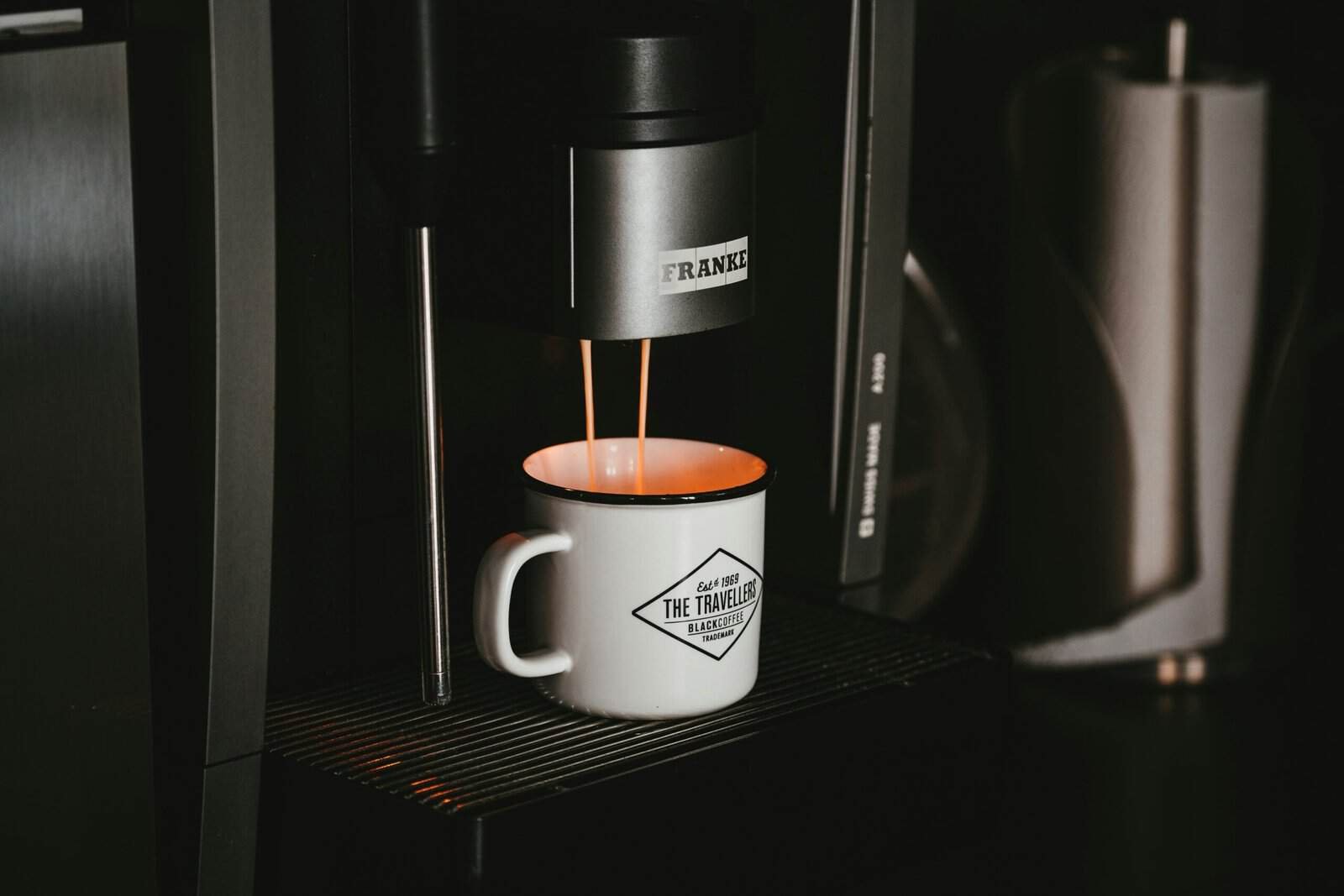
The best super-automatic espresso machine turns whole beans into a finished latte at one button press. These bean-to-cup machines grind, tamp, brew, and often froth milk on their own, which trades hands-on control for speed and consistency. The right pick depends on your budget, your favorite drinks, and how much cleaning you will tolerate.
Quick verdict: The Philips 3200 Series LatteGo is the best all-around pick, balancing milk drinks, ease, and price. For the best entry value, the De’Longhi Magnifica Evo covers the basics for less.
Disclosure: SmartLifeItems is reader-supported. As an Amazon Associate, we earn from qualifying purchases made through links on this page, at no extra cost to you.
How We Picked the Best Super-Automatic Espresso Machines
We weighed grinder quality, milk-system performance, programmability, cleaning ease, and price against the drinks each machine makes well. Grinder and milk handling mattered most, since they shape the cup more than any badge.
We matched each pick to a clear buyer, from value seekers to milk-drink lovers. Our guide on whether super-automatics are worth it covers the value question in depth.
We also factored in running costs, since beans, filters, and descaling supplies add up over a machine’s life. A lower sticker price can hide higher upkeep, so we favored picks that stay reasonable to own. Our coffee maker versus espresso machine guide helps if you are still weighing the category.
1. Philips 3200 Series LatteGo
Why It Stands Out
The 3200 LatteGo pairs an easy milk system with a built-in grinder and a clean touch display. Its LatteGo carafe rinses fast and has few parts to fuss over. For an all-around machine that does milk drinks well at a fair price, it leads.
Worth Knowing
It offers fewer saved drink profiles than premium machines. The milk texture satisfies most drinkers without matching a manual wand. The bean hopper suits a household rather than a crowd.
It suits a buyer who wants daily lattes and cappuccinos with little fuss. Skip it if you crave deep customization or a large-capacity machine. A couple making milk drinks every morning is the ideal owner.
Picture a weekday where one person wants a cappuccino and another an espresso, both ready in a minute. The LatteGo carafe rinses fast, so cleanup never becomes the reason you skip a second drink.
The touch display keeps everyday drinks one tap away. For a household that values speed over tinkering, that simplicity is the whole appeal.
2. De’Longhi Magnifica Evo
Why It Stands Out
The Magnifica Evo is a popular entry point, delivering bean-to-cup espresso at a friendly price. It keeps the controls simple and the footprint manageable. For a first super-automatic, it lowers the cost of entry.
Worth Knowing
The milk system on base configurations leans manual or simpler than premium carafes. Customization is lighter than on pricier models. It focuses on the espresso fundamentals over extras.
It fits a budget-minded buyer who wants automation without a premium spend. Skip it if you want a fully hands-off milk carafe and many saved profiles. A new super-automatic owner testing the category is the right match.
Imagine a first-time buyer moving up from pods who wants real bean-to-cup espresso without overspending. The Evo covers the espresso basics and keeps the daily routine simple.
It is also a sensible pick if you are unsure how much you will use a super-automatic. The lower outlay makes the experiment far less risky.
3. Jura E8
Why It Stands Out
The Jura E8 sits at the premium end with a refined grinder, strong milk system, and a polished interface. It makes a wide menu of drinks with consistency. Buyers who want a near-cafe experience at home look here.
Worth Knowing
The premium price only makes sense for frequent, varied drinking. The feature depth adds a short learning curve. Genuine quality and breadth are the payoff.
It suits a heavy drinker who wants premium drinks and build quality. Skip it if your budget is tight or you stick to plain espresso. A household that drinks many specialty drinks daily fits best.
Think of a household that drinks several specialty drinks a day and wants each one consistent. The E8 delivers that range and polish without a barista at the counter.
It earns its price for someone who would otherwise visit a cafe daily. Over a year of specialty drinks, that math can favor the machine.
Recommended read: Comparing categories? See our semi-automatic vs super-automatic breakdown and our picks for the best espresso machines under $500.
4. Breville Oracle Touch
Why It Stands Out
The Oracle Touch automates grinding and tamping while leaving more of the shot quality in reach. It blends automation with a touch interface and strong milk steaming. Buyers who want cafe-style results with some control gravitate here.
Worth Knowing
It is a premium machine with a larger footprint. The deeper feature set rewards a little learning. It aims higher on quality than on pure simplicity.
It suits a buyer who wants barista-style drinks without going fully manual. Skip it if counter space is tight or you want the simplest possible routine. A drinker who values cup quality and a touchscreen is the right owner.
Picture a drinker who wants cafe-quality results but still likes a hand in the process. The Oracle Touch automates the fiddly steps while leaving room to shape the cup.
It bridges the gap between full automation and a hands-on machine. A curious drinker can grow into it rather than out of it.
5. Gaggia Anima
Why It Stands Out
The Gaggia Anima offers bean-to-cup convenience in a compact body at a mid-range price. It covers espresso and milk drinks with a steam option. For a smaller kitchen, its footprint is a real advantage.
Worth Knowing
The milk handling is simpler than top-tier automatic carafes. Programmability is moderate rather than extensive. It balances size and value over premium features.
You give up some breadth for the smaller size, a fair trade in a tight kitchen. The core espresso and milk functions are all present.
It fits a buyer with limited counter space who still wants automation. Skip it if you want the richest milk system or many saved profiles. A small-kitchen owner who drinks daily espresso is the best case.
Imagine a small apartment kitchen with little counter to spare. The compact Anima fits where larger machines cannot, while still grinding and brewing fresh.
It proves you do not need a huge machine to get bean-to-cup convenience. For a studio or a crowded kitchen, that smaller footprint is the deciding factor.
6. De’Longhi Eletta Explore
Why It Stands Out
The Eletta Explore leans into variety, with hot and cold milk drinks across a broad menu. Its automatic milk system handles a range of textures. Buyers who want many drink styles from one machine find a lot to like.
Worth Knowing
The breadth comes at a premium price and a larger footprint. The many options take a little time to learn. It prioritizes drink variety over a minimalist routine.
It suits a household that wants everything from espresso to iced milk drinks. Skip it if you only drink plain espresso or want to spend less. A group with varied tastes gets the most from it.
Picture a summer where iced lattes matter as much as hot espresso. The Eletta Explore covers hot and cold drinks from one machine.
For a household with mixed tastes, that breadth means fewer compromises. Everyone finds a drink they like without buying a second machine.
How to Choose a Super-Automatic Espresso Machine
The right machine comes down to the drinks you make and the upkeep you accept. Weigh these before buying.
Grinder Quality
The built-in grinder shapes every shot, so look for a quality burr grinder with adjustable settings. A weak grinder caps how good the espresso can get. A grind you can adjust lets you tune the cup to your beans.
A finer grind pulls a stronger, slower shot, while a coarser one runs faster and lighter. Shifting that on the machine matters as your beans change.
Milk System
If you drink lattes and cappuccinos, the milk system is make-or-break. Automatic carafes are easiest, while a manual wand offers more texture control. A capable milk frother can supplement a basic built-in system.
Automatic carafes need their own cleaning to avoid souring milk residue. Factor that upkeep in if lattes are your daily drink.
Programmability
Saved profiles for size, strength, and temperature pay off in a mixed household. The more you can dial in and store, the more the machine fits each drinker. Check how many profiles a model holds.
Cleaning and Maintenance
Look for removable brew groups and automated rinse and descale cycles. A machine that hides its brew group is harder to keep clean. Easy upkeep keeps the coffee tasting right and the machine lasting longer.
Footprint and Capacity
These machines are bulky, so measure your counter depth and the clearance under your cabinets first. A taller machine needs room to lift the lid and refill beans.
Bean hopper and water tank size matter for a busy household. A larger tank means fewer refills when several people brew back to back.
A removable tank and bean hopper make daily filling easier than fixed ones. Small conveniences like these shape how much you enjoy the machine.
Bean-to-Cup vs Semi-Automatic Machines
The two categories suit different owners, and the gap is real. Choose by how involved you want to be.
Super-Automatic (Bean-to-Cup)
These machines handle grinding, tamping, brewing, and milk for you at a button. They win on speed, ease, and consistency. You trade fine control for convenience.
The upside is repeatability that does not depend on your skill or your morning. Every cup lands the same whether you are rushed or relaxed.
Semi-Automatic
A semi-automatic asks you to grind, tamp, and start the shot, which rewards practice with more control at a lower price. It suits a hands-on drinker who enjoys the process. Our guide to choosing an espresso machine covers the categories.
Many drinkers start with a super-automatic for ease, then add a semi-automatic later if the hobby grabs them. There is no wrong order, only the routine that fits your mornings.
Common Super-Automatic Espresso Machine Mistakes to Avoid
A few errors lead to regret on an expensive purchase. Watch for these.
Buying for Aspirational Habits
Many owners picture daily lattes, then use the machine twice a month. Be honest about your real habit before spending at this level, since the machine only rewards regular use.
If you mostly drink drip coffee with the odd espresso, a cheaper machine may serve you better. Match the spend to the habit, not the aspiration.
Overlooking the Milk System
A milk-drink lover who ignores the milk system ends up disappointed. Check how a model steams and textures milk, and choose an automatic carafe or strong wand if lattes matter.
Test how a model handles your milk of choice, since plant milks froth differently from dairy. A machine that struggles with oat milk will disappoint an oat-latte drinker daily.
Ignoring Counter Space
Super-automatics are bulky, and buyers often forget to measure clearance under cabinets. Check the height needed to lift the lid and fill beans before you order.
Skipping Maintenance
The grinder, brew group, and milk system need regular cleaning to keep tasting right. Skipping upkeep leads to clogs, off flavors, and costly repairs, so budget for descaling supplies.
Hard water speeds up scale buildup, which can clog the system over time. A water filter or regular descaling protects the machine and keeps the espresso tasting clean.
Decision Matrix
Prices shift often, so confirm current cost before buying. This matrix maps common buyers to the machines that fit.
| Your situation | Philips 3200 | Magnifica Evo | Jura E8 |
|---|---|---|---|
| Daily milk drinks | Best fit | Workable | Best fit |
| Entry budget | Workable | Best fit | Skip |
| Premium, varied menu | Workable | Skip | Best fit |
| Plain espresso only | Workable | Best fit | Workable |
Frequently Asked Questions
What is the best super-automatic espresso machine?
The Philips 3200 Series LatteGo is the best all-around pick, balancing milk drinks, ease, and price. For entry value, the De’Longhi Magnifica Evo covers the basics for less. The right one depends on your drinks and budget.
Are super-automatic espresso machines worth it?
For daily espresso and milk-drink drinkers who want speed and consistency, yes. The convenience earns its premium with regular use. For occasional drinkers or hands-on hobbyists, a semi-automatic offers better value.
What is the difference between super-automatic and bean-to-cup?
They are the same thing. Bean-to-cup describes how a super-automatic grinds fresh beans and brews in one automated cycle. Both terms cover machines that handle the whole process at a button.
Do super-automatic machines make good espresso?
They make consistent, solid espresso that satisfies most home drinkers. The grinder quality and milk system shape the cup more than the price. A skilled hand on a semi-automatic can fine-tune further.
How much maintenance do these machines need?
They need regular cleaning of the grinder, brew group, and milk system to run well and taste right. Many include automated rinse and descale cycles. Skipping upkeep leads to clogs and pricey repairs.
Which super-automatic is best for lattes?
Look for a strong automatic milk system, like the Philips 3200 LatteGo or the De’Longhi Eletta Explore for variety. These texture milk with little effort. A model with a manual wand offers more control if you prefer it.
Do super-automatic machines have a built-in grinder?
Yes, a built-in burr grinder is a defining feature, grinding fresh beans for each drink. Grinder quality varies, so check for adjustable settings. Fresh grinding is a big part of the convenience.
Are super-automatic machines noisy?
The built-in grinder makes noise during the few seconds it runs, similar to any burr grinder. Brewing itself is quieter. If early-morning noise is a concern, the grind cycle is the loudest moment.
How long do super-automatic machines last?
With regular cleaning and descaling, a quality machine lasts for years of daily use. Neglecting maintenance shortens that life through clogs and milk-system problems. Upkeep is the biggest factor in longevity.
Can I use any beans in a super-automatic?
Most handle standard roasts well, but very oily dark roasts can gum up the grinder over time. Lighter and medium roasts tend to run cleaner. Wipe the hopper regularly if you use oily beans.
Where can I learn more about espresso quality?
The Specialty Coffee Association publishes brewing and espresso standards for home and professional baristas.
Related Reading
Explore more: espresso tampers, espresso knock boxes, and espresso coffee grinders. Also explore: cocktail shakers bar tools, and deep fryers.
Recommended Reading
See also our guides to espresso tampers.
