
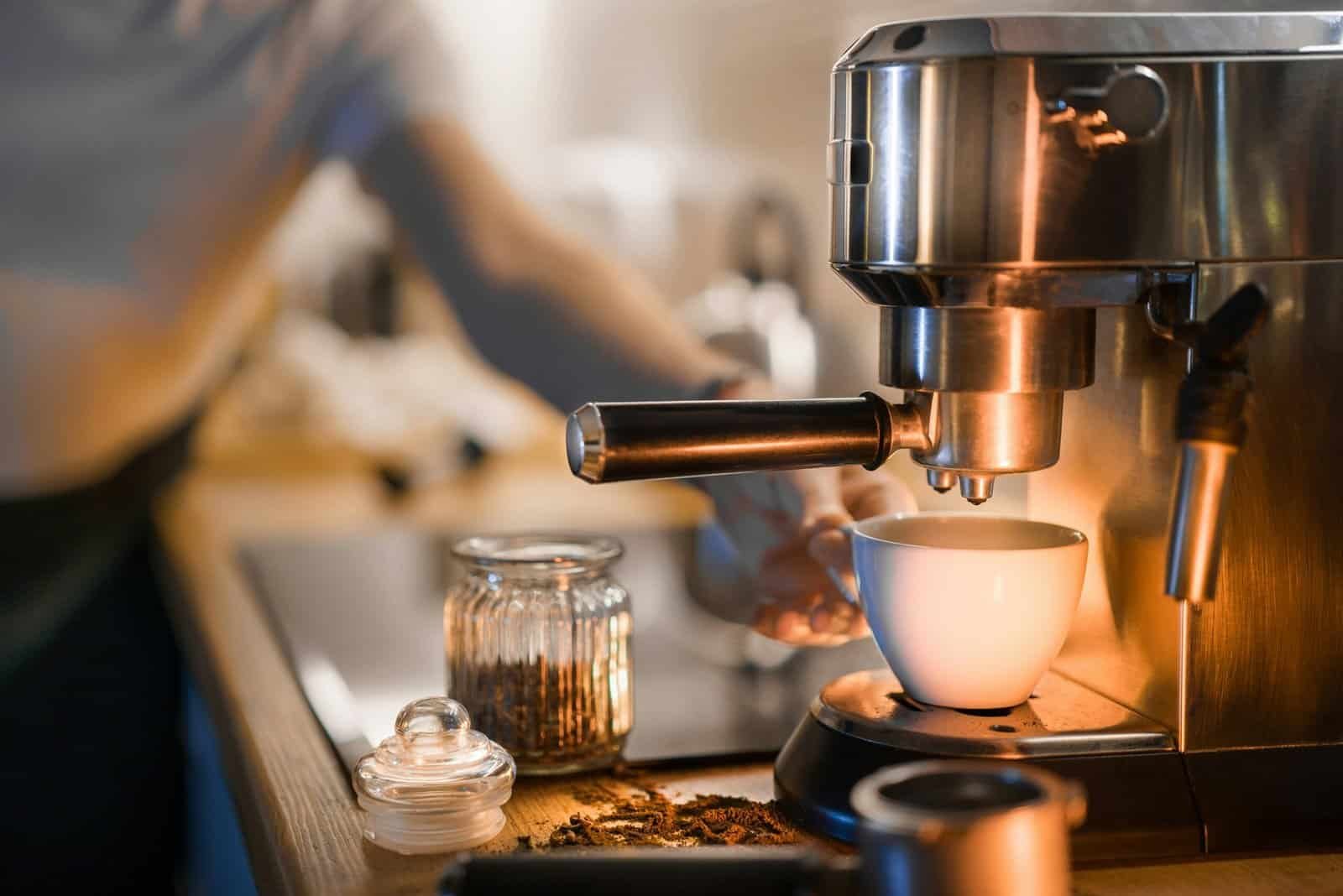
A super-automatic espresso machine is worth it if you value convenience and consistency over hands-on craft. It grinds, tamps, brews, and often froths milk at the push of a button, trading the lower price and manual control of a semi-automatic for speed and ease. Heavy daily espresso drinkers get the most from one, while occasional brewers may not. For our current top picks, see the best super automatic espresso machines guide.
Key takeaways
- A super-automatic handles grinding, tamping, brewing, and milk in one button press.
- It is worth it for daily drinkers who want café-style drinks with zero fuss.
- You pay a premium up front and give up the hands-on control of a manual machine.
- Built-in grinders and milk systems add convenience but also add repair complexity.
- For an occasional espresso or a hobbyist who loves the process, other machines fit better.
What Is a Super-Automatic Espresso Machine?
A super-automatic espresso machine automates the entire espresso process from bean to cup. It grinds fresh beans, doses and tamps the grounds, pulls the shot, and many models steam or froth milk on their own. You press a button and the machine does the rest.
This sets it apart from a semi-automatic, where you grind, tamp, and start the shot yourself. It also differs from a fully manual lever machine, which puts every step in your hands. Our guide on how to choose an espresso machine walks through those categories.
The appeal is obvious for a busy household. You get a fresh, consistent drink in under a minute without learning to dial in a shot. The machine trades skill for software. What used to take training and practice now happens behind a panel while you wait.
Are Super-Automatic Espresso Machines Worth It? The Short Answer
For the right person, yes, the convenience earns its price every single morning. If you drink espresso or milk drinks daily and want them fast and consistent, a super-automatic pays you back in saved time and steady quality. The button-press routine fits a real morning, the kind where you have minutes rather than time to fuss. That reliability is the whole reason these machines exist.
For the wrong person, the value falls apart. A casual espresso drinker, a tight budget, or a hobbyist who enjoys the ritual of pulling a shot will all find better matches elsewhere. The machine’s strengths only matter if you use them often. An expensive machine that sits idle is a worse deal than a cheap one you use daily.
What You Pay For
The price buys a set of conveniences that a cheaper machine leaves to you. Here is where the money goes.
Consistency
The machine repeats the same grind, dose, and shot every time, so your drink tastes the same on a rushed Monday as a slow Sunday. Manual machines depend on your technique, which takes practice to keep steady. Consistency is the headline feature. The machine removes the human error that makes manual espresso a skill, so a beginner pulls the same drink as an expert.
Speed and Ease
One press delivers a finished drink with no grinding, tamping, or cleanup of separate tools. That speed suits a busy kitchen and guests who want different drinks. The ease is what owners value most day to day. On a rushed morning, the gap between a button press and a multi-step manual routine is the difference between coffee and no coffee.
Built-In Grinder and Milk System
An integrated grinder means fresh grounds without a separate grinder on the counter. Many models also steam or froth milk automatically for lattes and cappuccinos. These features replace gear you would otherwise buy and learn. Rolling the grinder and frother into one body also saves the counter space a pile of separate tools would take.
The Trade-Offs
The convenience comes with real costs beyond the sticker price. Weigh each of these before you commit to the spend.
Higher Price
Super-automatics sit at the premium end and often cost several times more than a capable semi-automatic. If your budget is tight, a machine from our best espresso machines under $500 roundup may serve you better. The entry price is the biggest barrier. The cost reflects the grinder, boiler, and milk system packed inside, so you are really buying several appliances in one.
Less Control
The automation that saves you time also takes the craft out of your hands. A hobbyist who wants to tune extraction, texture milk by hand, and chase the perfect shot will feel boxed in. You trade control for convenience. For most home drinkers that trade is worth it, though a dedicated enthusiast will feel the ceiling quickly.
Maintenance and Repair
More built-in parts mean more to clean and more that can break. The grinder and milk system need regular cleaning, and repairs cost more than on a simple machine. Budget for periodic descaling supplies and the occasional service visit. Upkeep is part of ownership.
Counter Footprint
Super-automatics tend to be large, since they pack a grinder, boiler, and milk system into one body. A small kitchen may struggle to house one of these bulky machines. Measure your counter depth and cabinet height before buying.
Recommended read: Compare your options with our semi-automatic vs super-automatic breakdown and our picks for the best super-automatic espresso machines.
Super-Automatic vs Semi-Automatic vs Manual
The three categories suit different owners, and the right one depends on how involved you want to be. Here is the quick split.
Super-Automatic
This machine does everything for you, which suits anyone who wants a drink without the work. It is the convenience champion. You give up fine control in exchange, which most everyday drinkers never miss.
Semi-Automatic
A semi-automatic asks you to grind, tamp, and start the shot, giving you control at a lower price. It rewards a little learning with a great cup. Our full comparison covers the hands-on difference.
Manual Lever
A manual lever machine puts every step under your hand for total control. It suits the dedicated hobbyist who loves the ritual of pulling a shot by hand. The learning curve is steep, and the payoff is craft and a cup tuned exactly to your taste.
The Real Cost Over Time
The sticker price is only part of the math, so it helps to think in terms of total cost. Run the numbers against your own habits before you decide.
Add the machine, beans, milk, water filters, and cleaning supplies to picture the real spend. A heavy café habit can cost far more over a year than brewing at home, even with a premium machine. For a daily drinker, the machine can pay for itself over time, especially when it replaces a daily café stop. Brewing at home also saves the commute and the wait in line.
The opposite holds for light use. If you pull one shot a week, the per-cup cost of an expensive machine stays high for years. Honest math about how often you will use it settles the worth-it question better than any feature list. Picture your real weekly habit, not the aspirational one, and the answer usually becomes clear.
What to Look For in a Super-Automatic Machine
Super-automatics vary widely, and a few features decide whether you stay happy with one. Weigh these before you choose a model.
Grinder Quality
The built-in grinder shapes every shot, so a quality burr grinder with adjustable settings matters most. A weak grinder limits how good the espresso can get, no matter the rest of the machine. Look for a model that lets you set the grind to suit your beans. A grinder you can adjust is what separates a flexible machine from one that locks you into a single result.
Milk System
If you drink lattes and cappuccinos, the milk system is a make-or-break feature. Some machines steam milk through an automatic carafe, while others use a wand you hold yourself. An automatic carafe is easier, though a separate milk frother can outperform a basic built-in system. If microfoam and latte art matter to you, check reviews of the milk system before you buy.
Programmability
Good machines let you save drink sizes, strength, and temperature to a profile. That memory pays off in a household where people like their coffee different ways. One person gets a strong short shot, another a milky latte, both at a button. The more you can dial in and save, the more the machine feels like yours.
Cleaning and Maintenance
Look for removable brew groups and automated rinse and descale cycles, since these decide how much daily work you face. A machine that hides its brew group behind sealed panels is harder to keep clean. Easy maintenance keeps the coffee tasting right and the machine running longer.
Who Should Buy a Super-Automatic (and Who Shouldn’t)
The worth-it question comes down to how you drink coffee. Match the machine to your habits before you spend.
Good Candidates
A super-automatic suits a household that drinks espresso or milk drinks daily and values speed over process. It fits busy mornings, mixed households where everyone wants something different, and anyone who would otherwise spend heavily at a café. For these homes, the convenience earns its keep every single day. The more drinks you make, the more the per-cup math works in your favor.
Poor Candidates
A super-automatic is a poor fit for an occasional espresso drinker, a tight budget, or a hobbyist who loves dialing in shots by hand. Those buyers get more from a machine in our under $500 roundup or a hands-on semi-automatic setup. Paying a premium for automation you rarely use makes little sense.
Common Super-Automatic Buying Mistakes to Avoid
A few errors lead to buyer’s remorse on an expensive purchase. Watch for these.
Buying for the espresso you wish you drank. Many owners picture daily lattes, then use the machine twice a month. Be honest about your real habit before spending at this level. The machine only rewards the drinker you actually are, not the one you hope to become.
Ignoring maintenance needs. The grinder and milk system need regular cleaning to keep working and tasting right. Skipping upkeep leads to clogs, off flavors, and costly repairs.
Overlooking the footprint. A super-automatic is bulky, and buyers often forget to measure their counter and cabinet clearance. Check the height under your cabinets before you order, since many models need clearance to lift the lid and fill the beans.
Expecting hobbyist-level control. Someone chasing the perfect hand-pulled shot will feel limited by the automation. If the craft is the point, a semi-automatic or lever machine fits better and costs less. The automation that helps a busy drinker frustrates a hands-on one.
Skipping the milk-quality question. Automatic frothers vary, and a milk-drink lover should check how a model handles steaming. If latte art and microfoam matter, a manual steam wand or a separate milk frother may serve better.
Frequently Asked Questions
What is a super-automatic espresso machine?
A super-automatic espresso machine automates the whole process, grinding, tamping, brewing, and often frothing milk at the push of a button. You add beans and water, then press a single button for a finished drink in under a minute. It trades manual control for convenience, which suits anyone who wants the drink without the process.
Are super-automatic espresso machines worth the money?
For daily espresso and milk-drink drinkers who want speed and consistency, yes. The convenience earns its premium with regular use. For occasional drinkers or hands-on hobbyists, a semi-automatic or manual machine offers better value. Be honest about how often you will use it before spending at this level.
What is the difference between super-automatic and semi-automatic?
A super-automatic handles grinding, tamping, and brewing for you, while a semi-automatic asks you to do those steps and start the shot. Semi-automatics cost less and offer more control, while super-automatics win on speed and ease. The right pick depends on whether you enjoy the process or just want the cup.
Do super-automatic machines make good espresso?
They make consistent, solid espresso that satisfies most home drinkers every time. A skilled hand on a quality semi-automatic can fine-tune a shot further, but the gap is small for casual drinking. For everyday drinking, the convenience and steady quality are the draw. The grinder quality and milk system shape the cup more than the badge or the price.
How much maintenance do super-automatic machines need?
They need regular cleaning of the grinder, brew group, and milk system to run well and taste right. Many models include automated cleaning cycles that handle most of the routine for you. Skipping upkeep leads to clogs, off flavors, and pricey repairs down the line.
Are super-automatic machines good for beginners?
Yes, they suit beginners who want good drinks without learning to dial in a shot. The button-press routine removes the learning curve. A beginner who wants to learn the craft, though, may prefer a semi-automatic. One path gives you a fast drink today, the other gives you a skill over time.
Where can I learn more about espresso quality?
The Specialty Coffee Association publishes brewing and espresso standards for home and professional baristas.
Related Reading
Explore more: bread machine, bread machine vs stand mixer, espresso tampers, espresso knock boxes, espresso coffee grinders, and coffee maker vs espresso machine. Also explore: quiet blenders for early mornings.
Recommended Reading
See also our guides to espresso knock boxes, and espresso tampers.
