
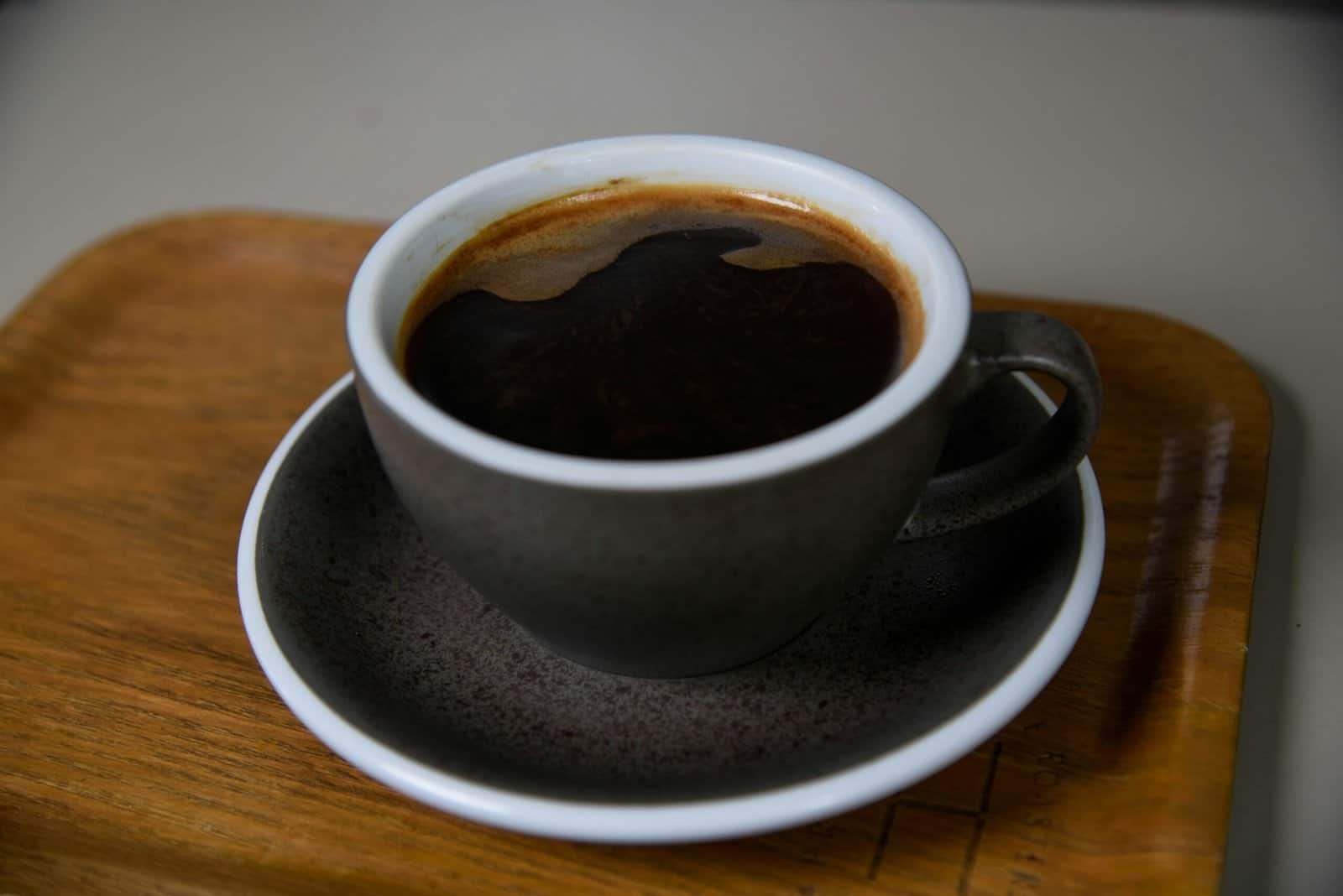
Bitter coffee gets all the attention, but a sharp, sour cup is just as common and just as fixable. When you wonder why your coffee is sour, the cause is under-extraction, meaning the water did not pull enough flavor from the grounds. A grind that is too coarse, water that is too cool, or too short a brew all leave coffee tasting tangy and sharp, and each one is easy to correct. Comparing options? See our best travel coffee mugs roundup.
Key takeaways:
- Sour coffee usually comes from under-extraction, the opposite of bitterness.
- A grind that is too coarse is the most common cause.
- Water that is too cool fails to pull the sweeter flavors.
- Too short a brew stops before the cup balances out.
- Light roasts taste tangier and need more careful extraction.
- A finer grind, hotter water, and a longer brew fix most sourness.
Why Is My Coffee Sour?
A pleasant brightness is part of good coffee, but harsh sourness signals a problem. In almost every case, the cause is under-extraction. The water has not dissolved enough of the grounds to reach a balanced flavor.
Extraction happens in a sequence as water meets coffee. The bright, sour acids come out first, the sweetness and balance next, and the bitter compounds last. Stop too early and you are left with only the sharp, sour front of that arc.
The same variables that cause bitterness control sourness in reverse. Grind size, water temperature, and brew time decide how far extraction goes. Push extraction a little further and the sourness gives way to sweetness.
None of these fixes requires barista skills or fancy gear. A few mindful changes to your routine handle most cases, and the difference in the cup is obvious.
What Under-Extraction Means
Under-extraction is pulling too little from the grounds. Water dissolves flavor in stages, and the sweeter, rounder notes come after the initial sour acids. Stop too soon and the cup tastes sharp and incomplete.
Think of it like a tea bag pulled out after a few seconds. The brew is thin and tart because it never had time to develop. Coffee follows the same path from sour to balanced to bitter.
The trick is stopping at balanced rather than short of it. Under-extraction simply means you stopped too early.
Every fix for sour coffee works by increasing extraction. You either speed how fast the water pulls flavor or give it more time to do so. The sections below cover each lever in turn.
Each one nudges the brew further along that extraction arc. Together they move a sharp cup toward sweetness.
Sour vs Acidic: Good Tang vs Bad Tang
It helps to separate pleasant acidity from a sour fault. Good acidity is a bright, fruity liveliness that many coffees are prized for. Sourness is a harsh, puckering sharpness that signals under-extraction.
A well-extracted light roast can taste bright without tasting sour. The brightness feels clean and balanced, not aggressive. Sourness, by contrast, hits like an unripe lemon and lingers unpleasantly.
If your coffee makes you wince rather than smile, it is likely under-extracted. The fixes below push the cup toward sweetness and balance. Pleasant acidity stays; harsh sourness goes.
Learning to tell the two apart sharpens every adjustment you make. It keeps you from dialing the brightness out of a coffee you actually like.
Your Grind Is Too Coarse
Grind size is the most common reason coffee turns sour. Coarse grounds expose less surface area, so water extracts slowly and incompletely. The brew stops at the sour stage before it balances.
If your coffee is consistently sharp, try a finer grind first. The smaller particles let water extract more fully and bring out sweetness. A quality grinder makes this easy, and our roundup of the best coffee grinders covers consistent options.
Grind consistency matters as much as size, since uneven grounds extract unevenly. A burr grinder produces uniform particles for even extraction. Our guide on grind size and extraction explains the link in depth.
Your Water Is Too Cool
Water temperature drives extraction, and cool water pulls too little. Lukewarm water cannot dissolve the sweeter compounds that balance a cup. The result tastes thin and sour.
Most coffee brews best with water just off the boil rather than well below it. If you brew manually, use water straight from a hot kettle rather than water that has cooled. A variable-temperature kettle keeps this consistent.
With a machine, a failing heating element can brew too cool over time. Descaling helps it reach the right temperature. Hot, clean water extracts the sweetness that tames sourness.
Reach for the kettle the moment it finishes if you brew by hand. Those few extra degrees make a real difference in the cup.
Your Brew Time Is Too Short
Time is the third extraction lever, and a short brew under-extracts. The water needs enough contact to move past the sour acids into sweetness. Cut it short and the cup stays sharp.
In a French press, plunging and pouring too soon leaves the cup sour. Give it a full steep before pressing. A longer steep develops the rounder flavors.
With pour over, water that rushes through too fast under-extracts. A finer grind slows the flow and extends contact time. Our guide to the best pour over makers compares setups that control this.
Sourness by Brew Method
Each brewing method tends toward sourness for its own reasons. Knowing the pattern helps you target the fix. Here is where each one goes wrong.
Espresso
Espresso turns sour when the grind is too coarse or the shot runs too short. A finer grind and a slightly longer extraction usually help. A cool machine also under-extracts.
Pour Over and French Press
These manual methods go sour from a coarse grind or a quick brew. Use a finer grind and give the brew its full time. Hotter water rounds out the flavor.
Drip Machines
Drip brewers can run too cool or pass water through too fast. Descaling and a slightly finer grind often help. A quality machine brews more consistently, as our guide to the best coffee makers shows.
Roast Level and Sourness
Roast level shapes how sour a coffee can taste before you brew. Lighter roasts keep more of the bean’s natural acidity, so they read as tangier. Brewed carelessly, a light roast easily tips into sourness.
Because light roasts are denser, they often need a finer grind and hotter water to extract fully. The same settings that suit a dark roast may under-extract a light one. Adjusting for the roast brings out its sweetness.
If you love light roasts but fight sourness, dial in grind and temperature carefully. A medium roast is more forgiving if you prefer easy brewing. Match your effort to the roast you enjoy.
There is no wrong choice here, only a matter of taste and patience. Some people love chasing a perfect light roast, others want easy mornings.
Water Quality and Sour Coffee
The water you brew with shapes the final taste. Very soft or distilled water can struggle to extract fully, which leaves a cup tasting thin and sharp. Some minerals actually help the water pull flavor.
Clean, moderately mineralized water gives extraction a fair chance. A basic filter that removes chlorine without stripping everything is ideal. The goal is good-tasting water, not the purest possible water.
If your tap water tastes flat or off, your coffee will struggle too. Trying a different water source is an easy experiment. Good water supports every other fix.
It is a variable people change last, yet it sits in every sip. Sorting it out early saves a lot of fiddling later.
Beans and Freshness
Sometimes the brewing is right and the beans deserve a look. Very fresh beans, brewed within a day or two of roasting, can taste sharp as they release gas. Beans rested for several days after roasting often taste rounder.
On the other end, the bean origin and processing shape acidity. Some coffees are naturally bright and need careful extraction to balance. Choosing a smoother coffee is an easy fix if you dislike tang.
Store beans in an airtight container away from light and heat. Grinding just before brewing preserves more flavor and balance. Fresh, well-stored beans respond best to every other adjustment.
How to Fix Sour Coffee
When a cup comes out sour, work through the variables in order. Change one thing at a time so you can tell what worked. A few small tweaks usually solve it.
Start with a finer grind, since it is the most common fix. If that is not enough, make sure your water is hot enough straight from the kettle. Then give the brew a little more time before serving.
If the cup is still sharp, look at your roast and your water. A finer grind, hotter water, and a full brew time pull the sweetness that balances sourness. Adjusting one lever at a time gets you to a balanced cup.
Keep brief notes on what you change and how it tastes. Those notes turn a lucky pot into a repeatable recipe.
Sour vs Bitter: Opposite Fixes
Sour and bitter are opposite problems with opposite solutions. Sour coffee is under-extracted, so you grind finer, brew hotter, or steep longer. Bitter coffee is over-extracted, so you do the reverse.
This is why tasting first matters so much. Pushing extraction on an already bitter cup makes it harsh, and pulling back on a sour cup makes it worse. Our guide on why coffee tastes bitter covers the other direction.
A thin, sharp cup also overlaps with weakness, so check your dose too. Our guide on why coffee tastes weak helps if the cup is both sour and thin. Diagnose the taste, then adjust.
A cup can sit at the overlap of sour and weak, which confuses the fix. Treating extraction first usually clears up both at once.
A Simple Order for Fixing Sour Coffee
When a cup tastes sharp, a set order beats random guessing. Work down the list and change one thing at a time. Most cups balance out within a couple of steps.
Grind a little finer first, since it is the most common fix. Next, make sure your water is hot straight from the kettle, then give the brew more time. If the cup is still sharp, look at the roast and the beans.
Taste after each change rather than adjusting everything at once. That single habit teaches you how your setup behaves. Once you find your settings, the cup stays balanced day to day.
Common Sour Coffee Mistakes to Avoid
A few habits keep coffee sour no matter what else you try. Each is simple to correct.
Grinding Too Coarse
A coarse grind under-extracts and leaves the cup sharp. Grind a little finer to pull more sweetness from the same beans. Match the grind to your brewing method.
Brewing With Cool Water
Water below the right range cannot extract the balancing flavors. Use water straight off the boil for most methods. Hot water is key to taming sourness.
Rushing the Brew
Pouring or pressing too soon stops extraction at the sour stage. Give the brew its full time before serving. A little patience rounds out the cup.
Frequently Asked Questions
Why is my coffee sour?
Sour coffee almost always comes from under-extraction, where water pulls too little from the grounds. A grind that is too coarse, water that is too cool, or too short a brew are the usual causes. A finer grind is the first fix to try.
How do I make my coffee less sour?
Grind a little finer, brew with hotter water, and give the brew more time. These steps push extraction past the sour stage into sweetness. Change one variable at a time to see what helps.
Is sour coffee under-extracted or over-extracted?
Sour coffee is under-extracted, meaning the water did not pull enough flavor. Bitter coffee is the opposite, over-extracted. The fixes for each run in opposite directions.
Why is my espresso sour?
Espresso turns sour when the grind is too coarse or the shot runs too short. Try a finer grind and a slightly longer extraction. A cool machine can also under-extract and add sourness.
Does roast level affect sourness?
Yes, lighter roasts keep more natural acidity and taste tangier. They often need a finer grind and hotter water to extract fully. A medium roast is more forgiving if you want easy brewing.
What is the difference between sour and acidic coffee?
Acidity is a pleasant, bright liveliness, while sourness is a harsh, puckering fault. Good acidity feels clean and balanced. Sourness signals under-extraction and needs correcting.
Can cold water make coffee sour?
Yes, water that is too cool under-extracts and leaves a cup sharp and thin. Use water just off the boil for most methods. Proper temperature pulls the sweetness that balances sourness.
Where can I learn more about brewing better coffee?
The National Coffee Association and Specialty Coffee Association publish guidance on grind, temperature, and extraction.
Related Reading
Explore more: how to descale coffee maker, travel coffee mugs, blade vs burr coffee grinder, manual coffee grinders, and coffee mugs. Also explore: insulated tumblers, and drinking glasses.
