
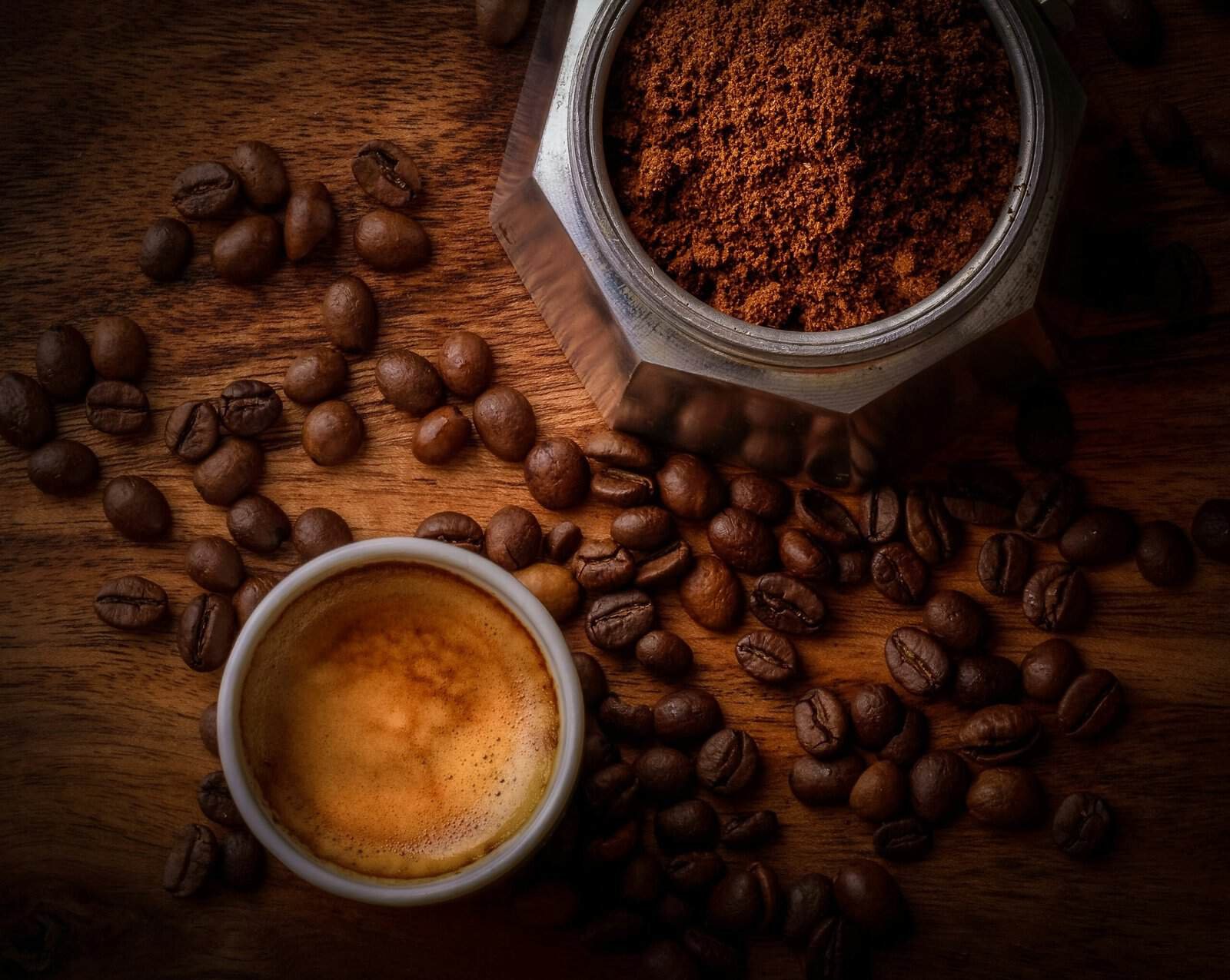
Espresso punishes a weak grinder more than any other brew, since the shot needs a fine, even grind and tiny adjustments to taste right. The best espresso coffee grinders deliver that precision, holding a consistent particle size with low retention so each dose pulls clean. The right one matches your workflow, whether you single-dose, run a hopper, or grind by hand. If you also brew filter coffee, our all-purpose burr grinder picks cover that side. Below are six espresso grinders, from prosumer electrics to precise hand grinders.
Quick verdict:
- Best overall: Eureka Mignon Specialita, quiet, low-retention, prosumer-grade espresso grinding.
- Best single-dose value: DF64 Gen 2, 64mm flat burrs and near-zero retention.
- Best hand grinder: 1Zpresso J-Ultra, electric-level precision with fine micro-steps.
- Best value hand grinder: KINGrinder K6, espresso consistency on a budget.
Disclosure: SmartLifeItems is reader-supported. As an Amazon Associate, we earn from qualifying purchases made through links on this page, at no extra cost to you.
How We Picked the Best Espresso Coffee Grinders
We focused on what espresso demands: fine grind consistency, precise and ideally stepless adjustment, low retention, and a workflow that fits home use. We leaned on widely accepted espresso preparation principles around even particle size and extraction. The notes below come from published specifications and consistent owner reports rather than hands-on testing of every model.
| Your situation | Specialita | DF64 Gen 2 | Sette 270 | Sculptor 064S | J-Ultra |
|---|---|---|---|---|---|
| Want a quiet plug-and-play electric | Best fit | Workable | Skip | Workable | Skip |
| Single-dose, near-zero retention | Workable | Best fit | Best fit | Best fit | Best fit |
| Fast hopper workflow | Best fit | Skip | Best fit | Workable | Skip |
| Premium light-roast clarity | Workable | Best fit | Skip | Best fit | Workable |
| Budget or travel, no electricity | Skip | Skip | Skip | Skip | Best fit |
Grinder prices shift with sales and burr options, so confirm the current cost before you buy.
1. Eureka Mignon Specialita: Best Overall
Why It Stands Out
The Eureka Mignon Specialita is a common entry point into the prosumer espresso world, and for good reason. Its 55mm burrs grind quickly and quietly, with a touchscreen timer that makes dosing effortless. The build quality feels a clear step above entry-level grinders.
Worth Knowing
It holds remarkably little coffee inside, so it suits single dosing as well as hopper use. Stepless adjustment lets you dial espresso in finely. It costs more than beginner grinders, which buys quiet operation, better burrs, and a refined feel.
It suits the home barista who wants a quiet, reliable espresso grinder that just works. Skip it only if you want single-dose flat-burr clarity for light roasts or a much lower price. For most espresso setups, it is the easiest grinder here to recommend. The low retention keeps each shot fresh.
It is the set-and-forget grinder that disappears into your routine in the best way.
2. DF64 Gen 2: Best Single-Dose Value
Why It Stands Out
The DF64 Gen 2 brings 64mm flat burrs to a home price, which is hard to beat for the money. Flat burrs give noticeable clarity and separation, especially on light and medium roasts. It is a single-doser with near-zero retention, so almost nothing is wasted.
Worth Knowing
Stepless adjustment allows very fine espresso control, and newer versions add static-reducing features. Static and clumping can still appear, so many owners use a distribution tool before tamping. The dial can be stiff, and there is a mild learning curve to retention control.
It suits the enthusiast who wants flat-burr quality and single-dose freshness on a budget. Skip it if you want a plug-and-play grinder with no tinkering. For value at the flat-burr tier, it stands out. The clarity on lighter roasts rewards the effort.
It delivers performance that used to cost far more, if you do not mind a little fuss.
3. Baratza Sette 270: Best Fast Workflow
Why It Stands Out
The Baratza Sette 270 made its name with a fast grind and very low retention. It pushes grounds straight through, so little is left behind between doses. For a hopper grinder, it is quick and clean in daily use.
Worth Knowing
It offers macro and micro adjustment for dialing espresso in with precision. It is noisier than many grinders here and has drawn some alignment complaints over the years. Baratza’s strong support and parts availability help offset that.
It suits the barista who wants speed and low waste from a hopper workflow. Skip it if you want the quietest setup or the latest flat-burr clarity. For fast, low-retention espresso, it remains a practical pick. The grind-by-weight version adds one-button dosing.
Its speed and low retention still earn it a place despite its age.
4. Timemore Sculptor 064S: Best Premium Single-Dose
Why It Stands Out
The Timemore Sculptor 064S pushes toward prosumer performance with 64mm flat burrs. Variable grind speed lets you tune the workflow for clarity or speed. The fit and finish feel genuinely premium on the counter.
Worth Knowing
It is a single-doser with low retention, suited to enthusiasts who switch beans often. The flat burrs favor clean, separated flavors that light-roast drinkers chase. It costs more than the DF64, which buys variable RPM and a more polished build.
It suits the serious home barista who wants near-prosumer espresso without commercial size. Skip it if you want the lowest price or a simple hopper grinder. For premium single-dosing, it is a strong choice. The variable speed is a genuine point of difference.
It is the grinder for the enthusiast who treats dialing in as part of the hobby.
5. 1Zpresso J-Ultra: Best Hand Grinder
Why It Stands Out
The 1Zpresso J-Ultra offers particle consistency comparable to electric grinders costing far more. Its external adjustment ring uses fine micro-steps, so dialing in espresso is remarkably precise. It is silent, portable, and retains effectively no coffee.
Worth Knowing
Hand grinding fine espresso takes real effort, so strong, frequent shots mean a workout. The build is excellent and the grind quality is among the best for a manual grinder. It suits one or two shots at a time rather than large batches.
It suits the traveler or the enthusiast who wants top grind quality without an electric price. Skip it if you pull many shots a day and dislike the effort. For manual espresso precision, it leads the field. The micro-step ring makes fine adjustments easy.
It proves a hand grinder can match electrics if you supply the muscle.
6. KINGrinder K6: Best Value Hand Grinder
Why It Stands Out
The KINGrinder K6 brings espresso-capable hand grinding to a budget price. Its numbered external adjustment makes returning to an espresso setting simple. For the money, the grind consistency is genuinely good for shots.
Worth Knowing
It is a manual grinder, so fine espresso grinding takes some arm work. The stepped external dial is easy to track and repeat. It is a far better budget choice than a cheap electric grinder marketed as espresso-capable.
It suits the budget buyer or beginner who wants real espresso grinds without overspending. Skip it if you want electric convenience or grind large volumes. For value in a hand grinder, it is a smart pick. The repeatable dial helps beginners learn to dial in.
It is the honest budget path to espresso, where cheap electrics fall short.
How to Choose an Espresso Grinder
A few details decide whether a grinder can really pull good espresso. Work through these before buying.
Fine, Stepless Adjustment
Espresso lives in a narrow grind window, so you want fine, ideally stepless adjustment to dial it in. Small changes swing the shot from sour to bitter. A grinder that cannot adjust finely will frustrate you.
Low Retention
Retention is how much ground coffee stays trapped inside between doses. Low retention keeps each shot fresh and your dose accurate, which matters more for espresso than any other brew. Single-dosers excel here.
Flat vs Conical Burrs
Flat burrs tend to give clarity and separation that light-roast drinkers prize, while conical burrs give a heavier, classic espresso body. Our conical vs flat burr guide covers the trade-off. Both pull excellent shots with the right beans.
Skip Cheap Electrics, Consider a Hand Grinder
Be wary of sub-$200 electric grinders marketed as espresso-capable, since quality espresso burrs cost more than the whole grinder often does. A good hand grinder gives better espresso consistency for the money. Our manual vs electric comparison weighs the effort against the savings.
Single-Dose vs Hopper Grinders
Workflow is the other big espresso decision beyond burrs. Here is the trade-off.
When Single-Dose Wins
Single-dosers grind exactly the beans you add, with near-zero retention and easy bean switching. They suit enthusiasts who change roasts often and want maximum freshness. The DF64 and Timemore here are single-dosers.
When a Hopper Wins
A hopper holds beans ready to grind, which speeds up back-to-back shots for a busy morning. It trades some retention and freshness for convenience. The Eureka and Sette suit this faster workflow.
Common Espresso Grinder Mistakes to Avoid
A few choices keep people from pulling the shots their machine is capable of. Each is easy to avoid.
Buying a Cheap Electric for Espresso
A budget electric grinder usually cannot grind fine and even enough for real espresso. A hand grinder at the same price grinds far better for shots. Match your spend to espresso’s real demands.
Ignoring Retention
A high-retention grinder mixes stale grounds into each dose and throws off your weight. Low retention keeps espresso fresh and dialed in. Single-dosing solves this almost entirely.
Skipping Distribution
Static and clumping leave an uneven puck that channels no matter how good the grinder is. A quick distribution step before tamping evens the bed. Many flat-burr grinders benefit from this habit.
Forgetting the Rest of the Setup
Even a great grinder needs fresh beans and a capable machine to shine. Pair it with a solid setup, like our best espresso machines under $500. The grinder is one part of the shot, not the whole thing.
Frequently Asked Questions
What is the best espresso grinder in 2026?
The Eureka Mignon Specialita is the best overall for most home setups, with quiet, low-retention, prosumer-grade grinding. For single-dose flat-burr value, the DF64 Gen 2 leads. Hand-grinder fans get electric-level precision from the 1Zpresso J-Ultra.
Do I really need a dedicated espresso grinder?
For good espresso, yes, since the shot needs a fine, consistent grind with precise adjustment that general grinders rarely manage. A grinder built for espresso lets you dial shots in reliably. Filter-focused grinders usually cannot grind fine enough.
Are flat or conical burrs better for espresso?
Flat burrs tend to give clarity and flavor separation that light-roast drinkers prize, while conical burrs give a heavier, classic espresso body. Both pull excellent shots with the right beans. The choice comes down to the flavor profile you prefer.
Can a hand grinder make good espresso?
Yes. Quality hand grinders like the 1Zpresso J-Ultra and KINGrinder K6 produce espresso-grade consistency, often beating cheap electrics for the money. The trade-off is effort, since grinding fine for espresso takes real arm work. They suit one or two shots at a time.
Why is grind retention important for espresso?
Retention is the coffee trapped inside the grinder between doses, and it mixes stale grounds into fresh ones while throwing off your weight. Low retention keeps each shot fresh and accurate. Single-dose grinders nearly eliminate it.
Is a cheap espresso grinder worth it?
A very cheap electric grinder usually cannot grind fine and even enough for true espresso. A hand grinder at the same price is a better path to real shots. Quality espresso burrs simply cost more than a bargain electric allows.
What is single dosing?
Single dosing means grinding exactly the beans you weigh out for one brew, rather than filling a hopper. It keeps coffee fresh, makes switching roasts easy, and pairs with low-retention grinders. Many espresso enthusiasts prefer it for freshness and flexibility.
Where can I learn more about espresso extraction?
The Specialty Coffee Association and the National Coffee Association publish guidance on grind size and extraction.
Recommended read: Brewing more than espresso? See our best burr coffee grinders for all-purpose picks. Pair your grinder with the best espresso machines under $500. New to grinding? Start with how to choose a coffee grinder.
Related Reading
Explore more: espresso tampers, espresso knock boxes, semi vs super automatic espresso, super automatic espresso machine roi analysis, Super-Automatic Espresso Machines for Café Drinks at Home in, and manual coffee grinders. Also explore: olive oil grades explained.
Recommended Reading
See also our guides to salt and pepper grinders.
