
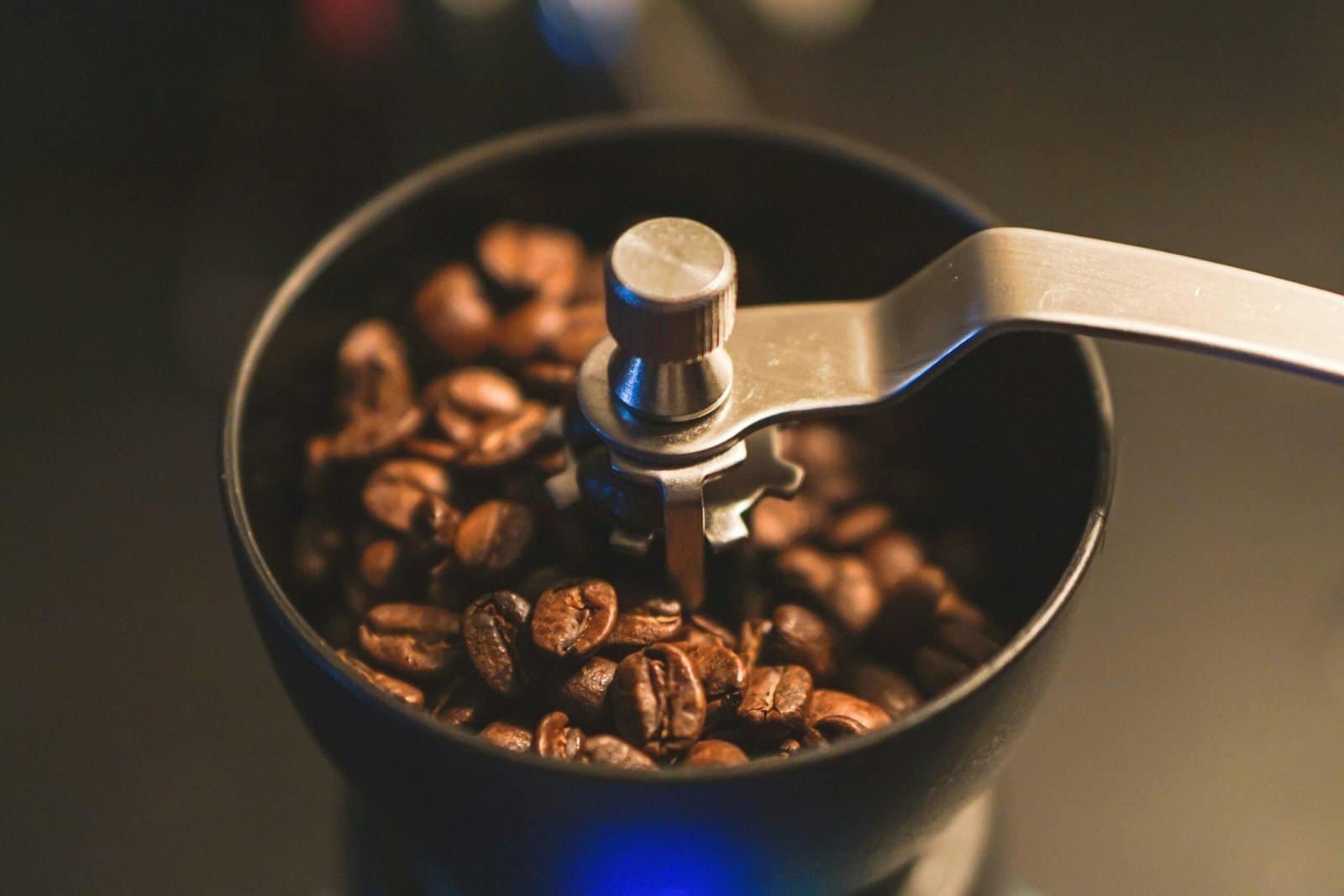
If you’re shopping, start with our guide to the best manual coffee grinders. You want fresh-ground coffee but cannot decide between cranking it by hand or pushing a button. In the manual vs electric coffee grinder choice, both can deliver an excellent, even burr grind, so the real difference is your routine, not the cup. Manual grinders cost less, run silently, and travel well, while electric grinders save effort for daily and multi-cup brewing. If you are still choosing a grinder type at all, our grinder buying guide covers the basics first.
Quick verdict: An electric grinder wins for daily, multi-cup brewing where speed and ease matter. A manual grinder wins on budget, quiet operation, and travel, especially for one or two cups.
Disclosure: SmartLifeItems is reader-supported. As an Amazon Associate, we earn from qualifying purchases made through links on this page, at no extra cost to you.
Why the Manual vs Electric Coffee Grinder Choice Matters
Both types use burrs, so a good one of either kind grinds evenly enough for great coffee. The decision shapes your daily ritual more than the flavor in the cup. Picking the wrong one means a grinder you avoid using.
That makes this a lifestyle choice as much as a coffee one. Match it to how many cups you brew and how much effort you enjoy in the morning.
How Each Grinder Works
The grinding mechanism is similar; the power source is the difference. That single change ripples through speed, noise, and price.
Manual Grinder
A manual grinder uses a hand crank to turn the burrs, so your arm supplies the power. It grinds quietly and needs no outlet, which suits travel and small kitchens. The trade-off is a couple of minutes of effort per batch.
Electric Grinder
An electric grinder spins the burrs with a motor, grinding a dose in seconds at the push of a button. It handles large batches without effort, which fits a busy household. You pay more and add some counter noise in exchange.
Key Differences
Five differences separate these grinders in daily use. Together they decide which fits your mornings.
Effort and Speed
An electric grinder does the work in seconds, while a manual one takes a couple of minutes of cranking. For a single cup the effort is minor, but it grows with batch size. Multiple cups make electric far more appealing. A four-cup pour-over batch by hand can mean five minutes of cranking before you have even boiled water.
Cost
Manual grinders generally cost less for the same grind quality, since there is no motor. A good hand grinder can rival pricier electrics on consistency. Our grinders under $50 roundup shows strong manual options.
Grind Quality
Both use burrs, so both can grind evenly across brew methods. A quality manual grinder often matches a mid-range electric on consistency. The difference is convenience, not the particle size. Where electrics pull ahead is at the very fine espresso end, where some budget hand grinders flex slightly under the load.
Noise
Manual grinders are nearly silent, which suits early risers and shared spaces. Electric grinders make noise for the seconds they run. If a quiet kitchen matters, manual has a clear edge. A hand grinder lets you make coffee at dawn without waking a sleeping house, something no electric can claim.
Portability and Capacity
Manual grinders are compact and need no power, ideal for travel and camping. Electric grinders stay on the counter and handle bigger batches with ease. Your brewing volume and where you brew settle this one. Hand grinders also have no motor to burn out, so they tend to keep working for many years.
Durability and Upkeep
Manual grinders have fewer parts to fail, with no motor that can wear out over time. Electric grinders trade that simplicity for speed, and a quality motor still lasts for years of daily use. Both need their burrs brushed clean to keep grinding evenly.
Manual vs Electric at a Glance
This table sums up the comparison. Confirm current prices before buying.
| Factor | Manual | Electric |
|---|---|---|
| Effort | Hand cranking | Push a button |
| Speed | Slower | Seconds |
| Cost | Lower | Higher |
| Noise | Quiet | Louder |
| Best for | Travel, single cups | Daily, multi-cup |
Which Should You Choose?
The choice comes down to volume, budget, and effort. Here is the quick call.
Choose a Manual Grinder If
You brew one or two cups, want to save money, or value a quiet, portable grinder. The hand crank is a small price for the savings and silence. See our manual coffee grinder picks for strong options.
Choose an Electric Grinder If
You brew daily, make multiple cups, or simply want one-button convenience. The speed and ease pay off every morning. Our burr grinder roundup covers capable electric models.
Match the Grinder to Your Brew
Either way, the grind range still has to fit your method, especially for espresso. Our espresso grinder picks cover both manual and electric espresso options. The right setting finishes what the grinder starts.
Recommended read: Compare real models in our best burr coffee grinders and best manual grinders roundups. New to grinding? Start with how to choose a coffee grinder.
Manual vs Electric in the Real World
A few situations show when each grinder fits. See which sounds like you.
The Busy Multi-Cup Household
A home brewing several cups each morning feels the effort of hand grinding fast. An electric grinder handles the volume in seconds without a workout. This is the clearest case for going electric.
The Single-Cup Minimalist
Someone brewing one careful cup enjoys the ritual and quiet of a hand grinder. The small effort fits the slow pace, and the savings are real. A manual grinder suits this routine well.
The Traveler
A grinder that needs no outlet and packs small is ideal for trips and camping. Manual grinders shine here, where electric ones cannot follow. Fresh coffee comes along anywhere.
The Espresso Beginner
Espresso needs a fine, repeatable grind, which both types can provide with the right model. Hand grinding fine espresso takes effort, so heavy shot pullers may prefer electric. Match the choice to how many shots you pull. A daily double shot is fine by hand; pulling six a day is where an electric earns its keep.
Common Mistakes to Avoid
A few missteps make either grinder less satisfying. Watch for these.
Underestimating Manual Effort
Grinding fine for espresso by hand takes real arm work, more than people expect. Try a coarser brew first if you are unsure about the effort. French press and drip grind quickly, while espresso is where the cranking adds up.
Overpaying for Features You Skip
Some electric grinders charge for timers and displays you may never use. Pay for grind quality and range first, not extras.
Ignoring Capacity
A small manual grinder slows down a multi-cup morning. Match the grinder’s batch size to how much you actually brew. A grinder sized for one cup turns a family breakfast into a slow, repetitive task.
Frequently Asked Questions
Is a manual or electric coffee grinder better?
Both grind evenly with burrs, so it comes down to your routine. Manual grinders cost less, run quietly, and travel well, while electric grinders save effort for daily and multi-cup brewing. Pick the one that fits your mornings.
Do manual grinders grind as well as electric?
Yes, a quality manual burr grinder often matches or beats a mid-range electric on consistency. The grind quality comes from the burrs, not the power source. The real difference is speed and effort, not the particle size.
Are manual grinders good for espresso?
They can be, since quality hand grinders reach the fine, consistent grind espresso needs. The catch is effort, because grinding fine by hand takes real work. Frequent shot pullers may prefer an electric espresso grinder.
Why are manual grinders cheaper?
Manual grinders skip the motor and electronics, so you pay mainly for the burrs and body. That lets a hand grinder match pricier electrics on grind quality for less. The savings come at the cost of effort and speed.
How long does hand grinding take?
A single cup takes a couple of minutes of cranking, and finer grinds for espresso take longer. The effort grows with batch size, so multi-cup brewing gets tiring. For one or two cups it is quick and manageable. Many people find the short ritual a pleasant part of waking up rather than a chore.
Where can I learn more about coffee grinding?
The Specialty Coffee Association and the National Coffee Association publish guidance on grinding and brewing.
Related Reading
Explore more: electric wine openers, why is my coffee weak, why is my coffee sour, electric can openers, why is my coffee bitter, descale electric kettle, conical vs flat burr grinder, and how to clean coffee grinder. Also explore: steam mops, and indoor grills.
Recommended Reading
See also our guides to manual can openers, manual juicers, and how to clean coffee grinder.
