
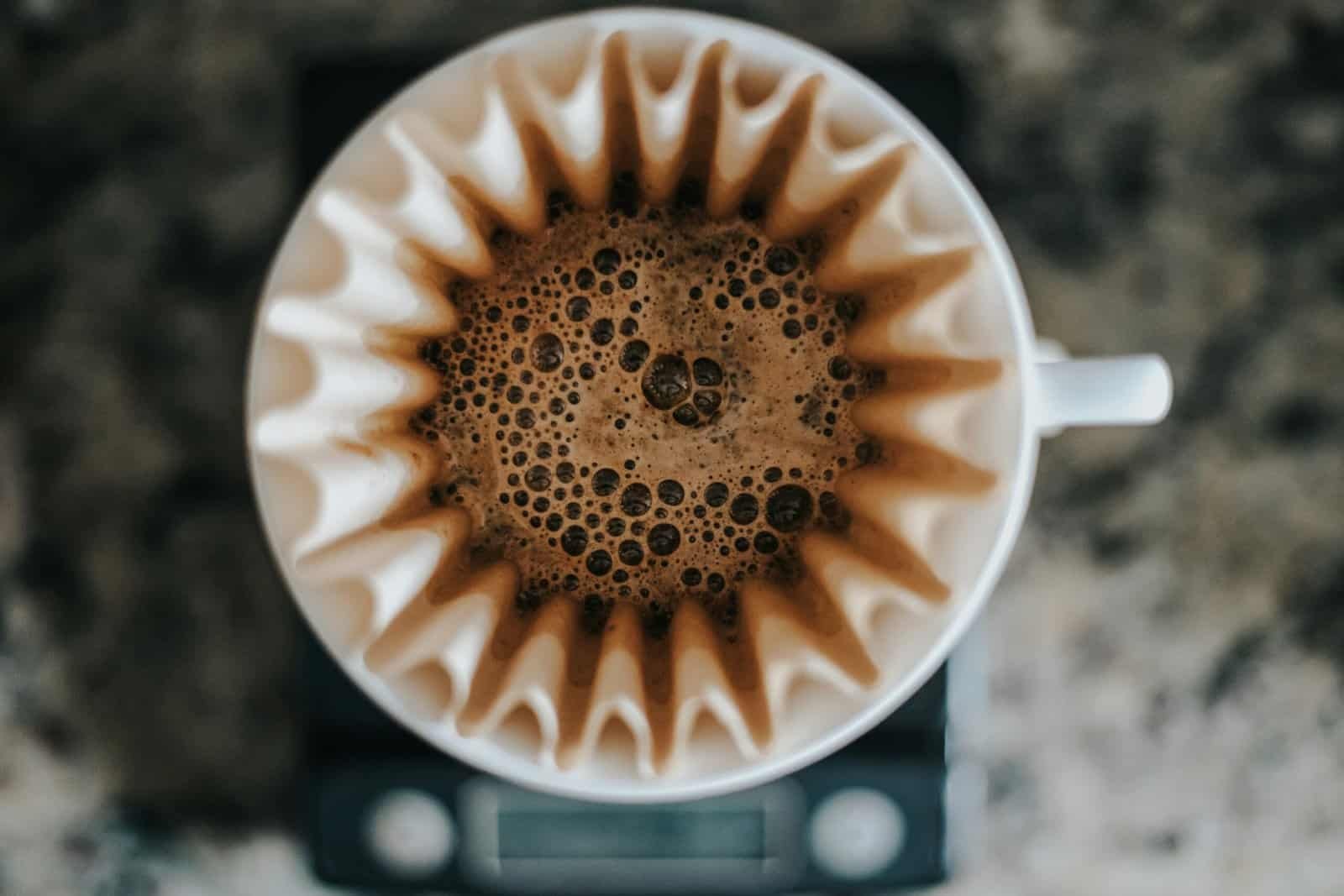
A coffee filter decides how much oil and fine sediment reaches your cup, and that single variable changes the taste more than most people expect. Paper traps the oils that carry body and some bitterness; metal lets them through. Neither is better, and choosing between them is a preference you can only settle by tasting both. Our comparison of paper and metal filters works through the difference in detail.
Quick Verdict
Bleached paper cones suit pour over and drip brewing and produce the cleanest cup. A reusable metal basket saves money and gives more body at the cost of some sediment. Cloth sits between the two and asks the most of you in upkeep.
Key Takeaways
- Paper removes oils; metal lets them through.
- Filter shape must match your brewer, not just the size number.
- Unbleached paper needs rinsing or it adds a papery taste.
- Reusable filters pay back quickly and need real cleaning.
- Grind size matters more with metal than with paper.
How We Picked
Filters are grouped by material and by the brewer they fit, because those two things determine both the taste and whether the product is usable at all. Cleaning burden is treated as a real cost, since a reusable filter that is annoying to wash ends up unused in a drawer.
Descriptions come from how each material behaves during extraction rather than from brewing with a particular product.
1. Bleached Paper Cone Filters, Best Overall
Why It Stands Out
Paper cones produce the cleanest cup available, trapping oils and fine particles so the result is bright and free of sediment. For pour over and most drip machines, this is the default for good reason.
Bleached paper also needs no rinsing to avoid a papery taste, which removes a step that unbleached filters require. Thickness varies between brands, and a heavier paper slows the flow slightly, which matters if your recipe was dialed in on something thinner.
Worth Knowing
Cone sizes are not interchangeable, and a number on the box refers to a specific brewer capacity rather than a universal measurement. Check what your brewer takes before buying in bulk.
Modern bleaching uses oxygen rather than chlorine, so the environmental argument against bleached paper is weaker than it was. The ongoing cost is the real drawback, since these are consumed with every brew. Our roundup of pour over coffee makers covers the brewers these fit.
This suits pour over and drip brewing. Skip it if you want body and oils in the cup.
2. A Reusable Metal Basket Filter, Best Value
Why It Stands Out
A fine mesh basket replaces paper entirely and pays for itself within months for anyone brewing daily. It also lets the oils through, which gives a fuller body that many people prefer once they have tried it.
There is nothing to run out of, which is the practical advantage that gets overlooked.
Worth Knowing
Metal passes fine particles as well as oils, so the cup carries some sediment and the last mouthful can be gritty. A coarser grind reduces that considerably, and grind size matters more here than with paper. Mesh gauge varies between products too, and a finer weave passes less sediment at the cost of slowing the flow through the bed.
The mesh needs proper cleaning rather than a rinse, since coffee oils build up and go rancid. Our note on bitter coffee covers what stale residue does to taste.
This suits daily drip brewing. Skip it if sediment bothers you.
3. Unbleached Paper Filters, Best for Bulk Buying
Why It Stands Out
Natural brown paper filters cost less than bleached ones and go through less processing, which appeals to anyone weighing that. Performance during extraction is essentially the same.
They are also widely available in bulk, which suits a household getting through a filter or more per day.
Worth Knowing
These need rinsing with hot water before brewing or they contribute a distinctly papery taste to the first cup. That is a real step rather than an optional refinement, and skipping it is why some people conclude paper filters taste bad.
Rinsing also preheats the brewer, which is worth doing regardless. Our guide to grind size and extraction covers the other variables in the same brew.
This suits bulk buyers who will rinse. Skip it if you want to skip steps in the morning.
4. A Cloth Filter, Best Middle Ground
Why It Stands Out
Cloth traps more sediment than metal while letting through more oil than paper, which lands between the two and suits anyone who finds paper too clean and metal too gritty. It also softens over time as the weave loosens, so an old cloth brews differently from a new one.
It is also reusable, so it carries the cost advantage of metal without the sediment.
Worth Knowing
Upkeep is the highest in this category. Cloth must be rinsed immediately, stored wet in the fridge or dried completely, and it eventually stains and needs replacing. Left damp at room temperature it develops mold.
That maintenance is why cloth has a devoted following and a small one.
This suits anyone who enjoys the ritual. Skip it if the routine sounds like a chore.
5. Flat-Bottom Basket Filters, Best for Drip Machines
Why It Stands Out
Many drip machines take a flat-bottomed basket rather than a cone, and the shape changes how water moves through the bed. Using the correct shape gives a more even extraction than forcing a cone into a basket holder.
Flat beds also tolerate slightly uneven pouring, which suits an automatic machine rather than a careful hand.
Worth Knowing
Basket diameter varies between machines, and a filter that is too large folds inward and channels water down the side. Match it to the brewer rather than buying a generic size.
Deeper baskets suit larger brews, so a filter sized for a small machine will overflow in a big one. Our guide to choosing a coffee maker covers which brewers take which shape. Pod machines have their own version of the same choice, and refillable pods for single serve machines covers the ones that seal properly.
This suits automatic drip machines. Skip it for cone brewers.
6. A Reusable Cone Filter, Best for Pour Over Without Paper
Why It Stands Out
Metal or plastic cone inserts fit pour over brewers directly, giving the same body advantage as a basket filter to people who brew by hand.
Some designs use laser-cut holes rather than woven mesh, which passes fewer fines and reduces the sediment that puts people off metal.
Worth Knowing
Pour technique matters more without paper, since there is less resistance slowing the water. Pouring too fast runs straight through and produces a weak cup.
Fit is brewer-specific, and a cone that sits loosely in the dripper lets water bypass the coffee entirely. Our note on weak coffee covers what that looks like in the cup.
This suits pour over drinkers who want more body. Skip it if you value a clean cup above all.
Coffee Filters at a Glance
| Type | Oils | Sediment | Upkeep |
|---|---|---|---|
| Bleached paper cone | Removed | None | Discard |
| Metal basket | Passed through | Some | Wash thoroughly |
| Unbleached paper | Removed | None | Rinse before use |
| Cloth | Mostly passed | Very little | Highest |
| Flat-bottom basket paper | Removed | None | Discard |
| Reusable cone | Passed through | Some | Wash thoroughly |
How to Choose a Coffee Filter
What shape does your brewer take?
Cone and flat-bottom are not interchangeable, and forcing the wrong shape causes channelling down the side. This is the first thing to establish and the one most likely to make a filter unusable.
Do you want body or clarity?
Paper gives a clean bright cup; metal gives more weight and texture. Neither is correct, and the only way to settle it is brewing the same coffee both ways.
How often do you brew?
A daily drinker recovers the cost of a reusable filter quickly. Occasional brewing makes paper the simpler answer with no cleaning obligation.
Will you actually clean it?
Reusable filters need more than a rinse, since coffee oils build up in mesh and turn rancid. If that will not happen consistently, paper is the honest choice.
Paper vs Metal
The case for paper
Clarity and convenience. It removes oils and fines completely, produces a cup with no sediment, and there is nothing to wash. The trade is an ongoing cost and the waste that goes with it.
The case for metal
Body and economics. Oils reach the cup and give a fuller texture, and the filter pays for itself. The trade is sediment and a real cleaning obligation. Our roundup of burr grinders matters here, since even grind size does more to control sediment with metal than with paper.
Common Filter Mistakes to Avoid
Not rinsing unbleached paper
The papery taste is real and it lands entirely in the first cup. A few seconds of hot water removes it and preheats the brewer at the same time.
Using the wrong size
A filter too large folds inward and lets water run down the side, bypassing the coffee. The result is weak and it looks like a grind problem.
Rinsing a metal filter instead of washing it
Oils stay in the mesh and go rancid, which taints every subsequent brew. Periodic washing with detergent or a soak is what keeps it neutral.
Blaming the filter for extraction problems
Grind size, water temperature, and ratio account for most taste complaints. The filter changes body and clarity rather than strength. Our guide to burnt-tasting coffee covers the more common causes.
Recommended Reading
See our roundup of coffee scales, notes on storing beans, our gooseneck kettle picks, and a guide to cleaning a grinder, and choosing the right coffee grinder.
Coffee Filter FAQ
Do paper filters change the taste of coffee?
Yes. Paper traps the oils that carry body and some bitterness, producing a cleaner, brighter cup with no sediment. Metal lets those oils through, which gives more weight and texture. The same coffee brewed through each tastes noticeably different.
Should I rinse coffee filters before brewing?
Unbleached paper, yes, or the first cup carries a papery taste. Bleached paper generally does not need it. Rinsing also preheats the brewer and dripper, which is worth doing either way and costs a few seconds.
Are reusable filters worth it?
For daily brewing, yes on cost alone, and many people prefer the fuller body. The obligation is proper cleaning rather than rinsing, since coffee oils build up in mesh and go rancid, tainting later brews.
What size coffee filter do I need?
Whatever your brewer specifies, since numbered sizes refer to brewer capacity rather than a universal measurement. A filter that is too large folds inward and lets water bypass the coffee bed down the side.
Why is there sediment in my cup with a metal filter?
Metal passes fine particles that paper traps, which is inherent to the material. A coarser grind reduces it substantially, and grinders that produce fewer fines help more than changing filters does.
Can I use a cone filter in a flat-bottom basket?
Not well. The shape mismatch causes uneven water flow and channelling, which extracts poorly. Match the filter shape to the brewer rather than folding a cone to fit.
How do I clean a reusable coffee filter?
Rinse immediately after each brew, then wash properly with detergent every so often, or soak in a solution designed for coffee equipment. Oils are invisible and accumulate, and a filter that smells stale is already affecting the cup.
Is bleached or unbleached paper better?
Performance is essentially identical during extraction. Bleached needs no rinsing; unbleached costs slightly less and requires it. Modern bleaching uses oxygen rather than chlorine, so the environmental gap is smaller than it once was.
