
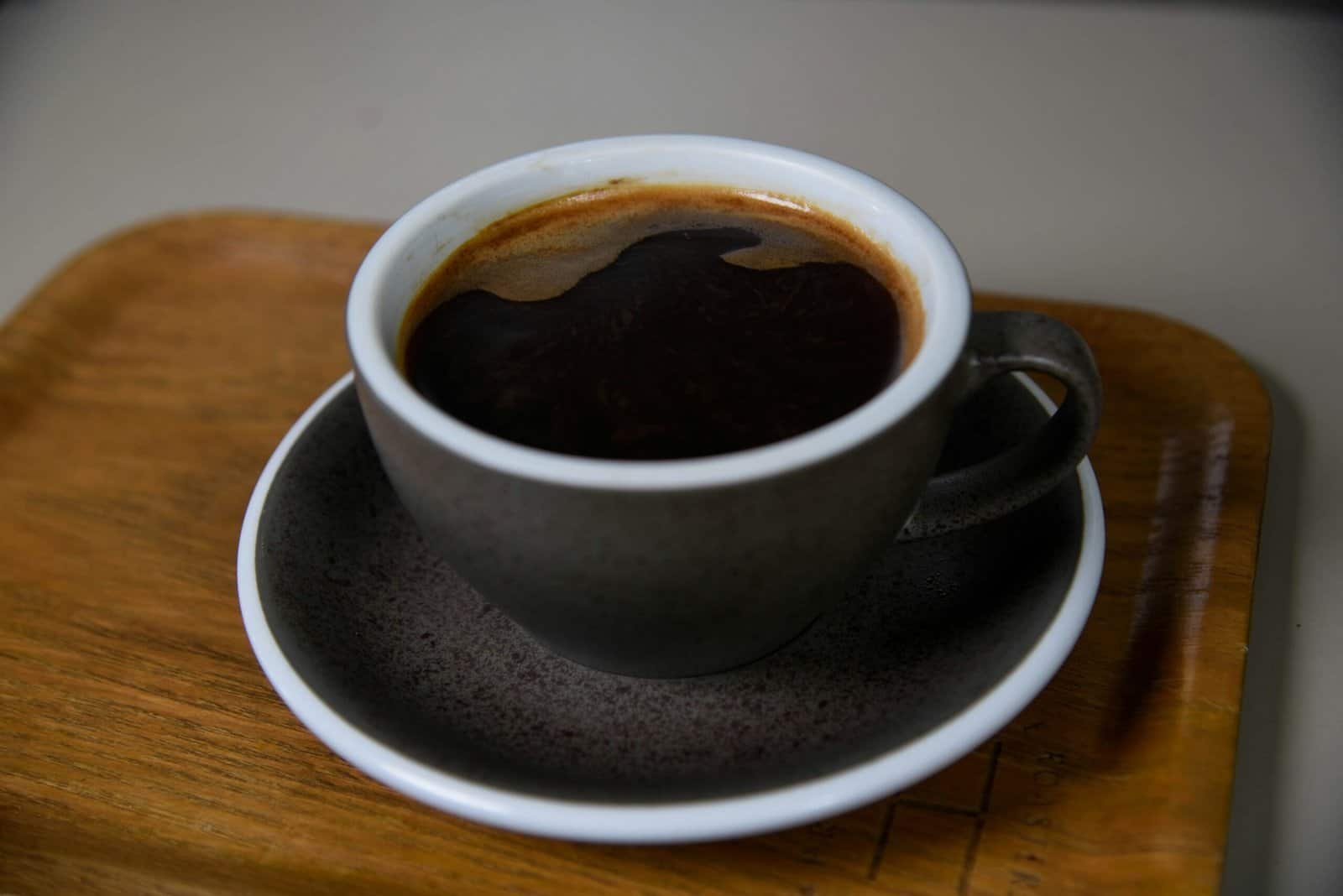
Burnt coffee comes from heat rather than from the beans. Water above the correct brewing range, a hot plate cooking a finished pot, or a machine holding coffee at temperature for an hour all produce the same scorched, ashy flavor. Dark roasts contribute, and they are rarely the whole story on their own.
Burnt and bitter get used interchangeably and describe different faults. Bitter comes from over-extraction, meaning water pulled too much from the grounds. Burnt comes from heat damage, either during roasting or after brewing. Telling them apart points you at the right fix.
What Burnt Actually Tastes Like
Burnt coffee reads as ashy, smoky, and flat, with a dry finish that lingers unpleasantly. There is little sweetness and no fruit or acidity underneath. Some people describe it as tasting of charcoal or of the smell of a cigarette ashtray.
Bitter coffee is different. It is harsh and drying, and it carries some sweetness underneath or brightness rather than pure harshness. Bitter comes from brewing choices, and it is covered separately in why coffee turns bitter.
If your coffee tastes flat and smoky rather than harsh and sharp, heat is the direction to investigate.
Your Water Is Too Hot
Coffee brews well in a fairly narrow band, roughly between 195 and 205 degrees Fahrenheit. Water straight off a rolling boil sits above that and scalds the grounds on contact, which produces scorched flavors before extraction has properly started.
Waiting thirty seconds after the kettle boils drops the temperature into range without any measuring. For pour-over and french press, that pause is the single cheapest improvement available. A gooseneck kettle with temperature control removes the guesswork if you brew manually every day.
Drip machines heat water internally and most sit within range. Cheap machines run hot and some run cool. If a machine consistently produces scorched coffee at a grind and dose that work elsewhere, the brew temperature is a reasonable suspect.
The Hot Plate Is Cooking Your Coffee
This is the most common cause in households using a standard drip machine. A carafe sitting on a warming plate keeps cooking, and coffee keeps changing for as long as heat is applied. Within twenty minutes it tastes clearly worse, and within an hour it tastes burnt regardless of how well it brewed.
Pour the coffee into an insulated container as soon as brewing finishes. A thermal carafe holds temperature without applying heat, which preserves the flavor the brew produced instead of degrading it.
Machines with a thermal carafe rather than a hot plate avoid the problem entirely, which is worth weighing when choosing one, as covered in coffee maker selection.
Your Beans Are Roasted Too Dark
Very dark roasts push beans close to the point where roasting flavors dominate the coffee’s own character. Oily surfaces, a shiny appearance, and a smoky smell in the bag are all signs the roast went far.
At that level the burnt note is in the bean rather than in your technique. No brewing adjustment recovers it, because the flavor was created during roasting. Moving to a medium roast is the fix, and the difference is immediate.
Roast level also affects everything downstream. Dark roasts grind finer at the same setting, extract faster, and tolerate less heat before turning harsh, so switching roasts usually means adjusting the grind alongside it.
Old Coffee Oils in the Machine
Coffee oils build up inside brewers, grinders, and carafes, and they go rancid. Rancid oil tastes stale and scorched, and it transfers into every subsequent brew regardless of how fresh the beans are.
Descaling addresses mineral scale rather than oil, so a machine that has been descaled can still be coated in old residue. Cleaning the brew basket, the carafe, and the shower head with a coffee-specific cleaner is a separate job, and the routine is covered in descaling and cleaning a coffee maker.
Grinders hold oil in the burr chamber and the chute. A grinder that has never been cleaned adds rancid notes to fresh beans within seconds of grinding, and the fix is covered in cleaning a grinder.
Brewing Too Long at Temperature
Extended contact between water and grounds pulls harsh compounds late in the extraction, and heat accelerates it. A french press left to steep for fifteen minutes, or a percolator recirculating for ten, both produce scorched flavor that brewing time alone explains.
French press wants around four minutes, then a plunge and an immediate pour into another vessel. Leaving coffee sitting on the grounds after plunging continues extracting and continues degrading.
Percolators are the worst offender, since they cycle water through the grounds repeatedly at near-boiling temperature. Watching one and pulling it off the heat at the right moment is part of using it correctly.
Water Quality and Scale
Hard water leaves mineral scale inside a machine, and scale insulates the heating element so it works harder to reach temperature. On some machines that produces overshoot, where water arrives hotter than the design intends and scorches the grounds.
Scale also traps old coffee residue in a rough surface that is harder to flush than clean metal. A machine that has never been descaled carries both problems at once, and descaling addresses the mineral half.
Filtered water helps at both ends. It slows scale formation and it removes chlorine, which produces its own off flavors that people sometimes read as burnt. Neither fixes a hot plate, and both make a clean machine stay clean longer.
Burnt Taste by Brew Method
Drip machines
The hot plate is the first thing to check, followed by internal cleanliness. Most drip machines brew within a reasonable temperature range, and what happens after brewing does the damage.
French press
Water off a full boil and steeping too long are the two causes. Pour the coffee off the grounds immediately after plunging rather than leaving it in the press.
Espresso
Group head temperature and dark oily beans cause most of it. Burnt espresso from a machine that used to taste fine often traces to a filthy shower screen or a basket clogged with old oil.
Percolator
Over-cycling at high temperature is built into the design, so the discipline is watching the time rather than adjusting equipment.
How to Fix Burnt Coffee
Work through these in order.
Stop using the hot plate and decant into an insulated carafe as soon as brewing ends. Wait thirty seconds after the kettle boils before pouring. Clean the machine and the grinder with a coffee-specific cleaner rather than only descaling. Check whether your beans are dark and oily, and try a medium roast. Shorten the steep or the brew cycle if you are using a press or a percolator.
Most burnt coffee resolves at the first two steps, since heat after brewing does more damage than most people expect.
Does Reheating Coffee Make It Taste Burnt?
Yes, and microwaving is the worst version. Reheating drives off the volatile aromatic compounds that give coffee its pleasant character while concentrating the harsh ones that remain. What comes out tastes flat and scorched even though nothing was burnt during brewing.
An insulated carafe avoids the question by keeping coffee hot rather than making it hot again. Brewing smaller amounts more often also works, and it produces better coffee than any reheating method.
A Quick Troubleshooting Order
Take the carafe off the hot plate. Let boiled water rest thirty seconds. Clean the brewer and the grinder. Check the roast level and the oiliness of the beans. Shorten steeping or cycling time. Stop reheating and brew fresh instead.
If burnt flavor survives all six, the beans themselves are roasted past what brewing can recover, and the answer is a different bag rather than a different technique.
Burnt Versus Over-Extracted
Burnt tastes ashy, smoky, and flat, with no sweetness underneath. It comes from heat, either during roasting or after brewing. Over-extracted tastes harsh and drying but retains some sweetness or brightness, and it comes from brewing too long or grinding too fine.
The distinction matters because the fixes point in opposite directions. Burnt is solved by reducing heat and exposure. Over-extraction is solved by coarsening the grind or shortening the brew, and grind size and extraction covers that side.
Related Reading
- bitter coffee and over-extraction
- weak coffee and under-extraction
- kettles with temperature control
- keeping beans out of heat and light
- presses and steeping control
- machines with thermal carafes
Frequently Asked Questions
What temperature should coffee be brewed at?
Roughly 195 to 205 degrees Fahrenheit. Water straight off a rolling boil sits above that and scorches the grounds, and waiting about thirty seconds after the kettle switches off drops it into range.
Why does coffee taste burnt after sitting on the warmer?
Because it keeps cooking. A hot plate applies continuous heat, and coffee changes the whole time it sits there. Twenty minutes is enough to notice, and an hour produces a clearly burnt cup.
Is burnt coffee the same as bitter coffee?
No. Burnt is ashy and flat and comes from heat. Bitter is harsh and drying and comes from over-extraction. They have different causes and different fixes, so identifying which one you have matters.
Can dark roast coffee taste burnt on its own?
Yes. Very dark roasts carry roasting flavors that read as burnt regardless of technique, and oily shiny beans are the visual signal. No brewing adjustment removes it, so a lighter roast is the answer.
Does a dirty coffee maker cause burnt flavor?
It can. Coffee oils build up and go rancid, producing stale scorched notes in every brew. Descaling handles minerals rather than oils, so a separate cleaning with a coffee cleaner is needed.
Is it bad to reheat coffee?
It degrades the flavor, and microwaving is the harshest version. The aromatic compounds evaporate while harsher ones concentrate, which is why reheated coffee tastes flat and scorched.
Grinder choice sits upstream of most coffee faults. choosing a coffee grinder covers the equipment side.
