
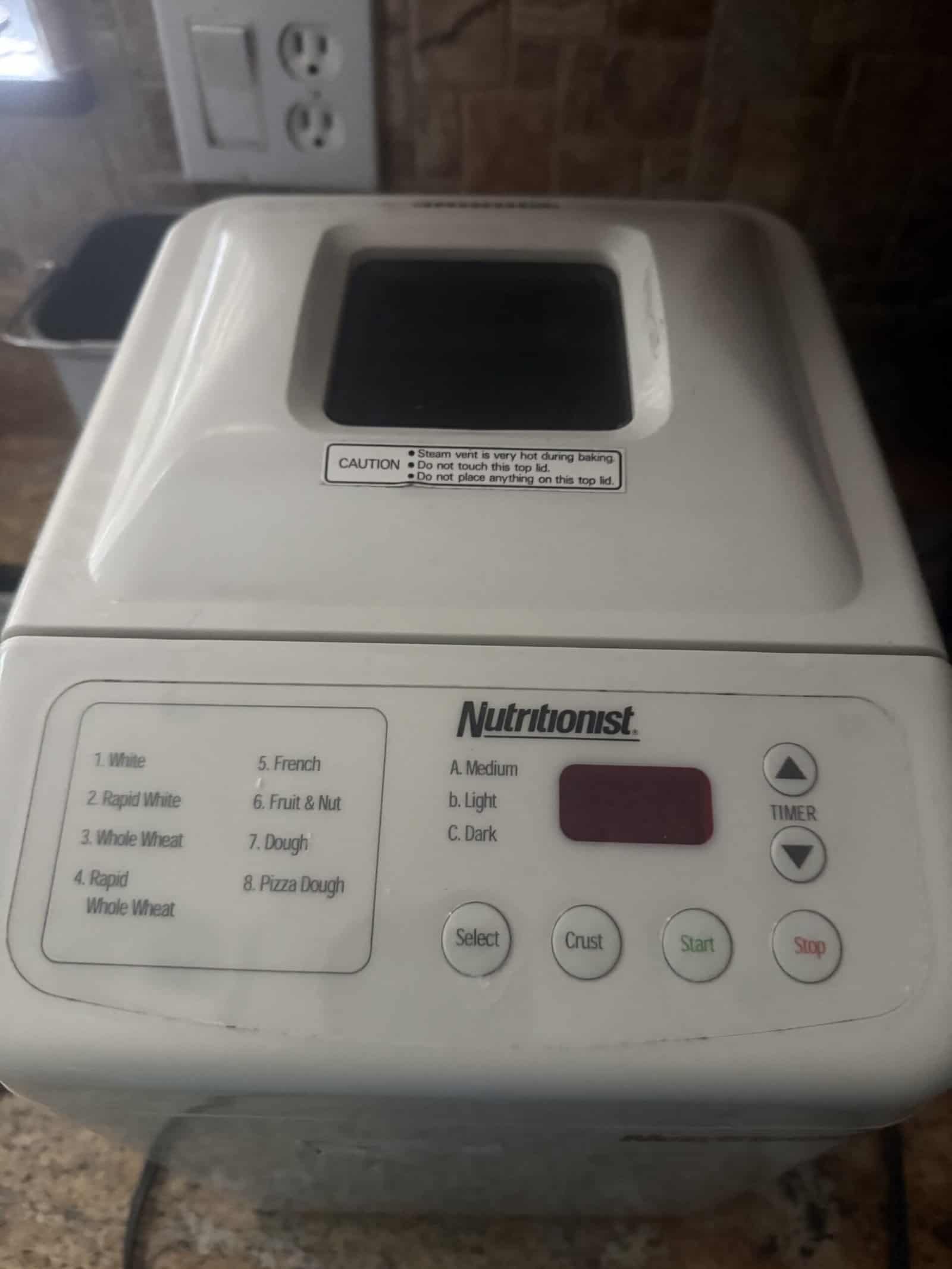
Mix-ins are what separate a machine that turns out plain white bread from one that produces something you actually look forward to eating. The real constraint here is timing rather than the ingredients themselves, and the machine tells you exactly when.
Mine beeps partway through the knead cycle and that is exactly when I add the jalapeño and cheese, which is the only combination I have made so far. The beep exists precisely because adding things right at the start produces a noticeably different and usually much worse result. Our roundup of bread machines covers machines with that feature.
Categories at a Glance
| Mix-in | When to add | Watch for |
|---|---|---|
| Shredded cheese | At the beep | Melts into dough if added early |
| Diced peppers | At the beep | Wet peppers add liquid |
| Dried fruit | At the beep | Gets shredded by early kneading |
| Nuts and seeds | At the beep | Break into pieces if added early |
| Herbs and spices | At the start | Distribute better through full kneading |
| Olives and wet ingredients | At the beep, drained | Brine throws off hydration |
How We Picked
Selections are grouped by ingredient behavior during kneading and baking, since that determines when they go in and whether they survive the cycle intact.
Descriptions come from documented product characteristics alongside my own use of the mix-in beep for jalapeño and cheese.
1. Shredded Cheese, Best Overall
Why It Stands Out
Cheese adds fat, salt, and flavor, and pockets of it through the crumb change the loaf more than almost anything else you can add.
Jalapeño and cheese is what I make, and that combination works because the cheese carries the heat through the crumb rather than sitting beside it.
Worth Knowing
Harder aged cheeses hold their shape better than soft ones, which melt into the dough and disappear.
Added at the start it becomes part of the dough rather than pockets in it. Our note on making jalapeño cheese bread covers that loaf.
This suits almost any savory loaf. Skip it if you want a plain sandwich crumb.
2. Jarred Jalapeños, Best for Savory Loaves
Why It Stands Out
Consistent heat, already diced, and available year round without any prep beyond draining.
This is the other half of what I add at the beep, and jarred works better than fresh for a machine because the heat level is predictable.
Worth Knowing
Drain them properly, since brine adds liquid the recipe did not account for.
Heat varies between brands more than the label suggests. Our note on adding mix-ins covers the technique.
This suits savory bread. Skip it if anyone eating it dislikes heat.
3. Dried Fruit, Best for Sweet Loaves
Why It Stands Out
Raisins, cranberries, and chopped apricots turn a basic sweet dough into something closer to a tea loaf without any change to the base recipe.
They also hold moisture, which helps a sweet loaf keep a day longer.
Worth Knowing
Kneading shreds dried fruit into paste if it goes in at the start.
Very dry fruit draws moisture out of the dough. Our roundup of machines with dispensers covers automatic adding.
This suits breakfast breads. Skip it in a savory loaf.
4. Nuts and Seeds, Best for Texture
Why It Stands Out
Walnuts, pecans, sunflower seeds, and pumpkin seeds add bite to a crumb that is otherwise uniform.
They work in both sweet and savory loaves, which few mix-ins manage.
Worth Knowing
Early addition breaks them into fragments, so the beep matters more here than with soft ingredients.
Toasting first deepens the flavor considerably. Our roundup of machines for whole wheat covers heartier loaves.
This suits texture in any loaf. Skip it where allergies are a concern.
5. Dried Herbs and Seasoning Blends, Best Added Early
Why It Stands Out
Rosemary, garlic, oregano, and everything-bagel blends flavor the whole crumb rather than sitting in pockets.
These are the exception to the beep rule, since full kneading distributes them evenly.
Worth Knowing
Some seasoning blends contain a lot of salt, which affects yeast.
Dried herbs are stronger than fresh by volume. Our note on using a bread machine covers ingredient order.
This suits flavoring throughout. Skip the beep entirely for these.
6. Olives and Sun-Dried Tomatoes, Best for Mediterranean Loaves
Why It Stands Out
Strong savory flavor that survives baking, and both pair naturally with olive oil doughs.
They turn a plain white loaf into something that works alongside a meal rather than as sandwich bread.
Worth Knowing
Both are packed in liquid or oil, and draining is not optional.
Oil-packed tomatoes add fat that changes the crumb. Our roundup of machines for sandwich loaves covers the plain version.
This suits dinner bread. Skip it for anything sweet.
Why the Beep Exists
A bread machine kneads for a sustained period of time, and that kneading is aggressive enough to destroy almost anything soft or fragile that goes in with it.
Dried fruit turns to paste, nuts fragment, and cheese incorporates into the dough rather than staying as pockets.
The mix-in signal sounds near the end of the kneading stage, which leaves just enough time to distribute your additions evenly without pulverizing them.
Mine beeps during the knead and that is when the jalapeño and cheese go in, which is the entire reason the loaf has recognizable pieces in it rather than being uniformly flavored.
Machines with automatic dispensers do the same thing without you being present, which matters if you use delay start. Our note on whether you need the mix-in beep covers the feature.
Wet Ingredients Change the Recipe
Drain everything properly
Brine and packing oil are liquid the recipe did not plan for.
Pat down if very wet
Surface moisture still transfers into the dough.
Reduce liquid slightly for wet additions
A small reduction prevents a slack dough.
Watch the first loaf
Dough should form a smooth ball rather than spreading.
Fresh Versus Jarred and Dried
The same ingredient behaves differently depending on how it arrives, and that difference matters more in a machine than in hand baking.
Fresh peppers carry considerably more water than jarred ones, and that water goes into the dough during a long cycle rather than evaporating the way it would in an open pan.
Jarred works better in a machine for exactly that reason, and it is what I use, since the heat level is also consistent between jars in a way fresh peppers are not between individual peppers.
Fresh herbs have the same problem in reverse. They are mostly water, so a quantity that looks right delivers far less flavor than the dried equivalent.
Dried and jarred ingredients are the safer default in a bread machine, and fresh is worth using only when you are willing to adjust the liquid to compensate. Our note on measuring flour covers hydration balance.
How Much Is Too Much
Mix-ins interrupt the gluten network as it develops, and enough of them will prevent the dough from holding its structure at all.
Most machine manuals suggest a limit by volume for a standard loaf, and exceeding it produces a heavy loaf that struggles to rise.
Heavy additions also weigh the dough down physically, which compounds the structural problem.
Starting conservatively on a new combination and increasing on the second loaf is more reliable than guessing generously the first time.
A loaf that comes out dense after adding a lot of something is usually telling you about quantity rather than about the machine. Our note on why a loaf comes out dense covers the other causes.
Mix-Ins Change How Long a Loaf Keeps
Homemade bread has no preservatives, and mix-ins can shorten its life further depending on what they are.
Cheese and other fresh dairy additions are the clearest example, since a loaf carrying them behaves more like a perishable food than a plain white loaf does.
Moist additions like fruit and drained peppers raise the water content of the crumb, and higher moisture means mold appears sooner.
Nuts, seeds, and dried herbs do the opposite and change very little, which makes them the safer choice for a loaf you expect to last several days.
Planning to eat a cheese loaf faster than a plain one is the practical answer, and freezing half of it on the day you bake is the other. Our roundup of bread boxes covers storage.
What to Look For
Ingredients that actually survive kneading
Firm holds up, soft disappears into the dough.
Low moisture, or drainable
Added liquid is the most common problem.
Pieces sized to suit a crumb
Large chunks create weak spots in the loaf.
Flavors that suit the base dough
Sweet doughs and savory doughs are different starting points.
Common Mistakes to Avoid
Adding everything at the start
Kneading shreds fruit, fragments nuts, and melts cheese into the dough.
Not draining wet ingredients
Brine and packing oil are unaccounted liquid that slackens the dough.
Overloading the whole loaf
Mix-ins interrupt gluten, and too many prevent the dough holding structure.
Adding dried herbs at the beep
Those are the exception. They want full kneading to distribute evenly.
Recommended Reading
See our note on making cinnamon rolls in a bread machine, our roundup of pans and paddles, our note on dough cycle then oven baking, and a roundup of bread knives.
Bread Machine Mix-Ins FAQ
When should mix-ins go in?
At the beep, near the end of kneading, for anything you want to stay in recognizable pieces. Herbs and spices are the exception and go in at the start.
What do you add?
Jalapeño and cheese, at the beep. That is the only combination I have made so far and it works well.
Why not add everything at the beginning?
Kneading is aggressive. Dried fruit turns to paste, nuts fragment, and cheese incorporates into the dough instead of forming pockets.
Do I need to drain wet ingredients?
Yes. Brine from jarred peppers or olives and oil from sun-dried tomatoes are liquid the recipe never accounted for.
How much can I add?
Check your manual, since most specify a limit by volume. Mix-ins interrupt the gluten network, and too many stop the dough holding its structure.
What if my machine has no beep?
Open it near the end of the knead cycle and add manually. Machines with automatic dispensers handle it for you, which matters on delay start.
Does cheese type matter?
Harder aged cheeses hold their shape through baking. Softer cheeses melt into the dough and disappear as distinct pockets.
Can I mix sweet and savory additions?
Some combinations work, and the base dough matters more. A sweet dough and a savory dough are different starting points.
