
Three to five years is the usual working life, with descaling habits and water quality doing more to set the number than the model does. A Keurig lasts as long as its pump and its internal lines stay clear, which is why the same machine can reach year six in one household and fail in year two in another.
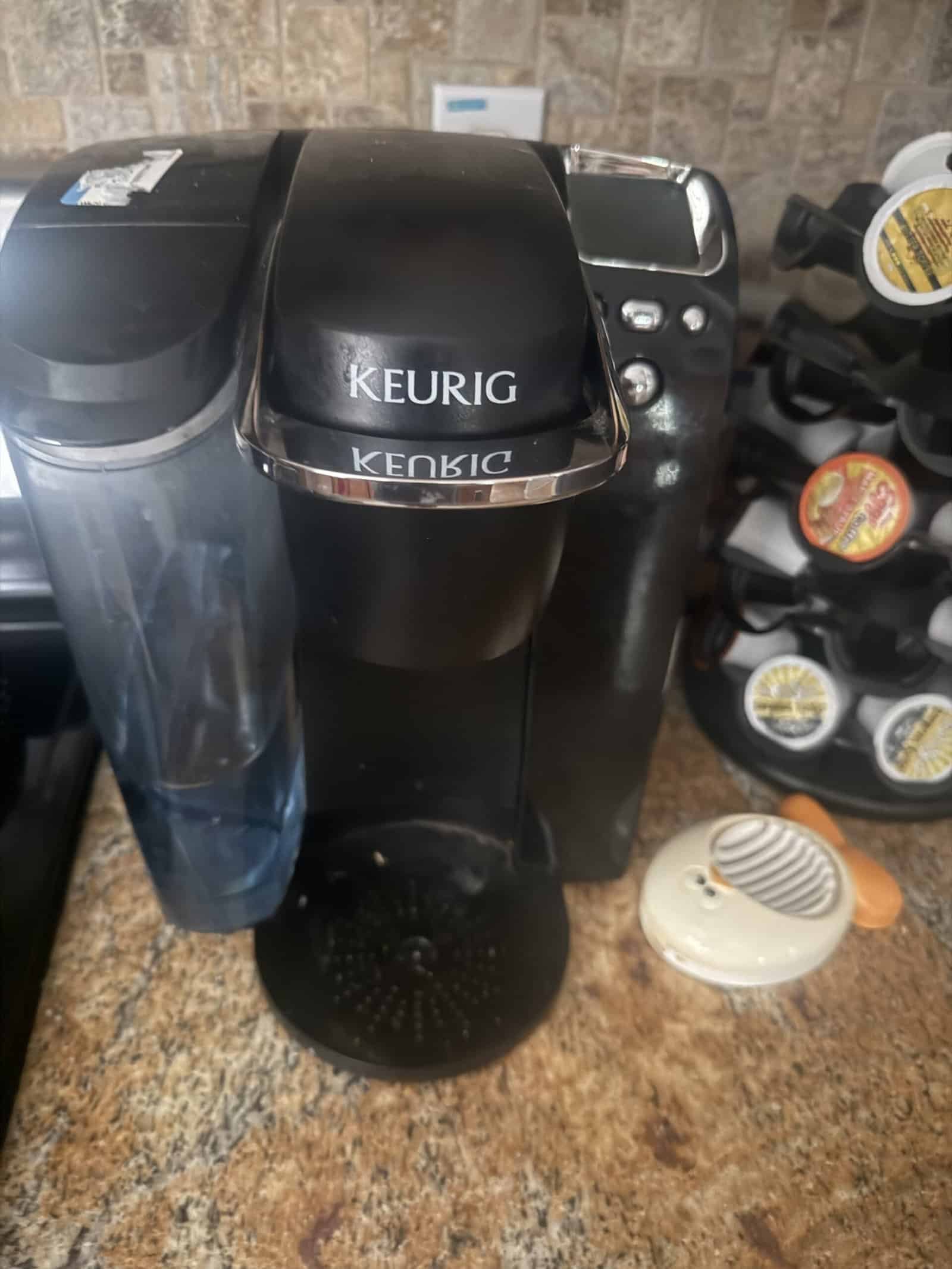
My coffee maker is a single-serve Keurig, and I have owned them for years. This is my third or fourth.
That is a replacement pattern rather than one long-lived machine, and our roundup of single-serve coffee makers covers the current field.
Quick Answer
Expect three to five years from a single-serve pod machine in regular use. Scale buildup from hard water is the main killer, followed by pump failure and clogged needles. Descaling every three to six months and using filtered water are the two habits that actually extend it.
Key Takeaways
- Three to five years is the common range, not a guarantee.
- Hard water shortens life more than heavy use does.
- Scale and clogged needles cause most of the symptoms people replace machines over.
- Pump failure is usually the end rather than a repair.
- Replacement is cheap enough that repair rarely makes sense.
- A weak or slow brew is a maintenance signal before it is a death sentence.
| Symptom | Usual Cause | Fixable? |
|---|---|---|
| Brews half a cup | Scale or clogged needle | Yes, descale and clean |
| Slow to heat | Scale on the heating element | Often |
| Loud, no water moves | Pump or airlock | Sometimes |
| Leaks from underneath | Internal seal or hose | Rarely worth it |
| Coffee tastes off | Needs cleaning | Yes |
| Dead, no lights | Board or power | No |
What Actually Ends a Keurig’s Life
Scale is the leading cause. Every brew pushes mineral-laden water through narrow heated passages, and those minerals deposit on the way. Given enough time they restrict flow until the machine cannot deliver a full cup.
The pump is the second. It is a small component under pressure thousands of times, and when it goes the machine is generally finished as a practical matter.
The needle that punctures the pod is the third, and it is the most fixable. Coffee grounds and oils accumulate on it and around the exit needle, which produces weak coffee and partial cups that look like bigger problems.
Our guide to how much water to keep in the reservoir covers a habit that affects both taste and buildup.
My Third or Fourth Machine
Single-serve Keurig coffee makers are what I have used for years, and the coffee maker on the counter now is my third or fourth. I could not tell you the exact count, which is itself part of the picture.
That is the number worth handing you. Not one machine lasting a decade, and not a string of two-year failures either, but a steady pattern of replacing rather than repairing across a long stretch of ownership.
What the pattern does say is that every replacement was another single-serve Keurig rather than a switch to a different format. That is the extent of what I can tell you about it.
What I cannot give you is a diagnosis for each one. I have not stripped a machine down to find out what failed, and I have not run a descaling schedule strictly enough to say what difference it made, so the maintenance sections below are how these machines work rather than a routine I can vouch for.
The Two Habits That Extend the Number
Descale on a schedule
Every three months on hard water, every six on soft. Use a descaling solution or white vinegar, run it through, then run several cycles of plain water. This is the single highest-value maintenance task.
Use filtered water
Filtered or bottled water puts far less mineral content through the machine. It also improves the coffee, which makes it easier to stick with than descaling does.
Clean the needles
The entry and exit needles clog with grounds and oil. A paperclip or the tool that ships with some models clears them, and it fixes a surprising share of weak-brew complaints.
Empty the reservoir if you travel
Water sitting for weeks grows biofilm. Dumping it before a trip costs nothing.
Repair or Replace
The math rarely favors repair. Parts for these machines are not widely sold, service is not economical relative to the price of a new unit, and most failures are internal rather than modular.
The exception is anything caused by buildup. A machine that brews short, brews slow, or tastes stale is usually a cleaning job rather than a dead machine, and people replace plenty of working units over exactly those symptoms.
If you are replacing anyway, the pod question is worth revisiting. Our guide to whether you can use any pod in a Keurig covers compatibility, and our roundup of reusable k-cups and pod filters covers the cheaper long-run route.
How Lifespan Compares Across Machine Types
Pod machines are the most maintenance-sensitive of the common formats, because everything runs through narrow heated passages under pressure. That is the cost of speed and convenience.
Drip machines have simpler water paths and fewer failure points, though they are not immune to scale. Manual methods have no water path at all and effectively no lifespan limit.
Our comparison of Keurig versus Nespresso covers the other pod system, and our guide to what size brew to use covers getting the most out of whichever machine you have.
What to Expect From a Replacement Cycle
Plan on replacing rather than repairing, and let that shape what you spend. A machine you expect to keep for three or four years is a different purchase from one you expect to keep for ten.
That argues for buying the features you will actually use rather than the longest spec sheet. Reservoir size, cup-size options, and whether it fits under your travel mug are the things owners notice daily.
It also argues against expensive accessories tied to one machine. Reusable pods and filters carry over between models, while anything that clips onto a specific body does not.
Keep the box and the receipt for the first year. Warranty periods on these are typically a year, and early failures are the ones worth claiming rather than absorbing.
Recommended Reading
Frequently Asked Questions
How long does a Keurig last?
Three to five years is the typical working life in regular use. Water hardness and descaling habits move that number more than the model does. Some owners report longer, and plenty replace machines earlier over symptoms that were really maintenance issues.
What is the most common Keurig failure?
Restricted flow from scale buildup, which shows up as short cups, slow brewing, or a machine that sounds like it is working without delivering water. Pump failure is the second and it usually ends the machine. Clogged needles cause similar symptoms and are easy to fix.
Does descaling really extend the life?
It addresses the leading cause of failure, so yes in effect. Every three months on hard water and every six on soft is the usual recommendation. Filtered water reduces how much there is to descale in the first place.
Is it worth repairing a Keurig?
Usually not, since parts are hard to source and service costs approach the price of a new machine. The exception is anything caused by buildup or a clogged needle, which is cleaning rather than repair. Try that before deciding it is dead.
Why does my Keurig brew half a cup?
Almost always scale or a clogged needle restricting flow. Descale first, then clear the entry and exit needles. If a full descale and needle clean does not fix it, the pump is the next suspect.
Should you leave water in the reservoir?
Day to day it is fine and convenient. For longer gaps, empty it, because standing water grows biofilm and affects taste. Refilling with filtered water is better than topping up old water.
Do more expensive Keurigs last longer?
Not reliably. The water path and pump are similar across much of the range, and price mostly buys features and build quality rather than years. Maintenance habits separate long-lived machines from short-lived ones more than price does.
What is the first sign a Keurig is going?
A change in output volume or speed. A machine that used to fill a cup and now falls short is telling you flow is restricted. Treat it as a maintenance prompt rather than a replacement prompt.
