
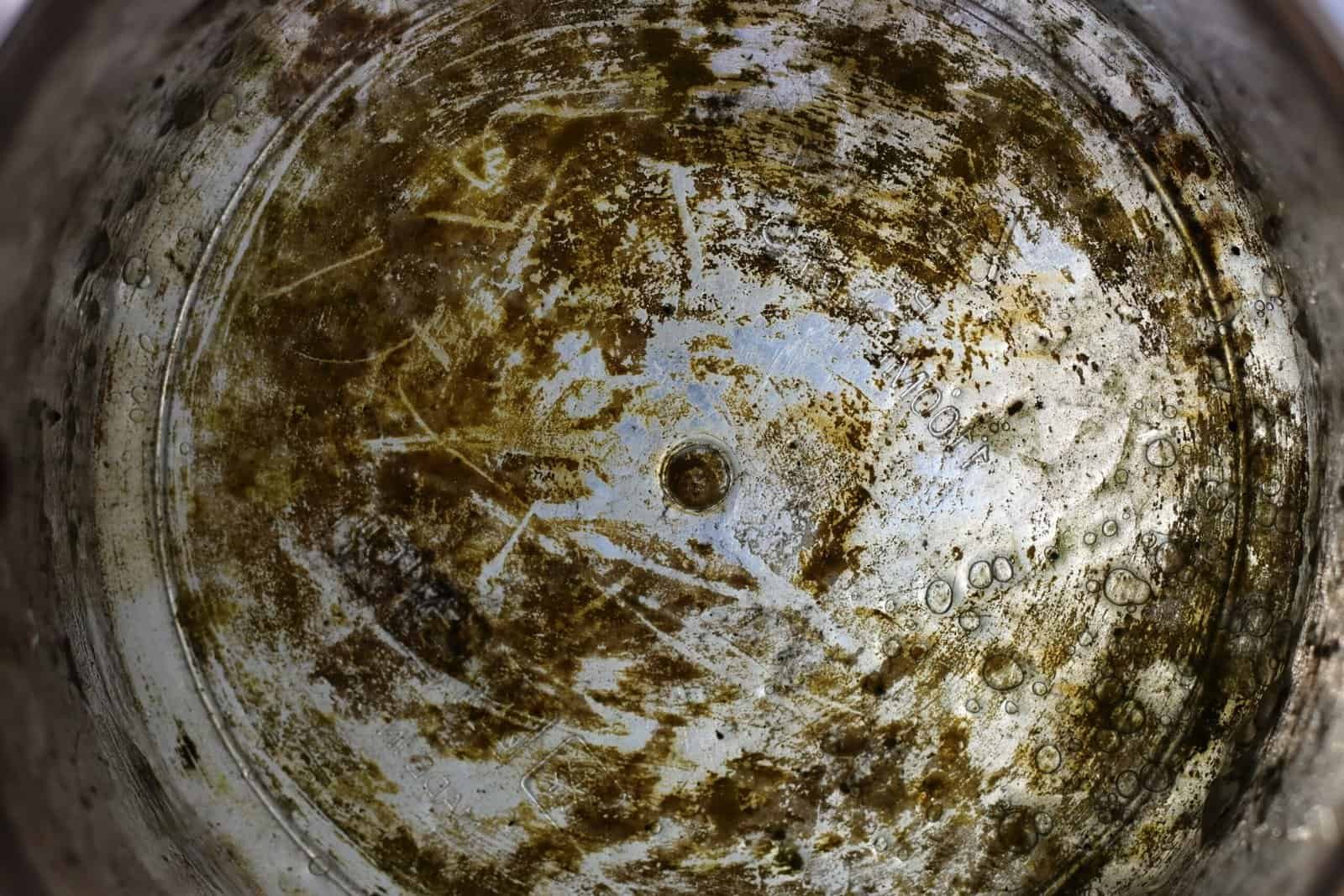
You forgot the rice on the stove. Or the milk boiled over while you stepped away to grab a phone call. By the time you notice, the bottom of the pan is black, the kitchen smells like a campfire, and the smoke alarm has joined the conversation. For recommendations, see our best springform pans guide.
Resist the first impulse, which is to grab steel wool and start scrubbing. Aggressive scrubbing scratches the surface and turns a salvageable pan into a permanently damaged one. The real fix is chemistry, not muscle. Soaking with the right solution loosens burnt food at the bond level, and then a soft scrubber handles the loosened residue in minutes instead of hours.
Method depends on the pan material. Stainless steel tolerates almost everything. Nonstick wants gentle approaches. Cast iron has its own rules. Aluminum and copper need acidic versus alkaline treatments matched to the metal. The methods below cover what works for each.
Key Takeaways
- Soak before scrubbing. Most burnt residue lifts off on its own with the right soak.
- Match method to pan material. Steel wool on nonstick ruins the coating; acidic cleaners on aluminum cause discoloration.
- Bar Keepers Friend handles stainless and aluminum. Baking soda paste works on most surfaces. White vinegar and water boiled in the pan loosens almost anything.
- For cast iron, never use soap or acidic cleaners on the seasoned layer. Salt scrub plus oil reseasons the surface during cleaning.
Start With the Right Diagnosis
Look at the pan before reaching for any cleaner. Light browning that wipes off with a damp cloth and dish soap isn’t a burnt pan. Burnt food residue that’s bonded to the surface and won’t budge under normal washing is the actual problem this guide addresses. The third category is heat-damaged metal where the pan itself has discolored or warped from extreme temperature; that’s not cleanable and the pan may need replacement.
The pan material matters because the wrong cleaner damages the surface more than the burn did. Check the manufacturer’s care instructions if you have them, and when in doubt, start with the gentlest method on the list and escalate.
Method 1: Boil Water and Dish Soap (Universal First Try)
Fill the burnt pan with water to cover the burnt area, add a generous squeeze of dish soap, and bring it to a simmer for several minutes. The combination of heat, water expansion, and soap surfactants loosens bonded food without any abrasion. After simmering, let the water cool, pour it out, and scrub with a soft sponge.
This method handles most light-to-moderate burns on stainless steel, aluminum, and well-seasoned cast iron. The combination dissolves protein and starch bonds that hold burnt food to metal. For burns on nonstick cookware (covered in our coverage of the best nonstick cookware sets), this is the safest first try because no abrasive contact happens.
Method 2: Baking Soda Paste for Stuck-On Residue
Mix baking soda with just enough water to make a thick paste, the consistency of toothpaste. Spread the paste over the burnt area, let it sit for at least an hour or overnight for heavy burns, then scrub with a soft sponge.
Baking soda is mildly abrasive and chemically alkaline. The alkalinity helps break down acidic burnt food residues; the gentle abrasion does the mechanical work without scratching. This works well on stainless steel, ceramic, and enameled cast iron. Avoid on aluminum, which reacts with alkaline cleaners and can discolor.
For deeper burns, combine with boiling water
Sprinkle baking soda over the burnt area, add water to cover, and bring to a low boil for several minutes. The combination of boiling action and baking soda’s chemistry handles burns that paste alone won’t lift. Let cool before scrubbing.
Method 3: White Vinegar for Aluminum and Calcium Buildup
Fill the pan with equal parts water and white vinegar, bring to a boil, and simmer for several minutes. The acid in vinegar reacts with mineral deposits and certain types of burnt residue that alkaline cleaners don’t touch. Particularly effective on aluminum pans where baking soda would cause discoloration.
After simmering, pour out the vinegar solution and scrub with a soft sponge. For tougher burns, add a tablespoon of baking soda after the vinegar cools (the fizzing reaction adds mechanical action to the chemistry).
Method 4: Bar Keepers Friend for Stainless Steel
Bar Keepers Friend is a powdered cleanser containing oxalic acid that handles burnt residue and discoloration on stainless steel exceptionally well. Wet the pan, sprinkle the powder, work into a paste with a soft sponge, and scrub gently. Rinse thoroughly.
The oxalic acid dissolves rust, mineral deposits, and bonded food without scratching the stainless surface. This is the cleaner most professional kitchens reach for on stainless cookware. Not suitable for nonstick coatings or cast iron seasoning. For broader stainless care, our coverage of the best stainless steel cookware sets covers the construction differences that affect burn susceptibility, and our piece on why stainless steel cookware sticks covers the daily-use practices that prevent burns in the first place.
Method 5: Dryer Sheet Soak (Strange but Effective)
Fill the burnt pan with hot water, add a tablespoon of dish soap, and float one dryer sheet on top. Let it sit for an hour or longer. The dryer sheet contains antistatic and softening compounds that loosen bonded food at the surface level.
The method sounds odd but works on stainless steel and many other surfaces. After soaking, the dryer sheet itself works as a soft scrubber that won’t scratch the pan. Rinse thoroughly to remove any residue from the dryer sheet compounds.
Method 6: Salt Scrub for Cast Iron
Cast iron needs different rules. Never use soap on a seasoned cast iron pan (it strips the seasoning layer), and never soak it in water (it rusts). For burnt-on residue on quality cast iron (see our coverage of the best cast iron skillets), sprinkle coarse salt generously over the burnt area, add a small amount of oil to make a paste, and scrub with a folded paper towel or stiff brush.
The salt provides mechanical abrasion without damaging the seasoning. The oil suspends the loosened residue and helps re-condition the seasoned surface during cleaning. Wipe out the residue with a clean paper towel, rinse with hot water if needed, and dry immediately. Apply a thin layer of oil before storing.
When seasoning is damaged
If the burn was severe enough to damage the seasoning down to bare metal, the pan needs to be reseasoned. Wash with soap and water, dry completely, apply a thin layer of oil, and bake upside down at 450 degrees for an hour. Several cycles rebuild the seasoning layer. Our coverage of how to season a cast iron skillet covers the full process.
Method 7: For Nonstick, the Gentle Path Only
Nonstick cookware can’t tolerate the abrasive methods that work on stainless or cast iron. Steel wool, scouring powders, and harsh scrubbers ruin the coating. For burnt-on residue on nonstick, soak in warm soapy water for as long as needed, then use a soft sponge or silicone scrubber.
If gentle soaking doesn’t fully clean the surface, repeated soaks work better than escalating to abrasive methods. The trade-off with nonstick is that any treatment harsh enough to remove serious burns also damages the coating, which means severely burnt nonstick pans often need replacement rather than restoration. The pan is doing its job at the cost of its lifespan.
Prevention: Habits That Stop Burns Before They Happen
Most kitchen burns trace to one of three patterns: walking away from cooking food, using too-high heat, or starting with a hot dry pan. Staying in the kitchen during active cooking is the single most effective prevention. Lowering heat to the actual cooking requirement (most cooking happens at medium or medium-low, not high) prevents the rapid burns that high heat produces. Preheating with oil or liquid in the pan, rather than empty, gives more thermal buffer before burning starts. Recurring burns are sometimes also a sticking problem; our coverage of why food sticks to nonstick pans covers the daily-use mistakes that produce stuck-on residue.
For pans that burn repeatedly even with careful use, the pan itself may be the problem. Thin or warped pans develop hot spots that burn before the rest of the surface is hot enough to cook. Quality cookware with even heat distribution is one of the practical investments that prevents recurring burns. Our coverage of how to choose the right cookware covers the construction differences that matter. For overall kitchen cleaning beyond burnt pans, see our guide on how to deep clean a kitchen.
When the Pan Isn’t Worth Saving
Some burns indicate the pan has reached the end of its useful life. Nonstick coatings that have been damaged by abrasive cleaning shed particles into food and don’t release as designed. Aluminum pans with deep pitting harbor bacteria and don’t conduct heat evenly anymore. Cast iron with cracks (visible as fine lines after cleaning) shouldn’t be used for cooking. Stainless pans with deep dents or warped bottoms cook unevenly.
The cost of replacing a worn-out pan is usually less than the cost of struggling with it for another year. A few quality pieces handle most cooking; a drawer of marginal pans rarely beats two excellent ones.
Related: wire cleaning brushes.
Frequently Asked Questions
Can I use oven cleaner on a burnt pan? Generally no. Oven cleaners contain caustic compounds (typically sodium hydroxide) that damage most cookware finishes including stainless steel over time and ruin nonstick and aluminum. Stick to gentler methods.
What’s the fastest way to clean a burnt pan? The boil-water-and-soap method usually delivers the fastest results because the soak does the work while you handle other things. Aggressive scrubbing feels active but actually takes longer than chemistry.
Will burnt food in a pan make me sick if I clean it well? No. Properly cleaned pans pose no health risk regardless of what previously burned in them. Char-flavored residue can transfer to next-meal cooking if cleaning was incomplete, which is a flavor problem rather than a safety problem.
Can I put a burnt pan in the dishwasher? Sometimes, but it rarely works. Dishwasher cycles don’t address bonded burnt residue effectively. Soak first by hand, then dishwasher for the final wash if the pan is dishwasher-safe.
Why does food keep burning in my new pan? Most likely cause is heat too high or insufficient preheat. Stainless steel needs proper preheating before food goes in. Nonstick should be used at medium heat or lower. Cast iron benefits from gradual heating rather than thrown onto high heat from cold.
Is it safe to use a pan that’s been heavily burnt and cleaned? Yes, as long as the metal itself isn’t damaged. Burnt-and-cleaned pans cook normally. The exception is nonstick where cleaning damage to the coating affects future use.
What about commercial degreasers and heavy-duty kitchen cleaners? Effective but often overkill for typical burns and potentially harsh on cookware finishes. Try the gentler methods first. Reserve commercial degreasers for restaurant-volume cleaning or extreme cases.
How do I prevent the soap-and-water boil method from staining the pan? Use enough water to keep the burnt area submerged throughout the simmer. Water that boils off exposes the burnt area to direct heat and can intensify the staining. Refill water as needed if simmering for a long time.
Recommended Reading
See also our guides to moka pots, and muffin pans. See also our guides to humidifiers, steam mops, and why your dishwasher leaves spots.
Related Reading
Explore more: how to clean a nonstick pan, how to clean a deep fryer, muffin pans, roasting pans, springform pans, moka pots, how to clean coffee grinder, and carbon steel pans. Also explore: stockpots.
