
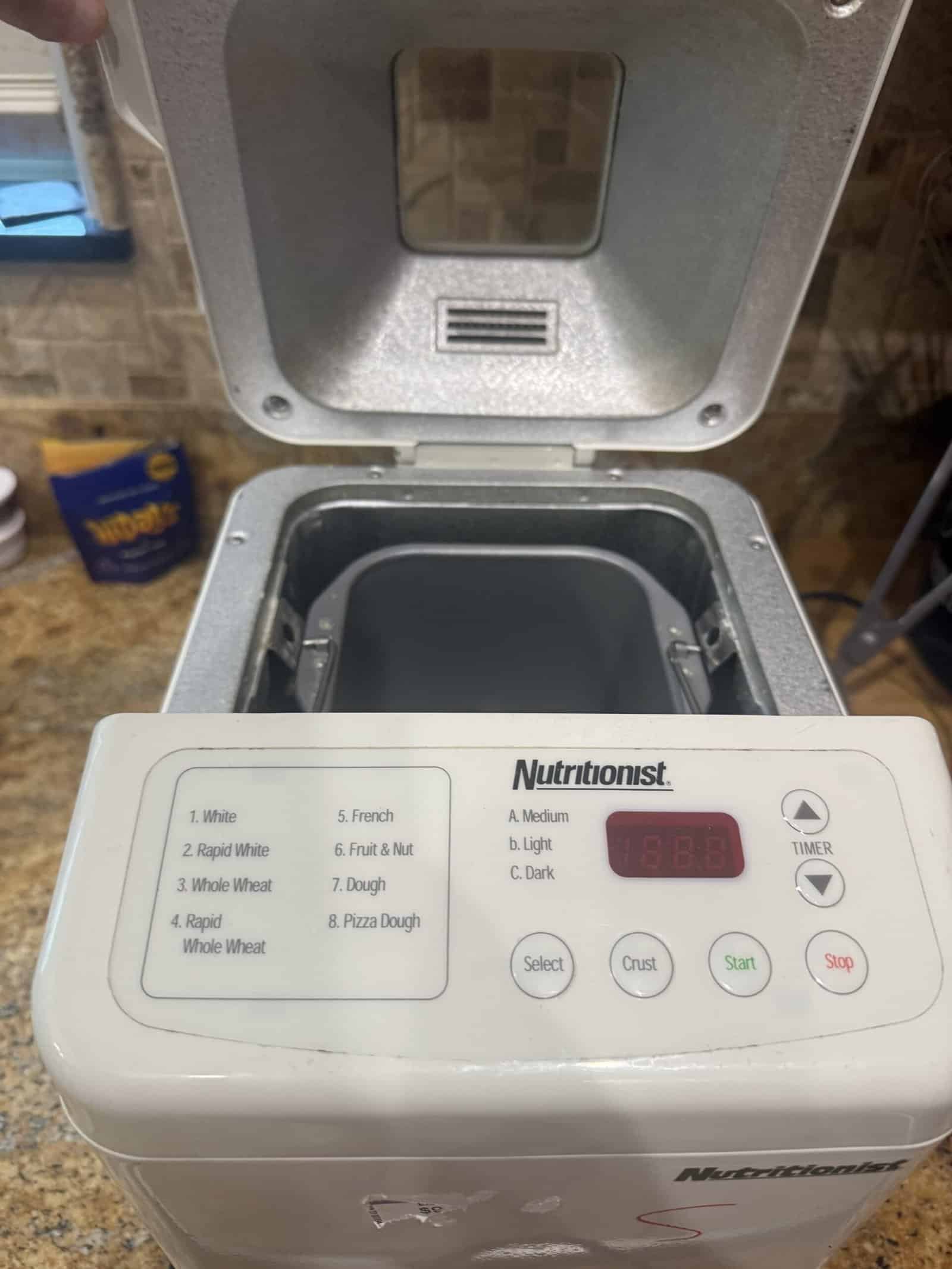
I have made sourdough in my bread machine, and the first thing worth being honest about is what a bread machine sourdough actually is. A machine gives you a sourdough-style loaf with real tang and a good crumb, on a fixed cycle, with far less fuss than the traditional method. What it does not do is replicate a days-long artisan starter process on its own schedule. Once you understand that trade, choosing a machine for sourdough comes down to a few features that genuinely matter and a lot that do not.
Key Takeaways
- A bread machine makes a sourdough-style loaf with real tang and low effort.
- It is not a full replacement for a traditional multi-day starter process.
- A dedicated or long cycle matters more than a labeled sourdough button.
- Even baking and a good rise decide crumb quality.
- The machine handles the work; the flavor still comes from time and starter.
What Bread Machine Sourdough Really Is
Setting expectations first, because it changes what you should look for.
A bread machine gives you a sourdough loaf with genuine tang and a proper crumb, and it does it with a fraction of the hands-on work the traditional method demands. That is the appeal, and it is a real one. What it is not is a machine that manages a living starter through days of feeding and folding on its own. The machine handles mixing, rising, and baking on a set cycle; the sourdough character still comes from your starter and the time you give it.
Understanding that keeps you from buying on the wrong features. You are not looking for a machine that does sourdough magically. You are looking for one that bakes a starter-based dough well, on a cycle long enough to develop flavor, with even heat.
With that framing, the feature list gets short and clear. Using a bread machine covers the general process these loaves follow.
1. Machine With a Long or Custom Cycle (Best for Real Flavor)
The single most important feature, and often not the one labeled sourdough.
Sourdough flavor develops over time, so a machine that offers a long rise or a customizable cycle gives the dough the hours it needs to build tang. A short basic cycle rushes the process and gives you bread that is fine but not especially sour. The ability to extend the rise, or program a custom cycle, is what actually produces sourdough character.
A button labeled sourdough is nice, but what it does under the hood, how long it lets the dough ferment, matters more than the label. Look at cycle length and customization rather than the name printed on the panel.
2. Machine With Even Baking (Best Crumb and Crust)
The quality that shows up in every slice.
Even heating gives a sourdough loaf a consistent crust and a well-developed crumb, rather than a loaf that is dark on one side and underbaked elsewhere. My own machine bakes evenly, and that consistency is what makes the loaf look and taste like something you meant to make. For sourdough, where the crust is part of the appeal, even baking is not a minor spec.
A machine that heats unevenly undermines even a well-fermented dough. All the flavor work you put into the rise shows up poorly if the bake is inconsistent. Prioritize even heating alongside cycle flexibility.
3. Machine With a Strong Rise Cycle (Best Structure)
Sourdough is heavier than basic white, so the rise has to work.
Sourdough dough, especially with whole grain flours, is denser and needs a capable rise to reach a good structure. A machine with a strong, well-timed rise cycle handles that better than one built only for light white loaves. If the rise is weak or too short, sourdough comes out dense, which is a common disappointment.
This ties back to cycle flexibility: the machines that let you extend or customize the rise are the ones that give sourdough room to develop both flavor and structure. A rigid short cycle fights the dough.
4. Machine With a Viewing Window (Best for Monitoring)
More useful for sourdough than for basic bread.
Sourdough dough behaves differently from a standard yeast dough, and being able to watch the rise through a window helps you learn how your starter and cycle interact. You can see whether the dough is developing properly and catch a weak rise before it bakes into a dense loaf. For a dough that is more variable than commercial yeast bread, that visibility is genuinely helpful.
It is not essential, but for sourdough specifically, where each loaf depends on the state of your starter, seeing what is happening shortens the learning curve.
5. Machine With a Dough-Only Setting (Best Hybrid Approach)
The feature that bridges machine convenience and oven results.
A dough-only cycle lets the machine handle mixing and the first rise, then you shape the loaf and bake it in your oven. For sourdough, this is a popular middle path: you get the machine’s help with the tedious part and the oven’s superior crust for the final bake. It is the closest a machine gets to artisan results while still saving you the hands-on mixing.
If you care about a proper open crust and an artisan shape, a machine with a reliable dough cycle is arguably more valuable than one that bakes the sourdough start to finish. It gives you options.
6. Larger-Capacity Machine (Best for Bigger Loaves)
A practical consideration if sourdough becomes a regular thing.
Sourdough is often something people make in earnest once they get into it, and a larger loaf capacity means a machine that can produce a family-sized loaf rather than a small one. If you expect to bake often, capacity affects how useful the machine is over time. A bigger loaf also gives the crumb more room to develop.
Balance this against size on the counter, since larger machines take up more space. In a small kitchen, capacity and footprint pull against each other, and that trade is worth thinking through. Whether a bread machine is worth it covers the space question in full.
Your Starter Does the Work the Machine Cannot
The part no machine feature can substitute for, and worth understanding before you buy.
Sourdough gets its flavor and rise from a live starter, a culture of wild yeast and bacteria you maintain by feeding it flour and water. No bread machine creates this or replaces it. The machine bakes a dough built around your starter; the tang, the rise, and the character all trace back to how active and well-fed that starter is. A sluggish starter gives a dense, flat loaf no matter how good the machine.
This matters for the buying decision because it shifts where your attention should go. The machine’s job is to bake a starter-based dough well, which means even heat and a capable rise. The flavor job belongs to you and your starter. Buying an expensive machine will not fix an underfed starter, and a capable mid-range machine paired with a healthy starter makes excellent sourdough.
Keep that division clear and you will not overspend on features chasing a result that comes from the starter instead. The machine is the oven and mixer; the starter is the soul of the loaf.
Flour Choice Shapes the Loaf
A variable that interacts with the machine more than people expect.
Sourdough is often made with a mix of flours, and the choice affects both flavor and how the dough behaves in the machine. Bread flour, with higher protein, gives more structure and a better rise, which helps a heavier sourdough hold its shape. Whole grain and rye flours add flavor and character but are heavier and rise less, which can push a loaf toward dense if the cycle is short.
This is where cycle flexibility and flour choice meet. A dough with a lot of whole grain needs a longer rise to develop properly, so a machine that lets you extend or customize the cycle pairs naturally with more ambitious flour blends. A rigid short cycle limits you to lighter, higher-protein doughs.
Thinking about the flours you want to bake with helps you choose a machine whose cycles can handle them. Someone baking mostly white sourdough needs less flexibility than someone chasing a hearty whole grain rye. Why a loaf comes out dense covers the flour-to-liquid balance that governs this.
How to Choose a Machine for Sourdough
Bringing it together.
Lead with cycle flexibility, because a long or customizable cycle is what develops sourdough flavor, and that matters more than a button labeled sourdough. Add even baking and a strong rise, since those decide the crumb and structure of a heavier dough. Consider a viewing window to monitor a more variable dough, and a dough-only setting if you want the hybrid machine-plus-oven approach.
Do not buy on the sourdough label alone. Look at what the cycles actually do, how long they run, and how well the machine bakes, because those are the things that turn a starter into a good loaf. The general bread machine guide covers the broader lineup once you know your sourdough priorities.
The Honest Limit of Machine Sourdough
Worth stating plainly so you buy with clear eyes.
A bread machine makes good sourdough-style bread with real tang and much less effort than the traditional method. It does not turn out an artisan boule with a wildly open crumb and a blistered crust the way a skilled baker with a Dutch oven can. Those are different results, and the machine trades some of the ceiling for a great deal of convenience.
For most people, most of the time, that trade is worth it: a genuinely tangy, satisfying loaf with a fraction of the work. If you later want to chase the artisan version, the dough-only setting is your bridge, letting the machine do the mixing while your oven does the final bake. Either way, the flavor still comes from your starter and the time you give it, not from the machine alone.
Recommended Reading
See choosing a bread machine, whether a bread machine is worth it, and why a loaf comes out dense.
Bread Machine Sourdough FAQ
Can a bread machine make real sourdough?
It makes a genuine sourdough-style loaf with real tang and a good crumb, using your starter, with much less hands-on work than the traditional method. What it does not do is manage a living starter or produce an artisan boule with a wildly open crumb on its own. It is convenience in exchange for some of the ceiling.
What feature matters most for sourdough?
A long or customizable cycle, because sourdough flavor develops over time. That matters more than a button labeled sourdough, since the label tells you less than how long the cycle actually lets the dough ferment. Look at cycle length and customization first.
Do I still need a starter?
Yes. The machine handles mixing, rising, and baking, but the sourdough character comes from your starter and the time you give it. A bread machine does not create sourness on its own; it bakes a starter-based dough conveniently.
Why does my machine sourdough come out dense?
Sourdough is heavier than basic white and needs a capable, well-timed rise. A short or weak cycle does not give it room to develop structure. Use a longer or custom cycle, and make sure your starter is active. A viewing window helps you catch a weak rise before it bakes.
What is a dough-only setting good for?
It lets the machine mix and do the first rise, then you shape and bake in your oven. For sourdough, that hybrid gives you the machine’s help with the tedious part and the oven’s better crust for the final bake. It is the closest a machine gets to artisan results.
Is even baking important for sourdough?
Yes. The crust is part of sourdough’s appeal, and even heating gives a consistent crust and a well-developed crumb. An uneven baker undermines even a well-fermented dough, so prioritize even baking alongside cycle flexibility.
Does loaf size matter?
It does if sourdough becomes a regular habit. A larger capacity makes a family-sized loaf and gives the crumb room to develop. Balance that against counter and storage space, since bigger machines take up more room, which is a real trade in a small kitchen.
Is a bread machine worth it just for sourdough?
If you want tangy, satisfying sourdough with far less effort than the traditional method, yes. If your goal is a competition-grade artisan boule, a machine alone will not get you there, though its dough setting plus your oven comes close. Buy based on which result you actually want.
More in this guide: how to set up a home baking station.
A machine still needs a healthy starter to work from. Keeping one in a jar you can actually read makes the timing easier to judge.
