
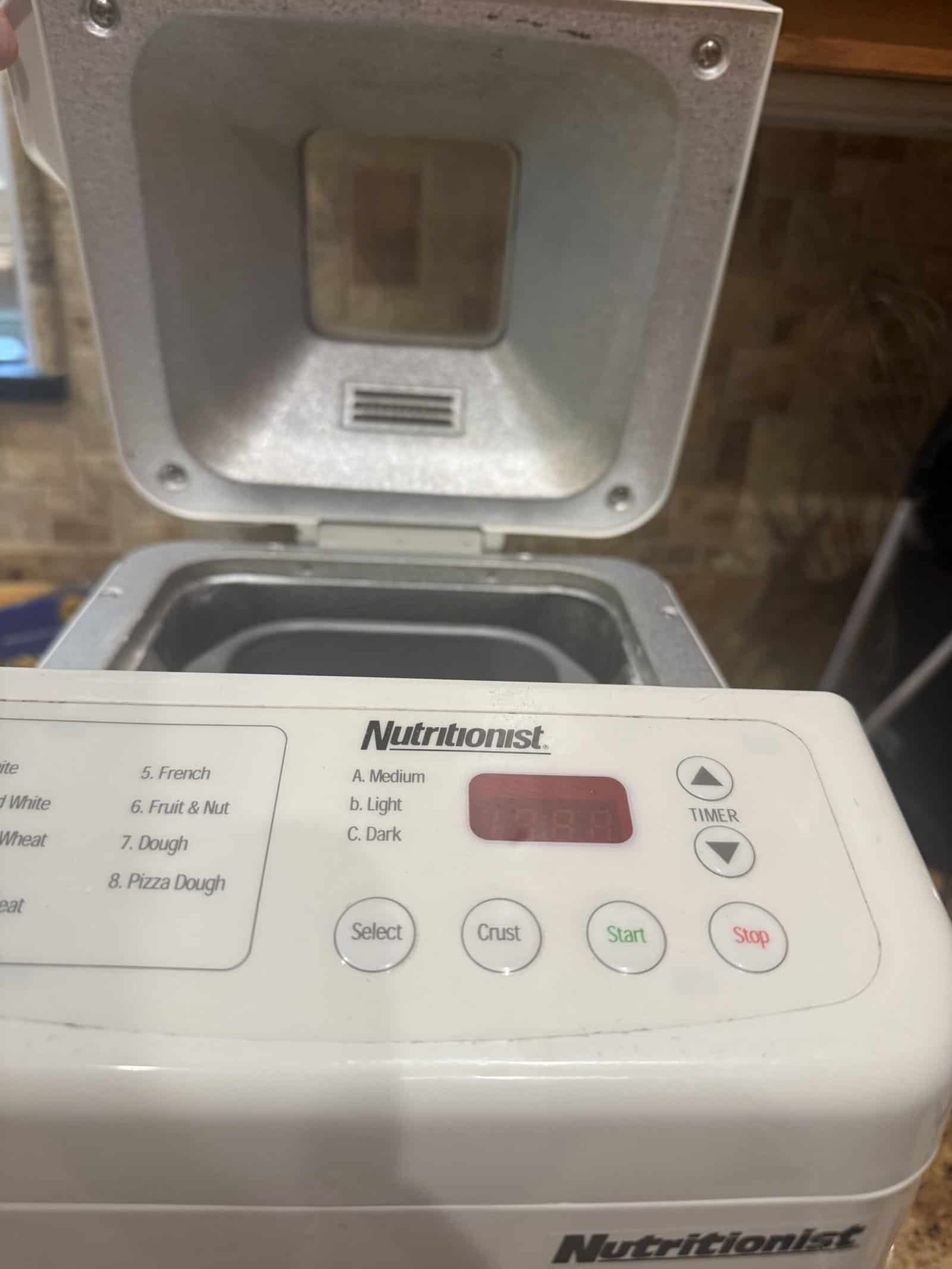
My first loaf came out dense, and it was my fault, not the machine’s. I had not used enough flour. That single beginner mistake taught me more about what actually matters in a bread machine than any spec sheet did, because the machine that forgives a new baker is not the one with the longest feature list. It is the one that is simple to run, bakes evenly, and does not punish you for the errors you are guaranteed to make in the first month. This is what to look for when you have never done this before.
Key Takeaways
- Beginners need simplicity and even baking, not a wall of settings.
- My first loaf was dense because I under-measured the flour, a classic new-baker error.
- A clear basic-white cycle is the setting you will actually use at first.
- A viewing window and a good manual matter more than exotic programs.
- Even heating decides loaf quality more than any premium feature.
What a Beginner Actually Needs
Less than the marketing implies, and knowing that saves you money.
When you are starting out, the settings you will use are basic white and maybe whole wheat. The pizza dough cycle, the jam function, the fourteen specialty programs, all of that is real and none of it is where you begin. A machine sold on the length of its feature list is solving a problem you do not have yet.
What you need is a machine that runs simply, bakes evenly, and gives you a clear basic loaf without a fight. Everything else is a bonus you grow into, if you ever do. Plenty of people bake basic white for years and never touch the specialty cycles.
So the first filter for a beginner is not features. It is whether the machine makes the simple thing easy. Using a bread machine covers what that simple process looks like.
1. Simple Programmable Machine (Best Overall for Beginners)
The right starting point is a straightforward programmable machine with a clear set of basic cycles and an uncomplicated control panel.
You want to be able to add ingredients, pick basic white, choose a crust color, and press start without decoding a manual each time. A machine that gets you to a good basic loaf reliably is the one that builds the habit, and the habit is what makes the purchase worth it.
The specialty settings can be there for later. What matters on day one is that the everyday loaf is a two-decision process, not a puzzle.
2. Machine With a Clear Viewing Window (Best for Learning)
Underrated for a beginner, because seeing the dough teaches you faster than any manual.
A viewing window lets you watch what the dough is doing during the mix and rise. When my first loaf came out dense, a window is where I would have caught the problem: the dough would have looked wrong, too wet and slack, if I had known what to look for. Being able to see the dough ball form is how you learn to spot a bad batch before it bakes.
For someone still building intuition, that visibility is worth more than an extra handful of cycles you will not use. It turns each loaf into a lesson instead of a mystery.
3. Compact Machine (Best for Small Kitchens)
The practical constraint that decides how often a beginner actually bakes.
A bread machine is a large single-purpose appliance, and if you are starting out in a small kitchen, size determines whether it lives on the counter or in a cabinet. Mine stays in storage between bakes because counter space is tight, and that small friction shapes how often I use it.
A more compact machine is easier to leave out, and a machine you leave out is a machine you use. For a beginner in an apartment, that is a real consideration and not a minor one, because early on the biggest risk is that the thing becomes stored clutter before the habit takes hold.
4. Machine With a Reliable Basic Cycle (Best Everyday Loaf)
The setting you will live on, so it needs to be good.
Ninety percent of early baking is a basic white or wheat loaf, so the quality of that one cycle matters more than the breadth of the menu. A machine that nails a consistent everyday loaf gives you the confidence to keep going. A machine that produces an uneven or unpredictable basic loaf makes you doubt yourself when the fault is the machine.
Even baking is the core of this. My machine bakes evenly, with a consistent crust around the loaf, and that consistency is what makes each bake feel like progress rather than a gamble.
5. Machine With a Fruit and Nut Setting (Best for Growing Into)
The one specialty feature worth having early, because it opens up the fun breads.
A fruit and nut setting signals when to add mix-ins during the cycle, which is how you get into breads like a cheddar jalapeno loaf. I add mine by hand at the beep rather than using an automatic dispenser, and that works fine, but having the machine tell you when is genuinely useful when you are learning the timing.
This is the setting a beginner grows into within the first month or two, once the basic loaf is second nature. It is worth having available even if you do not use it on day one, because the leap from plain bread to a loaf with things in it is where bread baking gets addictive.
6. Machine With a Clear Manual and Recipes (Best Supported Start)
Boring, and the thing that most affects whether a beginner succeeds.
The included manual and recipe book matter more than they should, because early on you are following recipes exactly, and the machine’s own recipes are tuned to its cycles. A good starter recipe set is how you avoid the mistake I made, where a general recipe and an imprecise measurement gave me a dense loaf.
A machine that comes with clear, machine-specific recipes and a manual that actually explains the cycles gives you a path that works from the first loaf. That support is worth more to a beginner than any premium hardware feature.
The Two Settings Beginners Underuse
Both are on nearly every machine, and both change the loaf more than a new baker expects.
Crust color is the first. Most machines let you choose light, medium, or dark, and it is easy to leave it on default and never think about it. But the crust setting changes the character of the loaf, and finding your preference is part of dialing in a machine. A darker setting gives a firmer, chewier crust; a lighter one keeps things soft. It costs nothing to experiment across a few loaves, and it is the fastest way to make the bread feel like yours.
The delay timer is the second, and it is the feature that changes when you bake rather than how. It lets you load the ingredients and set the machine to finish hours later, so you can wake up to fresh bread. Beginners often ignore it because the basic bake is enough to learn first, but once the everyday loaf is reliable, the timer is what turns the machine from an appliance you operate into one that works while you sleep. It is worth knowing your machine has it and reaching for it once you are comfortable.
Neither setting is complicated, and both reward a little experimentation once the basics are solid.
The Ingredients Matter as Much as the Machine
Easy to forget when you are focused on which machine to buy.
A good bread machine cannot rescue bad ingredients, and a beginner’s early loaves live or die on flour and yeast more than on hardware. Fresh yeast is essential, because yeast loses potency over time and dead yeast gives you a loaf that never rises. Bread flour, with its higher protein, gives more structure than all-purpose and makes a beginner’s loaf more forgiving.
Accurate measurement is the other half. My dense first loaf came from under-measuring flour, and precise measuring fixed it more reliably than any setting could have. The best machine in the world bakes a mismeasured batch into a dense loaf faithfully, so the ingredients and the measuring are where a beginner should put their attention alongside the machine choice.
This is why the manual and the machine’s own recipes matter so much early on: they are calibrated to get the ingredients right for that specific machine, which shortcuts the trial and error.
How to Choose Your First Bread Machine
Pulling the above into a decision.
Start with simplicity and even baking, because those two things determine whether your basic loaf comes out well, and the basic loaf is what you will make most. Add a viewing window if you want to learn faster, and weigh size honestly against your counter space, since a stored machine gets used less than one left out.
Treat the specialty cycles as room to grow rather than reasons to buy. A fruit and nut setting is the one worth having early. Everything beyond that you can discover later, if you get there at all.
And do not overvalue a long feature list. If you are still weighing the method itself, bread machine vs oven baking covers that choice. The machine that makes a good simple loaf and forgives a new baker’s mistakes is the one that turns you into someone who bakes bread. The general bread machine guide covers the full range once you know what you are looking for.
The Beginner Mistake to Avoid
Worth its own section because I made it and you will be tempted to.
My first loaf was dense because I did not use enough flour. The measurement was off, the dough was wrong before it ever started baking, and no machine setting was going to fix a batch that was mismeasured from the start. It is the most common beginner error, and it has nothing to do with which machine you buy.
The fix is precision. Measure carefully, follow the machine’s own recipes exactly at first, and resist the urge to improvise before you understand how your machine behaves. Bread baking is more sensitive to accurate measurement than most cooking, and a bread machine does not hide that from you. Why a bread machine loaf comes out dense covers this in full.
Recommended Reading
See using a bread machine, whether a bread machine is worth it, and why a loaf comes out dense.
Bread Machines for Beginners FAQ
What is the best bread machine for a beginner?
A simple programmable machine with a clear basic cycle and even baking, not the one with the most settings. Early on you will make basic white and maybe whole wheat, so the machine that makes those easy and forgives your mistakes matters far more than a long feature list you will not touch.
What features do beginners actually need?
Simplicity, even baking, and a clear basic cycle. A viewing window helps you learn by watching the dough. A fruit and nut setting is the one specialty feature worth having early. Everything beyond that is room to grow into rather than a reason to buy.
Why did my first bread machine loaf come out dense?
Most often, not enough flour. That was my first-loaf mistake: the measurement was off, the dough was wrong before baking, and no setting fixes a mismeasured batch. Measure carefully and follow the machine’s own recipes exactly until you understand how it behaves.
Does size matter for a beginner?
More than you would think. A bread machine is large, and if it does not fit your counter it lives in a cabinet, which adds friction to every bake. A machine you leave out gets used; a stored one risks becoming clutter before the habit forms. In a small kitchen, weigh size seriously.
Do I need all the specialty settings?
No. Basic white and whole wheat cover early baking, and plenty of people never move past them. Treat pizza dough, jam, and the rest as bonuses you grow into. A fruit and nut setting is the one exception worth having available, since mix-in breads are where baking gets fun.
How important is even baking?
It is the core of loaf quality. A machine that bakes evenly gives a consistent crust and a reliable loaf, which builds your confidence. An uneven baker makes you doubt yourself when the fault is the hardware. Prioritize it over extra cycles every time.
Should I use the machine’s own recipes at first?
Yes. They are tuned to its specific cycles, which makes them more reliable than general recipes early on. Following them exactly is how you avoid measurement mistakes like the one that gave me a dense first loaf. Improvise later, once you understand your machine.
How long until I am comfortable using one?
Usually a loaf or two. Once the basic white cycle is second nature, most people move to whole wheat and then to mix-in breads within the first month. The learning curve is gentle, provided you measure carefully and let the machine do the work at first.
For the full rundown, see the comprehensive choosing a stand mixer guide.
Related guides: our picks for bread machines for sourdough.
For the full picture: the comprehensive baker’s workspace methodology.
Recommended Reading
